12 Ways to Improve Indoor Air Quality in Buildings
The quality of air inside your home probably wasn't something you thought much about before 2020, but the pandemic and wildfires on the West Coast in 2020 helped highlight why it's important to keep all areas of your home, including the air, as safe and clean as possible.
In fact, indoor air quality can have a much greater impact on health than you might think. Before the pandemic, people spent an average of 90% of their time indoors, according to EPA data.

The air quality we breathe 90% of the time when indoors is critical to our overall well-being, according to a former respiratory therapist who is now a certified emergency medicine physician, Dr. Steven Heywood.
Mild effects of poor indoor air quality include dizziness, throat, nose, and ear irritation, among others, but other more serious effects can include respiratory diseases and even cancer. One key lesson we've learned since the pandemic is how vital indoor air quality is.
One way to improve air quality in your home is by using a quality air purifier. However, experts advise following a three-pronged approach: air filtration, introducing fresh air, and humidity control. Make sure monitoring indoor air quality becomes part of your regular routine.
Here are 12 ideas for improving indoor air quality in your home, regardless of whether poor air indicators are caused by you or a family member, or environmental conditions outside.
1. Eliminate Air Pollutants
The first step is to remove everything from your home that contributes to poor indoor air quality. However, this can be tricky. For example, if you have paint, cleaning supplies, or other chemicals in the house, simply move them out of main living areas and perhaps into a garage.
If the source of air pollution is your pet, it becomes more complicated. An unhealthy family member might also be another source of air pollution that's almost impossible to eliminate.
2. Introduce Fresh Air
Improving indoor air quality in your home can be as simple and quick as opening windows for ventilation. However, this option isn't always practical depending on humidity levels, weather conditions, pollen counts, pollution, and other external factors.
3. Upgrade Your Thermostat
In ideal conditions, look for a thermostat with circulation mode. Some models run the indoor fan about 20 minutes each hour, while others allow the fan to run continuously at a lower speed to provide constant airflow.
4. Keep Bathroom Ventilation On Constantly
Constant use of bathroom exhaust can seem excessive and even annoying due to the sound, but it's an excellent way to improve indoor air quality. This function continuously pulls air out of the home, drawing in fresh air in its place.
5. Maintain Your Dehumidifier Properly
Make sure you regularly clean your dehumidifier and use it consistently during high humidity periods in your region. For example, this makes sense from April through October in the Northeast, while Florida residents might benefit from using a dehumidifier year-round.
6. Increase Humidity in Winter
Humidity is important for maintaining a healthy air environment, especially in winter when the air tends to be dry. Humidity can be provided via a portable system or professionally installed unit. The American Society of Heating, Refrigerating and Air-Conditioning Engineers recommends using humidifiers for this purpose.
7. Buy a Quality Air Filter
The higher the quality of your air filter, the more particles it can capture. However, a drawback is that finer particles clog filters faster, meaning you'll need to replace them more often. Ideally, change your air filter every 30 days or once every six months if you have a higher capacity filter. Keep spare filters on hand so they're always available when needed.
8. Limit Use of Fragranced Products
You may be surprised—and even annoyed—that your favorite air fresheners, scented candles, diffusers, and the like can be a cause of poor indoor air quality in your home. Some contain volatile organic compounds (VOCs), including toluene, benzene, and formaldehyde, which can be harmful to health, causing irritation of the nose, throat, and eyes as well as headaches. Many disinfectants, cleaning products, hobby supplies, degreasers, and cosmetics also contain VOCs.
9. Get Houseplants
Houseplants not only add life and visual interest to any space, but they also help purify the air and increase oxygen inside your home. They do this by filtering pollutants coming from within the house, including those from cleaning supplies, wood, natural gas, carpets, trash, furniture, and more.
10. Check Your Ducts
You should also maintain duct cleanliness to ensure good indoor air quality. Common signs that your ducts need cleaning include visible dust accumulation on furniture or ducts, and increased allergy flare-ups.
11. Check Your Kitchen Vent
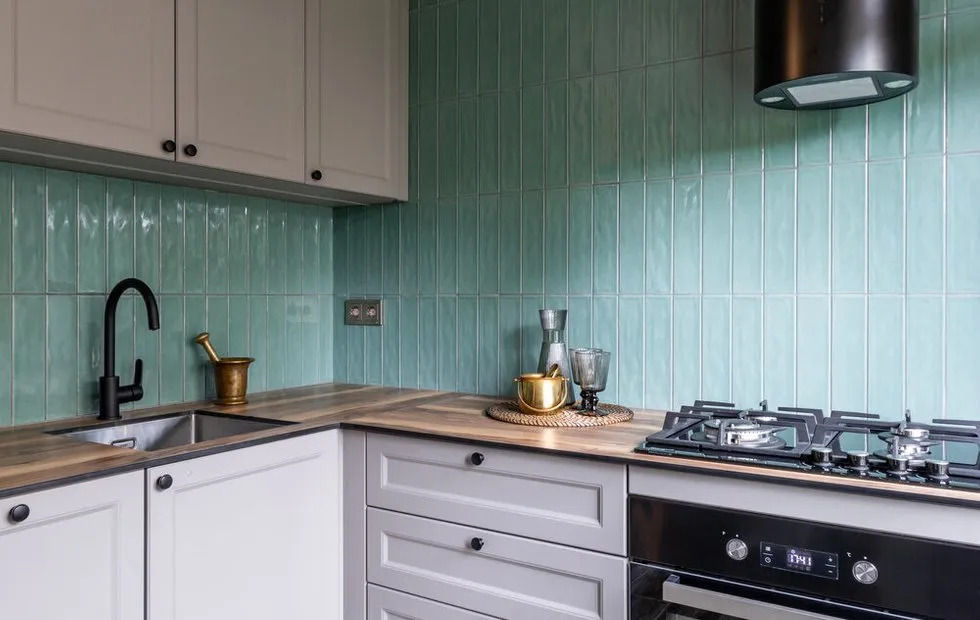
Whether you have a range hood or microwave with carbon fiber over the stove, make sure your vent works properly and clean it regularly along with its filters. This is especially important if you have a gas stove because carbon monoxide can be released into the air when burners are in use.
12. Clean Flooring Regularly
Carpets and carpeting add comfort to a home, but they are also the main source of gathering dirt, pet hair, pollen, and other particles—easily collected with each step. Ensure regular cleaning to minimize buildup. To prevent further accumulation, consider implementing a 'no shoes inside' rule.