Characteristics of the Perfect Home Design: Buyer's Guide
Home design has gone through a long path of evolution and change throughout history. In almost every era, the way homes were designed reflected the economic capabilities of the population at that time, people's needs of that era, available technology, and general housing trends. For example, in the middle of the 20th century, when a large influx of immigrants occurred in the United States, home design completely changed: people brought ideas from their native countries and began building homes that better suited their needs and lifestyle.
In the 1950s, during an economic downturn, home designs became simpler as the main focus was on building homes at minimum cost. Similarly, there are certain things that have not changed throughout history: homes in warm regions like Miami have always been large, spacious and comfortable. Homes in northern areas have always been warm, small and cozy.
There are always exceptions to the rules, and there are always homeowners who are satisfied if they create their dream home regardless of cost. There are those who want to do something completely unique and carefully plan every detail for months, even years, before laying the first brick.
The surrounding environment where a house is built also has a huge impact on its design and purpose. In fact, the design of a house depends on many different factors and will never be identical for two people. However, there are several key points you should consider to design a home that will be comfortable, economical, have the necessary features and may even bring good profit when sold in the future. These are some of the most important characteristics of great home design.
Southern Exposure
Not everyone can afford a home in the perfect location, but you can do a few things to improve what you have. One of the best things you can do for your home is to design it so that you maximize southern exposure and benefit from natural solar energy. This is especially important for homeowners who want to install solar panels and create their own electricity. Even for people who don't generate their own electrical energy, proper placement of a home facing south can significantly reduce energy costs. In summer this will help keep the house cooler, and in winter warmer.
Homes in the northern hemisphere receive sunlight on their southern side. If you have a room with a window facing north, don't expect direct sunlight through that window either in summer or winter. If most of your windows are on the southern side of the house, you can wake up and watch the sunrise, as well as enjoy a lot of light throughout the day.
Due to Earth's position in our solar system and how it tilts one way or the other between summer and winter, if your house faces south you get maximum energy from the sun. Naturally, this is critical for those who want to install solar panels and generate as much electricity as possible. If you live in a particularly hot region, your best option is to make the house face north to minimize direct sunlight throughout the year. This one simple trick can save you tens of thousands of dollars in energy costs that you would spend over several years living in this house.
Story Height
The overall size of the home is a big factor in its price. Not only the covered area of the lot, but also the actual square footage of the structure. In this regard, it is important to calculate exactly how much space you need, what you will use the space for and how to design the home optimally to meet these needs. The most economical option is a single-story home, and the more levels you add to the structure, the more exponentially the price increases.
The number of floors suitable for a home also varies in different locations. For example, in humid climates such as Alabama, many prefer two-story homes because it helps keep the lower part of the building cool. If you look at new listings in Birmingham, Alabama, you will notice that they are all two-story buildings. This home style also gives you many design options and can be the perfect solution if you want to build a family home and rent out part of it. In a single-story house, you cannot create multiple sections if the entire house does not take up enough area. Also keep in mind that building codes vary very widely. You may not be allowed to build multi-story homes in your area. In some areas, you can build multi-story homes but cannot have a basement. Be sure to study these codes before you begin finalizing your home's design.
Spatiality
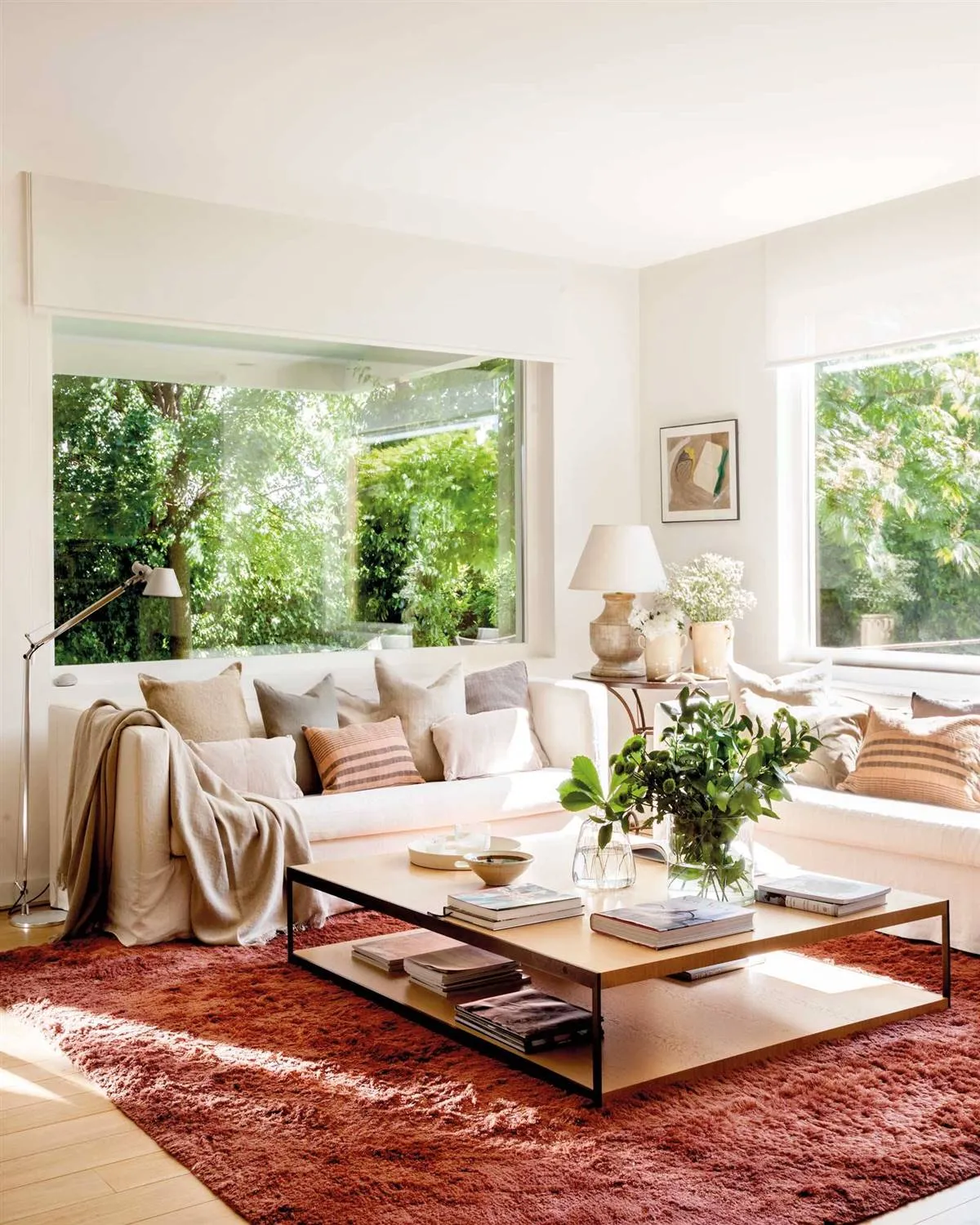
Many people want their home to be open, airy and spacious, but they don't have a large budget for the lot area needed for such a home or they don't want to have a house with many rooms. A good solution to this problem, after increasing ceiling height, is the home's design itself. The size of rooms, floor plan, building materials used and even color scheme can all together influence the feeling of spaciousness in a home.
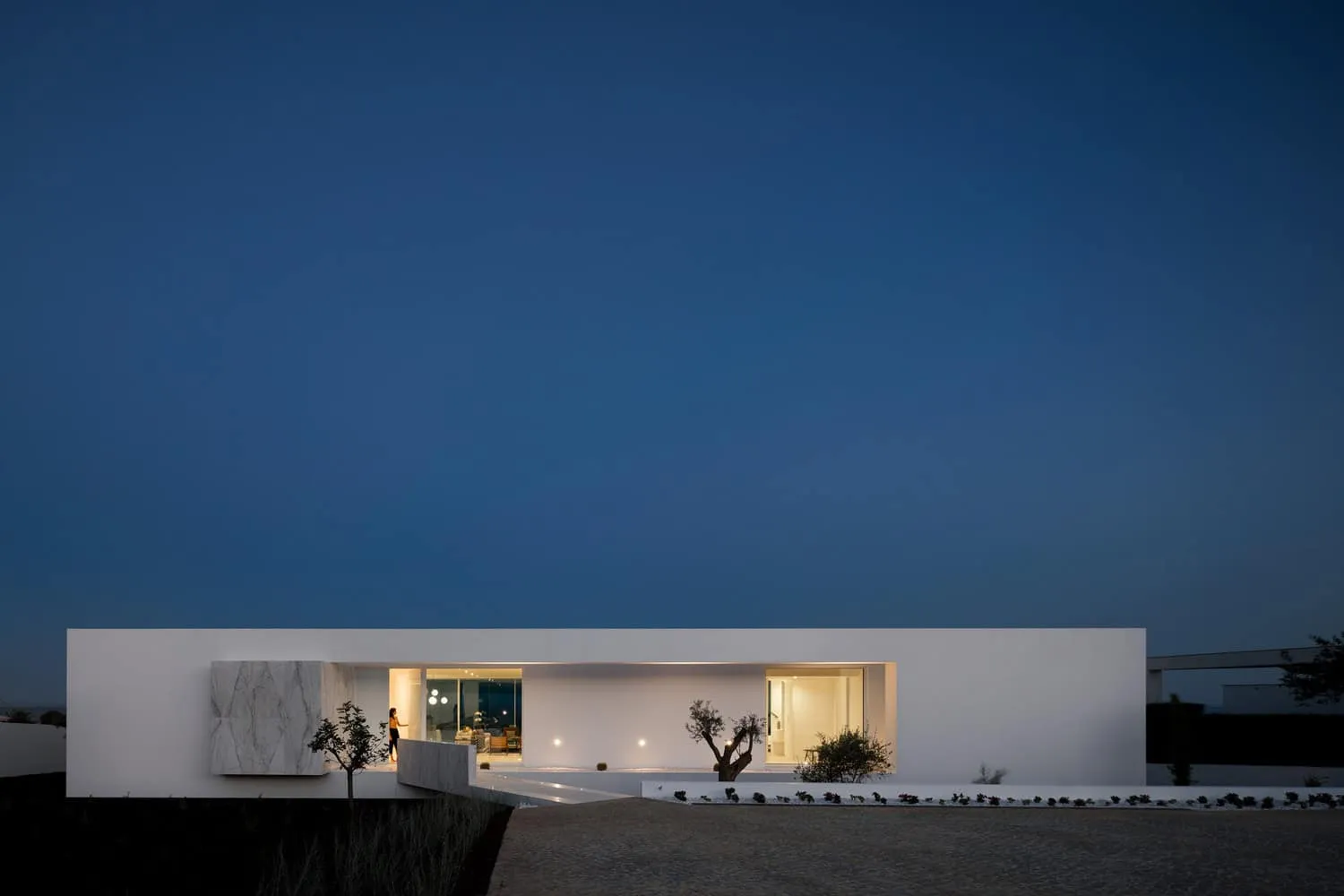
Modern homes with minimalist design focus on creating large open spaces, regardless of how small the house is. You can easily achieve this with smart design. Using hidden storage cabinets to create space, focusing on straight lines and angular designs, as well as using lighting that illuminates large areas instead of small spotlights – all these are ways to make the space feel more spacious.
Ceiling Height
When designing the interior space of a home, one of the most important factors is ceiling height. In older homes you will notice that ceilings are usually 8 feet high, while in newer homes they range between 10 and 12 feet. If you want to get the best of both worlds, set ceiling height at 9 feet.
Low ceilings help create a cozy atmosphere and also reduce the total area of the home, making it much more affordable to build. High ceilings make a house feel more spacious, but this not only increases construction costs; it also raises operating expenses since you are dealing with a larger home. Even just a couple of feet in ceiling height can add significant area to the house, meaning more space for heating, cooling, painting, repairs and so on. It is important that even if you have already built a house, you can still change ceiling height. If you have low ceilings, raise them by one or two feet – this will not only improve the appearance and feeling of space but you can easily recoup your money later because it will significantly increase the resale value of your home.
Insulation
Heating and air conditioning are significant expenses for homeowners unless you're lucky enough to live in a year-round comfortable climate. If you want to minimize energy costs in your home, the design approach and materials used are two important factors. To improve this even further, you can consider various options for insulating your home. This should be taken into account before construction begins, because some types of insulation such as floor and wall insulation are close to impossible to do after the house is completed or if the home was not designed with these areas in mind. This can be done but it will cost much more if the house was not designed with this feature.
Many people focus on roof insulation, but in fact walls and floors also contribute the same amount to total area as the roof. Moreover, although the roof attracts heat in summer and releases it in winter, walls and floors also store and lose heat. If you start with a new project, you can even install a central heating and air conditioning system under the floor. This will be less harmful, but the main thing is that it significantly improves efficiency. When choosing insulation you want to choose something that retains natural thermal and cold phenomena from the house, as well as keeps heat and cold you generate artificially inside.
Room Size
If you want your home to be practical and economical, consider keeping each room under 100 square feet. If money is no object or you want to create the dream home you always wanted, then you can choose rooms of any size. Moderately sized rooms will give you more square feet for other parts of the house. Perhaps you want an internal garage area, playroom, study or entertainment zone. With smaller rooms, you can free up space for these things in other parts of the house.
When considering room size, also keep building codes of your region in mind. In most places the structure of a house can only cover a certain percentage of total lot area. When designing rooms you work with covered area, not square footage of the lot. In some cases this may be just a small change in total area you can use, but in others it could be a significant difference. So keep this in mind and plan accordingly.
Outdoor Territory
Older homes usually do not have many outdoor amenities. While they may have a lot of open space around the house, most of it is just a garden or used as driveway and garage. There's a growing trend to have livable outdoor spaces such as patios, open kitchens, game zones and other amenities. When designing your home it will be useful to consider this so you can make appropriate adjustments.
Although it is possible to add a patio or open kitchen later, this will save you a lot of money if you already have the appropriate conditions for these additions. If you don't have enough money now, you can easily renovate the house later once it is designed with room for adding these amenities. Otherwise, you may need to make major changes and even go through a lot of paperwork to get approval for these changes from local authorities or council.
When designing your home, you should also consider the materials used. A small change in materials can completely change the appearance and feelings of a home, but it can also save you money over time. Homeowners don't realize how important good siding is, and even if they build a home quickly and cheaply, poor-quality siding costs them very dearly. If they had started with stronger material, it could have lasted them decades and required no maintenance during that time. These small changes may require a bit more budget upfront, but in the long run it will be a vital investment.