Relocation of a Khrushchyovka: What is Allowed and What is Not
Useful recommendations for changing the layout
The audio version of the article:Khrushchyovkas are multi-apartment buildings constructed in the USSR from the late 1950s to the early 1980s as part of mass housing construction to quickly address the housing crisis. The name of these buildings is linked to Nikita Khrushchev, the leader of the USSR at that time, under whose leadership the project for mass construction of affordable housing was launched. Khrushchyovkas were characterized by modest layouts, compact apartments, and inexpensive building materials.
What Are Khrushchyovkas: History and Features
The main goal of constructing khrushchyovkas was to quickly provide housing for the population. These buildings were intended as a temporary solution, yet many of them remain inhabited and in demand on the real estate market.
Types of Khrushchyovka Buildings:
- Panel Khrushchyovkas — the most common type. They were built from reinforced concrete panels, which significantly accelerated construction. However, such buildings suffer from poor thermal and sound insulation.
- Brick Khrushchyovkas — more warm and durable. Their cost was higher, but these buildings retained heat better and had a longer lifespan.
- Block Khrushchyovkas — a compromise between panel and brick types. Built from large concrete blocks, they have some strength but lag behind brick buildings in thermal insulation.
Types of Apartments in Khrushchyovkas: What You Need to Know
Apartment layouts in khrushchyovkas follow several standard plans, but all of them are characterized by small room sizes. These buildings feature one-room, two-room, and three-room apartments, each with its own features.
Key Features of Apartments:
- Small Kitchens: The average kitchen area is 5–6 square meters, making it inconvenient for families.
- Low Ceilings: Ceiling height usually does not exceed 2.5 meters, visually reducing space.
- Combined Bathroom and Toilet: The bathroom and toilet are often combined, creating additional inconvenience.
- Passage Rooms: In some layouts, one of the rooms is a passage room, reducing privacy.
- No Storage Space: Storage space is extremely limited, as built-in wardrobes or storage rooms are almost absent.
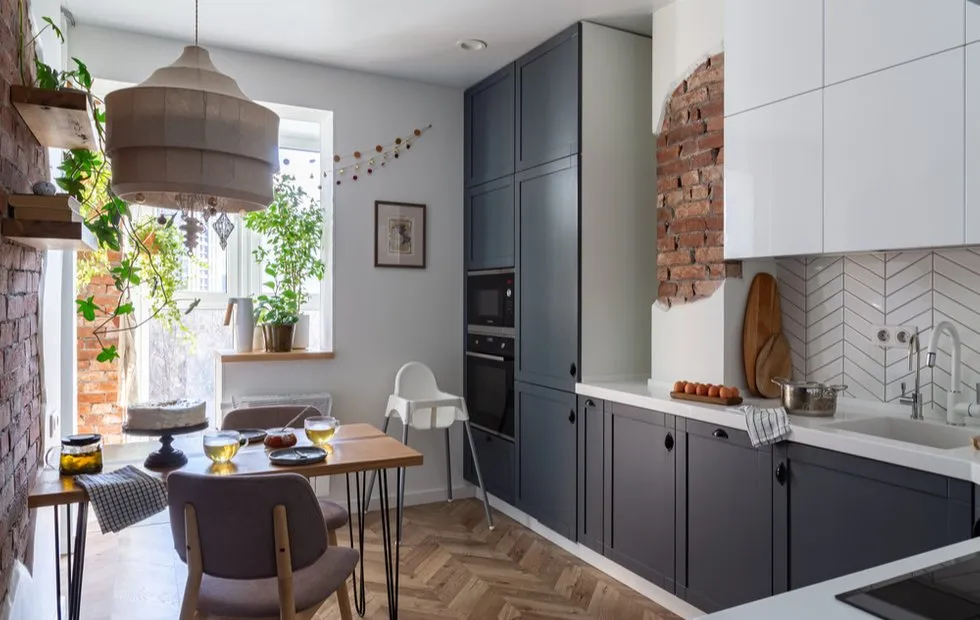
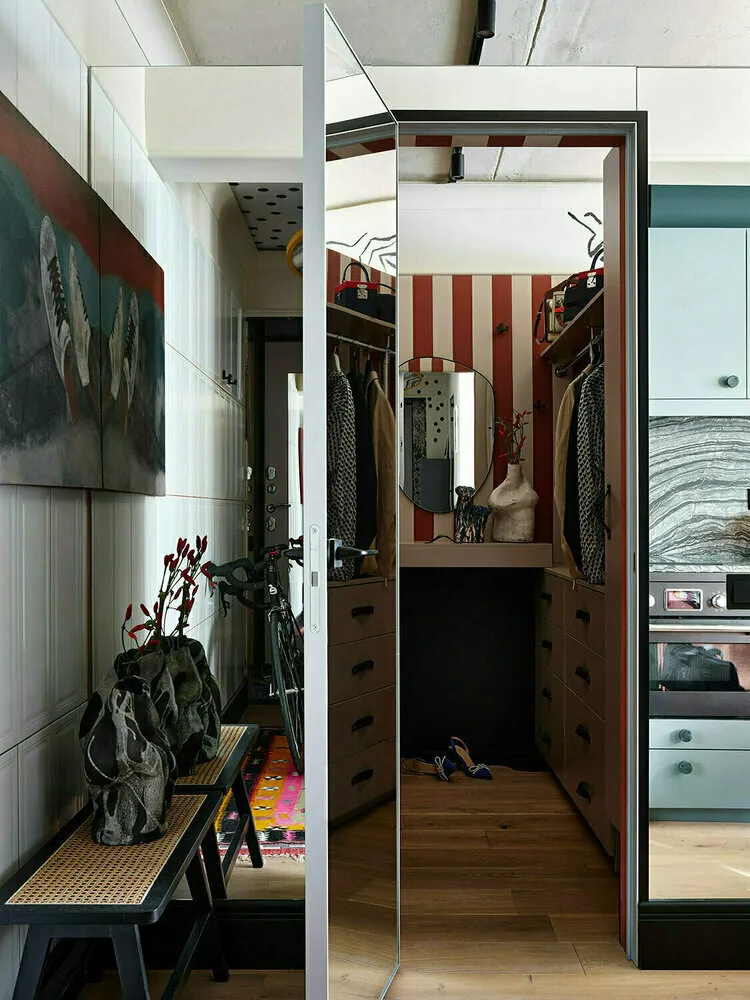 Design: Tatiana Makarova
Pros and Cons of Khrushchyovkas
Despite their obvious drawbacks, khrushchyovkas remain popular due to a number of advantages.
Pros:
- Affordable Price: Apartments in khrushchyovkas cost less than new constructions, making them attractive to buyers with limited budgets.
- Good Location: Many khrushchyovkas are located in central districts or near developed infrastructure.
- Windows on Both Sides: This provides good natural lighting and ventilation.
Cons:
- Limited Space: The main issue is the limited room and kitchen sizes.
- Poor Insulation: In panel buildings, problems with thermal and sound insulation are especially acute.
- Physical Aging: Many khrushchyovkas are over 50 years old and require major repairs.
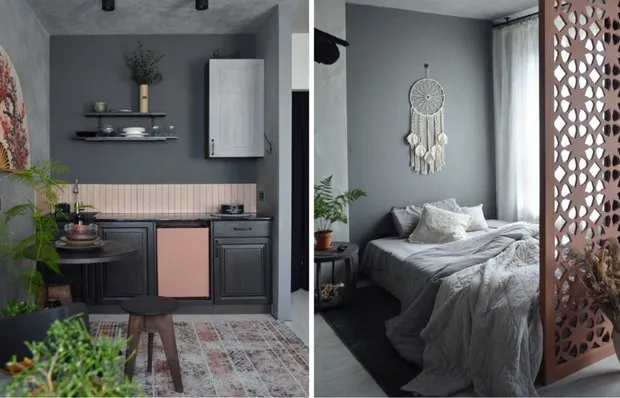
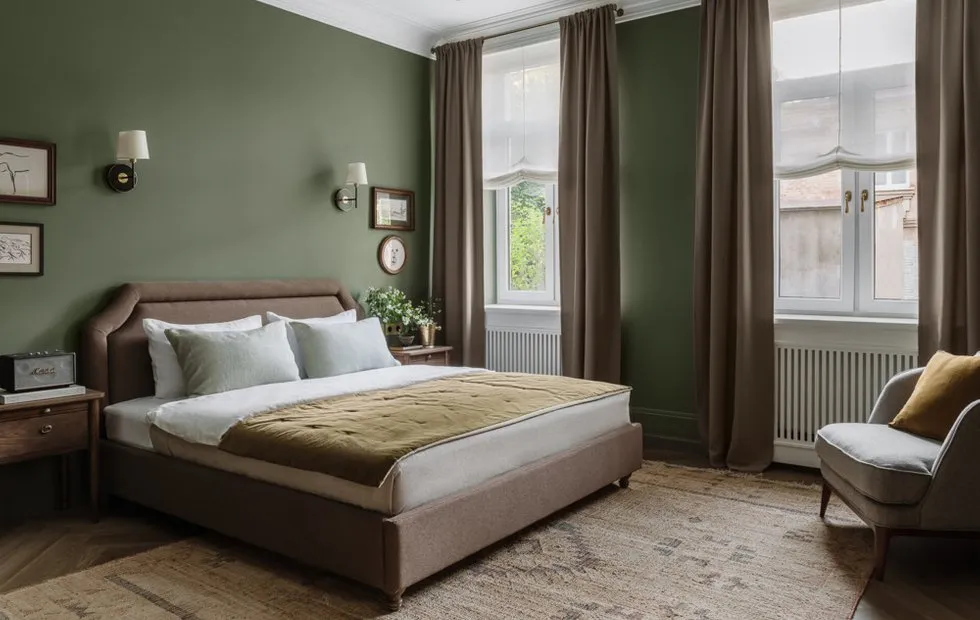
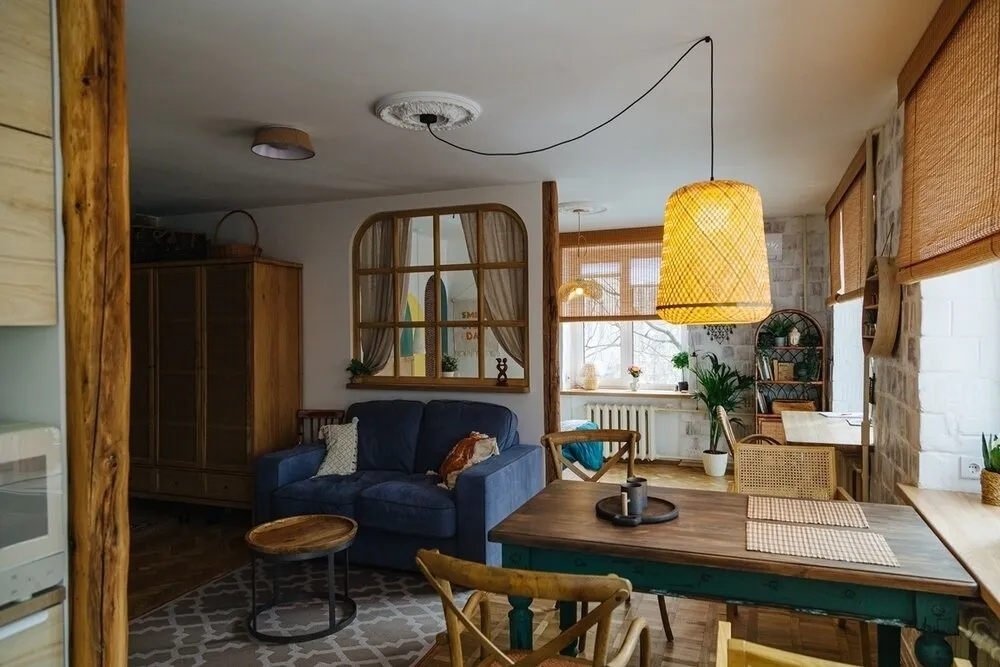 Design: Pavel Foteev
Now that we’ve clarified what khrushchyovkas are, let’s move on to the topic of relocation. Changing the internal layout of an apartment can significantly improve its functionality, but it’s crucial to strictly adhere to legislative norms.
Legal Aspects of Relocation
Relocation is the modification of apartment configuration, which requires mandatory approval from state authorities. In 2024, relocation is regulated by the Russian Housing Code (Chapter 4) and subordinate regulations. The main rule: any changes must be approved by local authorities and should not compromise the building's structure or deteriorate conditions for other residents.
What Is Allowed?
- Merging Rooms (except the Kitchen with Gas). It is permitted to remove non-load-bearing partitions between rooms. For example, one can merge the living room with a corridor, but it is not allowed to remove the wall between a gas stove kitchen and living area.
- Relocating Door Openings. Doors can be moved in non-load-bearing walls, as long as it doesn’t hinder access to other rooms.
- Merging the Bathroom. This is a popular practice that allows more efficient use of space.
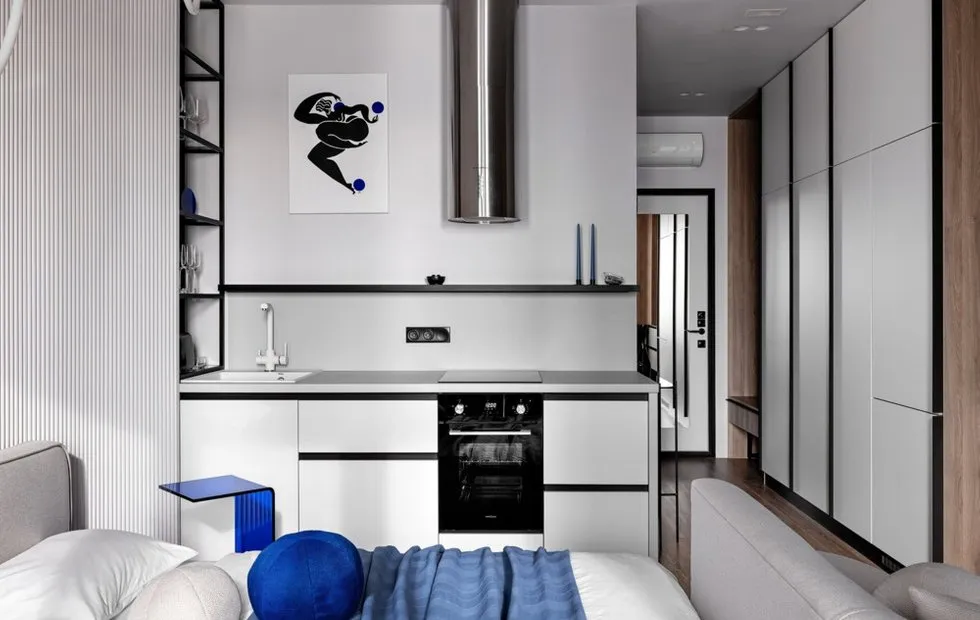
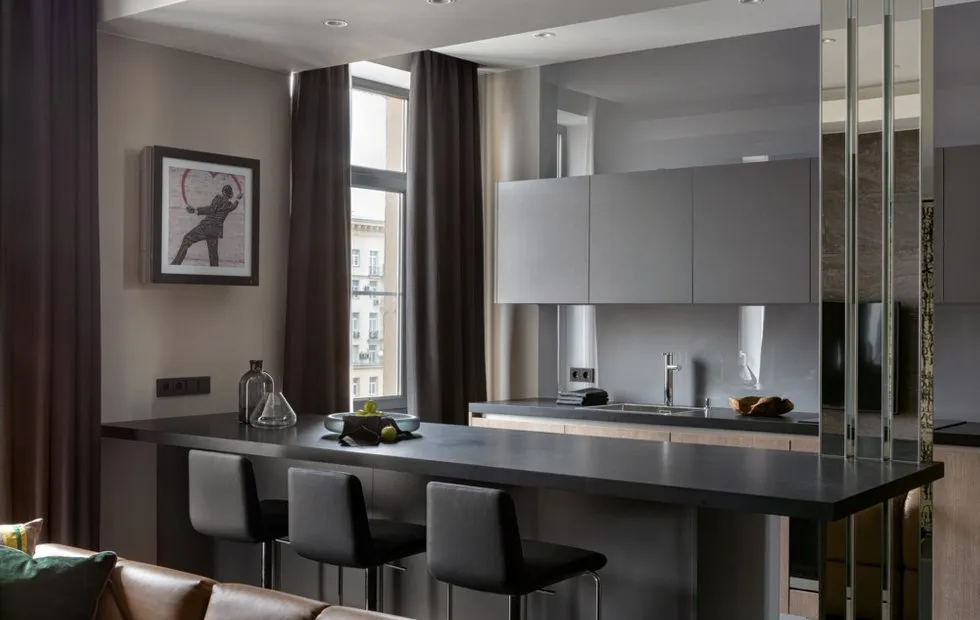
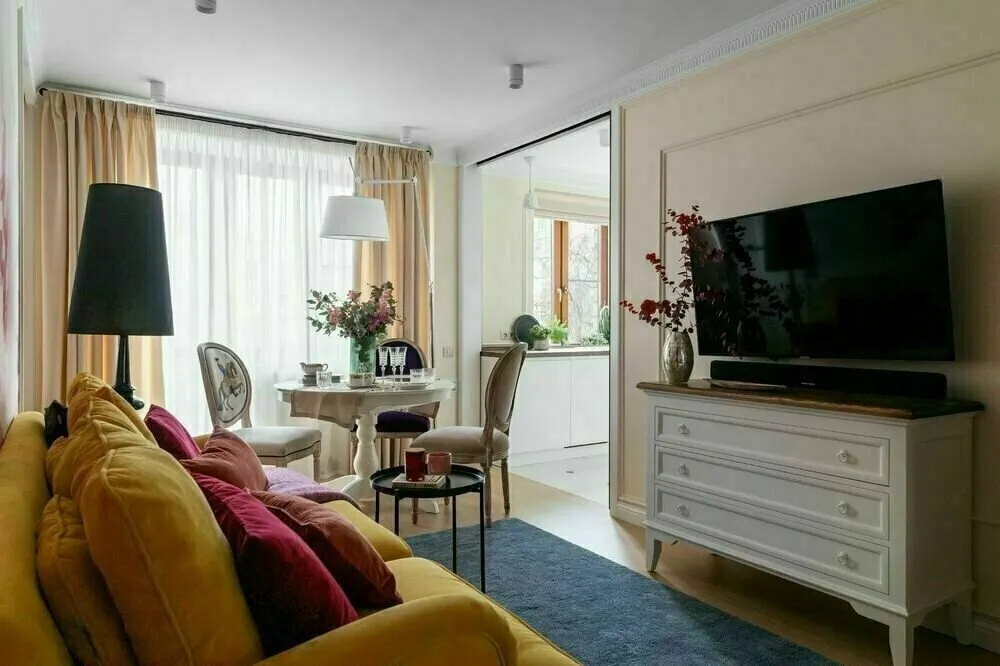 Design: Ekaterina Parshintseva
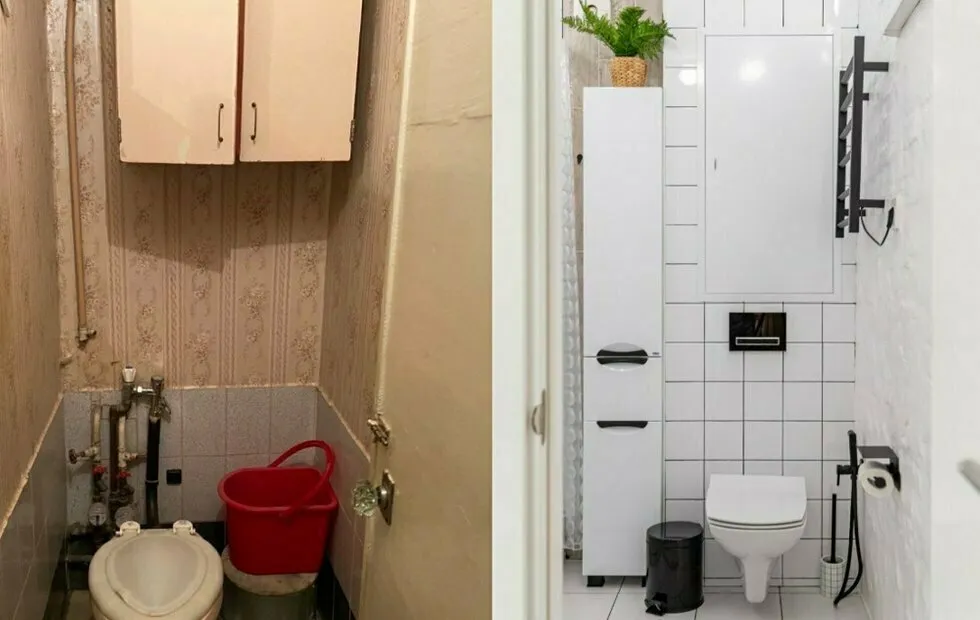 Design: Pavel Foteev
What Is Not Allowed?
- Removing Partitions Between the Kitchen with Gas Stove and Living Rooms. In khrushchyovkas, gas is often used, and for safety reasons, the wall between the kitchen and living area must remain.
- Violating Load-Bearing Structures. Removing or damaging load-bearing walls is strictly prohibited, as it may compromise the building’s integrity.
- Modifying Ventilation and Engineering Systems. It is not allowed to block ventilation channels, stacks, or shafts.
Steps for Approval:
- Technical Conclusion from specialists confirming the safety of changes.
- Relocation Project from architects or engineers.
- Approval with Housing Inspection and local authorities.
Examples of Successful and Unsuccessful Relocations
Successful examples:
- Relocating a Door Opening. Moving a door can improve the layout and make the apartment more convenient, for example, by enlarging the corridor or freeing up space.
- Merging the Bathroom and Toilet. This popular practice allows installing modern plumbing and making the space more spacious.
- Replacing a Gas Stove with an Electric One. This allows merging the kitchen with the living room, especially useful in small apartments.
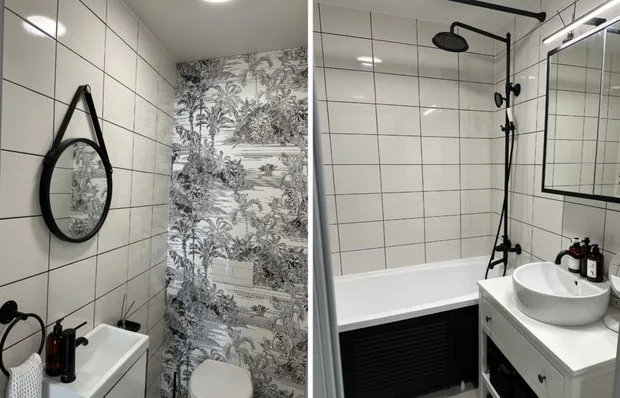
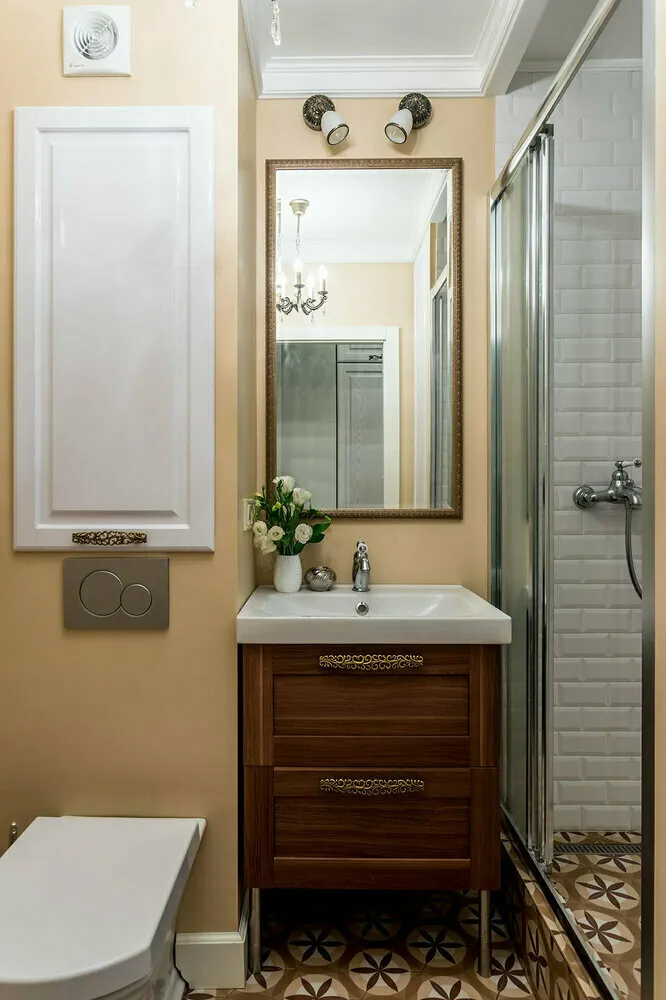 Design: Natalia Sytenkova
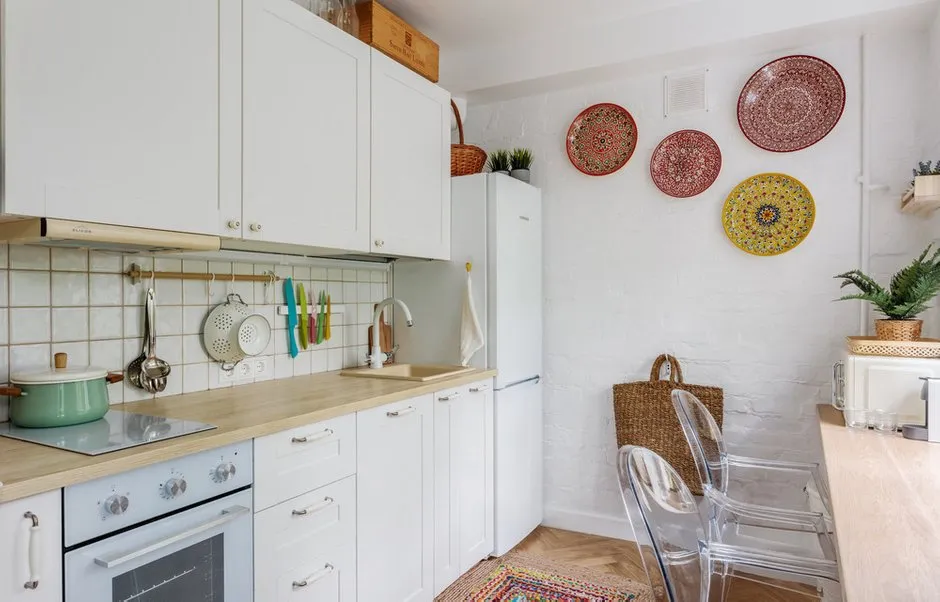 Design: Pavel Foteev
Unsuccessful examples:
- Removing Partitions Between the Kitchen and Living Room in a Gas Apartment. This violates safety norms, resulting in administrative fines and the need to restore the apartment's original state.
- Violating Ventilation Systems. Attempting to close or relocate ventilation channels disrupts the apartment and entire building's ventilation, leading to fines and corrections.
Tips for Coordinating Changes with Residents and Management Companies:
- Consultation with the Management Company. Before starting work, discuss your plans with the management company to avoid violations.
- Notify Neighbors. Inform neighbors of potential inconveniences during the renovation to avoid conflicts.
- Compliance with Legal Procedures. Relocation without approval can result in fines and the need to restore the apartment to its original state.
Relocating a khrushchyovka is an opportunity to improve the space, making it more functional and comfortable. However, it’s important to remember strict legislative norms, especially if the apartment has gas.
Listen to all audio articles via the link.
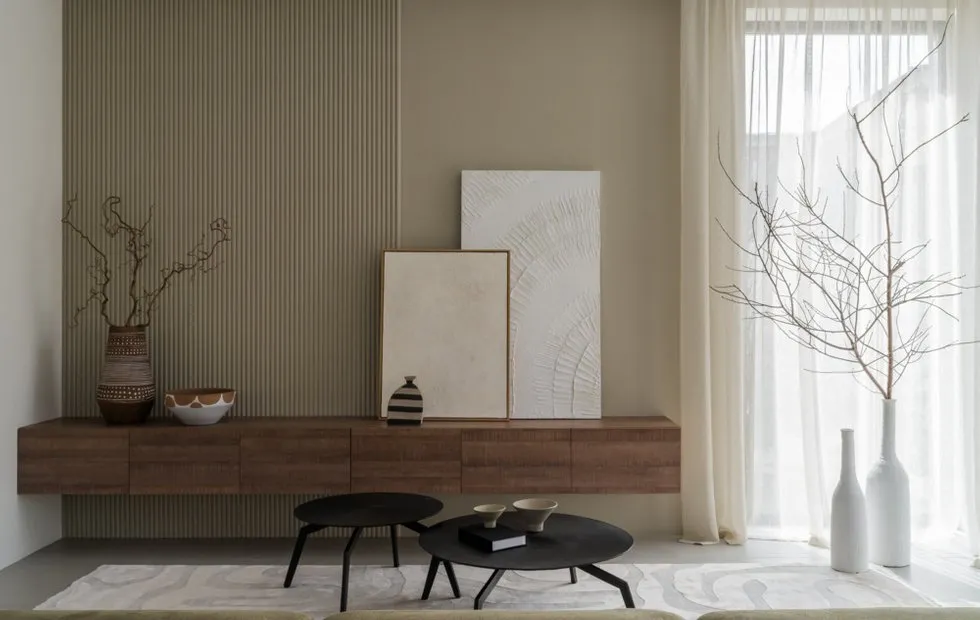
Cover: Design Project by Polina Andreeva