Tips for Building Design with Maintenance in Mind
Building a house or infrastructure is truly a labor-intensive process. It requires a lot of thinking, patience and effort. Of all these factors, the building demands significant financial investment. Therefore, the structure must be built of high quality to require minimal maintenance and serve for a long time.
But the question arises: is this really possible? Yes, absolutely! To help you see the possibilities, we have compiled a list of recommendations for designing buildings for commercial properties that will not only make them pleasant, but also ease their maintenance.
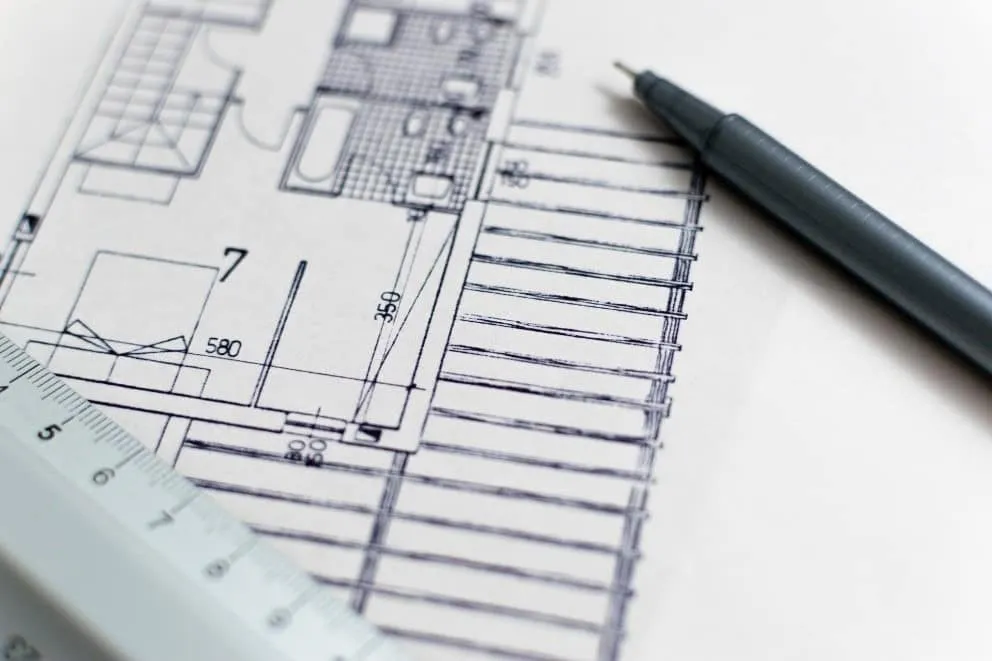
What Exactly Does Building Maintenance Mean?
Before moving on to ideas for designing buildings with maintenance in mind, it's important to understand what technical maintenance means in architecture. Maintenance is simply a way of preserving the condition, state or circumstances of upkeep as the name suggests.
Maintenance is extremely important in the field of architecture. No matter how much money you invest in a building, it will require regular care to maintain its beauty and functionality so that tenants can live with good quality of life. This allows us to conclude that no building can be built without maintenance. However, the question is how much effort, restoration and money will be required.
Depending on the building structure, there are various types of maintenance requirements. Below are some of them:
Preventive Maintenance
Preventive maintenance is a method of managing assets aimed at forecasting and preventing serious equipment failures before they occur.
Planned Maintenance
Planned maintenance is a method of managing infrastructure that ensures proper functioning of buildings and systems, preserves building value and complies with legal requirements. During the construction operation period, this type of maintenance ensures maximum value for building assets.
Preventive Maintenance
Preventive maintenance focuses on identifying possible causes of equipment or material failures and solving these issues before they become a problem through operations, testing, inspections and protocols to prevent future technical shortcomings.
Corrective Maintenance
Corrective maintenance includes actions to eliminate and restore any system failures, helping return systems that have failed to normal operation.
Regular Maintenance
Regular maintenance refers to any repair or technical service work performed on a scheduled basis depending on client preferences, which can occur several times.
Unplanned Maintenance
This is, without doubt, the least desirable maintenance. When there is no clear plan to solve a problem before it occurs, such maintenance becomes necessary. Unplanned maintenance is often the result of unexpected equipment failure.
Now let's look at several tips that can be used to ensure good building design from a maintenance perspective.
Tips for Maintaining Building Design
Maintaining building design may require effort after construction is complete. However, many elements can be preserved later if we take measures from the beginning. Below are several maintenance tips to consider from the start of construction.
Choose Experienced Professionals
When designing a building, the first step is to choose a qualified architect who can create the best plan for you based on your needs and preferences. These professional architects will help in initial development of an appropriate plan, taking into account market prices, rental levels, operating costs and so on. This will enable investors to evaluate future maintenance costs.
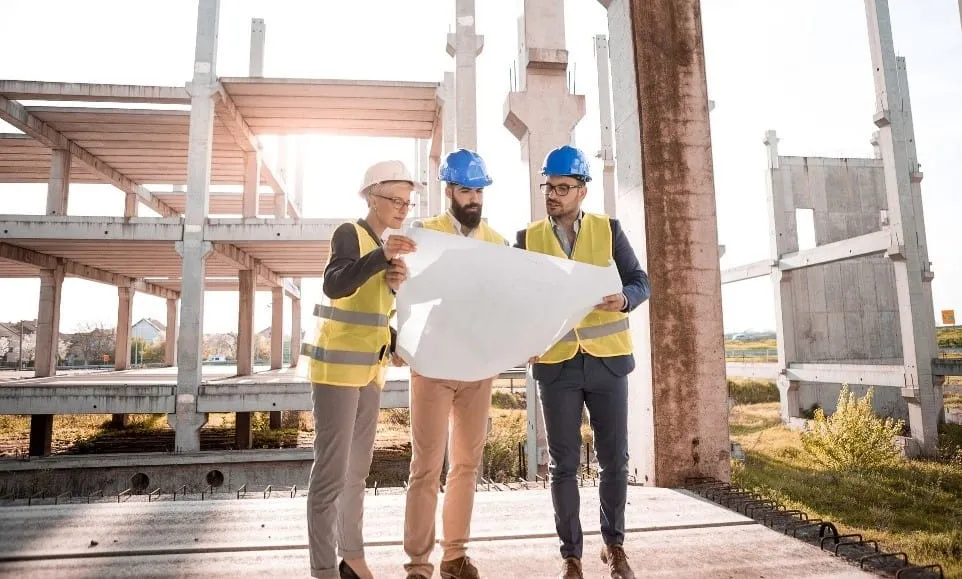
Everything Starts with Future Planning
Besides a qualified architect, you will need a reliable building plan that will be useful in the future when construction begins. These plans should include a full long-term cost analysis, including building maintainability.
However, to evaluate these aspects, it is necessary to involve a team of qualified specialists who will work on the project so that it is completed on time, within the specified budget and meeting all its functional requirements.
It is also important to emphasize that when creating these projects, cooperation between investors and project manager is essential so they are informed of all costs incurred during the process for better cost transparency.
Choose the Right Materials
Selecting high-quality materials for the construction process is a significant investment. The selected materials should be easy to maintain, visually appealing, durable and strong. Specific requirements for material selection must be met for a suitable building.
This includes choosing materials that should not be cheap if you aim for long-term investment. They may cost less initially but later will require greater repair costs. Always choose high-performance products from local suppliers to save on transportation.
Consider Weather Conditions
If inappropriate materials are not used, climate directly affects construction. Therefore, when creating a structure and preserving it over time, weather conditions must be taken into account during material selection. This can include heat that may cause wall cracking due to thermal expansion. In this case, the best solution would be to use U-channel insulation.
On the other hand, moisture from rain can promote mold growth or insect infestation. In this case, a good drainage system should be installed to minimize moisture, frost or roof damage caused by water problems.
Be Practical When Designing the Building
It's important to be practical when designing a building, considering possible future difficulties. The building should be constructed so that any failures can quickly be fixed without damaging the structure, thus ensuring its durability in the future. This could be a ventilation deficiency or minor electrical problems.