Shanghai Zi Fu Hui by LDH Architectural Design in China
A Restaurant Where Architecture Becomes an Experience
At the heart of Shanghai Plaza, designer Lü Dehua presented Zi Fu Hui as more than just a restaurant — it's an . Applying his signature philosophy of architectural thinking, Lü combines materials, light, and form to create a space where food becomes a ritual and the environment becomes narrative.
In a city known as the crossroads of East and West, Zi Fu Hui embodies Shanghai's role as a cultural trend. Here, international aesthetics blend with Eastern poetry to create an atmosphere that is simultaneously modern and deeply rooted in tradition.
The Meaning of Zi Fu Hui
The restaurant's name reflects its multifaceted identity. 'Zi' comes from the owner Zhou Zi Yang, also known as 'Gentleman Chef'. 'Fu' means blessing, and 'Hui' means wisdom. Together they symbolize fortune, sophistication, and cultural depth. Zi Fu Hui is not just a culinary direction but also a philosophy: the meeting of elegance, traditions, and innovations.
Entrance and First Impression
The arrival at Zi Fu Hui is marked by a ritualistic sequence of entry. A symbolic stable-like post greets guests, reminding of ancient customs of greeting and protection. This gesture slows the pace, inviting visitors to free themselves from urban bustle and prepare for a contemplative experience.
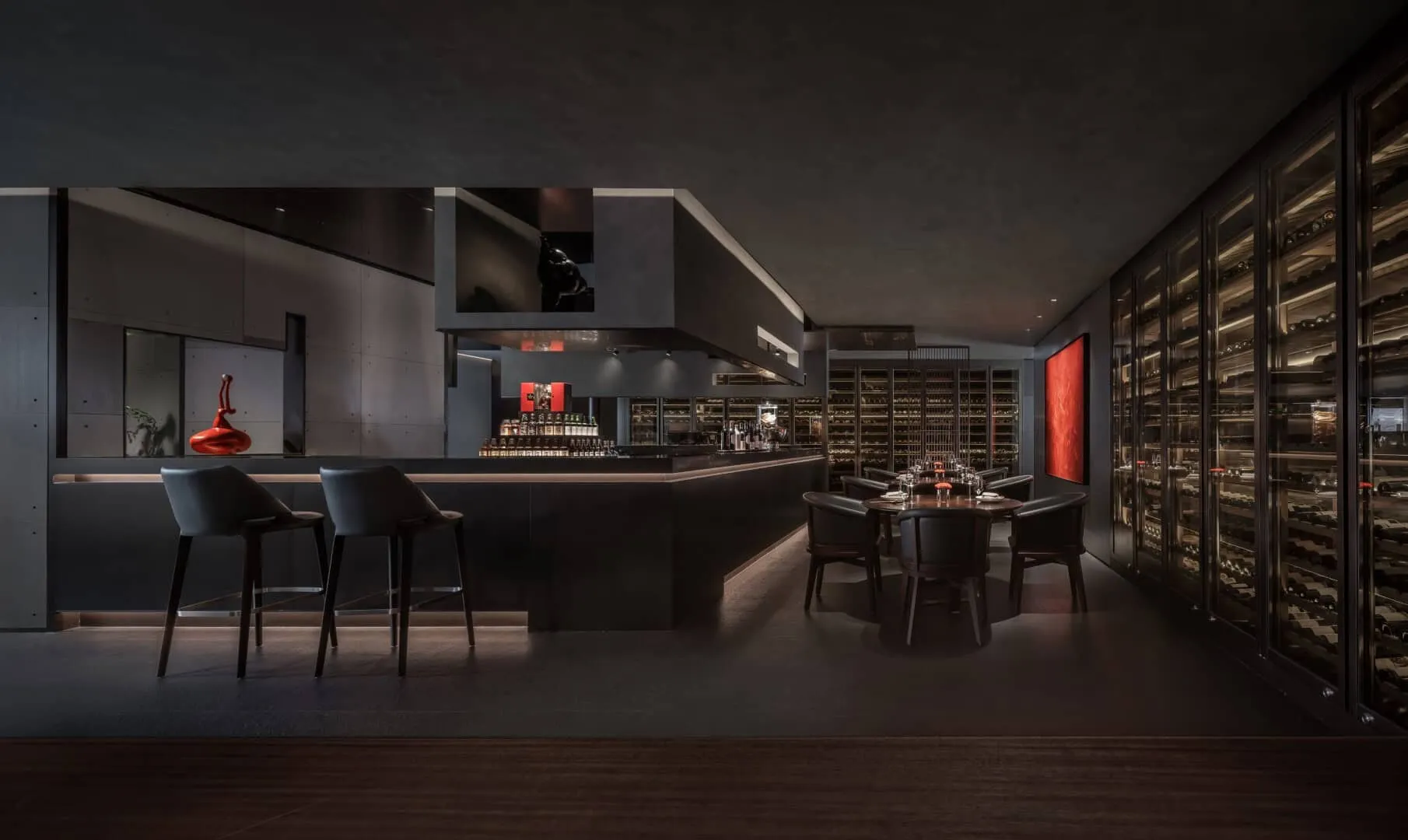
Inside the atmosphere is calm yet powerful, subdued lighting forming shadows and depth. Strong red accents stand out against a generally muted background, adding warmth, contrast, and cultural symbolism, creating dramatic spatial dialogues.
Architectural Thinking in the Interior
Lü Dehua approaches interiors like architecture. Geometric lines intersect throughout the restaurant, connecting spaces with rhythm and clarity. Reinforced concrete, plain cement, and hard materials strengthen the design with masculine force, while moments of elegance—daylight penetration, semi-transparent curtains, and reflective artworks—balance the composition.
"I love what natural light brings", says Lü. His design strategy imitates the effects of daylight in architecture, ensuring that each shift in sunlight redefines the atmosphere and offers guests a constantly evolving spatial experience.
Materiality, Art, and Atmosphere
The use of glass partitions connects the interior with Shanghai's landscape, allowing light and views to weave into the dining process. At night, the building glows like a lantern, its red window frames evoke warmth and memories.
Inside carefully selected art installations—rich reds, sculptural elements, and bold contrasts—fill the restaurant with a sense of mystery. Together with the limited color palette, these works transform Zi Fu Hui into artistic landscape architecture of dining.
Cultural and Spatial Unity
As You Jiuyu said, "Culture is a spiritual value and way of life that has become a habit." Lü Dehua embodies this philosophy in Zi Fu Hui, creating a restaurant that is not just a place to eat but also a cultural expression of modern China.
By combining Cantonese refined cuisine with a spatial narrative, Zi Fu Hui embodies the evolution of Shanghai itself: a place where tradition and innovation, East and West, constancy and transformation coexist in harmony.
Photo © Wang Ting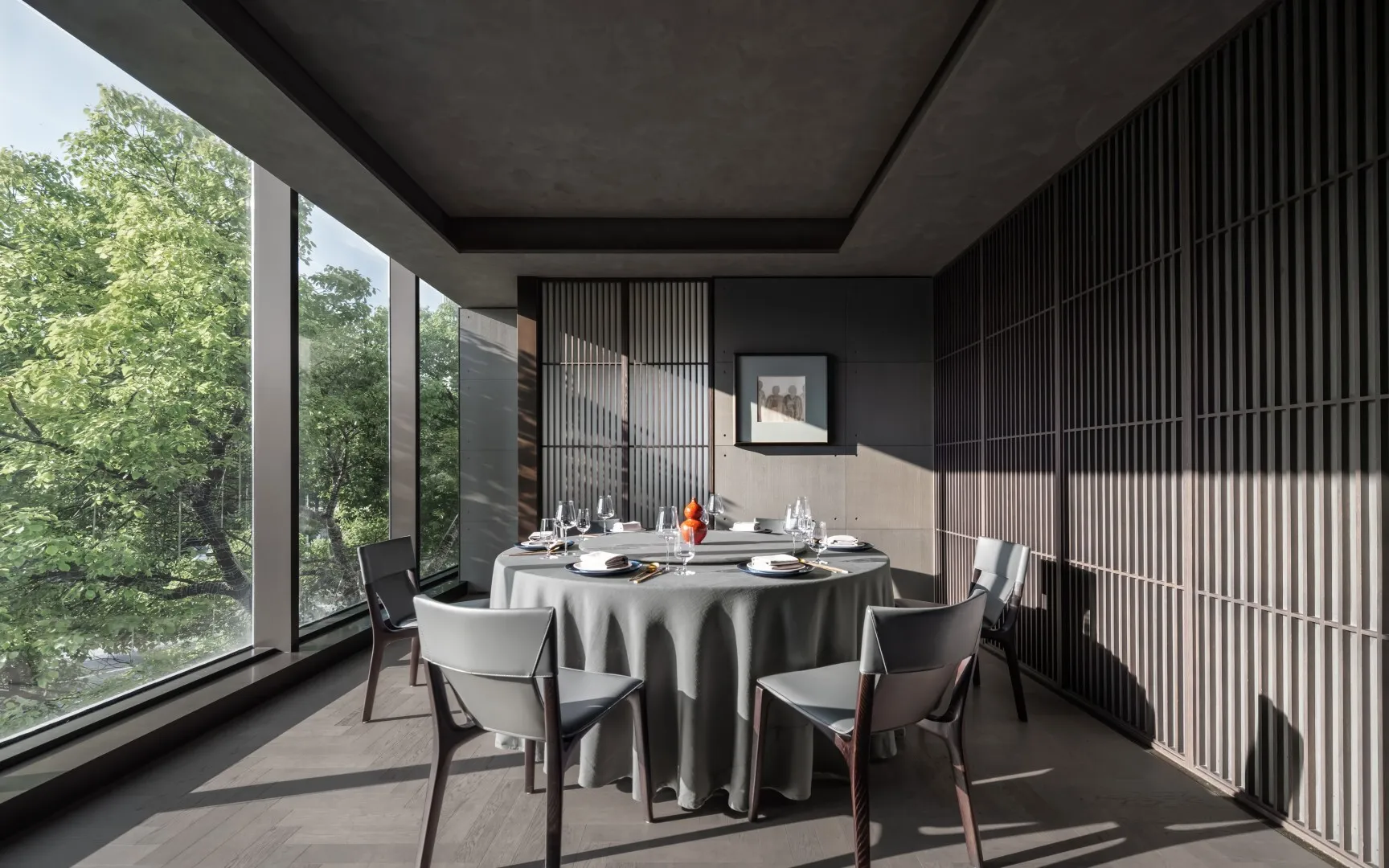 Photo © Wang Ting
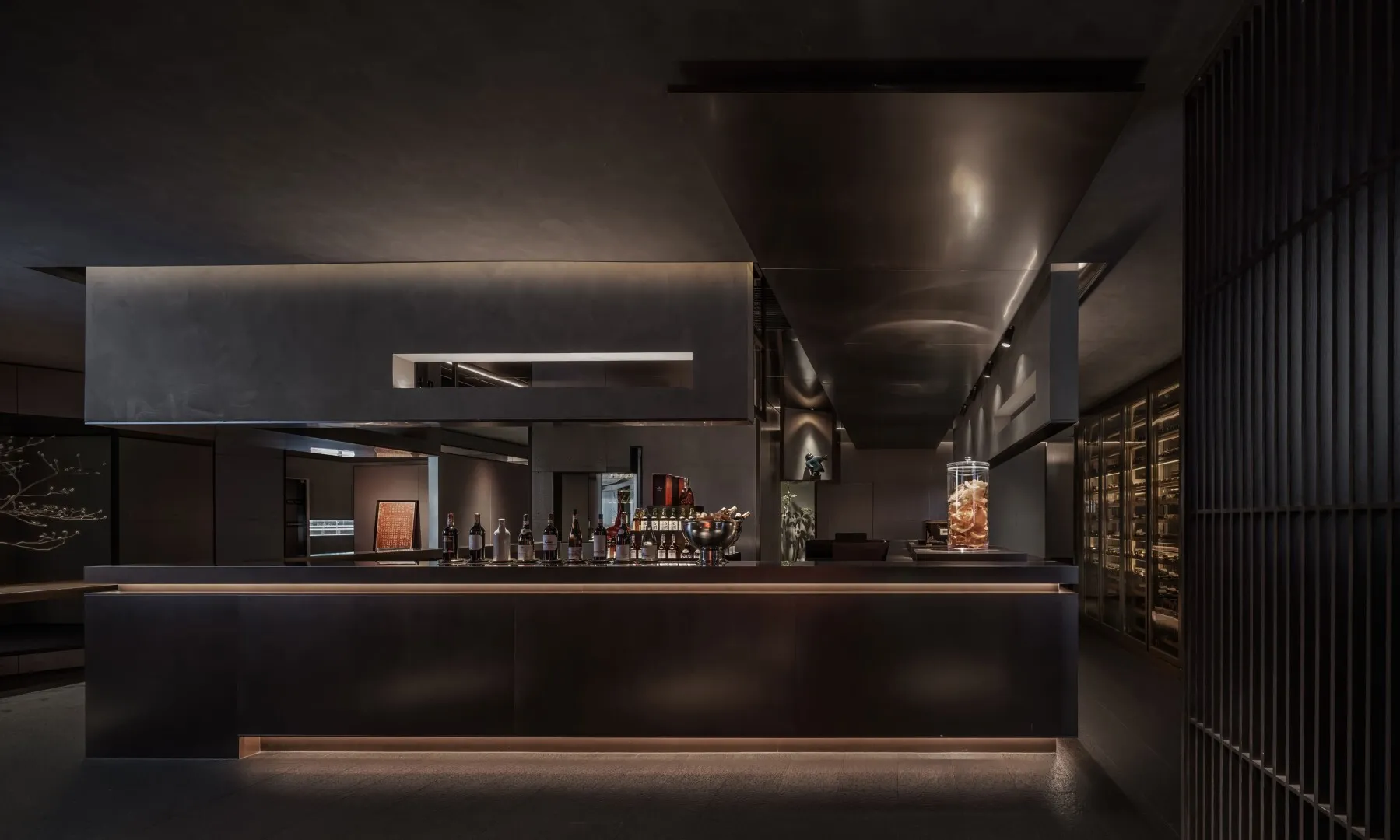 Photo © Wang Ting
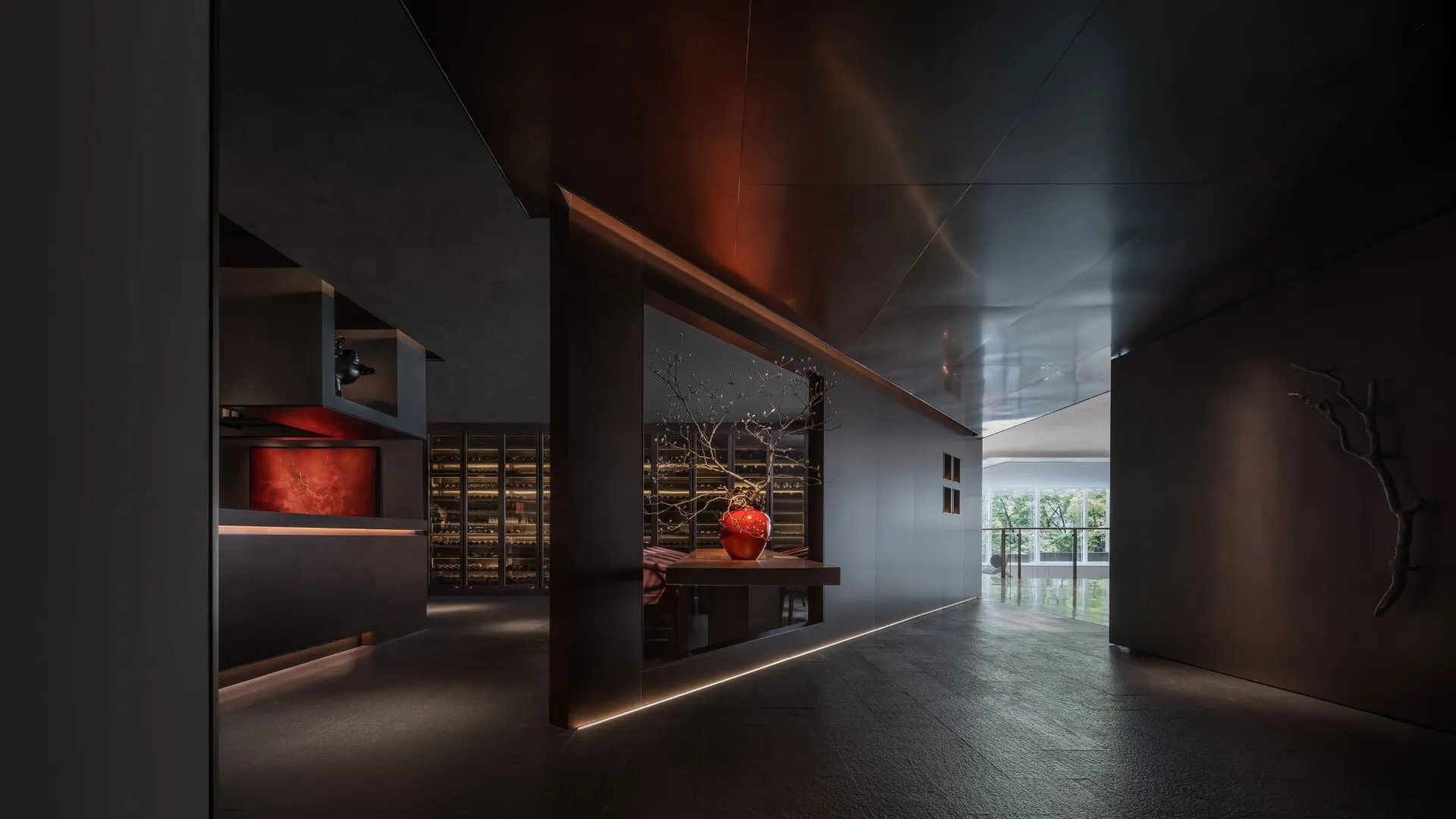 Photo © Wang Ting
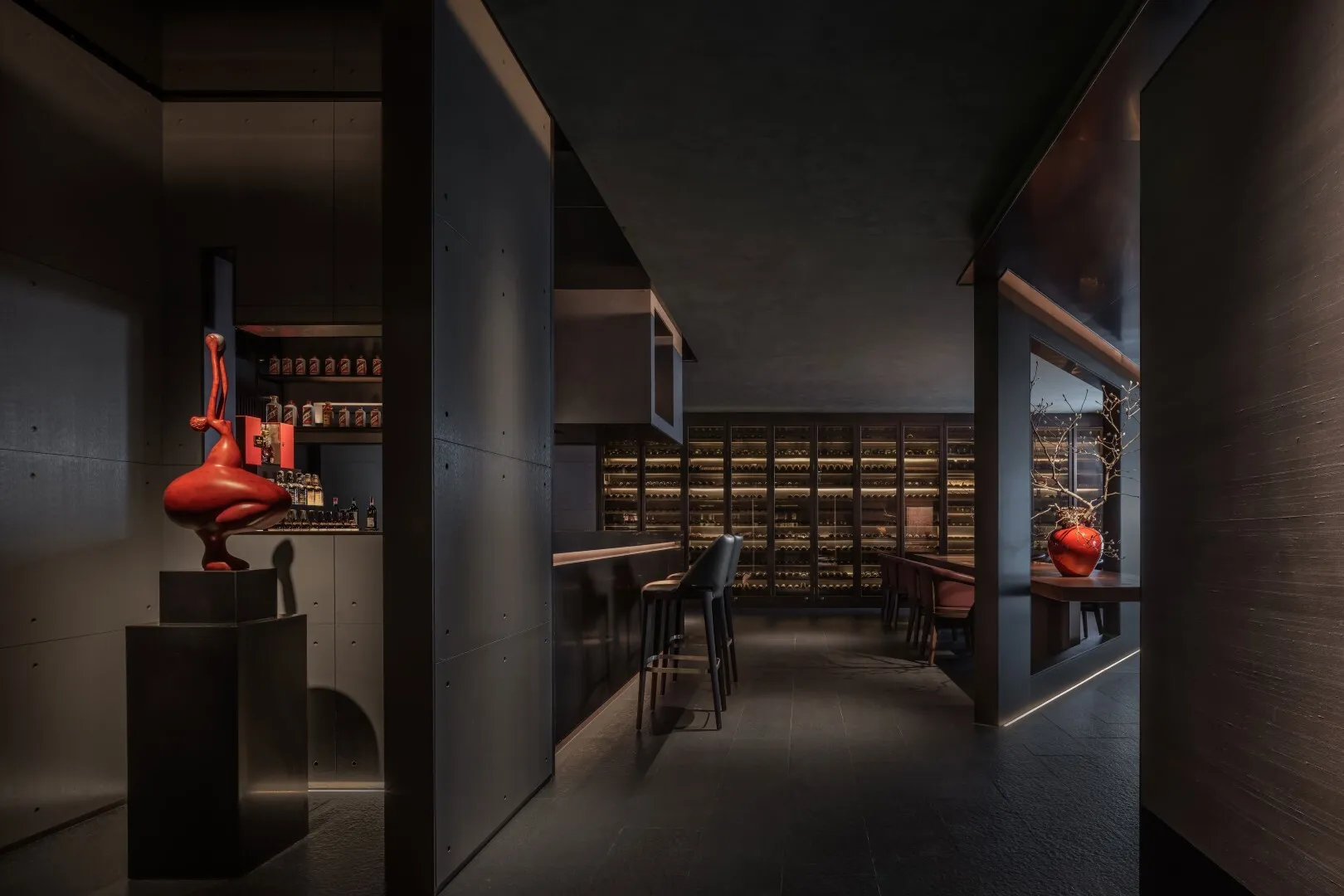 Photo © Wang Ting
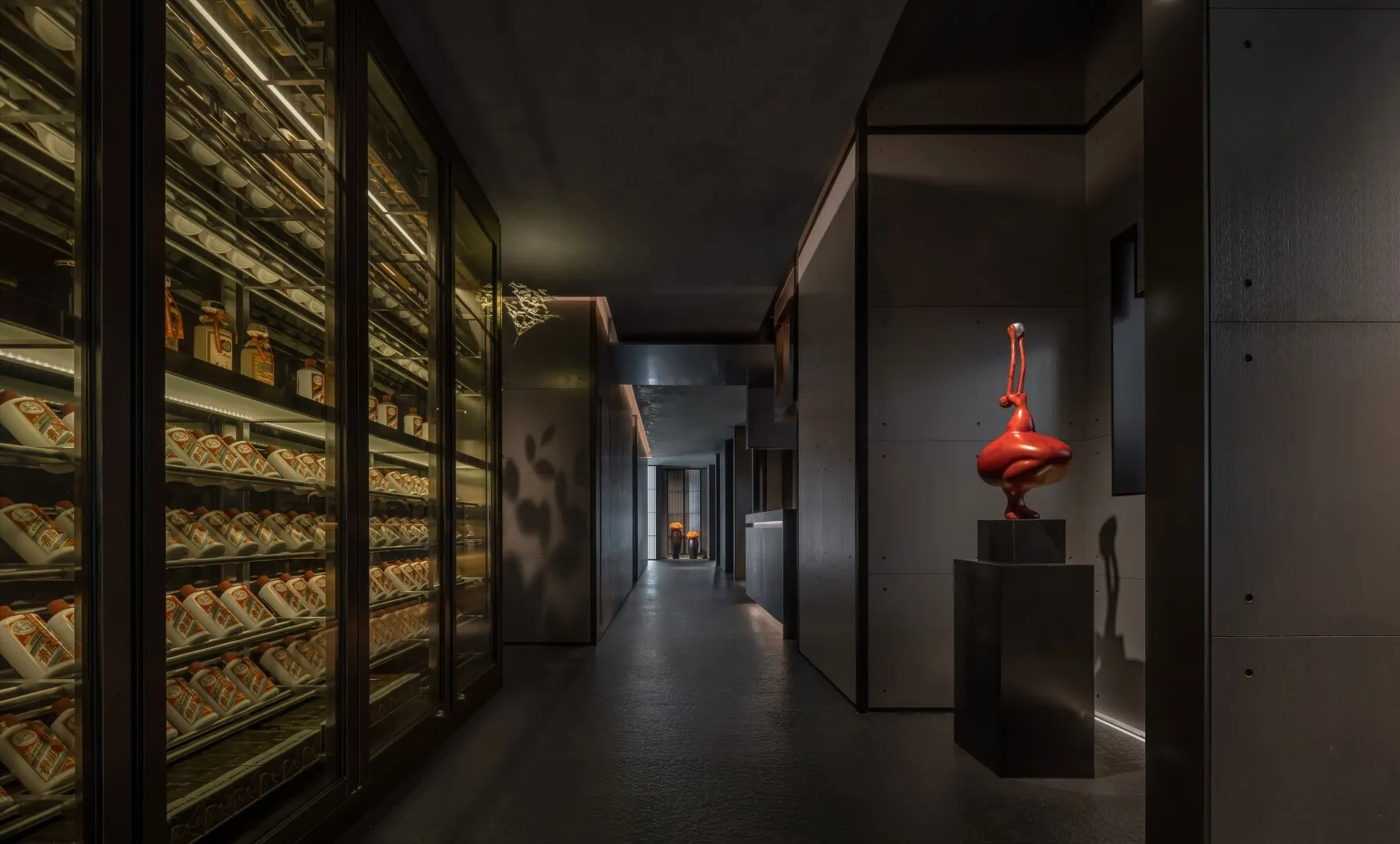 Photo © Wang Ting
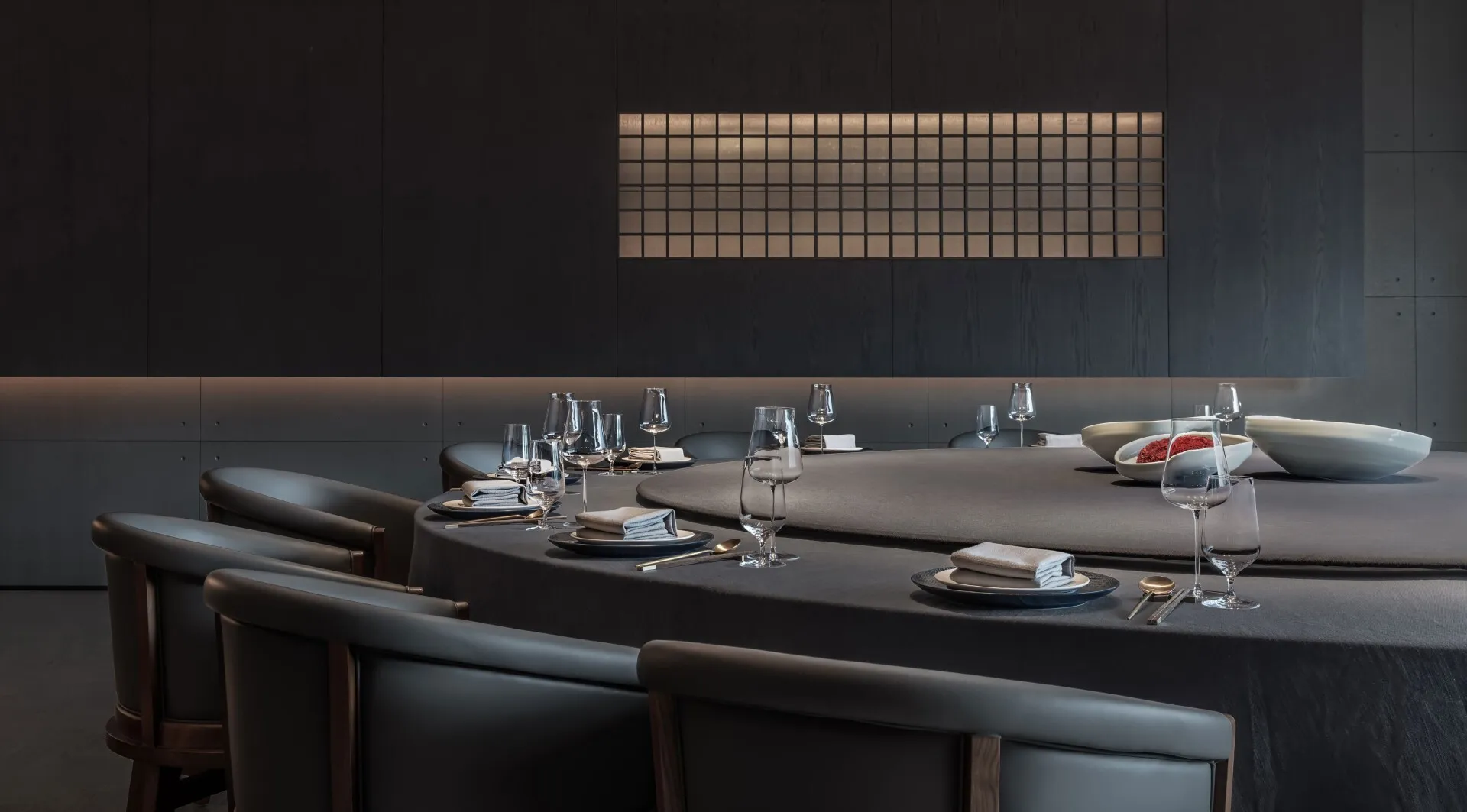 Photo © Wang Ting
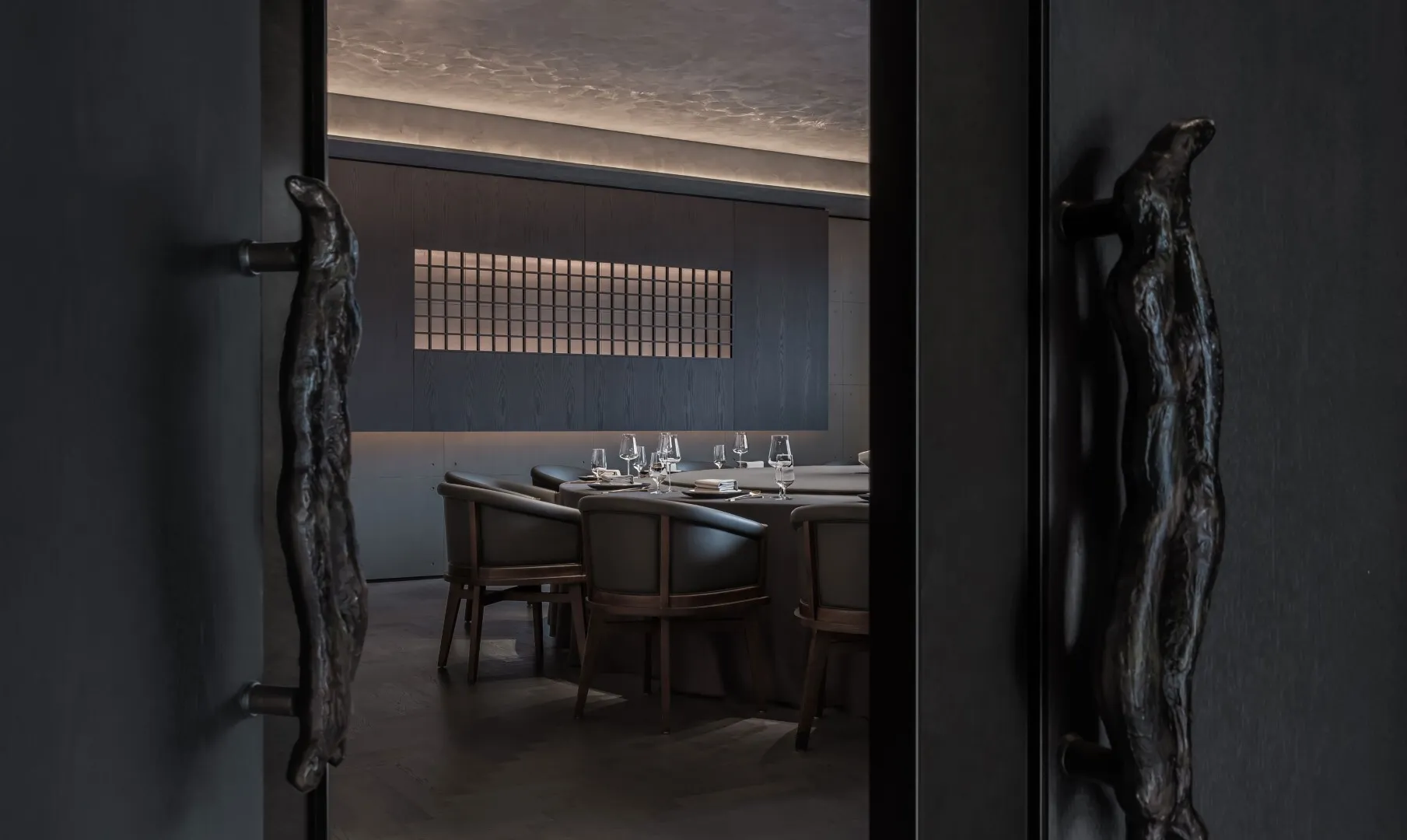 Photo © Wang Ting
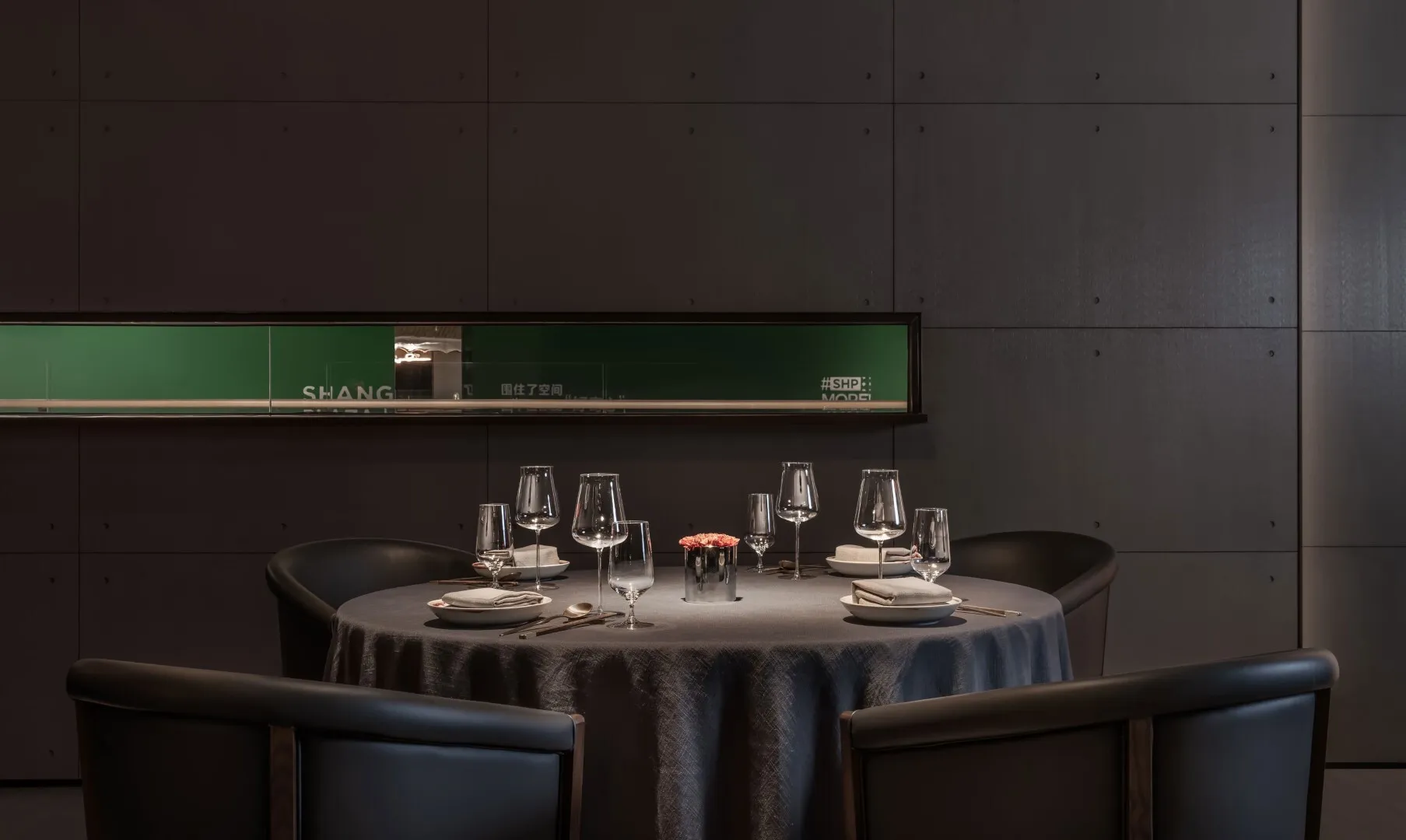 Photo © Wang Ting
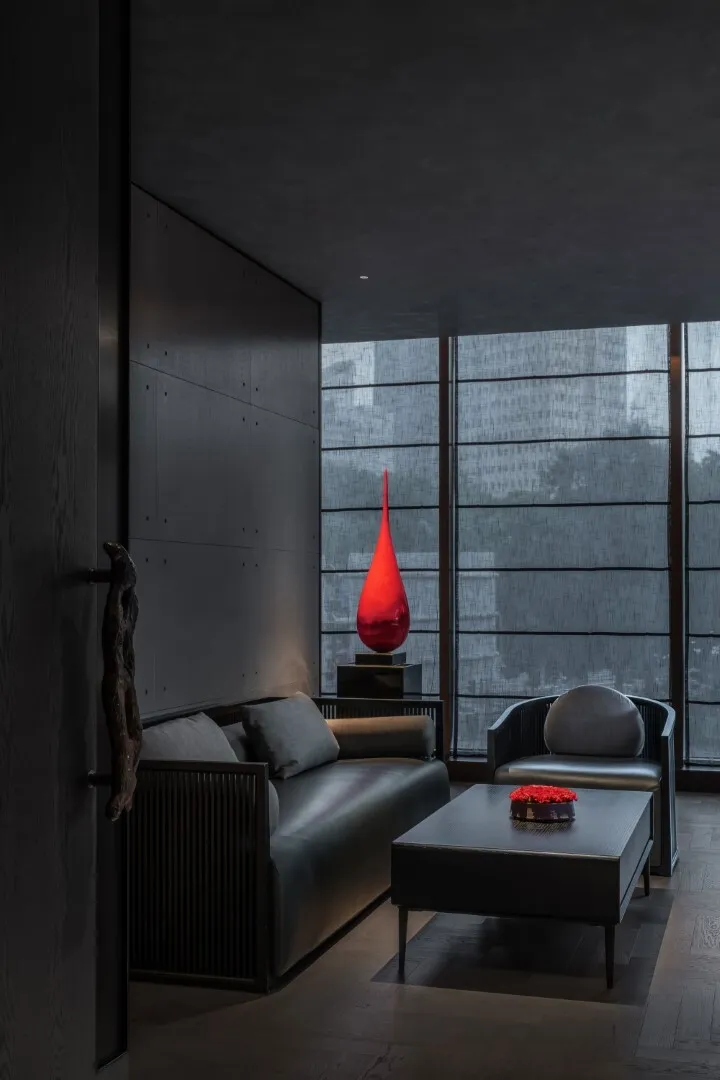 Photo © Wang Ting
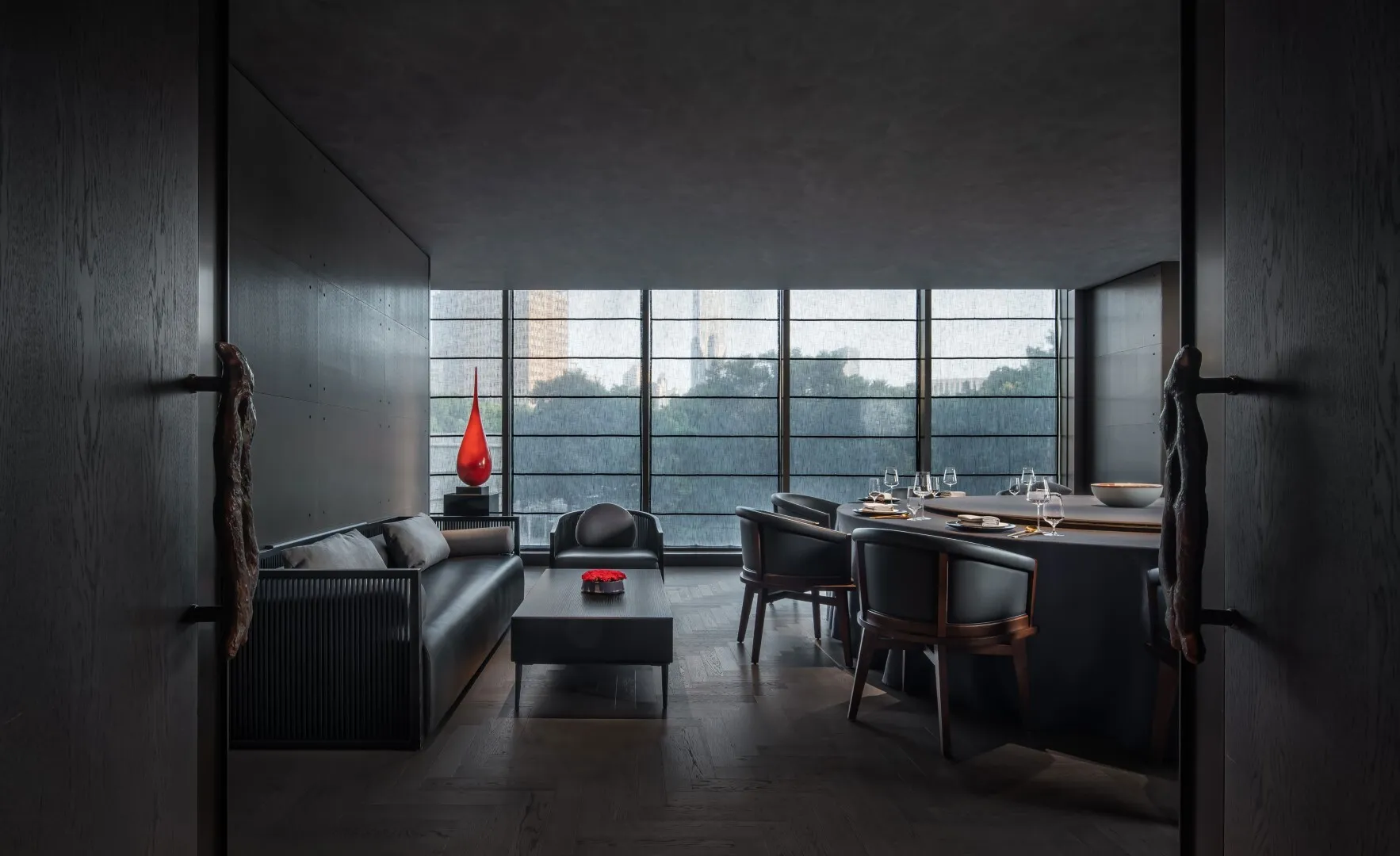 Photo © Wang Ting
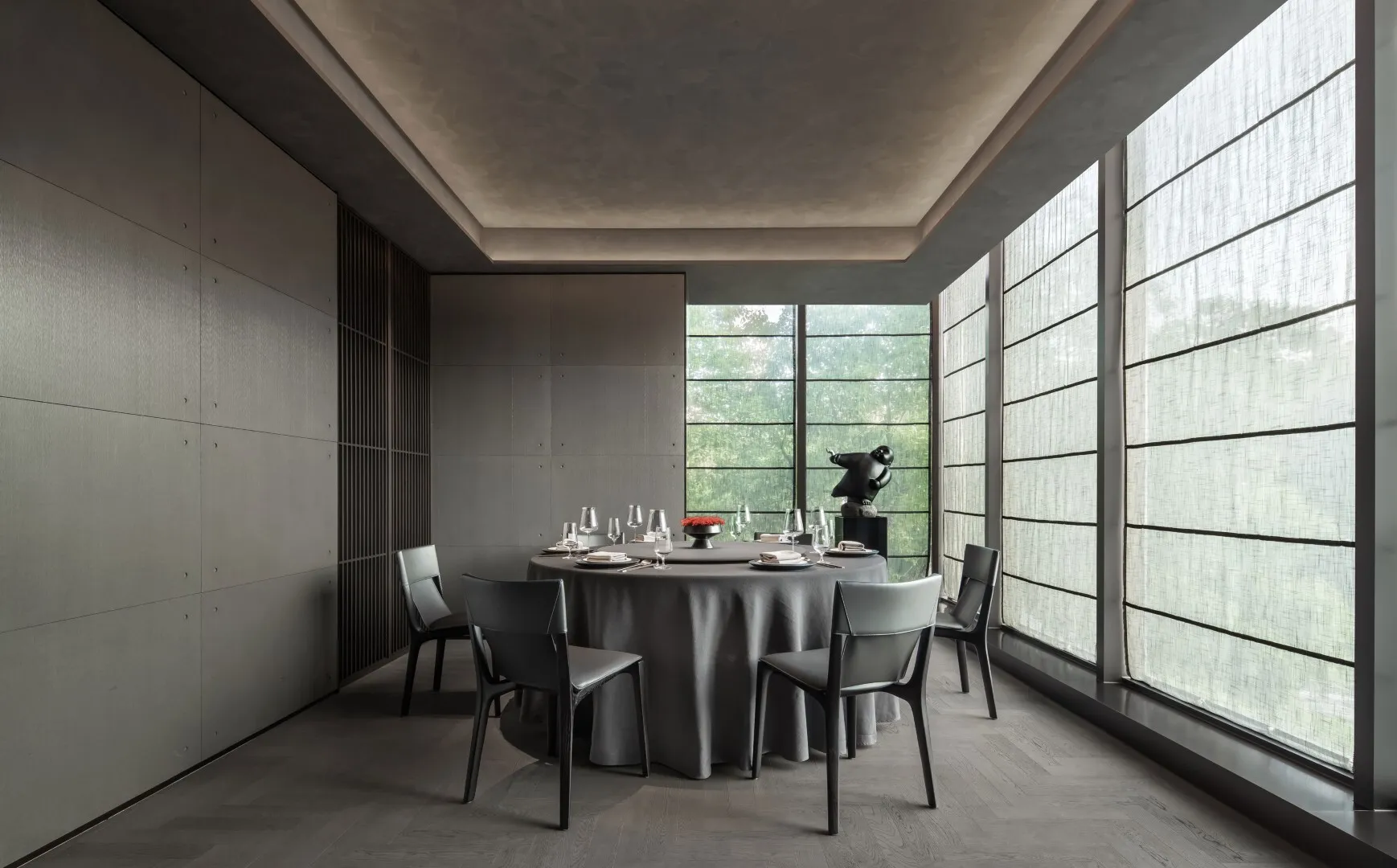 Photo © Wang Ting
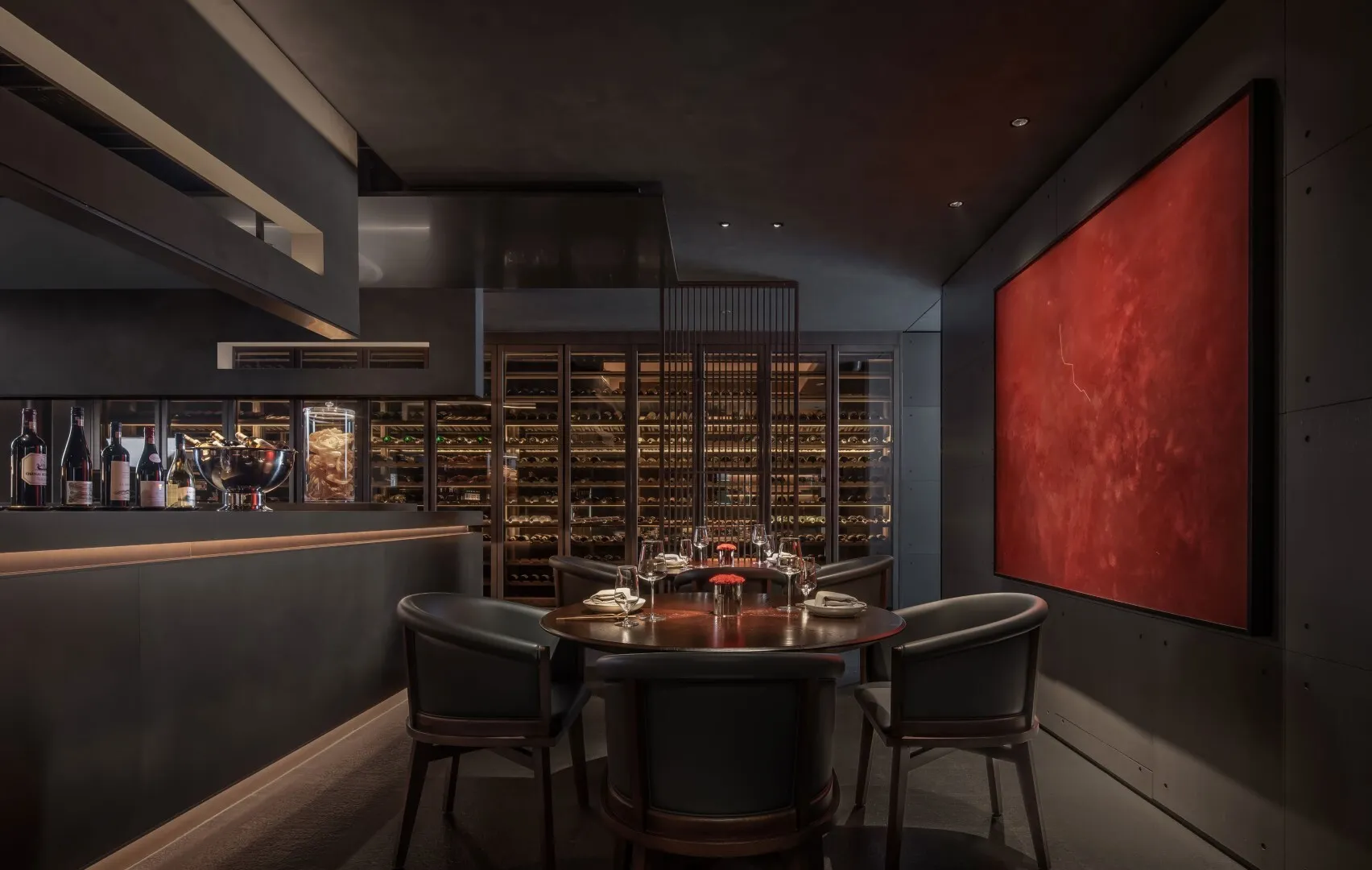 Photo © Wang Ting
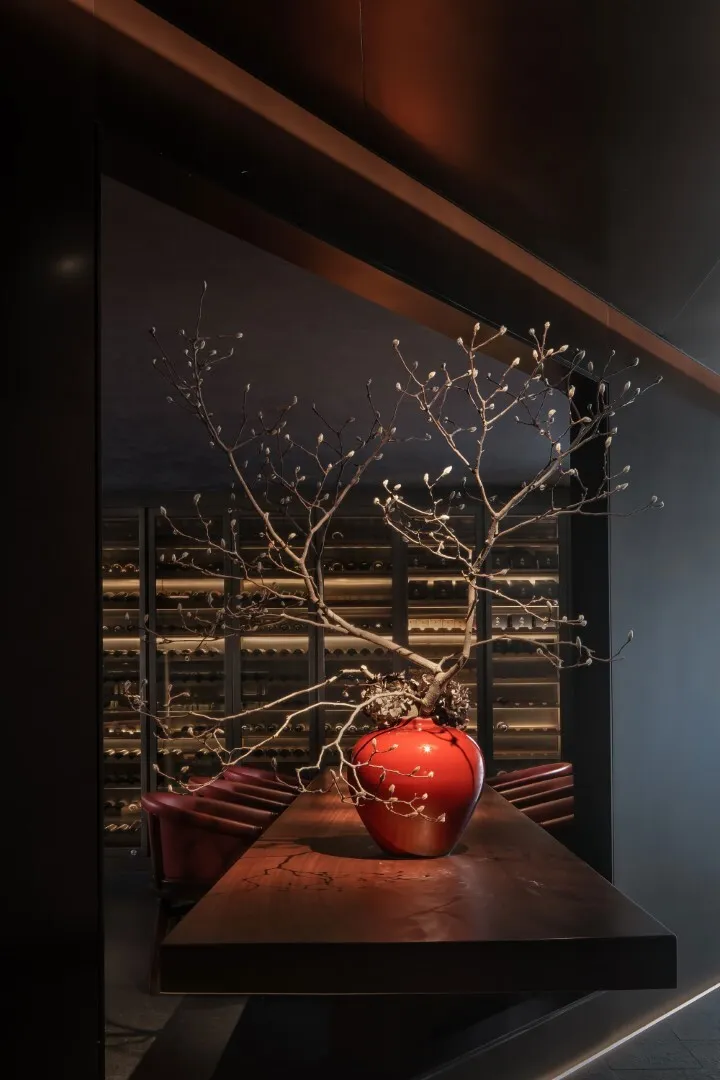 Photo © Wang Ting
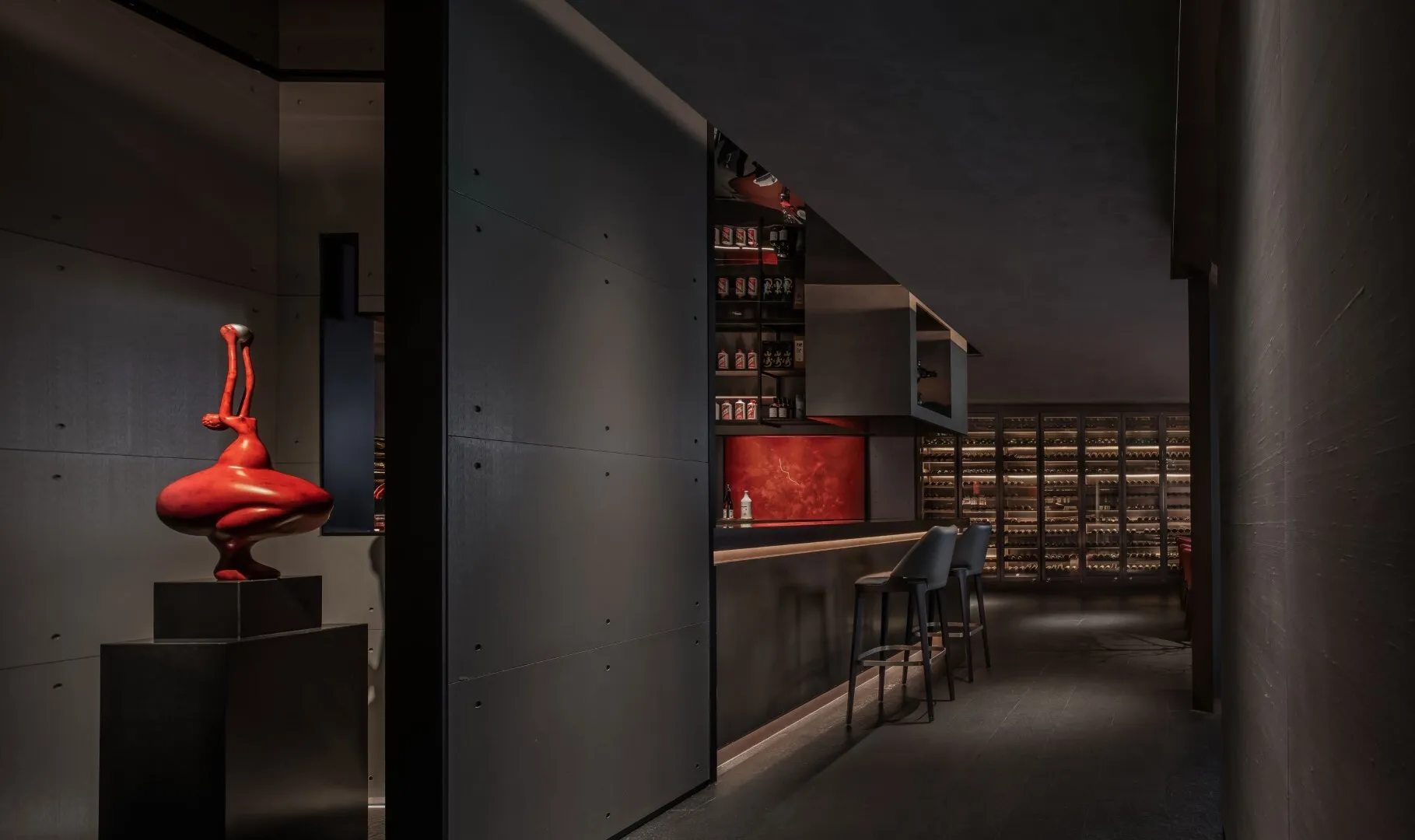 Photo © Wang Ting
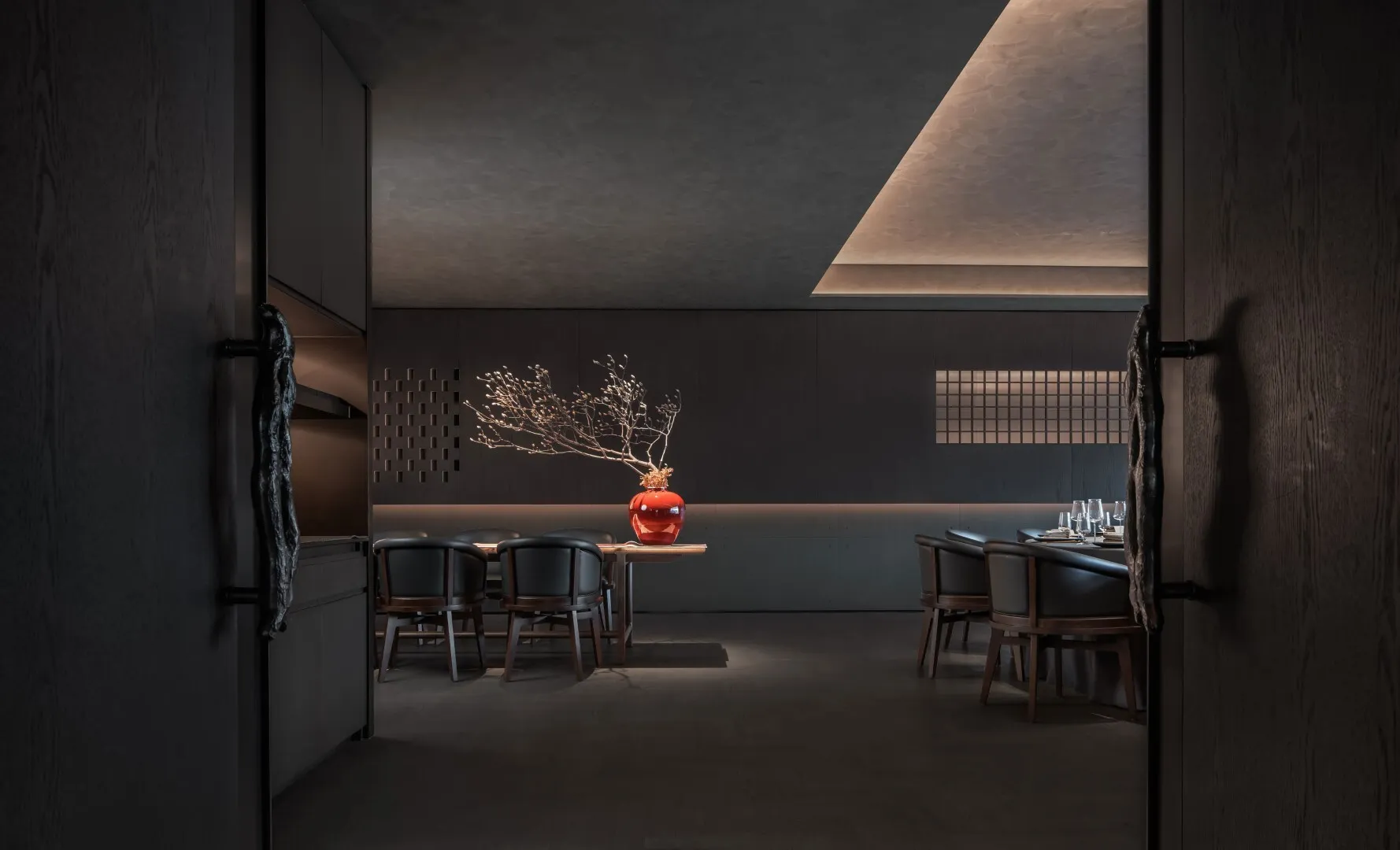 Photo © Wang Ting
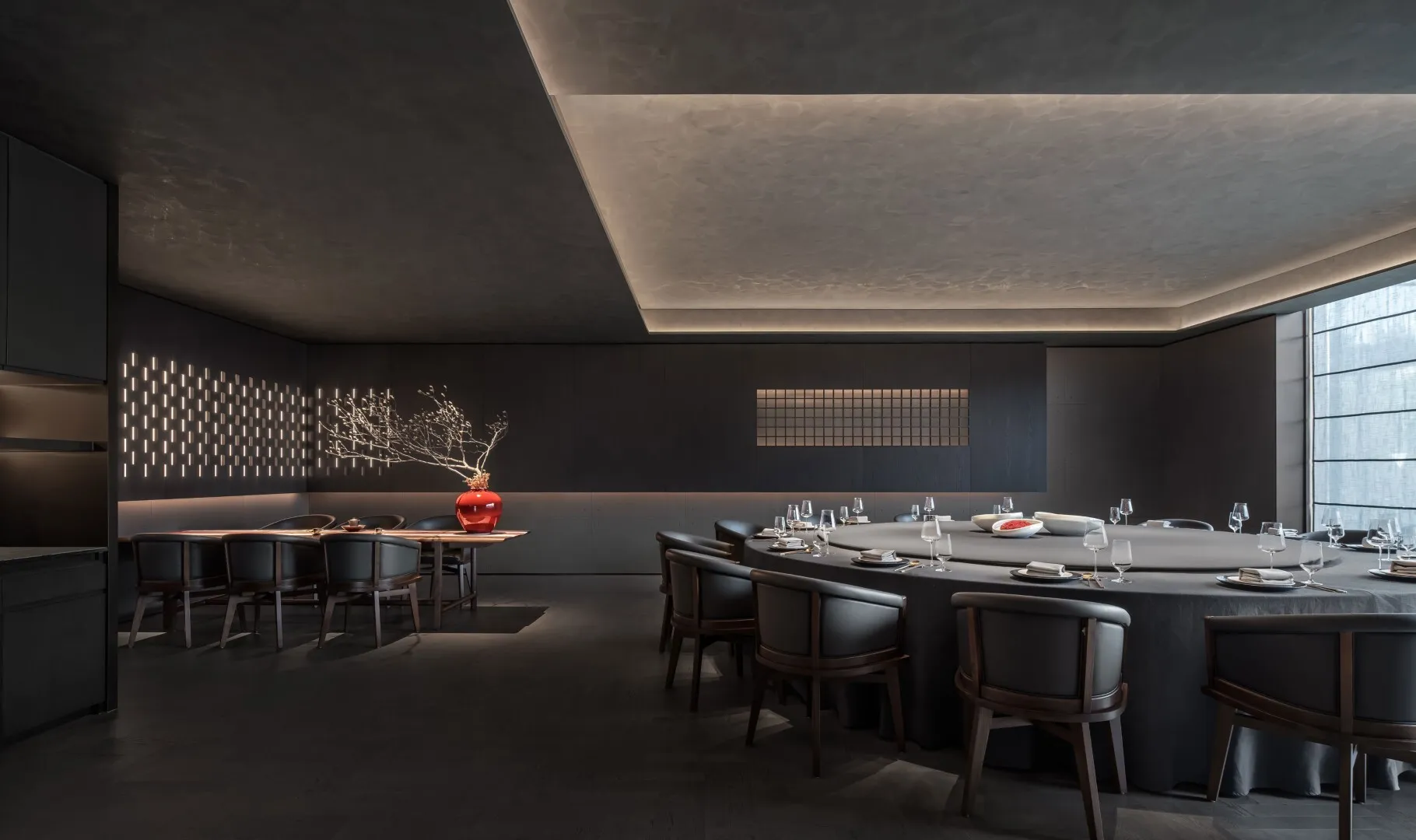 Photo © Wang Ting
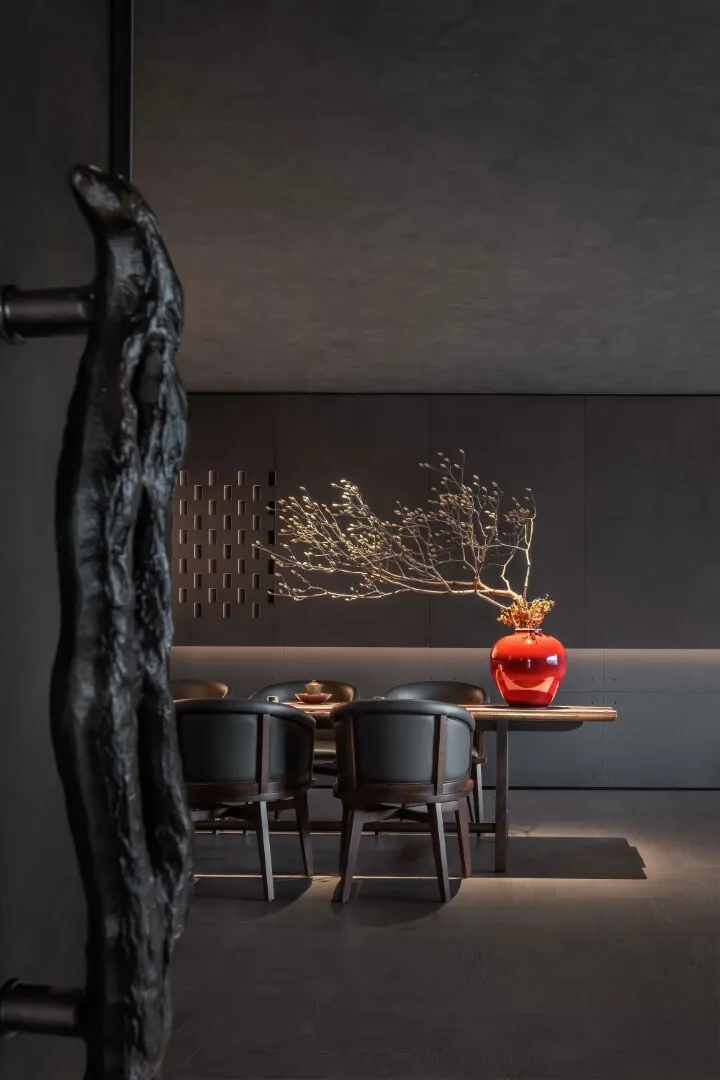 Photo © Wang Ting
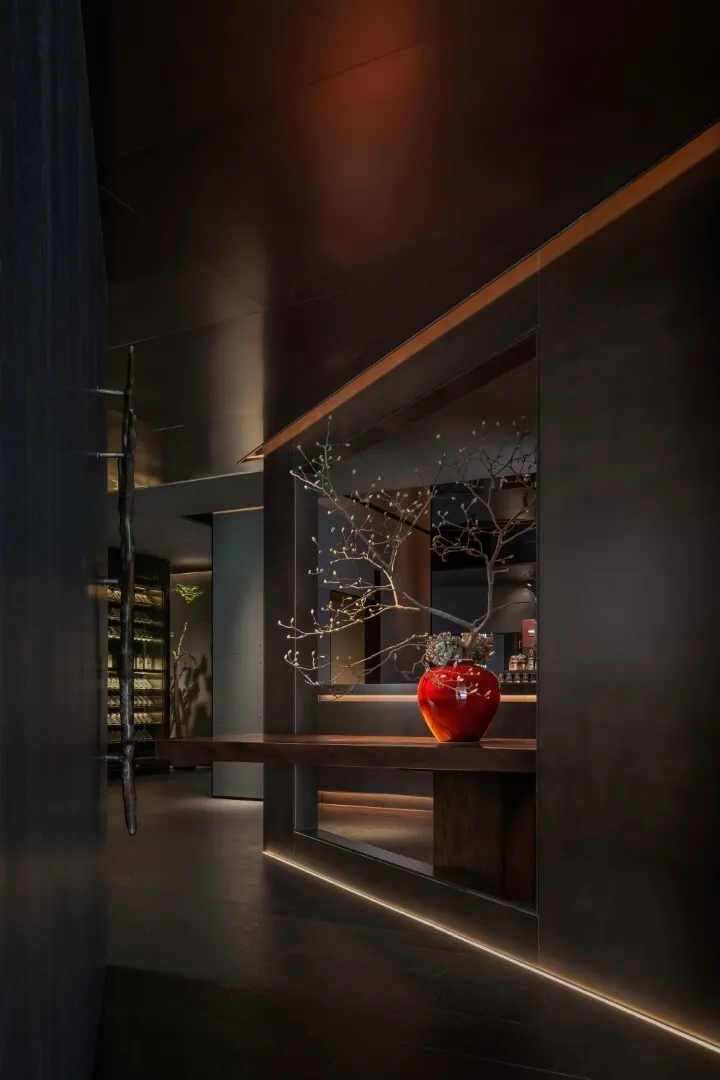 Photo © Wang Ting
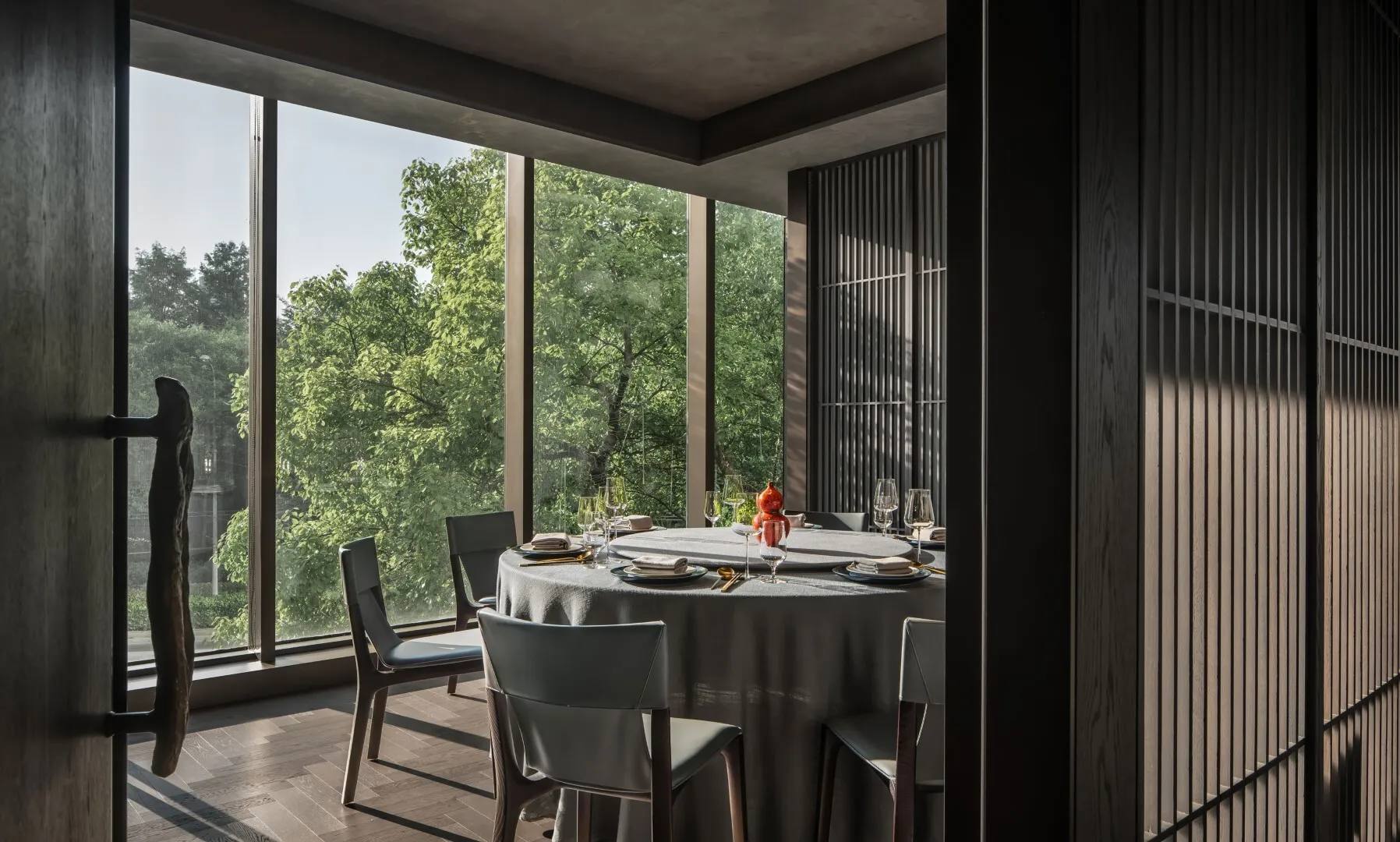 Photo © Wang Ting
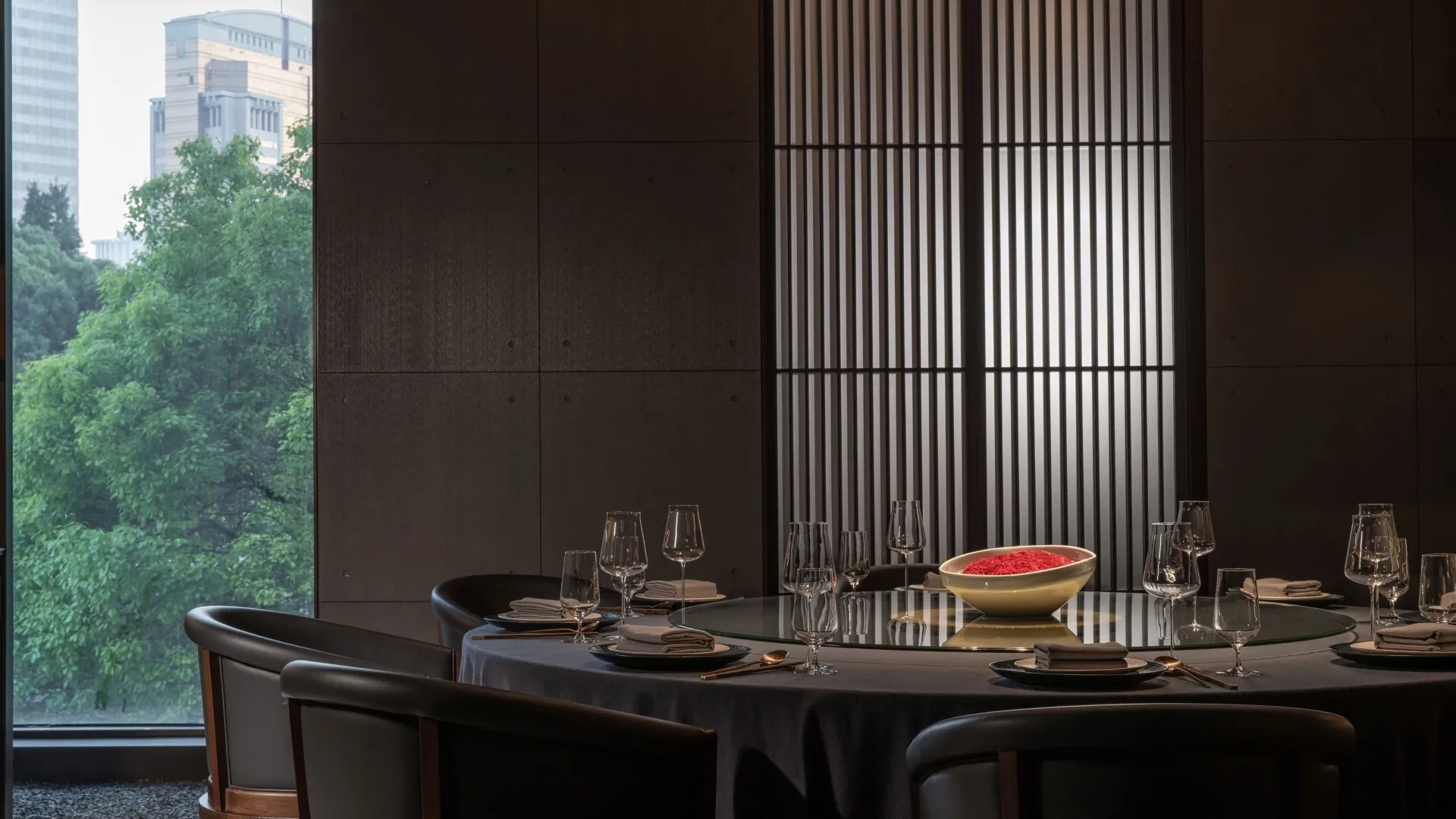 Photo © Wang Ting
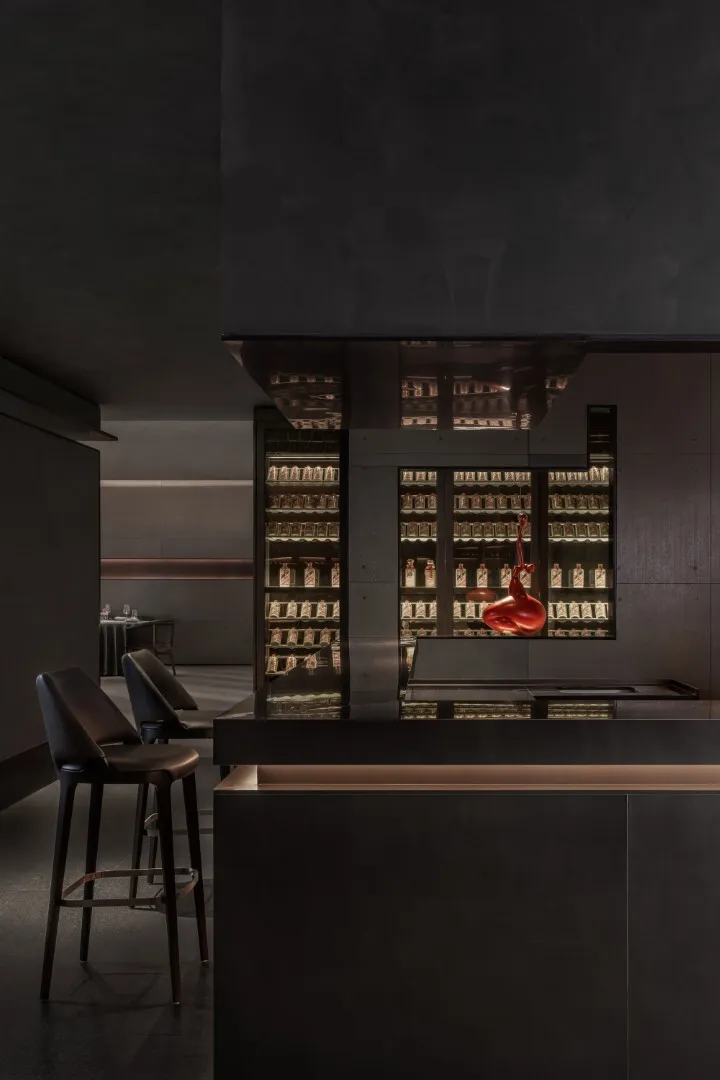 Photo © Wang Ting
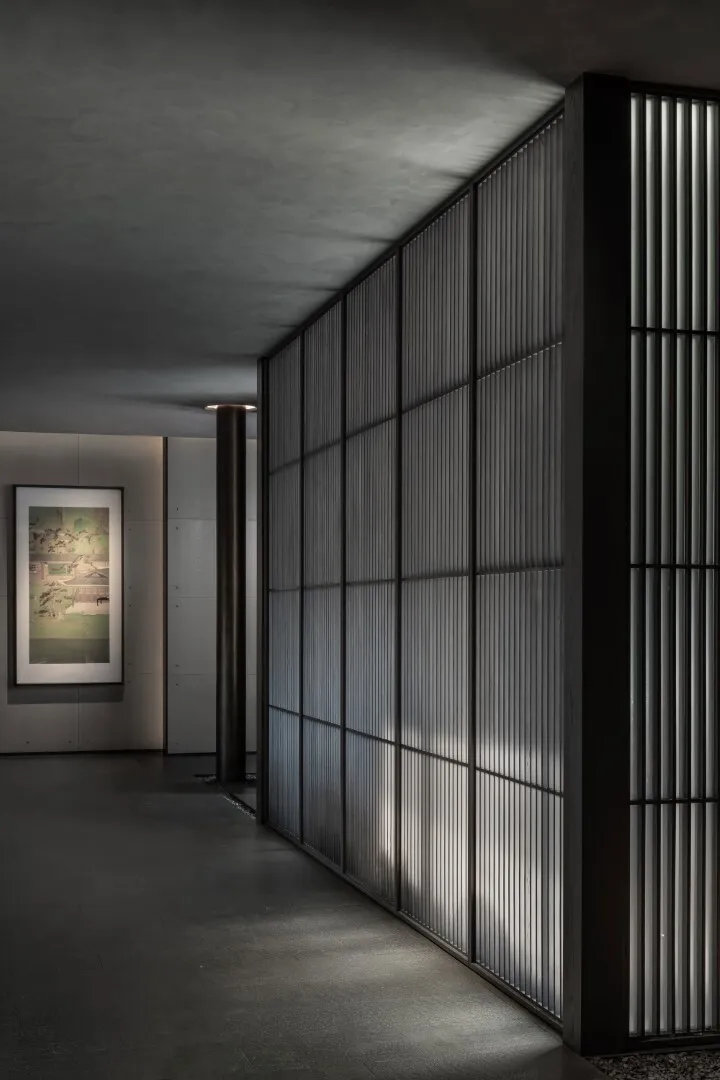 Photo © Wang Ting