Wanwei Roast Duck Wangfujing Branch by IN.X Space Design: A Fusion of Tradition and Contemporary Dining in Beijing

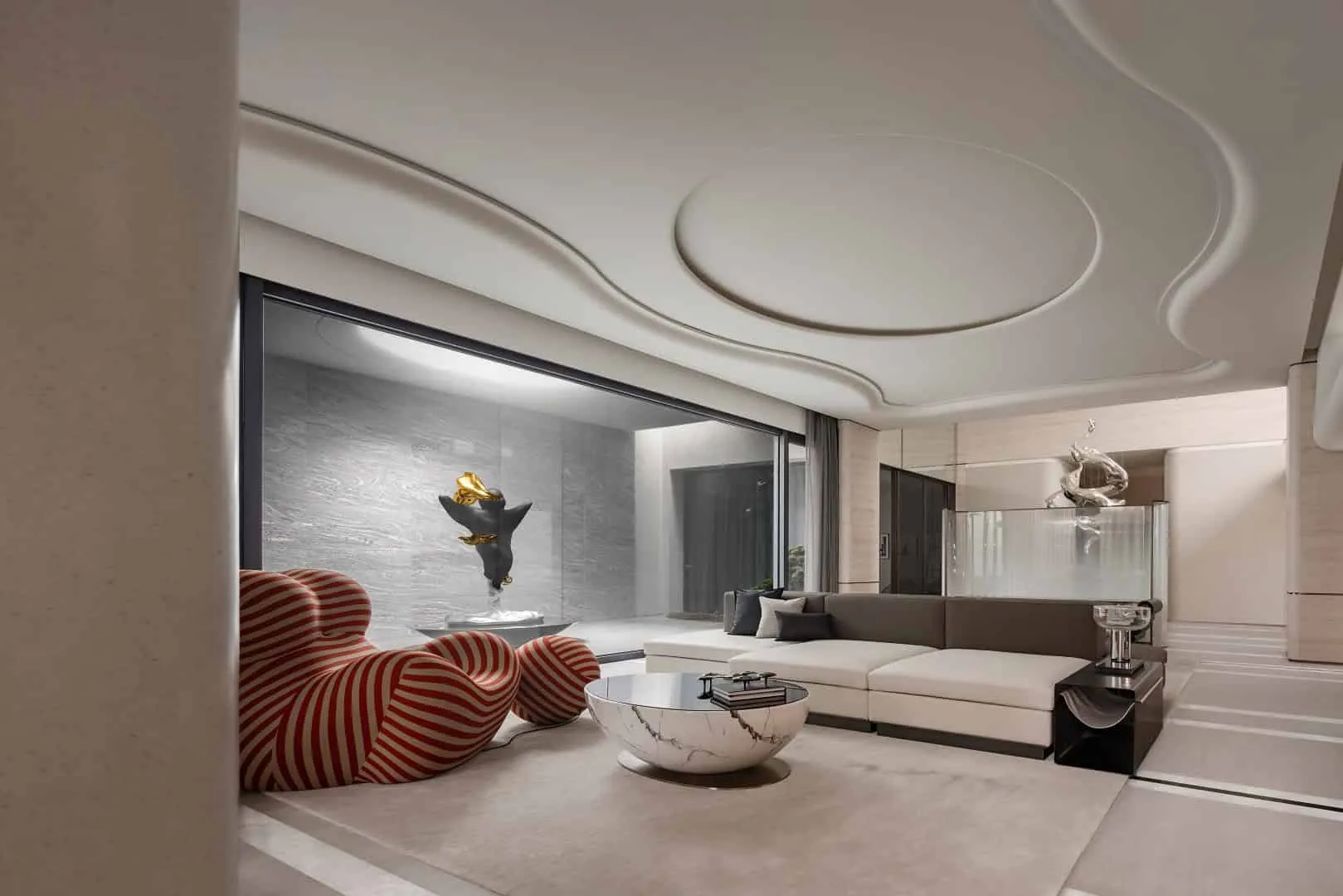
At the heart of bustling Wangfujing Department Store in Beijing, IN.X Space Design created a new Wanwei Roast Duck & Beijing Kitchen restaurant spanning 6,781 square feet that blends cultural heritage with modern design. Completed in 2023, the project redefines brand identity by creating a space that celebrates both memories and modernity, reflecting Beijing's dynamic commercial environment while honoring Chengdu’s inclusive cultural soul.
Concept: Memory, Taste and Cultural Fusion
For founder Wu Xia, Wanwei Roast Duck is more than a cuisine—it's a vessel for memories where flavors intertwine with cultural stories. The design embodies this vision by merging ancient and modern, Chengdu and Beijing, traditions and passion. The space becomes a stage where opposites coexist: warmth and coolness, smoothness and roughness, precision and relaxation.
This balanced combination reflects Chengdu’s reputation as the City of Heavenly Abundance, a place full of richness and vibrancy. In the urban setting of Beijing, the restaurant embodies this spirit, offering guests an immersive experience where architecture, materials and storytelling come together.
Spacial Experience and Design Elements
The journey begins with the entrance, where ancient wooden beams immediately establish a sense of tradition. Moving into open seating areas, these historical references contrast with modern structures and metal finishes, creating a dialogue between eras.
Key design elements:
-
Material Contrasts: Metal elements add a modern accent, while natural stone and water features provide balance, removing rigid traditional schemes.
-
Cultural Layers: Red accents enliven the interior, symbolizing passion, emotion and culinary richness.
-
Urban History: The design integrates gentle shadows of Beijing’s historical character with innovative compositions, ensuring guests feel rooted in tradition yet modern.
Every spatial solution aims to engage the senses: sight through reflective surfaces, sound via water features, touch through textured materials and taste through well-known Beijing duck and kitchen flavors.
Brand Strategy and Identity
IN.X adopted a forward-thinking brand approach, aligning the design with the brand DNA, Wangfujing district business context and diverse customer expectations. The fusion of space and kitchen into one experiential brand strengthens its identity and market positioning.
The goal was not only to create a restaurant but also to form an “experience complex”—a spatial story tightly linked with taste, memories and cultural resonance. Such careful synthesis ensures that Wanwei Roast Duck remains unique among Beijing’s restaurants.
With the Wanwei Roast Duck Wangfujing branch, IN.X Space Design created a modern dining environment that connects past and present. Through architectural storytelling, material contrasts and cultural inclusivity, the project elevates dining to a sensory journey—where taste and tradition are preserved while contemporary Beijing meets Chengdu’s spirit.
 Photos © Zheng Yan
 Photos © Zheng Yan
 Photos © Zheng Yan
 Photos © Zheng Yan
 Photos © Zheng Yan
 Photos © Zheng Yan
 Photos © Zheng YanPhotos © Zheng Yan
 Photos © Zheng Yan
 Photos © Zheng Yan
 Photos © Zheng Yan
 Photos © Zheng Yan
 Photos © Zheng Yan
 Photos © Zheng Yan
 Photos © Zheng Yan
 Photos © Zheng Yan
 Photos © Zheng Yan
 Photos © Zheng Yan
 Photos © Zheng Yan
 Photos © Zheng Yan
 Photos © Zheng Yan
 Photos © Zheng Yan