Why Is It Cold in the Apartment: Causes and Solutions
If the temperature in your apartment does not increase significantly after turning on the heating, it's time to address this issue. We asked architect Sergey Kovalyov from Artbaza.Studio to explain how to solve this problem through renovation, and lawyer Alexey Parshin from the agency "City" — how to avoid violating the law in the process.
Why Is It Cold in the Apartment?
In 2019, Rospotrebnadzor established temperature norms in residential premises: winter and autumn — 18–24 degrees Celsius, and spring and summer — 20–28 degrees Celsius. The responsibility for monitoring temperature and ensuring compliance lies with management companies and utilities.
Despite this, in many apartments these standards are not followed. Why? There can be several reasons:
- poor-quality or outdated window frames;
- cold balcony without glazing and insulation;
- corner location of the apartment;
- poor thermal insulation of the floor;
- low-quality entrance door;
- poor radiator performance due to low heating supply power or limited technical capability.
Replacing the entrance door or windows is straightforward — the problem can be avoided by choosing quality options. But what about other reasons? Let's explore.
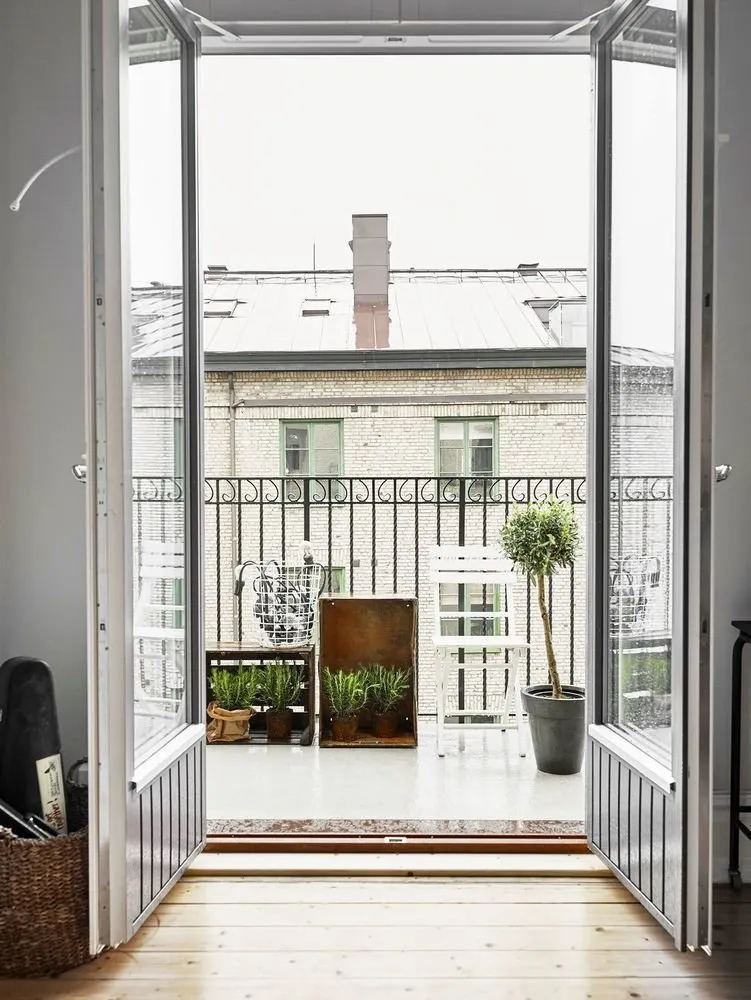
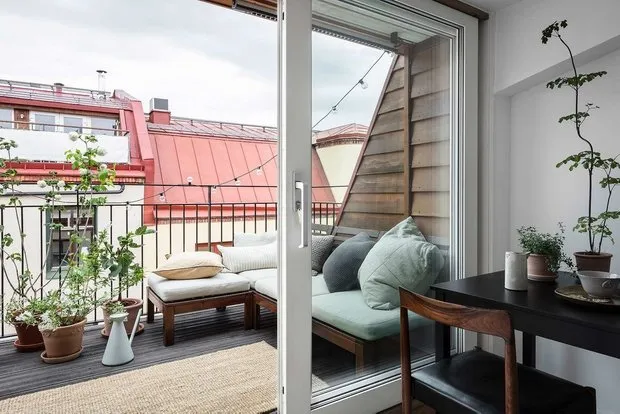
Cold Balcony and Loggia
In recent years, glazing and insulating a balcony or loggia has been classified as a reconstruction requiring approval from BTI or MЖИ. First, you need to glaze the balcony, and only then proceed with insulation and finishing.
What's important during glazing?
- The thermal resistance of the windows must meet GOST standards in your region.
- Accurate calculation of structural strength and rigidity.
- Alternation of hinged and fixed elements.
What is prohibited?
- Glazing a balcony in a historical building (due to preserving the facade).
- Placing it near a fire escape — MCHS will prohibit reconstruction with access blockage to the staircase.
- Installing a radiator on the balcony.
- Increasing heating using the building's water supply system.
For heating the area, architect Sergey Kovalyov recommends insulating walls and floors, as well as using electric heating — infrared or electric heated floor or portable heater.
Finish materials must be of high quality. Use mineral wool, polystyrene foam, foam plastic, foil insulation.
How to Connect a Balcony or Loggia to Living Space?
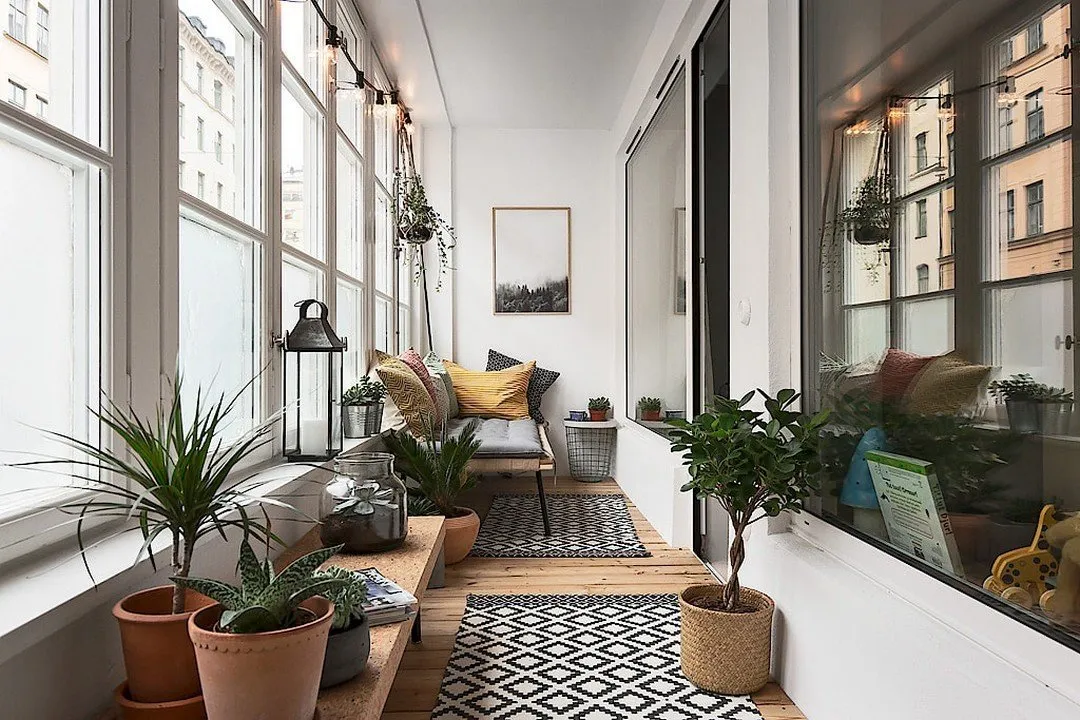
According to lawyer Alexey Parshin, the connection is possible by installing a French window and a partition in the place of the removed wall. However, if the wall is load-bearing, it cannot be removed.
Specialists must conduct a thermal calculation — this will show how the thermal environment in the apartment changes after the wall is demolished and the space is expanded.
Poor Floor Insulation
All floor changes in apartments are impossible without project documentation and approval from Moszhilinspektion. There are also restrictions:
- Installation of heated floors is prohibited without a certificate confirming additional electrical power allocation for the apartment;
- Exceeding load limits on slabs and floor screed is restricted;
- Floor installation without sound insulation is not allowed, and in bathrooms or toilets — without hydro-isolation.
Uninsulated Walls
There are no strict prohibitions on working with walls in apartments, but it's important to choose the right insulation material and calculate the thickness of the thermal insulator. Before starting work, do not forget to prime the walls (to prevent mold growth).
In ideal conditions, the insulator should be based on adhesive — it helps eliminate gaps between the wall and insulation material.
According to architect Sergey Kovalyov, preparation is key when insulating — you need to check the base surface for strength to avoid cracks and gaps in the plaster. Of course, the insulator itself has its own features.
Mineral wool releases harmful substances and dust, polystyrene foam causes condensation in poor ventilation or sharp temperature changes. Liquid insulating mixtures, on the other hand, save valuable centimeters.
Cozy Apartment with Living Room in the Corridor
This week's project, where the designer focused on a radical redesign.
Poor Radiators
Any change in radiator operation will affect the building-wide heating system, meaning it counts as a reconstruction. Approving changes to radiator count or relocating them can take up to 45 days.
If you bypass approval and disrupt the heating system's balance, the air temperature may drop to 15–16°C over time.
When is approval required?
- If you replace radiators with new ones of the same technical specifications, it's sufficient to notify the management company.
- In other cases or when relocating radiators, all calculations must be coordinated with the management company and a renovation application submitted.
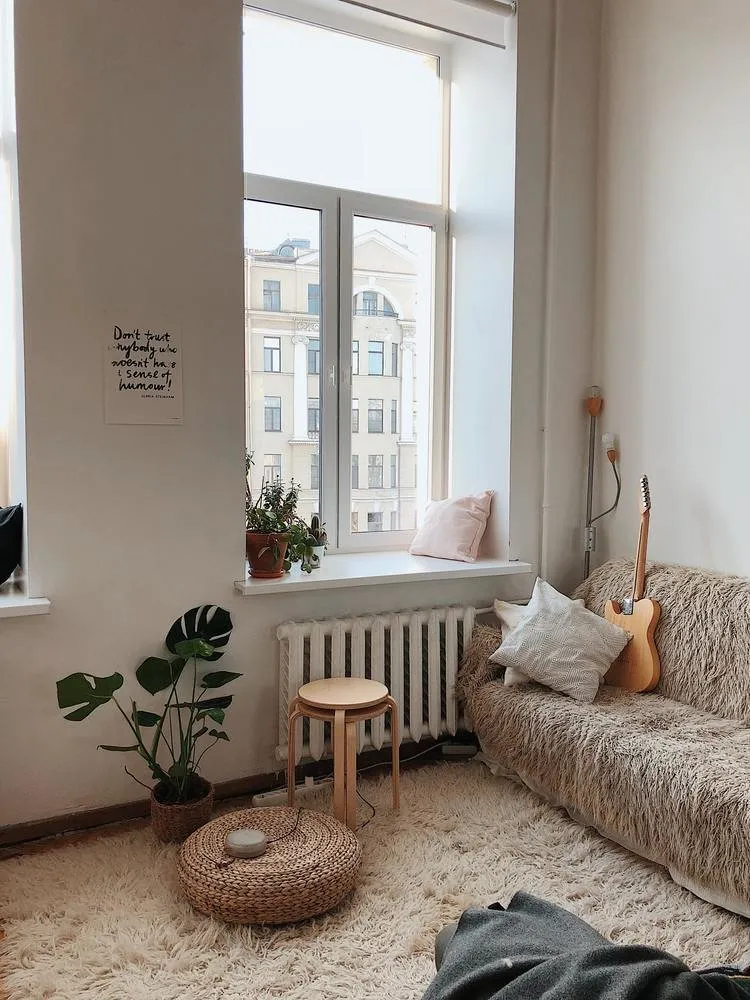
What Radiators to Choose for an Apartment?
- Cast iron. Durable, corrosion-resistant, and with high heat emission.
- Aluminum. Strong and lightweight heating units with high heat emission.
- Steel. Excellent heat emission and corrosion resistance, but sensitive to hydraulic shocks.
- Bimetallic. Steel core and outer aluminum layer are ideal for urban apartments. Not prone to corrosion, with high thermal conductivity.
- Copper. Higher thermal conductivity than aluminum, but more expensive.