Repair of Flexible Roofing
Flexible roll roofing is probably the most sought-after solution among all options for waterproofing flat roofs. It is used almost everywhere on multi-story residential buildings, shopping centers, logistics and industrial complexes. The total area of such roofing in the country reaches hundreds of millions of square meters. This massive volume ensures ongoing relevance of repair and maintenance issues.

Given this, an article on this topic will be highly timely.
Below, we will discuss not only proper repair of flat flexible roofing but also address correct maintenance and preventive measures to extend the service life of these roofs.
Key Aspects of Flexible Roofing Repair
When performing repairs, it is essential to follow the temperature conditions: work must not be carried out in winter, as the waterproofing membrane must be installed only at positive temperatures, unless otherwise specified by the manufacturer for a specific material.
The most commonly used materials for repairing flexible roofing are bituminous SBS-modified polymers, which are easily heat-activated and bonded at propane torch temperatures of 500–600 °C.
In addition to the waterproofing membrane, a bituminous primer — a thick liquid derived from petroleum — is required. The primer enhances adhesion (bonding strength) between the base and the waterproofing layer. It should be applied beforehand using a brush or roller across the entire area of the flexible roofing to be repaired.
Assessment of Roof Condition and Repair Recommendations
The simplest and most cost-effective repair is one performed on time. To ensure timely repairs, the roof must be inspected regularly. Let’s clarify what to pay special attention to when inspecting flat roofs of various building types and purposes.
Residential complexes and older multi-story buildings from the Soviet era
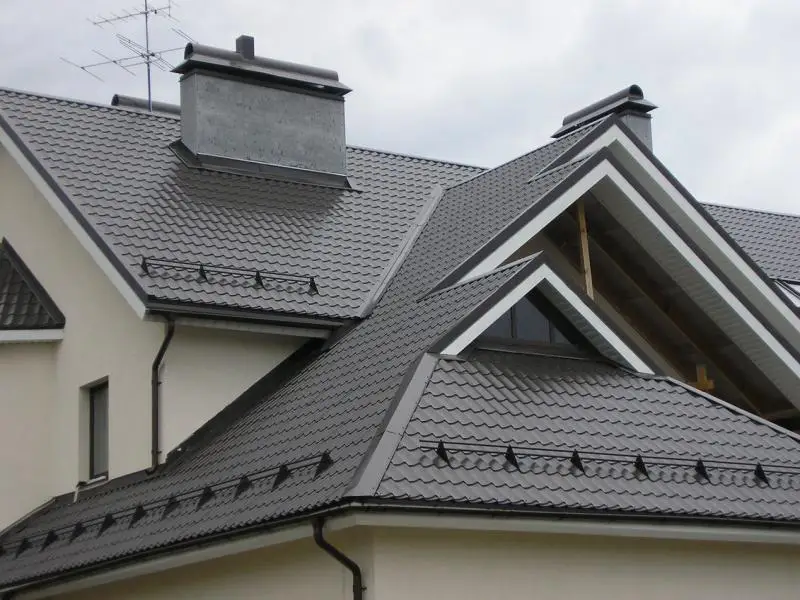
Rooftops of these buildings are often cluttered with antennas, ventilation units, advertising panels, and more. It is crucial to check how vertical penetrations of the waterproofing membrane are sealed, and whether there are deformations, cracks, or other areas where water might accumulate — these can eventually destroy the waterproofing membrane. Moisture penetration under the membrane causes wetting of the insulation layer, leading to immediate freezing and structural damage.
A solution to this problem may include installing special platforms under heavy structural elements and adding an extra layer of waterproofing around small but equally dangerous elements such as antennas and satellite dishes.
Non-residential (warehouse and industrial) buildings and structures
The main issue here is improper roof usage and lack of maintenance for the rainwater drainage system. Often, warehouse roofs become active work zones: snow is cleared and, critically, ice is removed mechanically — a process highly damaging to the waterproofing. Equipment, antennas, and advertising panels are frequently installed.
To restore the condition of such roofs, a thorough analysis of existing damage to the waterproofing membrane is required, along with training for on-site personnel on proper roof handling. For example, snow and ice removal should not be done with scrapers or shovels but instead through embedded electric heating cables and a properly functioning rainwater drainage system.