Roof Installation
The roof. At first glance, what could be complicated about it? But it's not so simple.
The type of roof on your home affects many factors, from appearance to living safety. That's why it's crucial to choose the right roofing material.
To perform all its functions, the roof must first suit local climate conditions. In regions with heavy precipitation, a sloped roof is recommended to ensure proper water runoff. Conversely, strong winds create significant pressure on sloped roofs, so flat roofs are preferred in areas prone to frequent hurricanes.
From this, it's clear that finding a roofing solution that meets all requirements is nearly impossible—but getting close to ideal is achievable. First, decide on the roof type, particularly its slope. Then select suitable materials. Only after that should you begin actual construction.

Choosing the Roof Type
The roof can be flat or sloped. A slope of less than 3% is considered flat.
Based on the number and shape of slopes, roofs can be single-pitched or double-pitched. In single-pitched roofs, the roofing surface sits on walls of different heights. These are compatible with nearly all materials.
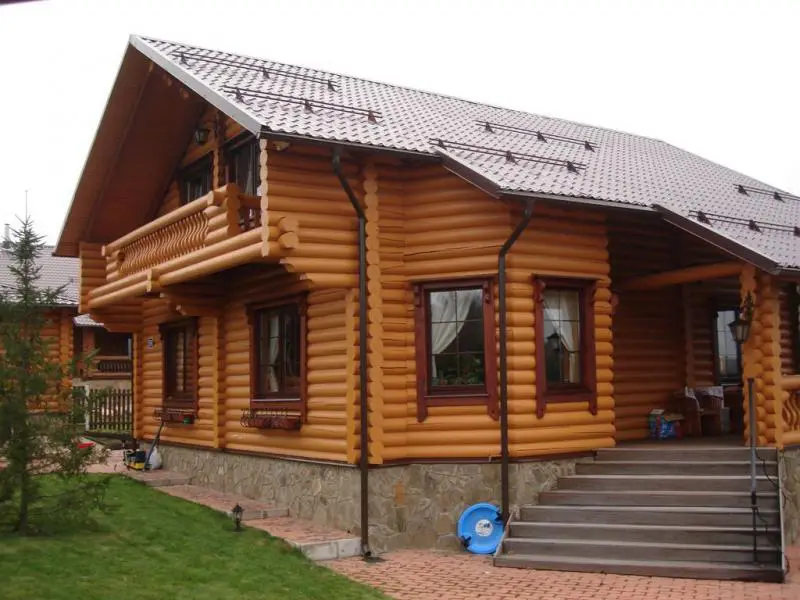
Double-pitched roofs are the most common. They consist of two sloping planes meeting at the peak.
A variation is the mansard roof. Installing it requires some experience, but once completed, it creates additional usable space.
There's also the pyramidal roof, made of several joined triangles. It’s cost-effective but features a complex truss system.
Multi-gabled roofs are especially attractive. They’re built on complex-shaped houses and feature numerous joints and ridges.
Other rare types include brick or stone vaulted roofs and hipped roofs, which combine trapezoidal and triangular slopes.
Choosing Roofing Materials
Based on your chosen roof type, select the most suitable materials. Sloped roofs suit clay tiles, asbestos cement sheets, metal sheets, and polymer coverings. Flat roofs commonly use bituminous rolled materials.
Do not install tile roofing on low-slope or flat roofs—water will seep through joints during rain. The same applies to bituminous rolls, which may slide off steep slopes due to solar heat.
Each roofing type has unique features. Bituminous coverings require multiple layers. They hold water well but may degrade under low temperatures.
Asbestos cement sheets are the most common. They are durable, strong, fire-resistant, and waterproof. Today, various types are available, differing in color and shape.
Galvanized steel sheets are frequently used. This roofing is extremely durable—non-flammable, watertight, and capable of lasting at least 70 years.
Clay tiles are equally long-lasting and visually appealing. High-quality clay roofing can last over 80 years and comes in various colors to match your building's design.
Wooden roofing materials like felt, shavings, and wooden shingles are rarely used. They ignite quickly and are prone to mold and fungus.
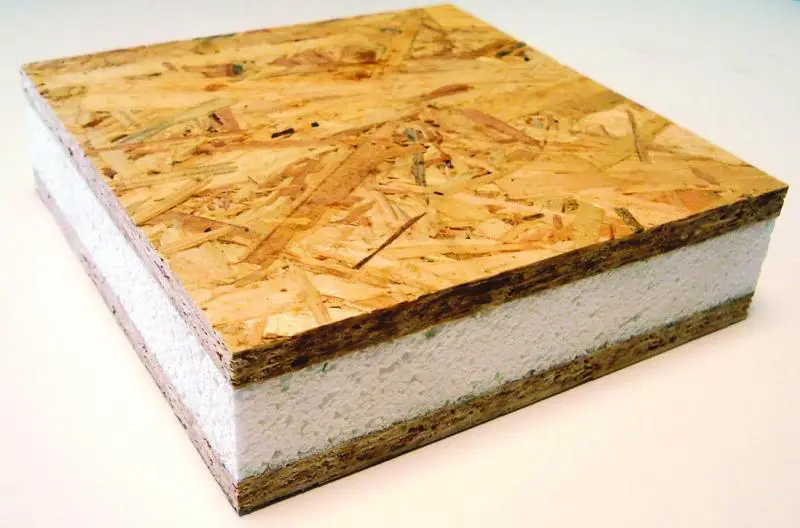
Today, ready-made roofing panels are available. They combine decorative layers, waterproofing, insulation, and base layers. These panels can be installed year-round using self-adhesive film. The main drawback is their high cost.
Roof Construction
To ensure long-term durability and resistance to wind and weather, focus on the load-bearing structure—sheathing and truss system. Triangular trusses are most common due to their strength and cost-effectiveness.
Roof width determines truss complexity. Simplest is the hanging truss, supported only by side walls with no internal supports. This type suits roofs up to 6 meters wide.
For wider roofs or those with interior partitions, use a pitched truss system that rests on both external and internal walls.
Mansard roofs are particularly complex. A floor beam is installed to prevent unnecessary supports in the usable attic space.
You can build the truss system yourself or use prefabricated components. In the latter case, assemble parts and secure them. Then attach the ridge beam, used later for the ridge.
Roofing material cannot be attached directly to the truss. Therefore, install sheathing: wooden battens fastened perpendicularly to rafters, forming a grid. Since all roof load rests on sheathing, choose materials carefully.
Batten spacing depends on roofing type. For flexible materials, use nearly solid sheathing or spacing under 1 cm. For metal sheets or clay tiles, spacing can increase to 4 cm.
Material choice for the load-bearing structure is critical. Wood is common but prone to rot—ensure proper ventilation. For brick or block buildings, metal structures are better, though heavier.
After building the base, begin roofing. First, install vapor barrier to protect insulation from moisture and extend its life. Then lay insulation—chosen based on climate and roof type. A waterproof and windproof membrane protects insulation from rain. Only then can you attach the roofing material.
To maximize lifespan, ensure proper ventilation using eaves and ridge vents. For tile or slate roofs, use special vented tiles. Also, maintain attic temperature 6–7°C above outdoor levels.
Following these guidelines, your roof will last many years without repairs or replacement. But remember: roof construction is complex and labor-intensive, demanding patience and skill. If uncertain, hire professionals.