House from Light Adobe
First homes made from light adobe, or simply from straw and clay, were built in ancient times and are still constructed today mainly in steppe and forestless areas of Central Asia, the Altai, southern regions of Ukraine, Moldova, and the Caucasus. The construction process is labor-intensive and requires simultaneous involvement of a large number of people. Therefore, using adobe as a building material is mostly practiced in rural areas.
There are two methods of building with adobe. The first – laying layers of clay-straw mixture into formwork, and the second – preparing clay concrete and allowing it to dry naturally.

Light Adobe Using Formwork
To prepare adobe, you need to gather in advance:
- straw,
- clay,
- technical water,
- chaff or another filler.
After preparing all materials, invite 15–20 people with pitchforks, and ideally, have a pair of horses available for mixing the construction material. To make it clearer how a light adobe house is built, I’ll share my personal experience.
As a child, I helped elders during the construction of adobe houses. Adults made a circle about 6 meters in diameter from previously transported clay. My peers, aged 10–12, rode on horses harnessed to a cart with a barrel mounted on it, went to a pond, collected water, and brought it to the mixing site.
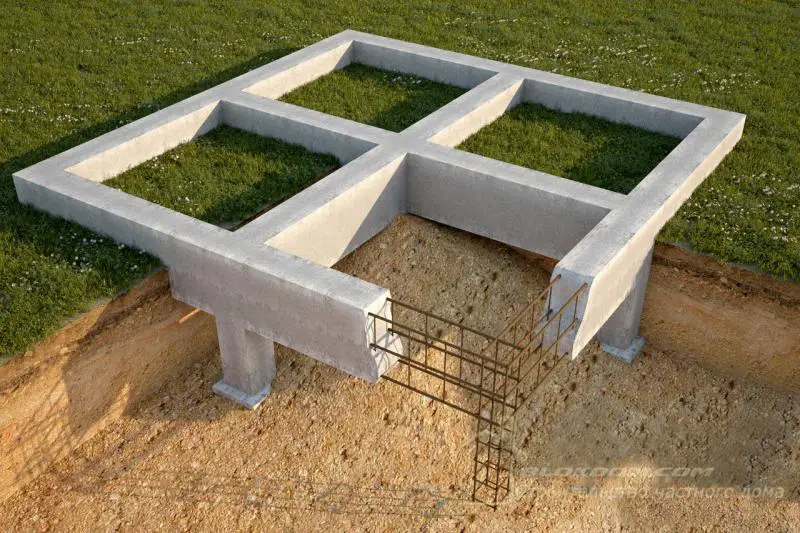
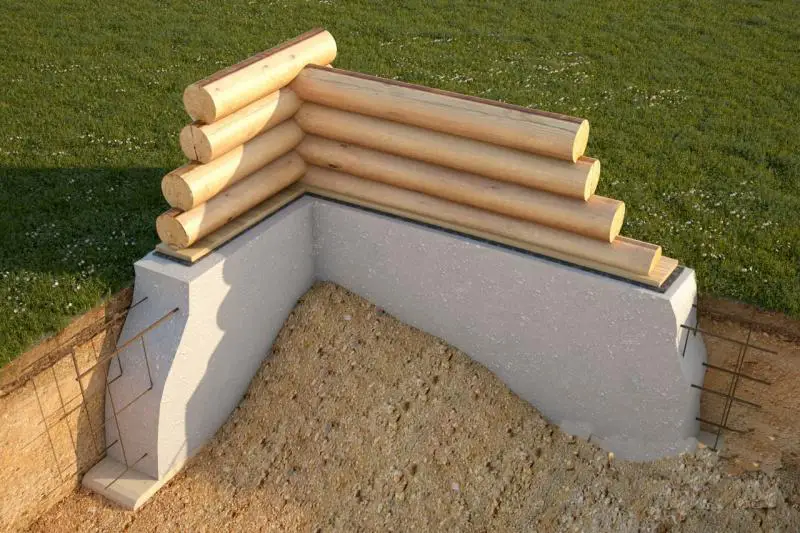
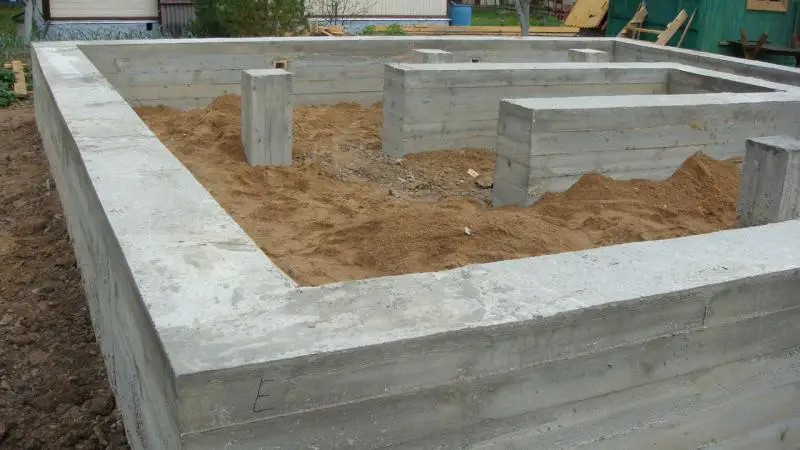
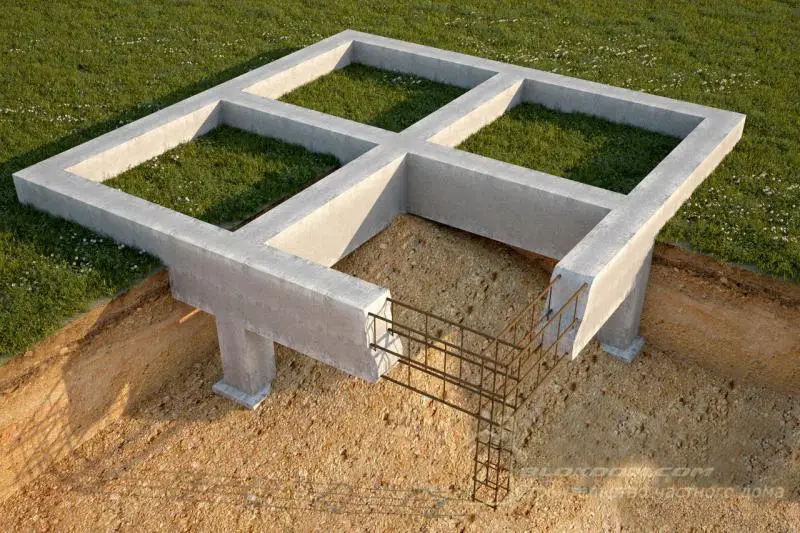
Clay was covered with straw, and a pair of horses walked around the circle, thoroughly mixing straw with clay. The readiness of the mixture was judged by an experienced local builder. Then, the prepared clay-straw mixture was placed on a foundation base about 50 cm high, with good drainage, into pre-prepared formwork, and well tamped.
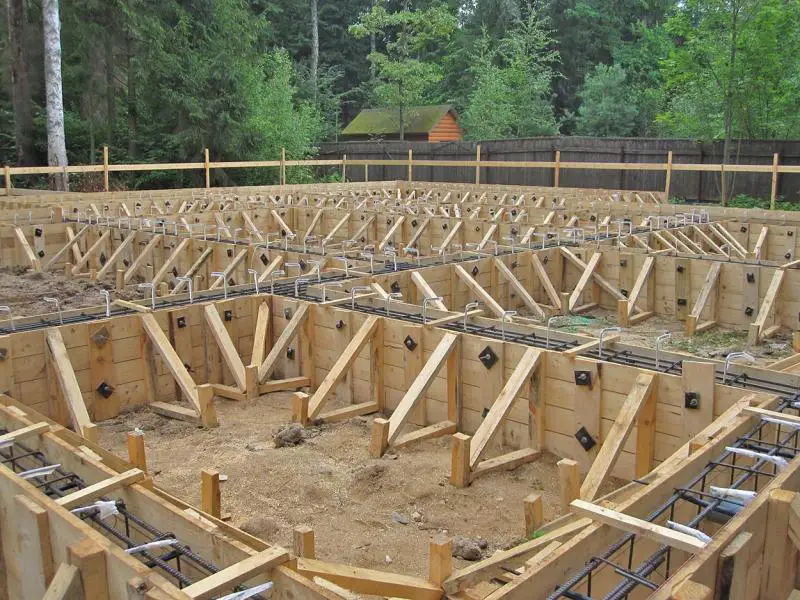
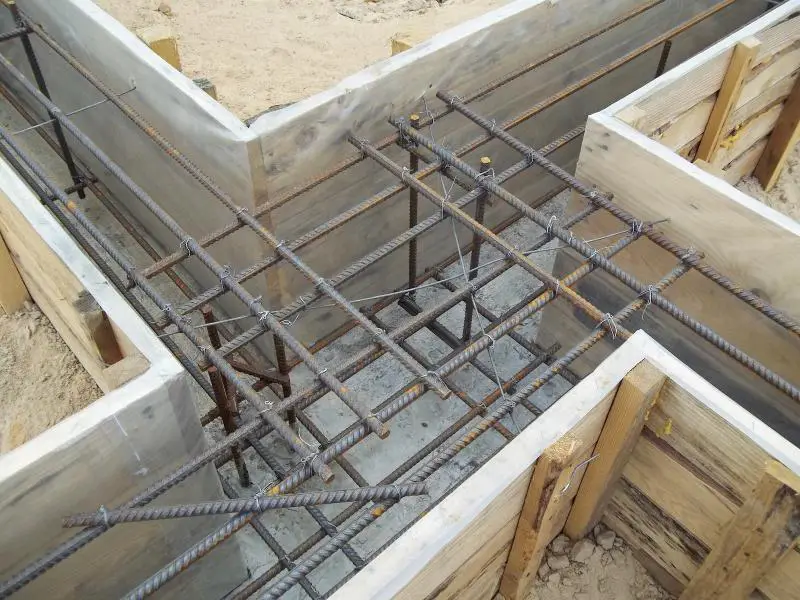
Naturally, the process of preparing the adobe mixture can be mechanized, but the core technique remains unchanged. Wooden formwork is attached to load-bearing posts buried at the corners of the building and removed after one day to allow better drying of both inner and outer walls. The formwork width and height of each light adobe layer are usually set between 30–35 cm.
Disadvantages of adobe houses:
- labor-intensive construction;
- long time required to build walls and partitions;
- seasonality – only hot summer days are suitable for full drying of each layer;
- due to straw, rodents or mold may develop in poorly dried walls.
Advantages of adobe houses:
- environmental friendliness of materials like clay and straw;
- low cost of light adobe components;
- excellent sound insulation;
- comfort: cool in hot summer days and warm in winter;
- women, elderly people, and even children can help in construction.
Preparing Adobe Clay Concrete
To prepare clay concrete, in addition to the previously mentioned components, wooden or metal molds are required. In the morning, the molds are filled with pre-prepared clay-straw mixture, well tamped and leveled with a board. At the end of the day, the molds are removed, and the concrete is left to dry for 5–6 days. Then, it is turned over and left to dry for several more days.
After that, the resulting clay-concrete bricks are stacked in circular or square rows, leaving large gaps between them, and left to dry completely. Once fully dried, the clay-concrete bricks are used to build walls and partitions of residential homes and outbuildings. If desired, a light adobe house can be faced with modern bricks, clad with wooden siding, or insulated with sandwich panels.