Rethinking the History and Legacy of Industrial Cities
Development of former industrial areas is relevant for many cities around the world. As international experience shows, if this process is approached comprehensively, once-depressed territories can become centers of attraction for local residents and the business community. Moreover, the most successful projects in this segment have long become a kind of calling card for cities where they are implemented.
Rotterdam, Netherlands
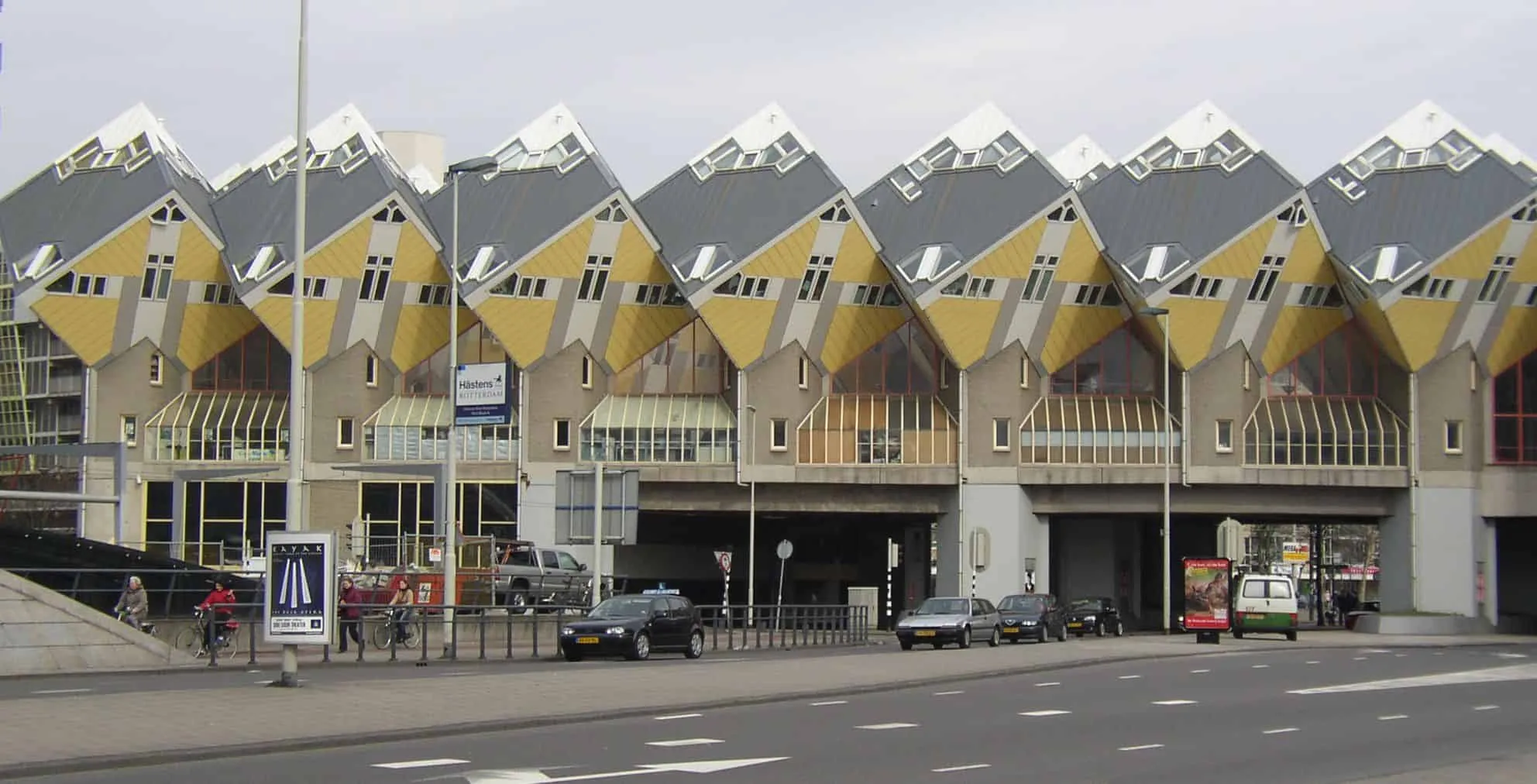
Many who visit Rotterdam for the first time immediately acknowledge that the city is a true fairy tale. New buildings with modern architecture harmoniously fit into the cultural heritage landscape. Several decades ago, Rotterdam was an industrial zone. The city's history is closely tied to the development of the port industry in the Netherlands: a huge number of piers and infrastructure were located here, which ensured enterprises of this industry. Experience shows that cities that are homogeneous in their activities do not have a very bright future both from the perspective of urban development and attracting highly qualified specialists. Wise authorities of such cities try to improve the situation. This happened with Rotterdam. First and foremost, local authorities began developing industrial zones that were freed as a result of the transformation of the port industry, which occupied much of the city. One of the main ideas of the local government participating in the project to redesign former industrial territories was creating green zones. For example, Dakpark, which is now popular with residents and guests of Rotterdam. This park fundamentally differs from those we are accustomed to. It is located on the roof of a shopping center. There is a huge greenhouse and space with fountains, benches, barbecue area, and observation deck. The roof smoothly transitions into the slope of a hill. There is a children's playground and an allotment garden for residents, where they grow vegetables and fruits. The park, opened in 2013, was created to provide residents of the local district with a recreational area within walking distance. In addition, green zones created in cities may have a noticeable impact on urban budgets in the future.
Liverpool, United Kingdom
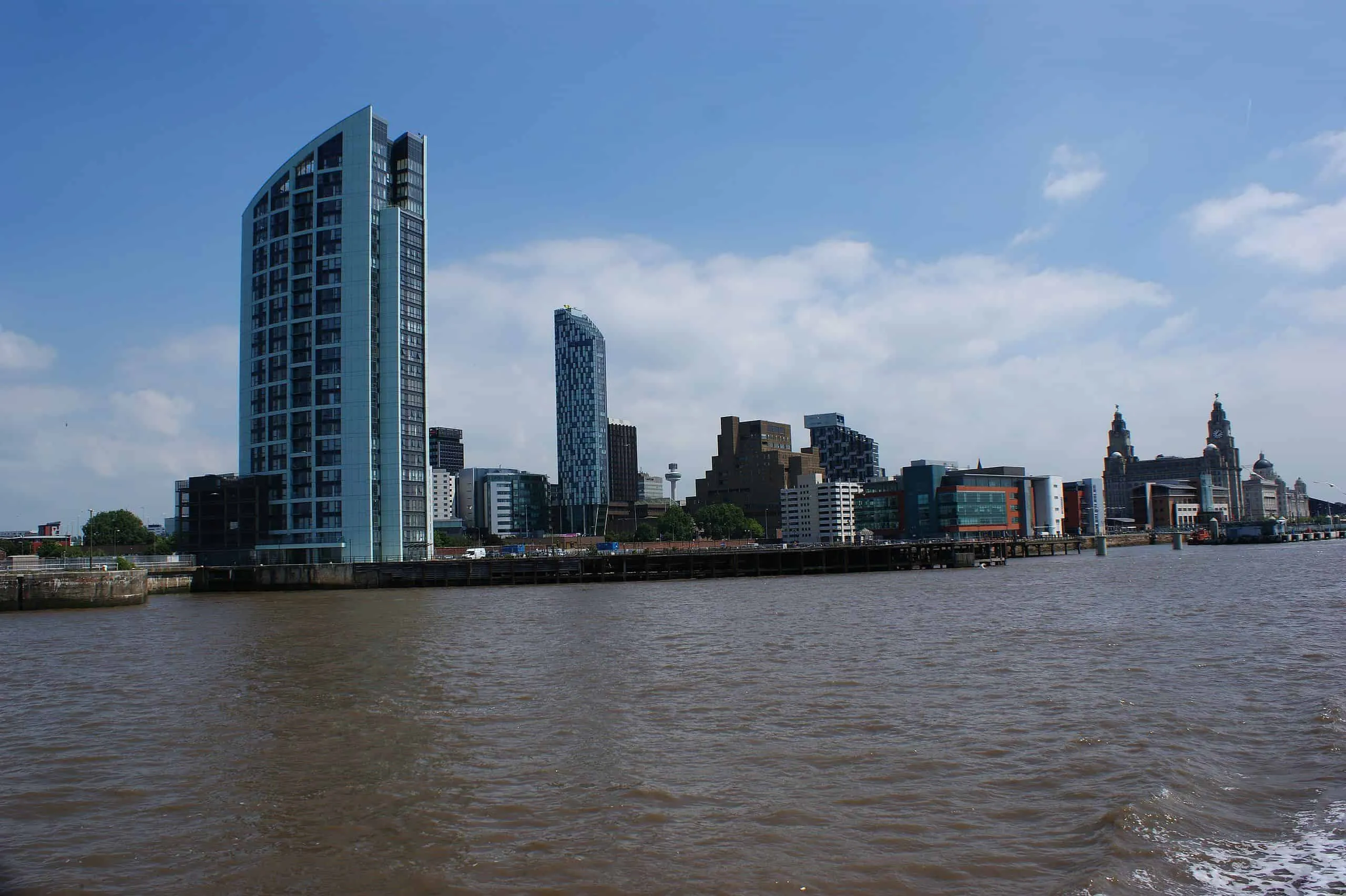
British Liverpool can also be included in urban planning textbooks. This city, like Rotterdam, was once a continuous industrial zone, but in the post-industrial society local authorities were among the first to consider rethinking the city. It all started with the reconstruction of Albert Dock. This dock, covering over a million square meters, was once the largest in Britain and a symbol of prosperous Liverpool. In 1972 it closed to ships and remained abandoned until the 80s. In 1988, authorities decided to create a creative cluster here: its development began with the opening of Liverpool Tate Gallery. The city administration, seeing a positive reaction from local residents, decided to develop the creative industry—the gallery became its core. Representatives of related professions moved to Liverpool. A huge success was the creation in 1999 of Liverpool Vision, the first company for urban regeneration in Britain. Projects include a new city museum and Liverpool ONE, built on the site of a former industrial zone. The latter object, by the way, became iconic for Liverpool: functionally it represents a huge shopping center but in reality is a recreational area with leisure facilities, cultural institutions, and even a golf course. Its creation led to the development of neighboring territories that were also in a depressed state. Local authorities' and urban planners' efforts were not in vain. In 2008 Liverpool received the title of European Capital of Culture, and leading urbanists were not sparing in their compliments, comparing the city to a phoenix rising from the ashes. But even today, the 'Liverpool model,' largely based on support for representatives of creative industries, requires rethinking. Liverpool is classified as an emerging creative cluster with a large number of participants but low survival rate of creative businesses. The reason is the structure of this industry itself: usually large companies survive, while supporting enterprises quickly cease operations. According to Liverpool urbanologist Jessica Greenfield, full reliance on the creative industry now forces Liverpool's authorities to reprogram future actions. To do this, Liverpool has all the possibilities: real estate built on former docks and other industrial zones is quite multifunctional and can accommodate residents from companies working in the IT and Big Data sectors.
Pittsburgh, USA
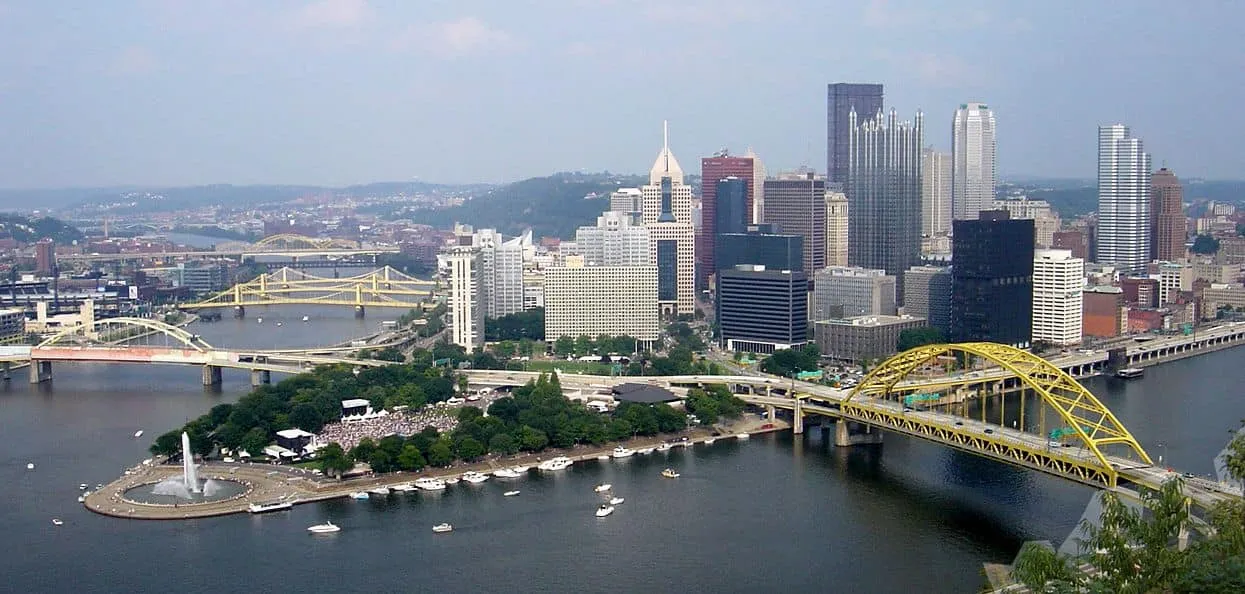
Once an industrial titan, Pittsburgh was fueled by coal and steel. But now the city has changed beyond recognition and is one of the most livable in the USA. In the middle of last century, streetlights worked day and night because smog blocked out the sun. The city looks completely different today. Clean streets, lots of greenery. Instead of heavy industry—banks and IT companies. Clean energy alone supports the work of 13,000 Pittsburgh residents. Business representatives consider this city an excellent place for business projects. The first step in this direction was the demolition of mining enterprises Jones and Laughlin Steel in the northern part of the city and construction of a High-Tech Center on their site. The center became a business incubator for many high-tech companies that decided to develop their production in Pittsburgh. Attracting new companies was facilitated by a powerful educational potential built into the industrialist Andrew Carnegie, who first founded a technical school in Pittsburgh and then the university's school. The social structure of employment in Pittsburgh has also changed. The city has shifted its image from an industrial city to a white-collar town: knowledge-intensive industries are becoming more popular among foreign migrants coming to Pittsburgh for work. Local authorities promote attracting qualified foreign specialists, including creating special agencies. The city has every chance to continue its success in the future by increasing deindustrialization.
Madrid, Spain
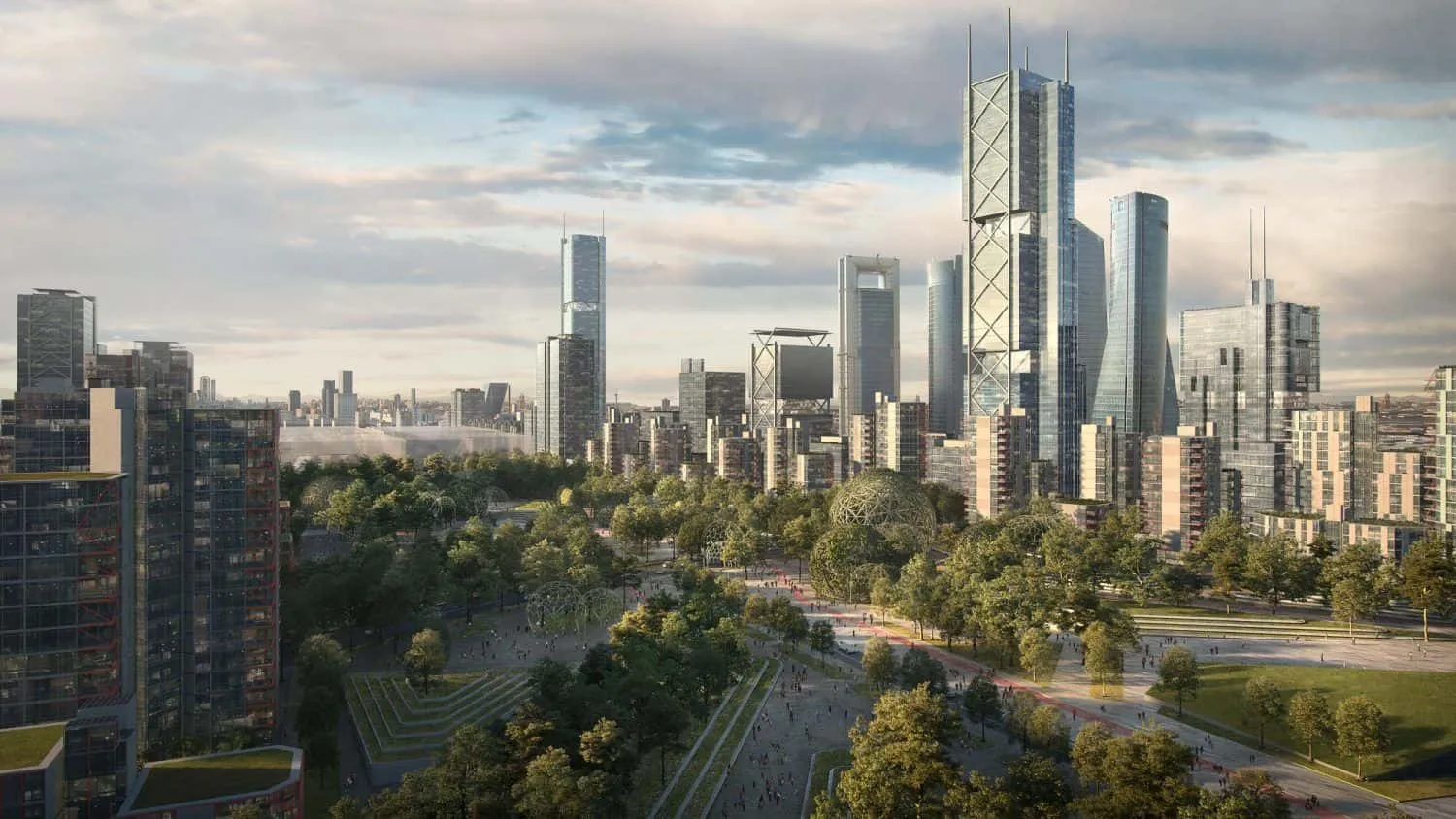
Spain is another country that has proven that development of former industrial zones can bring significant benefits. A bright example is Barcelona. Before the 1992 Olympics, the Catalan capital was a collection of industrial sites. Even on the coast now famous for its beach zone, Barcelona had piers and fisherman workshops. Today this city is a tourist attraction center for the whole world and a standard of urban planning policy. The Summer Olympics almost 30 years ago helped change its image. A similar scheme developed in another Spanish city, Bilbao. The reason for transformation there was not a global event but an urgent need to stop population migration, especially among highly qualified specialists. In the post-industrial era, the city froze and could turn into a depressed territory with dozens of abandoned factories. Bilbao is now one of the centers of international architecture: its transformation used the best proposals from urban planners. Today, the capital of Basque Country is a synthesis of cultural and tourism institutions and related industries, as well as IT industry and startups. Today it's Madrid's turn. One of the largest projects in Europe to reorganize an industrial zone has started in Spain's capital. This is the Madrid Nuevo Norte project. On the site of former railway sedimentary reservoirs, loading station and access roads will be located a modern multifunctional object with residential areas and business center. According to plans, on an area of 300 hectares, there should appear 2.7 million square meters of various real estate: 11,700 apartments and 348 office buildings. The planned infrastructure will create up to 241,700 new jobs, which is an urgent issue for Spain with chronically high unemployment levels. A large part of the territory—45 hectares—is reserved for green zones, including parks and squares, which corresponds to the principle of sustainable urban development. The total investment volume is estimated at 1.75 billion euros.
Norilsk, Russia
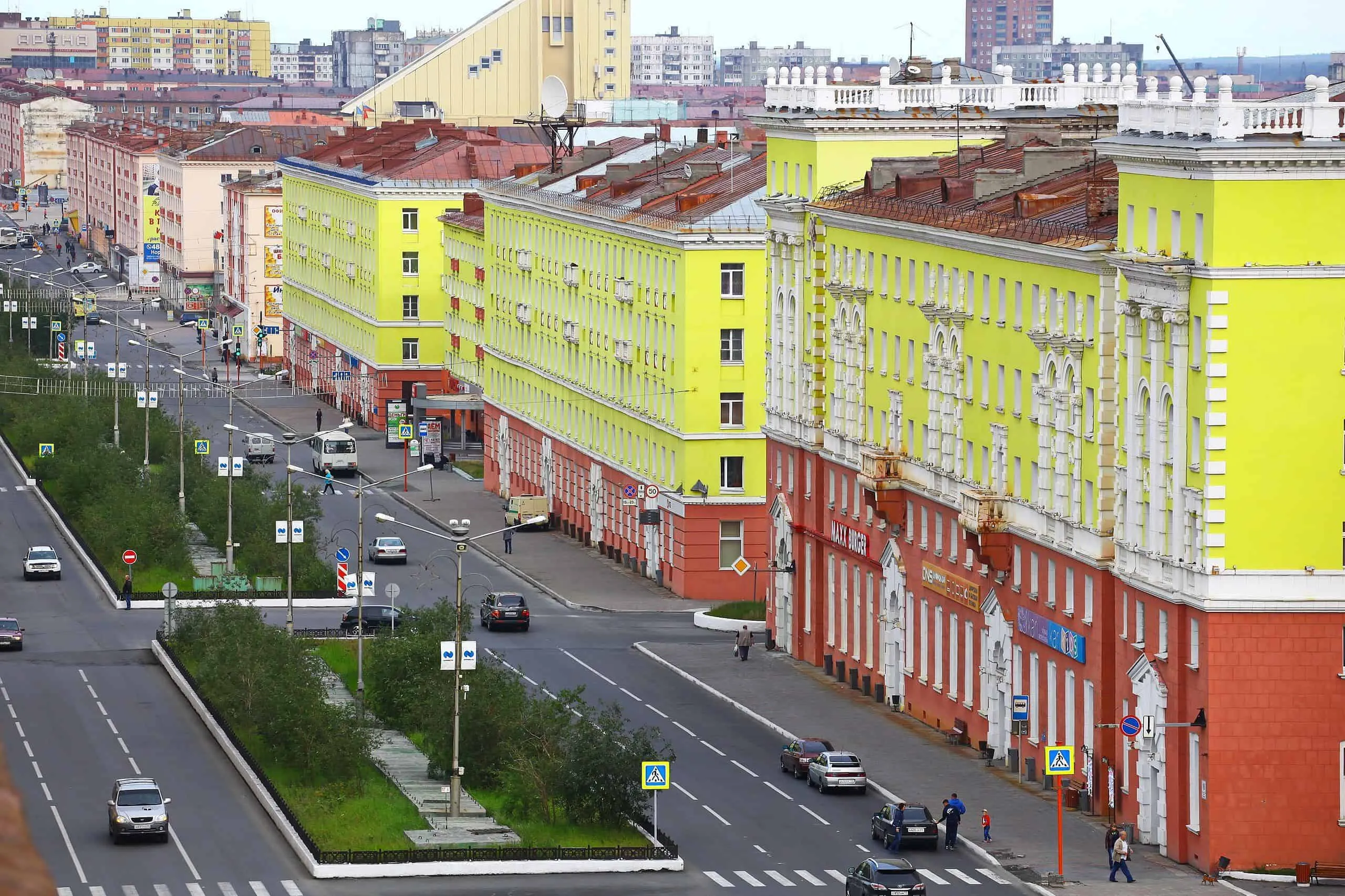
A remarkable city in the Arctic region of Russia. Norilsk is the northernmost city in the world with a population over 100 thousand people and one of the coldest cities on Earth. It is still cold. The climate here is harsh, winters last seven months a year, and strong winds blow. Building such a large city under conditions of permafrost was considered fantasy by many, but the project became reality. Norilsk now intends to make another leap into the future. Here, a massive renovation is announced and architects from all over the world are invited for this purpose. Currently, applications are still being accepted for an open international competition to create a new architectural concept for Norilsk. The project envisages the appearance of new houses, infrastructure, and public spaces. And the world will get a unique opportunity to create a future city beyond the Arctic Circle. According to all competition rules, 27 participants submitted applications: 12 individual applicants and 15 companies, a total of 73 companies. The geography of participants is broad—13 countries, 22 cities. Applications from architectural firms in Russia, the United Kingdom (London), Denmark (Copenhagen), Belarus (Minsk), China (Changchun), Turkey (Istanbul), India (Mumbai), USA (Charlottesville), Canada (Toronto), France (Paris and Charenton), Netherlands (Utrecht), Sweden (Stockholm), and Norway (Tromsø and Bodo).