Stylish Ceiling
Historical Interior Styles
Commonly used in interiors, this category includes empire, avant-garde, antiquity, art deco, classicism, modernism, baroque, rococo, and eclecticism.
A brief overview of each.
Avant-gardeAvant-garde is experimental creativity. In interior design, it may manifest through contrasts, modern finishing techniques, and materials such as decorative plaster, metallic wallpapers, suspended ceilings, and laminated surfaces.
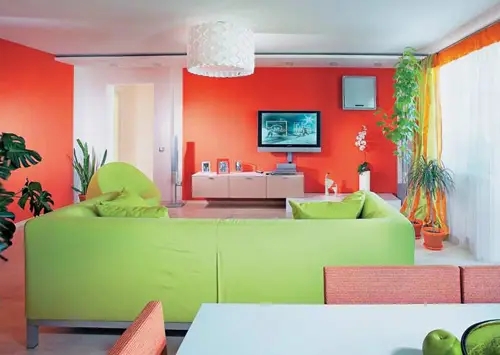
Photo 1 — Ceiling in avant-garde style – double-level suspended with lighting
EmpireEmpire is the final and very powerful note of classicism. When classicism had already said everything, empire emerged as its successor.
The essence of this style lies in its name: 'empire' from French 'empire' – empire.
Simply put, it combines characteristics of Ancient Greece with ancient Egyptian motifs, creating a synthesis of aristocracy, luxury, and opulence.
Empire in interior design means drapes, abundant decorations and ornamental details made from expensive metals, antique paintings in heavy frames with elaborate moldings, and gilded elements.
Empire ceilings feature elaborate moldings, rosettes, and crystal chandeliers. If full opulence doesn’t fit in an apartment with standard 2.65 m ceilings, consider applying the style fully in the room’s furniture and curtain decoration, while keeping the ceiling white with a subtle textured pattern and a silvery sheen.
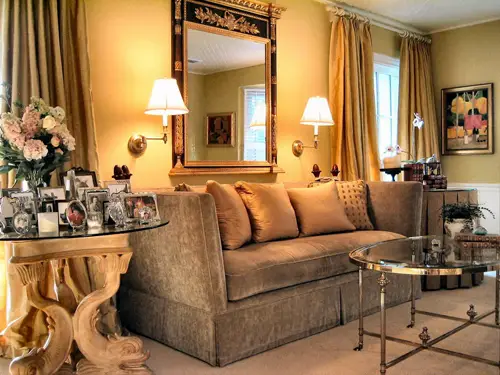
Photo 2 — Room in empire style
Art DecoArt Deco, compared to empire, is a relatively 'fresh' style. Originating from Western Europe and America, it promotes flowing furniture forms, chrome handles on wooden cabinet fronts, exotic natural materials (ivory, snake skin), and human figures depicted in unnatural poses.
Art Deco is a style designed to showcase status at maximum. This applies to both finishing materials and decorative elements – only expensive artworks by renowned masters, high-end decorative components made from premium materials, and use of costly wood species for furniture.
Surprisingly, Art Deco is quite 'loyal' to ceilings: simple, understated white finishes work well. This creates a neutral backdrop to highlight other interior elements.
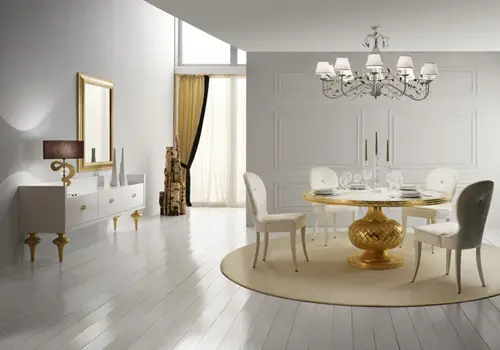
Photo 3 — Ceiling in Art Deco style
ModernismModernism is a departure from straight lines and angles in favor of natural, 'organic' lines.
Modernism in interior design features curved lines in unusual architectural structures, attention to plant motifs and patterns, both natural and exotic in color.
Modernist ceilings are multi-level structures with varied finishes.
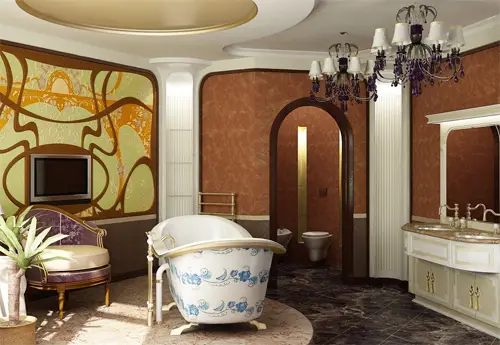
Photo 4 — Bathroom in modernist style
BaroqueBaroque is a style originating from Italy. It is a luxurious palace style, where key elements in ceiling decoration include frescoes, moldings, and gilded details.
Can't afford to install images of chubby angels on the ceiling? Limit yourself to a visible ceiling cornice.
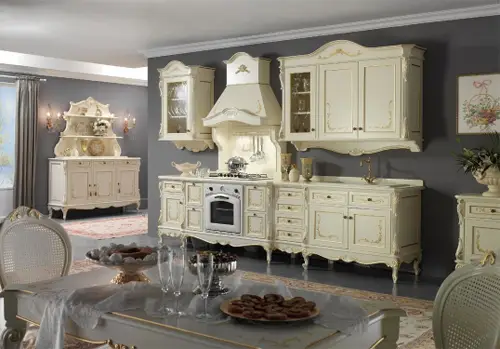
Photo 5 — Kitchen in baroque style. Ceiling used PVC or plaster cornices
Ethnic Styles
Popular ethnic styles in interior design include English, Eastern, Chinese, Provence, Scandinavian, and Japanese styles.
English StyleEnglish style is a general term for two distinct styles: Victorian and Georgian.
The main principle of English style in interiors is restrained display of wealth.
Luxury should be shown with restraint. Consider combining solid rugs in calm colors and patterns, wall panels with intricate fasteners.
Dark wooden furniture and distinctive window treatments are often used – voluminous drapes with flounces, heavy cords with tassels, and valances.
Ceilings in such interiors are multi-level structures with restrained, geometric shapes, use of massive wooden elements – beams, cornices, and gypsum decorative details.
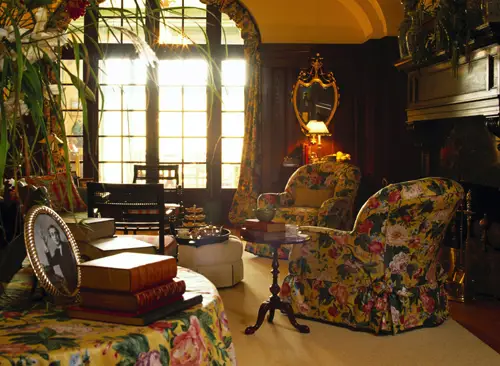
Photo 6 — Ceilings in English style
Eastern StyleEastern style is a variety of colors combined with luxury in every element used in the interior.
Materials: wood, bamboo, metal, silk.
Forms: fluid, simple, yet attractive.
Ceiling finishes in such interiors include textured plaster, mosaics, paintings, reflective surfaces, and repeated patterns applied via stencils.
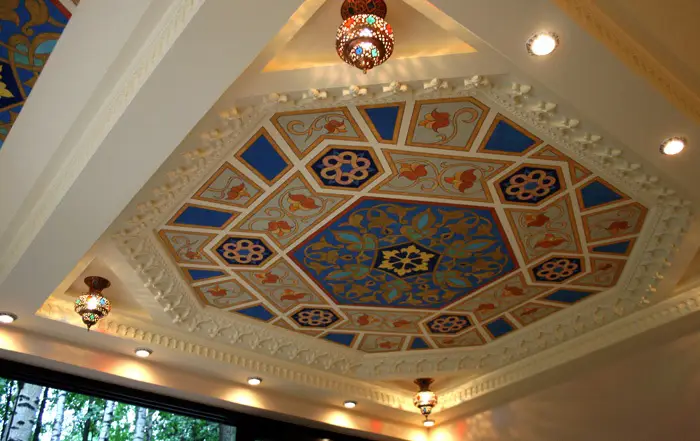
Photo 7 — Ceiling in Eastern style
Chinese StyleChinese style avoids sharp, straight lines and acute angles.
Key materials: bamboo, silk, abundant drapery, and ceramics in decor.
For ceilings in Chinese style, apply paint in key tones – red, burgundy, soft sand, noble emerald. You may also add a distinctive cornice or apply traditional decorative painting.
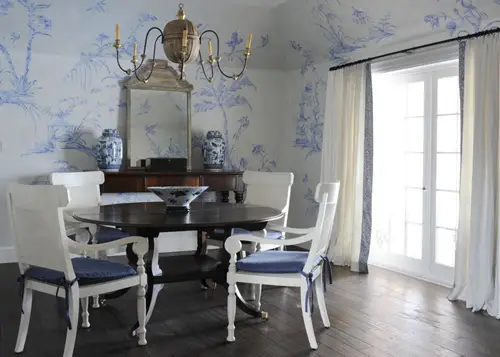
Photo 8 — Ceiling in Chinese style
ProvenceProvence is a provincial French style, characterized by extensive use of floral motifs and soft, rich hues.
For ceiling finishes, this style may appear in the form of gypsum arched structures, stylized beams, textured plaster, and wooden strips for accent cladding.
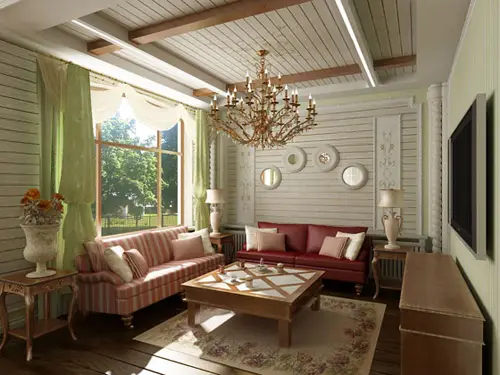
Photo 9 — Ceiling in Provence style
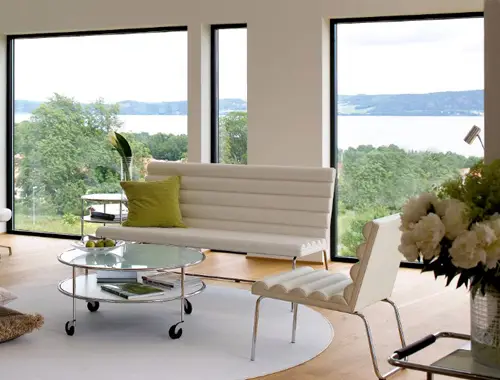
Photo 10 — Interior in Scandinavian style – no ethnic elements. Restraint, maximum simplicity of forms and finishing techniques
Japanese StyleJapanese style emphasizes natural materials and simple forms.
For ceilings: white, soft beige, gray tones, panels with lighting, stylized as paper-like, wooden cladding in gray tones, dark brown wood.
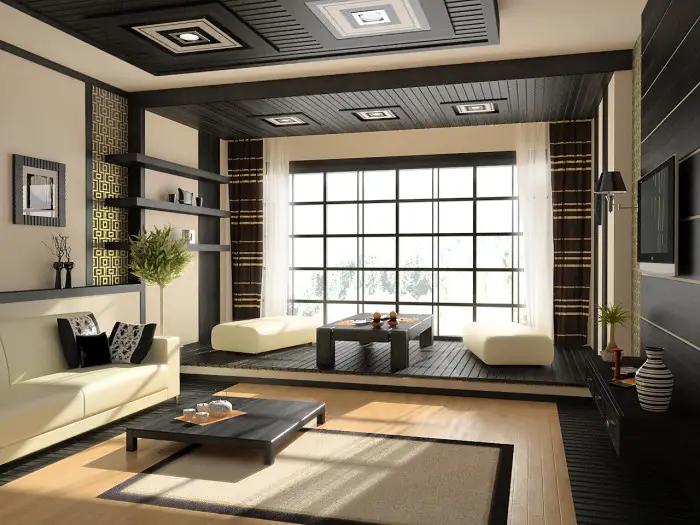
Photo 11 — Ceiling in Japanese style
Modern Styles
LoftLoft is a type of living space formed by major renovations in former industrial buildings (factory workshops, for example) or new constructions styled to resemble old industrial spaces.
The core feature is a vast open space. Ceiling finishes emphasize maximum simplicity: whitewashed flat ceilings, or ceilings left raw, exposed down to the brick base.
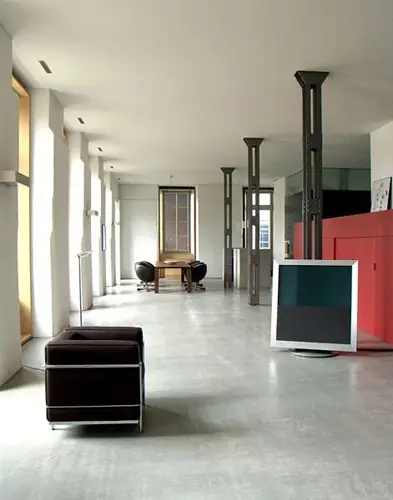
Photo 12 — Ceiling in loft style
CountryCountry, surprisingly, is a modern style, though partially inspired by rural homes.
For ceiling finishes in this style, natural materials are typical, with only wooden beams as prominent structural elements.
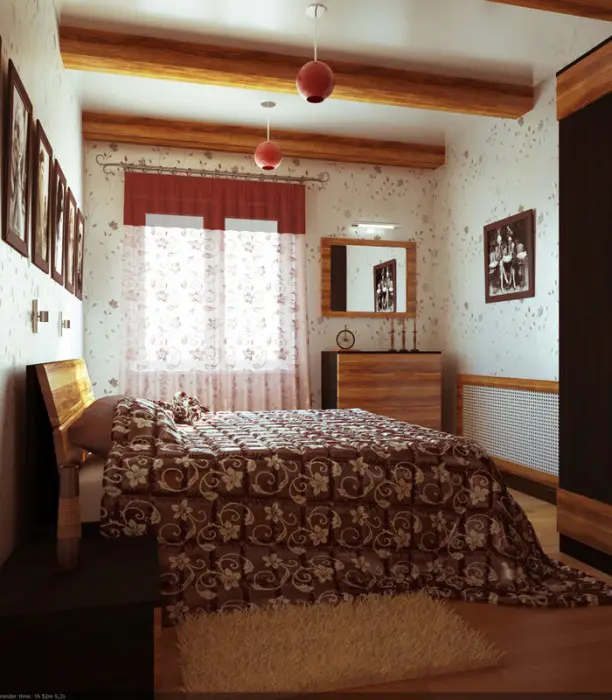
Photo 13 — Ceiling in country style for a bedroom
High-TechHigh-Tech is a style in architecture and design that emerged in the 1970s.
Literal meaning: artistic interpretation of high technology. It represents the aesthetics of modern materials.
Ceilings in such interiors can be neutral – flat, white, and free of ornate details (as in minimalism), or highly innovative – made from glass blocks embedded in massive partitions with integrated lighting.
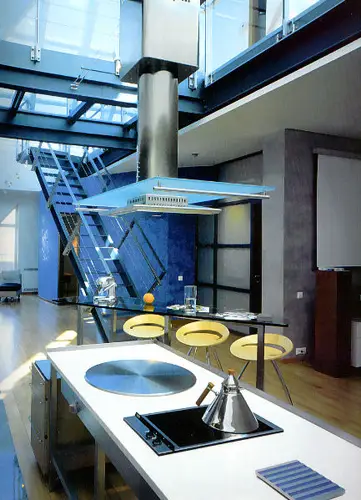
Photo 14 — Ceiling in high-tech style
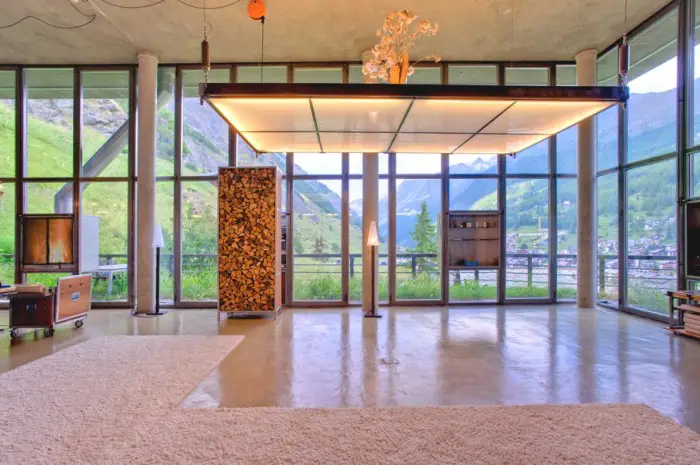
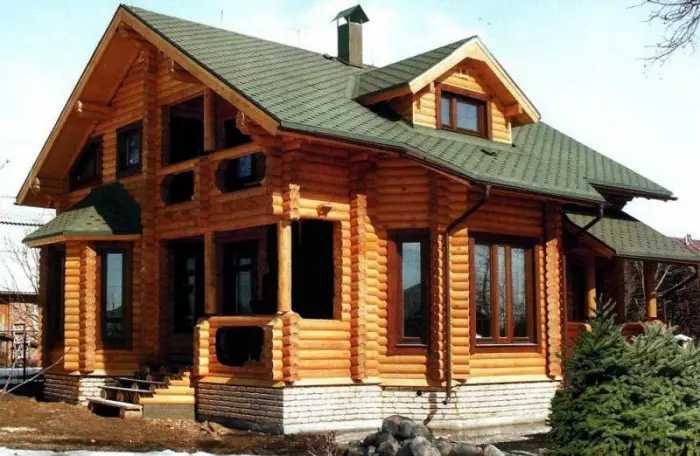
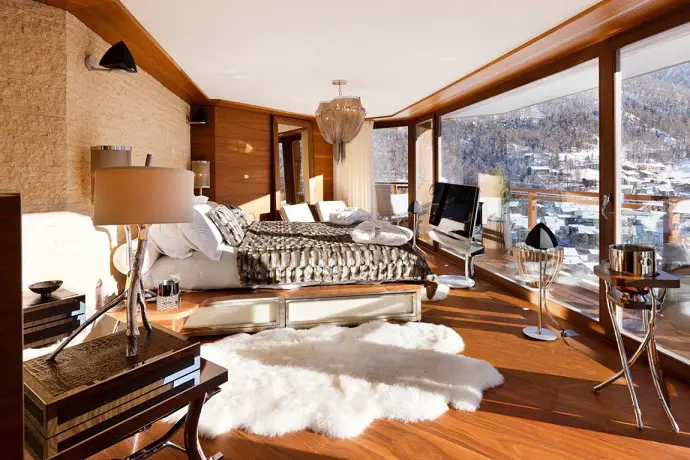
Photo 15 — Finally, elaborate ceiling design in chalet style – a fusion of natural materials and spaciousness