Insulating the Log Cabin – Which Material to Choose
Insulating the Joints During Log Cabin Assembly
The inter-rung sealant is installed directly during the laying of logs or timber. The insulation is laid or rolled out on the surface of the lower row. The next row is then placed on top.
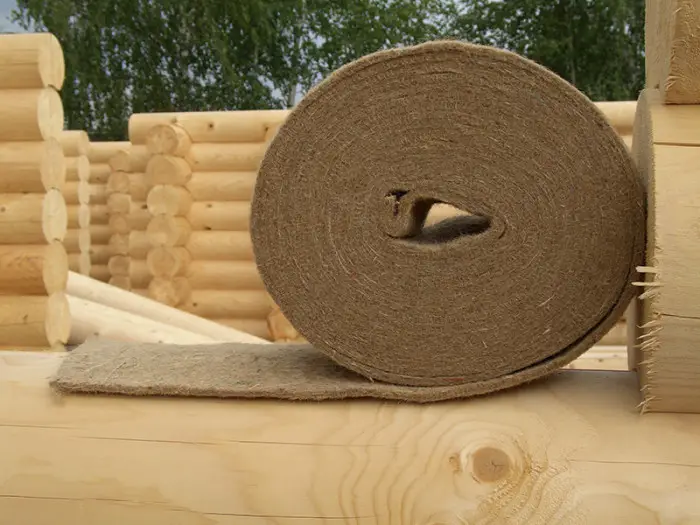
Photo 2 – Laying the inter-rung insulation
IMPORTANT! When laying the insulation, leave small overhangs on the sides of the logs/timber. These will later be useful for convenient chinking.
After the structure is assembled, the excess insulation material is driven into the grooves using a special tool. This ensures sealing and insulation of the joints.
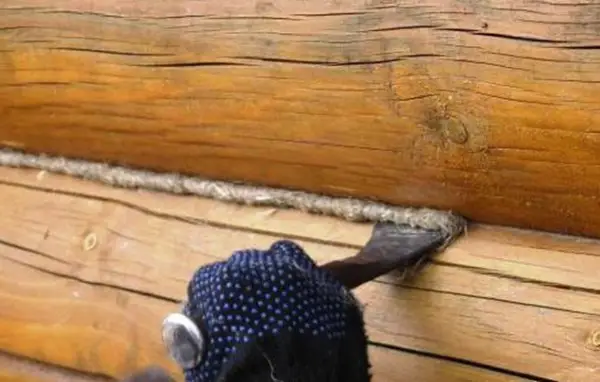
Photo 3 – Chinking
Chinking is performed the same way from inside and outside the log cabin.
Insulating the Floor
There are various technologies for insulating the floor.
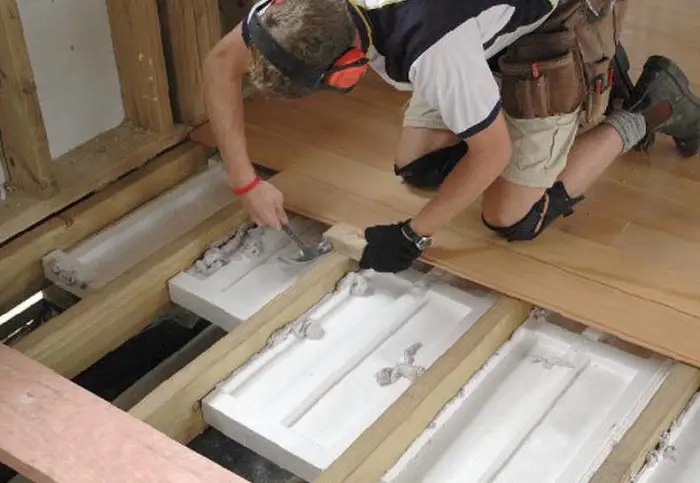
Photo 4 – Floor Insulation
Solid wooden
Soil is excavated to a depth of 50 cm. A 'pad' is built in the resulting 'hole':
- sand – 5 cm;
- expanded polystyrene – 20 cm;
- cement – 5 cm;
- rubberized felt on bitumen mastic;
- reinforcing mesh;
- concrete mixed with granite gravel – 5 cm;
- cement screed.
Joists are placed on top, followed by the finished floor.
Double woodenA special layer is installed between the subfloor and the finished floor, made of:
Mineral wool or polystyrene boards are enclosed within a concrete screed shell.
Heated FloorsThe technology involves laying heating pipes or electric cables into a concrete base with special water collectors and ventilated openings. The temperature inside the 'box' is maintained automatically by a special system.
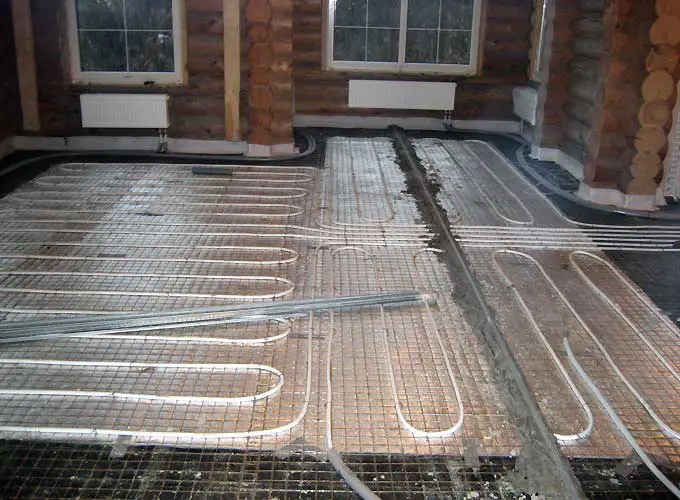
Photo 5 – Heated Floors
The concrete structure is covered with ceramic tiles on top.
Insulation for Log Cabins
Insulation materials for log cabin walls may include:
- natural moss;
- common packing material (pakuha);
- natural wool;
- hemp fiber.
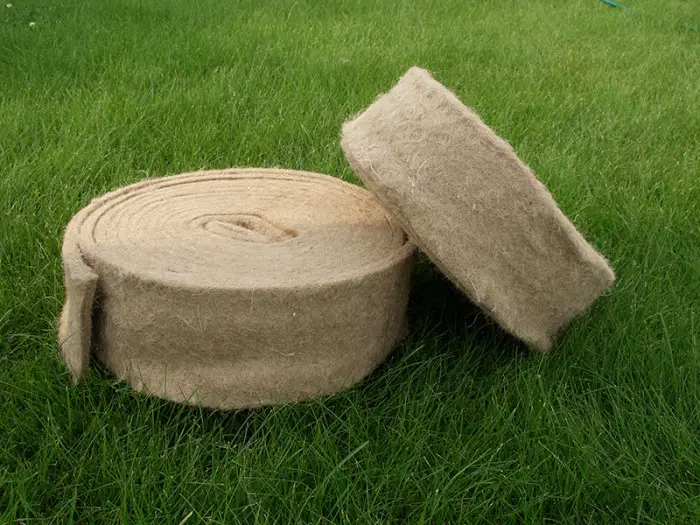
Photo 6 – Easy-to-use insulation
If you wish to use moss or pakuha, pre-soak the material in a disinfectant solution.
Hemp insulation is popular due to its affordable price, high performance, and ease of installation. The main component of hemp-based insulation is flax. Inter-rung insulation like hemp can be purchased in convenient rolls, already treated with antiseptics.
Wool insulation is made from sheep's wool. It is very warm and eco-friendly, but high cost and low resistance to climatic stress limit its use as inter-rung insulation.
Which Inter-Rung Insulation to Choose for a Log Cabin
It is advisable to choose an insulation material that is easy to install into the grooves. For example, if you purchase a roll of hemp insulation and use it during cabin assembly, chinking will not be required afterward.
Advantages of high-quality inter-rung insulation for log cabins:
- ecological safety and non-toxicity;
- uniform joint sealing;
- high moisture resistance;
- high thermal resistance;
- resistance to rot and mold;
- fast and efficient installation;
- longevity. The insulation maintains its quality for approximately 75 years without changes;
- no additional treatment required when placed between assembled logs.
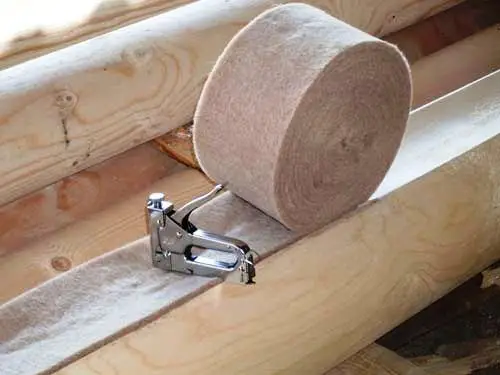
Photo 7 – Ease of installing inter-rung insulation
$ Inter-Rung Insulation for Log Cabins – Price
Standard inter-rung insulation has the following manufacturer-defined dimensions:
- width – 3–20 cm;
- length per roll – 12 m;
- density – 600 g/m²;
- thickness – 5–6 mm.
Prices for inter-rung insulation used in log cabin construction start at $2 per roll.
Cost increases with wider roll widths.