Beautiful Ceilings
Brief Classification of Ceilings
Ceilings are classified by finishing method and type of finishing material into:
- painted ceilings − painting the ceiling surface using various paints or whitewash;
- vinyl or adhesive ceilings − for these ceilings, regular wallpaper or adhesive paper can be used. Additionally, fabric can also be glued to the ceiling.
- wooden ceilings − this type of ceiling is cladded with tongue-and-groove boards or MDF, which is entirely feasible to do yourself;
- metallic ceilings − ceiling panels made from stainless materials, used as suspended ceilings;
- ceilings from natural stone − the most popular material is limestone-chalkstone;
- gypsum ceilings − gypsum ceilings may refer to either drywall ceilings or those with decorative gypsum moldings;
- reflective (mirror) ceilings − ideal for expanding space, created from soft or rigid cladding materials with special coating;
- insulated ceilings from mineral wool materials − requires additional finishing, but ensures warmth in the home;
- ceilings from PVC panels (polyvinyl chloride) − easy to install and affordable (one section of such a ceiling costs only $1.7–3.5);
- ceilings from acrylic plastic − thanks to special manufacturing technology, dozens of embossing patterns are available for this finishing material;
- ceiling from MDF panels − an affordable option for eco-friendly finishing;
- suspended (tension) ceilings (glossy, matte, satin) − one of the fastest ways to cover a base ceiling, extremely popular due to variety of colors and surface finishes;
- combined ceilings − most of the above finishing options can be used not separately, but in combination (e.g., a mirror ceiling can be installed together with a suspended one).
- Multiple materials are used to create such ceilings, for example, drywall and suspended ceiling.
Beautiful ceilings don’t have to be expensive— even the most costly ceiling can be ruined by bad taste.
Preparing for Ceiling Finishing
Before starting work on the ceiling, consider the following:
What is the height of your base ceiling, and how best to modify it to avoid losing space, especially if the height is low? − Suspended ceilings require at least 10 cm of height for installing the metal framework and final cladding, especially on surfaces with high curvature. For tension ceilings, 3–4 cm may be sufficient.
Which materials are best suited for a modern or classic style? − For example, cassette ceilings in offices should be made from natural materials to emphasize status and importance of the space.
Office spaces can be finished with mineral perforated panels − a neutral and fast option for large-area rooms.
Do you need additional lighting, insulation, soundproofing, or protection against leaks? − All additional utilities should be planned before work begins, as running hidden wiring or concealing an exhaust fan behind the ceiling after full installation will be difficult. With modular ceilings, it's easier: remove a few panels, connect an extra lamp to the ceiling, and reinstall the panels.
How to use your budget wisely and avoid buying unnecessary items? − This requires a clear work plan and a clear vision of the final result.
How to calculate the required material quantity? − If you've already chosen a ceiling finishing material, you can easily find online calculators to quickly estimate not only the amount of materials needed, but also their approximate cost. Such tools are commonly available on websites specializing in drywall and suspended ceiling installations.
How to ensure ceiling safety and eco-friendliness? − By purchasing from certified stores and understanding manufacturers, you can be confident that no toxic or low-quality items will be sold to you.
These are the main points to consider before starting any renovation. They will help you achieve a beautiful and high-quality ceiling.
Decorating the Ceiling
Standard white ceilings are becoming increasingly outdated. Simply painting the ceiling in any color other than white is already an art form.
Here are several ways to decorate your ceiling and make it unique and one-of-a-kind:
Tapestry painting using a stencil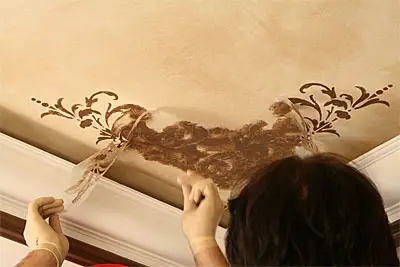
Photo 2 − Painting on ceiling using a dark paint stencil
Stencil painting is ideal for those without artistic talent but still wanting to create a hand-drawn design on the ceiling. Stencils can be bought at building or art supply stores, or made at home. You’ll need paper, cardboard, pencil, eraser, and scissors.
You can create both simple linear designs and more complex structural elements.
Cost: You can make a stencil yourself, or purchase one—prices vary from $1.7 to $15 depending on material and size. Average paint cost is $8–15. You can use either cheaper spray paint or standard water-based emulsion paints.
Paint splatteringFor this type of decoration, you need thick paint that doesn’t form solid patches. The process is fun and especially enjoyable for children. This type of ceiling will delight not only with its appearance but also with the memories it creates. As for colors, many combinations are possible. Tip: Let each color dry before applying the next to avoid unwanted mixing.
Cost: Depending on paint type and container size, you can spend $4–15 for this ceiling decoration.
Hand-painted design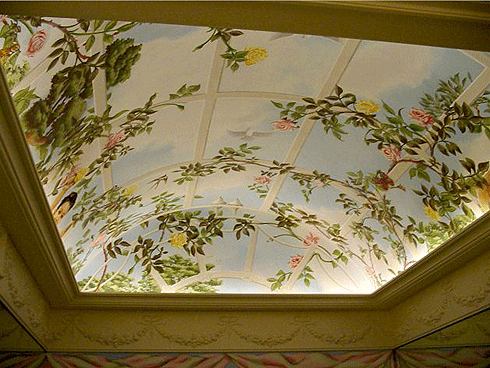
Photo 3 − A beautiful floral design adds softness to the interior
This is a professional way to decorate a ceiling. It’s best left to skilled artists or people with drawing talent. Designs can range from simple patterns and flowers to true masterpieces.
Cost: The price depends on the complexity of the design, painting technique, material cost, and the artist’s expertise. On average, this work costs no less than $23 per square meter including all materials.
Ornament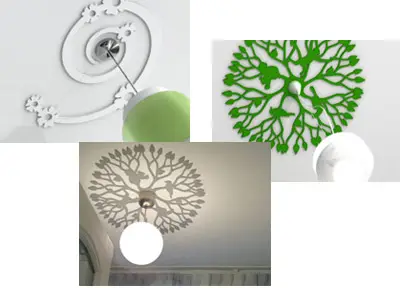
Photo 4 − Ornaments beautifully highlight the center of the ceiling
Ornaments can be three-dimensional or flat, round, square, triangular, irregular, colored, pastel, etc. Such ornaments can, for example, emphasize the area around a chandelier by placing it in the center of the ceiling.
Cost: Such decorative ceiling elements typically cost $3–17.
Wall decalsCeiling decals are a simple, original, and affordable way to decorate a ceiling. They’re especially appealing to those who don’t want to paint directly on the ceiling. Kids love them too, as favorite cartoon characters can watch over them every day.
Cost: Vinyl decals are the most affordable ceiling finishing option. Prices rarely exceed $27, with a minimum starting at $1.7.
Fabric covering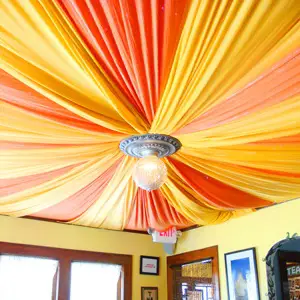
Photo 5 − Fabric ceiling design in a living room interior
One of the most popular ceiling decoration methods. Using fabric panels made with various techniques, you can create unique interiors. This method is especially loved by owners of classic-style interiors. Fabric can form not only folds but also rounded shapes or bow-like forms.
Cost: It’s difficult to determine an average price due to the wide variety of fabrics and creative design options. A good quality fabric may cost $8–12 per meter.
Ceiling beams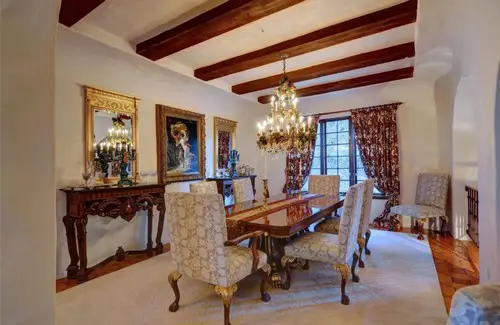
Photo 6 − Ceiling beams add elegance and coziness to the interior
It’s commonly believed that beams are suitable only for wooden homes. This is a misconception. Wooden beams can create a homely atmosphere, and decorating them with flowers or ribbons immediately removes any sense of roughness.
Cost: If wood finishing isn’t affordable for everyone, and not every ceiling structure is strong enough to support the weight, wooden beams can be replaced with polyurethane imitations. These cost $13 per square meter. Available finishes: dark, white, light tones to match any wood type.
Lighted ceiling panels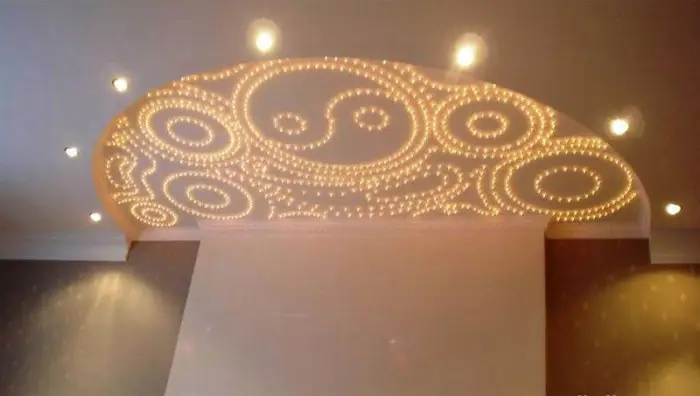
Photo 7 − Play with light on the ceiling to create unique lighting
These panels can replace light fixtures and still provide sufficient room lighting, making the interior appear more original. The lighting can vary in color and even change hue.
Cost: Including materials and labor, such a ceiling element costs no less than $27 per square meter.
3D effect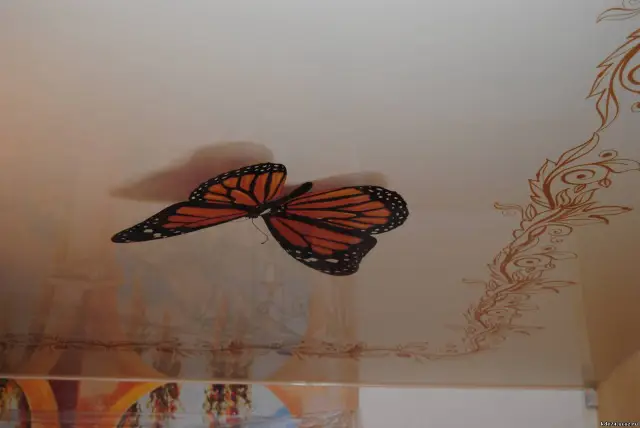
Photo 8 − Thanks to this effect, the butterfly seems to come to life
This effect can be achieved using special tension ceilings with 3D patterns, or via special coating and lighting.
Cost: Approximately $32 per square meter including all materials and labor.