Wooden House Finishing – External and Internal
Finishing a wooden house made from logs or timber can be done in various ways. Let's explore popular types of wooden house finishing.
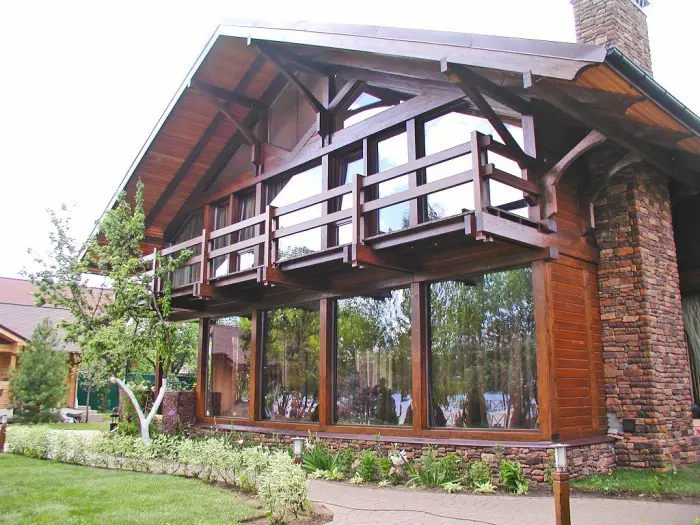
Photo 1 – External Finishing
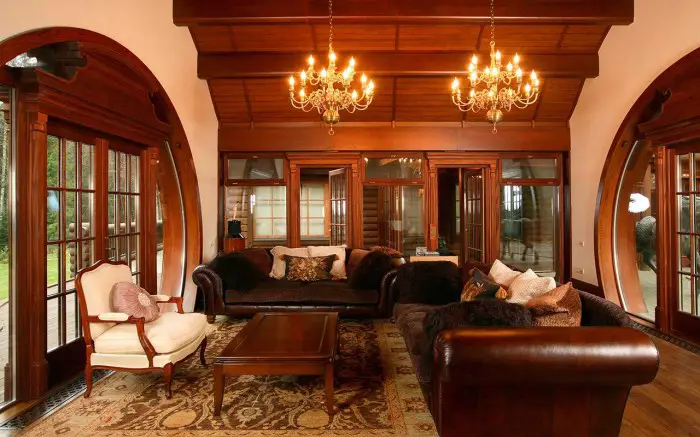
Photo 2 – Internal Finishing
Types of Finishing
External and internal finishing is required. Note that when constructing log cabins, you can get by with sanding the material, treating with antiseptics, and subsequent painting.
If you want to create an interesting interior style or clad the facade with modern panels, we recommend reviewing the relevant information.
External Finishing of Wooden Houses
SidingLog houses built 'in the lap' can be clad with facade materials. For example, you can learn how to install siding by watching a video.
Here, the steps for cladding are described in detail, including additional home insulation. Siding can be any texture, color, metal, or vinyl.
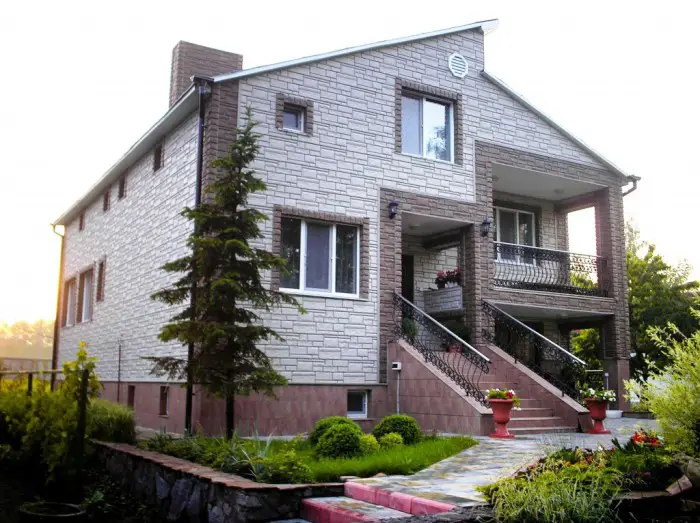
Photo 3 – Siding Cladding
Facade parts can also be clad with modern block house, tongue-and-groove boards, or natural stone siding.
BrickBricks are selected in the desired color. For this 'cladding,' a new foundation must be built and connected to the existing one. This option significantly reduces thermal conductivity, reliably protects against temperature fluctuations and climatic aggression, but is expensive.
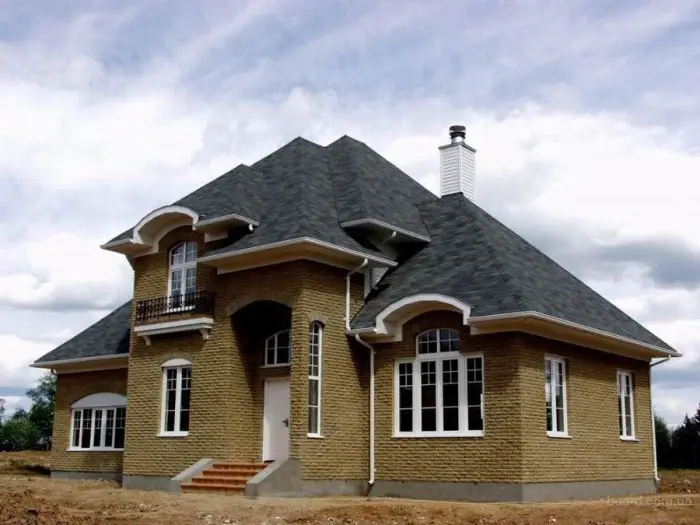
Photo 4 – Brick Cladding
Insulation panels + plasterHard insulation panels are attached to the base facade. A reinforcing mesh is laid on top. Layers of plaster are applied to insulated facade sections, with the final layer being decorative.
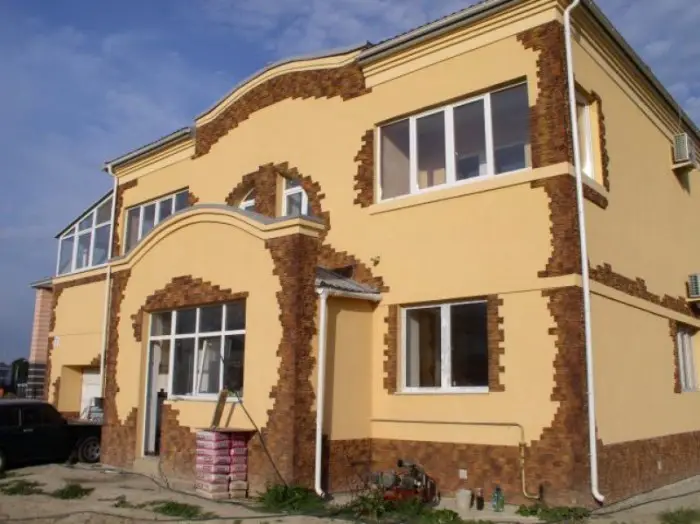
Photo 5 – Plaster Cladding
Corrugated metal sheetCorrugated metal sheets are usually not used as a facade cladding for wooden houses. They can be used for roofing.
Openings
External finishing of windows and doors in a wooden house can be done using:
- plastic;
- wooden tongue-and-groove boards;
- natural wood.
What is the best way to clad a wooden house?
Insulation LayerCladding the facade of a wooden house starts with insulation. Typically, mineral wool is used as insulation. Before laying mineral wool, a vapor barrier film should be installed, then a frame made from timber. Next, mineral wool sheets are laid, followed by a waterproofing material.
Vapor barrier is performed using:
- foil;
- polyethylene film;
- special vapor barrier film;
- bitumen roofing felt (rubberoid).
The frame for insulation is made from timber or boards measuring 50x100 mm. The frame is attached to the facade with screws, boards are laid vertically with a gap of 1–2 cm less than the width of the insulation sheet.
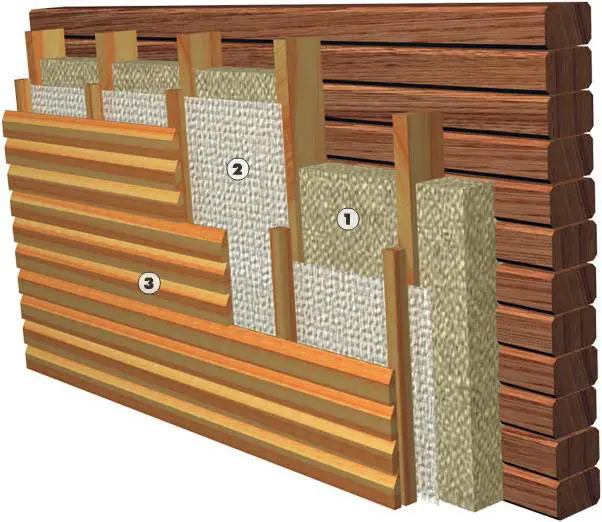
Photo 6 – Siding Cladding with Insulation
Mineral wool is laid at a minimum thickness of 50 mm. Above it – a waterproofing film, secured with staples or nails to the frame.
After installing the insulation layer, the facade can be sheathed with the chosen material.
Based on the house’s purpose and design, cladding with the appropriate texture and color is selected.
What to use to clad the facade?
It is best to clad the house with a material that reliably protects the facade and simultaneously enhances its appearance. For example, block house, which resembles natural logs, can be used.
Block HouseThe 'block house' material resembles round-sawn logs. Volumetric siding made from natural wood perfectly complements the style of wooden houses.
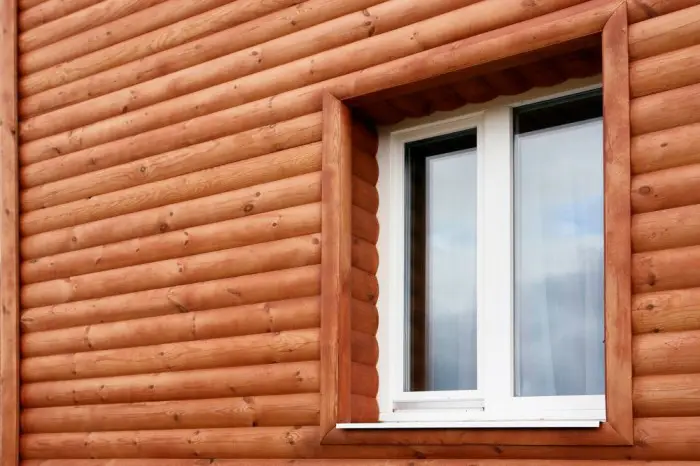
Photo 7 – Block House Cladding
Block house is made from coniferous wood. Advantages of the material include:
- attractive appearance;
- durability;
- easy installation;
- resistance to unwanted mechanical damage;
- resistance to climatic aggression.
Cost of block house starts from $12 per m².
SidingAvailable in metal or vinyl. Advantages include:
- durability;
- practicality;
- wide range of colors;
- fire resistance.
IMPORTANT! Metal siding is stronger. Note that this material is heavier and adds extra load on the foundation.
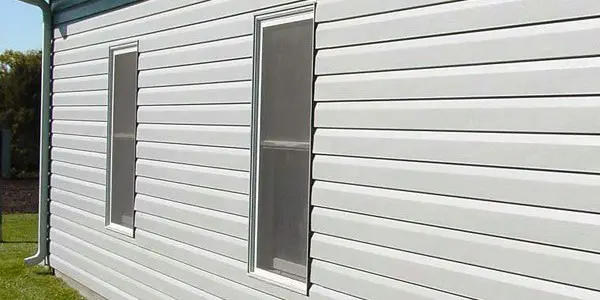
Photo 8 – Metal Siding
Cost of metal siding starts from $8 per m². Vinyl siding starts from $6 per m².
Tongue-and-Groove BoardsFacade can be clad with special, protective-treated tongue-and-groove boards. Advantages of tongue-and-groove boards include:
- eco-friendliness;
- thermal insulation;
- resistance to corrosion.
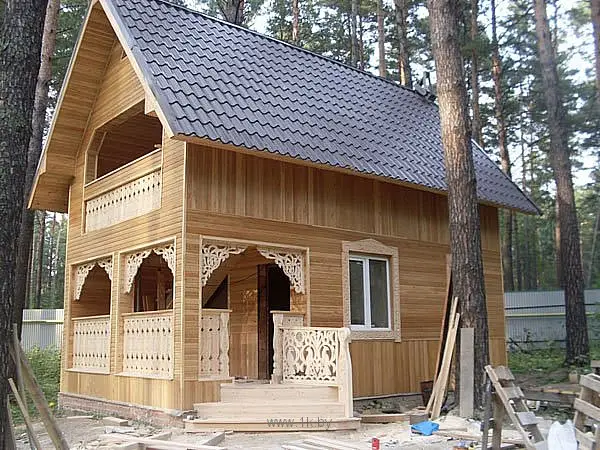
Photo 9 – Tongue-and-Groove Boards
Tongue-and-groove boards can be purchased from natural wood or composite material: wood + plastic – DPK (wood-plastic composite).
Cost of DPK tongue-and-groove boards starts from $19 per m². Cost of wooden tongue-and-groove boards starts from $7 per m².
Internal Finishing of Wooden Houses
Internal finishing is more expensive in both time and cost. The interior of a wooden house can be created independently or with the help of professional designers and builders.
Interior walls of wooden houses can be clad with:
- tongue-and-groove boards;
- block house;
- drywall (gypsum board);
- plastic panels.
There are no limits to internal finishing possibilities. When choosing materials, consider their quality and cost.
High-quality materials from reputable manufacturers offer durability, ease of installation, and repairability.
Cost per m²:
- tongue-and-groove boards from $5 per m²
- block house from $12 per m²
- drywall from $5 per sheet;
- plastic panels from $5 per m².
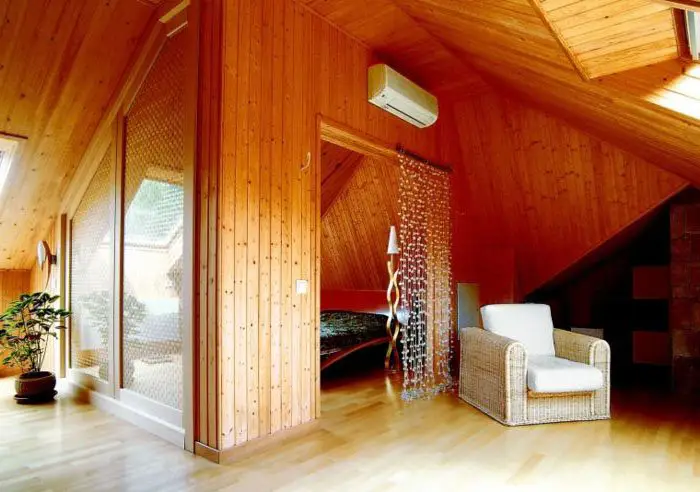
Photo 10 – Internal Cladding with Tongue-and-Groove Boards
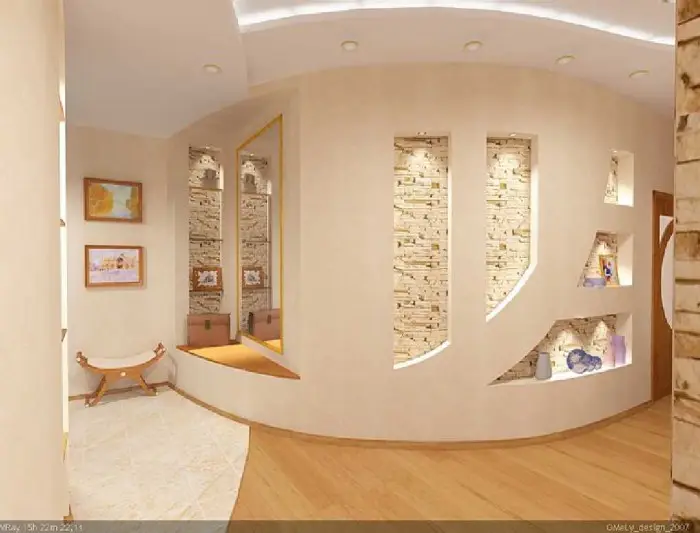
Photo 11 – Drywall Finishing
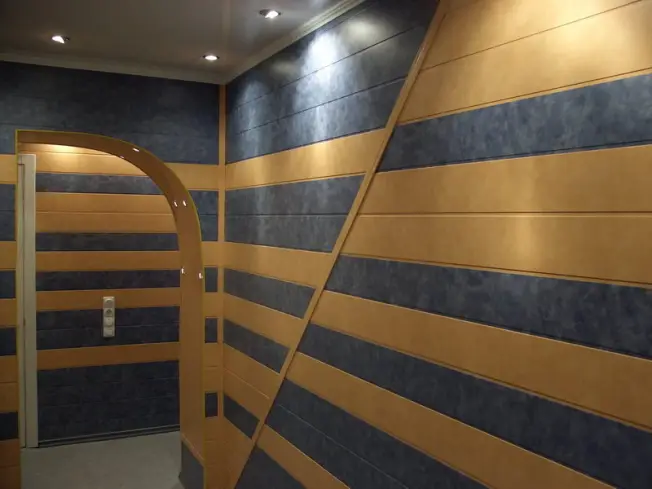
Photo 12 – Plastic Panel Finishing
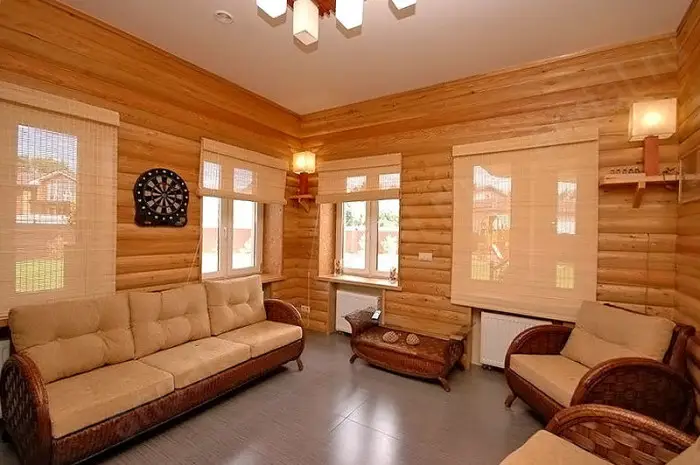
Photo 13 – Internal Block House Finishing
External Finishing of Wooden Houses
If external finishing of a wooden house is done correctly using quality materials, the structure will be reliably protected for years against:
- wall rot;
- mold formation;
- fungus growth;
- precipitation;
- fire.
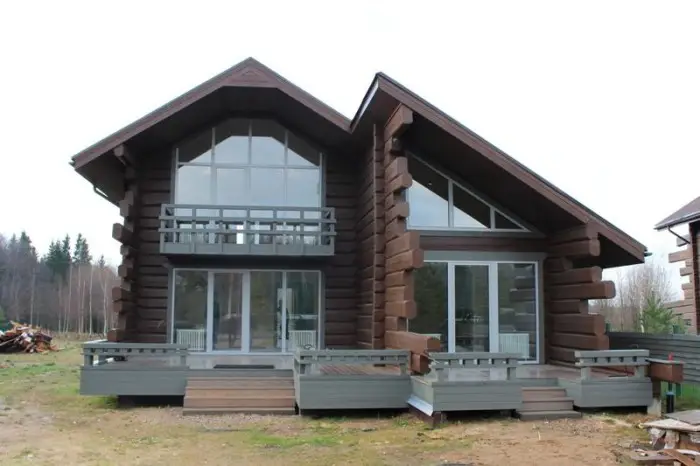
Photo 14 – External Finishing Options
Wooden House Finishing Video
Various methods of wooden house cladding are shown in a video.
Internal Finishing Costs for Wooden Houses
Internal finishing costs vary. Main expenses are materials. Labor costs are also incurred if not doing the work yourself.
Labor cost is usually equal to material cost. Therefore, doing the finishing yourself can save up to 50%.
For example, finishing a house up to 100 m² using standard, not very expensive materials costs about $15 per m². Costs increase depending on material price, finishing complexity, and structure.