Moss on Lawn: Causes and Removal Methods
How pleasant it is to look at a neat, well-kept lawn, where each blade of grass glistens emerald green, and the touch of delicate stems against bare feet is comparable to touching cool silk! You can create an ideal lawn covering almost anywhere—on any soil type, in any climate, and on any terrain. However, it does take considerable effort. After all, a lawn is like a living being, requiring care and consistent, proper maintenance.

There are many challenges in this demanding task, and one of them is moss appearing on unexpected lawn areas.
Causes of Moss Growth
Everyone knows moss thrives in moisture and shade. That’s why it typically begins to grow in lawns where sunlight rarely reaches or where moisture accumulates. However, there are cases when soil beneath lawn grass becomes mossy even on open, sunny areas. While healthy lawn grass naturally resists moss as a weed, because strong grasses easily and quickly displace it, moss becomes a problem when the lawn grass weakens or dies.
Therefore, moss growth is a clear sign of improper lawn care.
Primary causes of moss on lawns include:
- Excessive shade on the lawn area,
- Excess moisture in the soil,
- Deficiency or excess of nutrients,
- Too low mowing height,
- High soil acidity.
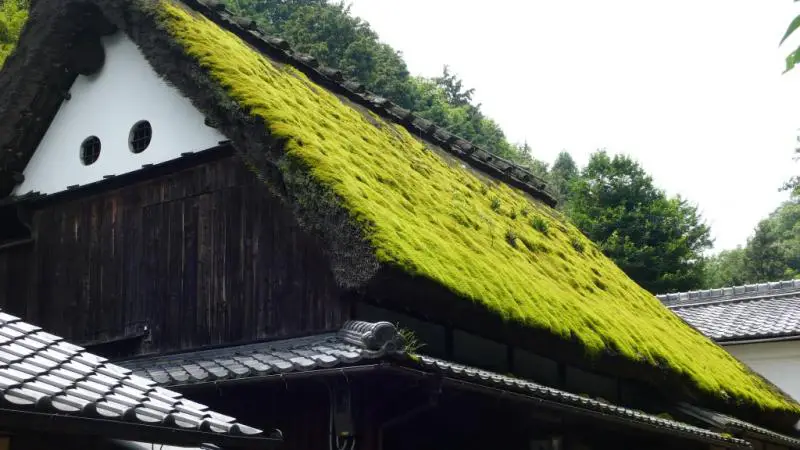
You can identify the root cause by observing the moss’s appearance. For instance, if the soil is too dry or acidic, moss produces upright shoots, with a bright green top and brown base. On poorly drained and shaded areas, creeping moss grows. When grass is mowed too short, dense mats of short, upright moss stems form.
Methods to Combat Moss
The most favorable time for moss to appear on lawns is deep autumn, when soil moisture is consistently high and lawn plants have entered winter dormancy. Therefore, the first step is to thoroughly inspect the lawn before winter and mark areas where moss grows most actively. In the following season, these zones must receive special attention and all necessary preventive measures must be taken to stop moss spores from spreading.
As soon as infected areas are detected, immediate action is required. In autumn, you can perform soil aeration, test soil acidity, apply proper fertilization, and sand the affected zones.

But most importantly, all moss removal methods should focus on eliminating the root cause.
- If the lawn has uneven ground with depressions where water often pools, you must level the soil. This is done by topdressing the lawn with specially formulated soil mixes. Crucially, these mixes must include sand to significantly improve drainage.
- An effective method to fight moss is soil aeration. Piercing the topsoil (turf) improves drainage, ensures proper root aeration, and enhances water and gas exchange in the soil. For small areas, use garden forks; for larger lawns, use manual or mechanical aerators.
- If high soil acidity is the cause, you must apply liming. First, test soil acidity. Only if the soil pH is below 5.5, apply lime. Mix lime with sand and spread evenly over mossy areas, but only in dry weather. Liming should be done in autumn or winter, applying crushed limestone at a rate of 0.5 kg per square meter. Alternatively, you can raise soil pH using general-purpose herbicides or by adding small amounts of peat to spring mulch mixtures. This method is rarely used, as frequent use of chalk, garden lime, or limestone can severely harm the lawn. Solving one problem may lead to others, such as weed spread, fungal infections, reduced grass quality, or increased earthworm populations.
- If soil lacks nutrients, perform a full fertilization using various types of fertilizers, including nitrogen. These treatments should be applied early in spring, while the lawn is still covered with snow.
- If moss has spread over large areas, you must take drastic action using strong chemical agents. Typically, copper sulfate, or mixtures containing sand (without lime), iron sulfate, or ammonium sulfate are used. Liquid chemical preparations based on dichlofens have proven effective. Apply in the early morning, only in dry weather. If no rain falls within two days, water the lawn.
- To prevent moss in shaded zones, sow grass varieties that thrive in low light. For example, meadow fescue or red oat grass are ideal for such areas.
If the cause of moss growth is correctly identified and all actions are properly executed, moss should turn black and die within the next two weeks. Carefully rake it up, avoiding excessive treading on the lawn, and reseed treated areas with fast-germinating grass.