Two-Pitched Mansard Roof
It's no coincidence that the roof is called the fifth facade of a building. Especially when it's a two-pitched roof, where up to 80% of its surface is visible from ground level. How is it built?
What materials are used? How are the key structural joints made? How convenient and practical is its design for home occupants? These and many other questions interest not only the homeowner but also their guests.

This article focuses on the mansard type of two-pitched roofs. The stepped, sloped roof has been the most popular choice among homeowners of all levels for many years. Many aim to maximize usable space under the roof slopes.
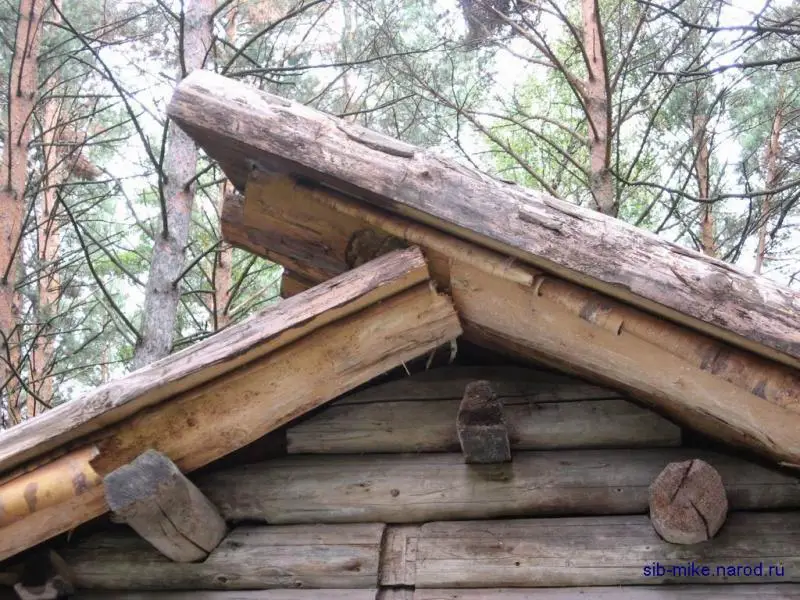
A mansard roof consists of four planes facing each other. Load-bearing rafters are supported at the ridge point, as well as on vertical supports that simultaneously serve as walls of the attic room, and on the embedded joint between the rafter and the wall plate (perimeter timber).
The stepped shape of the mansard is formed by joining four surfaces. The vertical (almost vertical) side section of the roof, despite its steep slope, provides full usable space on the attic floor, with headroom up to 2.5 meters.
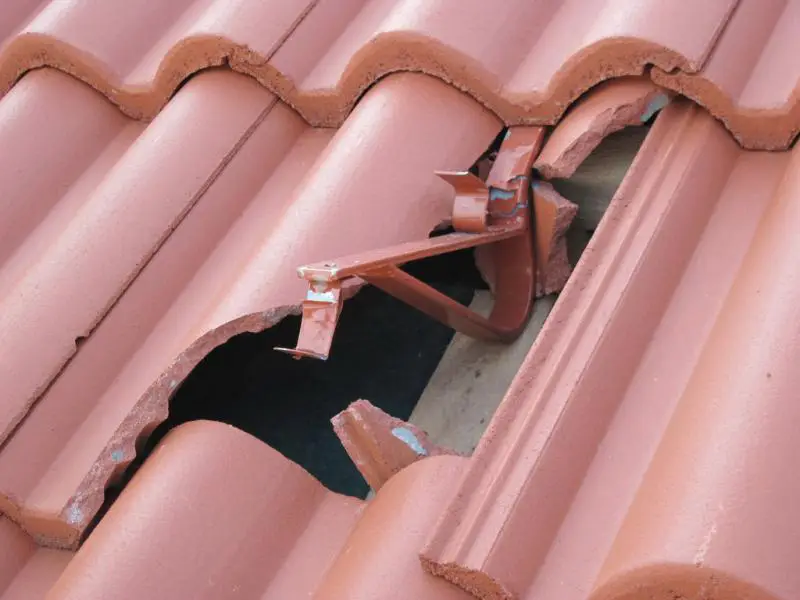
If the house is large, installing windows in both gables or adding dormer windows can create not just one, but two or even three spacious rooms in the attic. On the other hand, the attic demands high-quality materials and precise workmanship. Even the smallest breach in the roof's waterproofing can lead to major repair costs for the building owner.
Planning the Attic Space
Layout of the under-roof area depends on the building’s overall purpose and ground floor plan. Since the attic is not a standalone room, its suitability for permanent living depends on utilities supplied from below. This often affects the placement of the bathroom, toilet, and other facilities.
Additionally, the attic is typically connected via a unified heating and air conditioning system to the main structure. All these details must be considered when developing a design solution for an attic, whether in a new or existing building.
During construction, preference should be given to lighter yet strong materials. This includes wood species selection, cladding materials, roofing coverings, and some interior finishing elements.
Because a mansard roof has two sections on each side—one steep with maximum pitch, and the other nearly horizontal—special attention must be paid to the roofing material. On one hand, the covering must prevent avalanche-like snow runoff in winter. On the other, it must be strong and reliable enough to withstand long-term snow load.
Constructing a Two-Pitched Mansard Roof
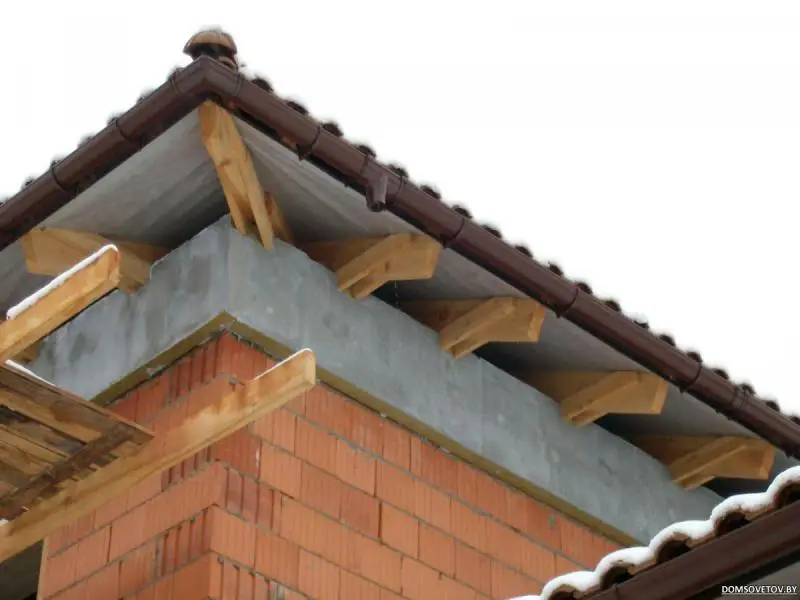
Since roof configuration determines the internal layout, special attention must be paid during construction to elements like rafter support brackets, height differences between gables and roof angles, and how the two planes meet on each side.
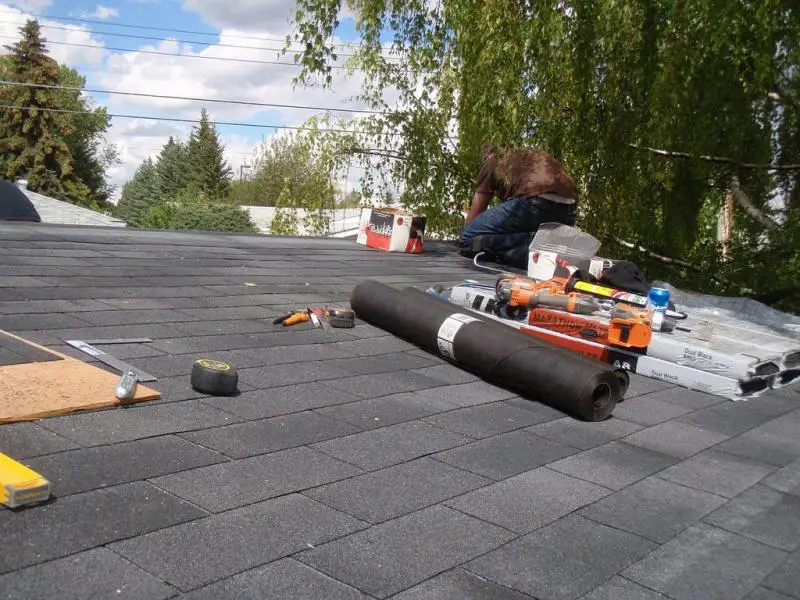
As a mansard roof is inherently heavier than a standard two-pitched design (due to greater lumber usage, larger roofing area, etc.), materials should be chosen for lightness and strength. Materials such as construction-grade timber and polymer-sand shingles are relatively expensive, but the investment in quality and durability is fully offset by the additional square meters of usable attic space.