Ceiling in the hallway. Or Welcome
- Tweet
- In blog
- By email
The hallway is the first place your guests enter. So to speak, they meet your apartment by its clothes. Remember this when planning the interior design. In theory, your living room should match the style of the rest of the apartment. Although some people design each room differently. However, remember that harmony is essential. A unified atmosphere should be felt. So, let’s start with the hallway ceiling.
There are many ceiling design options available online. However, not all of them can be done independently. Some are simple to install, while others require professional help.
Beyond ease of installation, ceiling choices depend on your budget and personal taste.
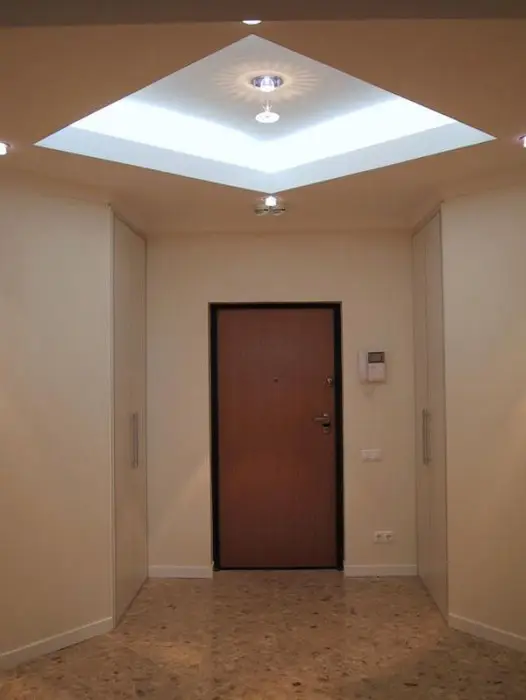
Photo 1 — Original hallway ceiling design
You can simply whitewash the ceiling. This is especially convenient for apartments with low ceilings. However, it still requires significant effort. The process involves cleaning, leveling, and painting the main ceiling. But it’s cost-effective, making it ideal if your budget is limited.
Alternatively, you can paint the ceiling. Today, many decorative paints are available that create unique textures and finishes.
Another affordable and non-invasive option is wallpapering. This can visually expand space in a narrow hallway or make a large area cozier. You can also use PVC panels (foamed polyvinyl chloride tiles) – a simple and budget-friendly solution. They hide imperfections in plaster and uneven ceilings, but as a low-cost option, they have drawbacks.
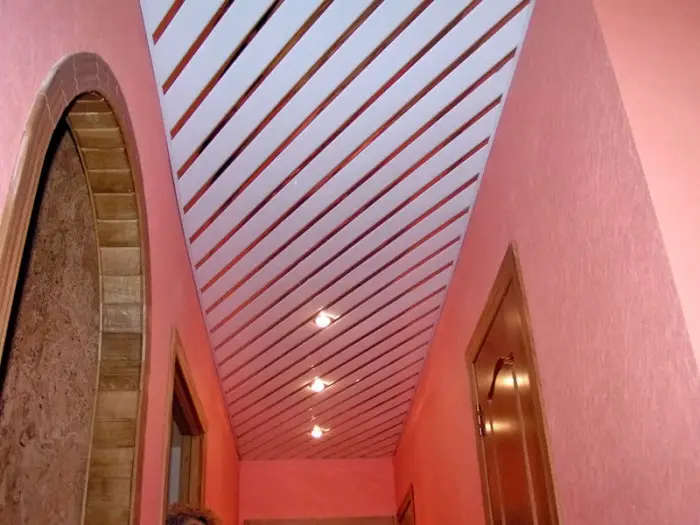
Photo 2 — Recessed ceiling in the hallway
If you can sacrifice 10–15 cm of ceiling height, suspended ceiling systems are a great option. This includes suspended metal grids, gypsum board ceilings, grillyto (a type of modular ceiling), and plastic panels. Each has advantages. In most hallways, suspended metal and plastic ceilings are preferred. These systems allow easy access to hidden utilities when repairs are needed.
This solution is also practical in case of flooding from neighbors. You can easily remove one or two sections to drain water, minimizing damage to the ceiling. Ceilings can be installed as single- or multi-level designs.
Multi-level ceilings are often used for aesthetic reasons, but they can also hide ventilation systems or bulky utilities.
Thoughtfully chosen lighting can help zone the hallway if needed. Recessed lighting is currently very popular. Small lamps are hidden in ceiling indentations or on different levels, creating various optical effects (e.g., floating ceiling illusion).
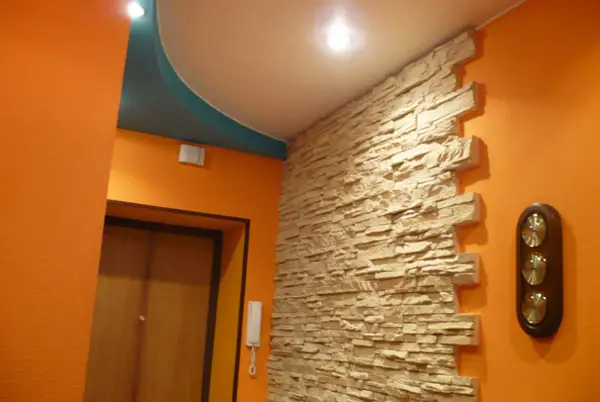
Photo 3 — Gypsum board ceiling
Another option for hallway ceilings is a tension (tensioned) ceiling. Its downsides include high cost and vulnerability to physical impact. On the other hand, it’s sure to impress guests. It can be finished as matte, glossy, mirrored, lacquered, metallic, faux leather, velvet, or satin.
For cost-effectiveness in hallways, PVC film is recommended for tension ceilings.
To make your ceiling memorable, use unique fixtures or creatively arranged built-in lighting.
Regarding visual effects, as mentioned earlier, light and color can create desired atmospheres. To make the ceiling feel higher, direct light upward and diffuse it. To create a sense of lowering, keep the ceiling in shadow. Use dark and warm tones to make it feel lower; light and cool tones to make it feel higher.
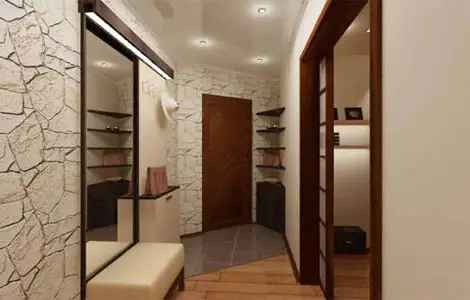
Photo 4 — Tension ceiling
Ultimately, it all depends on your preferences, creativity, and budget. Happy renovations!
" "