Wooden Houses from Timber – Types of Material
Wooden houses are built using timber of various preparation types:
- without routed grooves;
- profiled;
- glued.
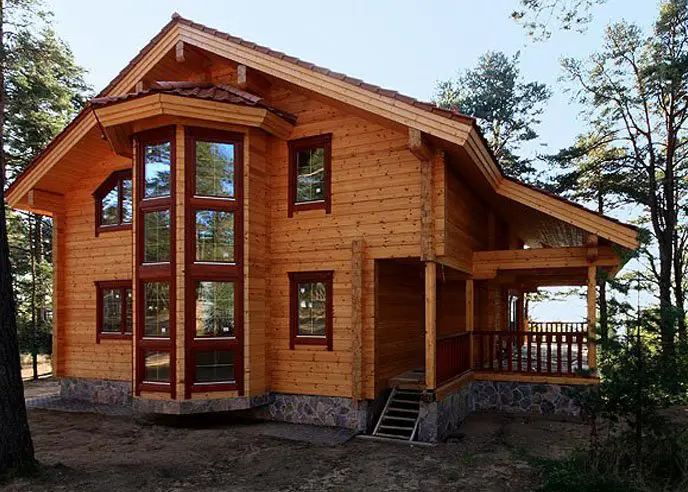
Photo 1 – House built from timber
The features of each type of preparation lie in ease of subsequent assembly, structural reliability, and material cost.
Advantages of Wooden Houses from Timber
The advantages of structures built from timber are as follows:
- ease of assembly;
- possibility of using a lightweight, pile-type foundation;
- speed of construction;
- eco-friendliness;
- excellent heat retention;
- natural air exchange;
- flexibility in facade finishing with any materials;
- longevity when properly assembled from high-quality, antiseptic-treated timber.
Timber is often made from coniferous wood: pine, spruce, larch, cedar.
After construction, such frames can be left without facade cladding, applying chinking, sanding, and high-quality painting with lacquer-based coatings. This protects the structure from wood-boring insects, mold, fungi, and harmful climatic factors.
If desired, the facade can be treated with tinted lacquers to give the house an attractive natural finish.
If facade cladding is needed, modern materials can be used:
- board and batten in any texture;
- metal siding;
- vinyl siding;
- special cladding boards.
Standard Timber
Standard timber has fixed dimensions and is prepared in a workshop. However, this material lacks routed grooves for joining during assembly. Therefore, builders must manually cut or saw longitudinal grooves, holes for dowels, and end joints.
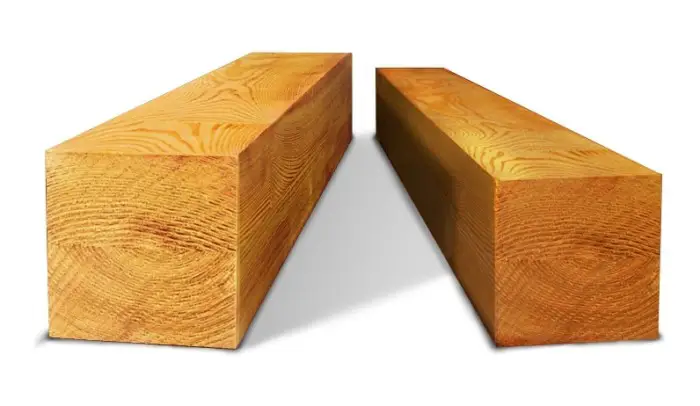
Photo 2 – Standard timber
Building a house by preparing timber manually is more difficult. The process of marking, cutting, and sawing takes a lot of time.
Profiled Timber
This timber is already ready for assembly and includes:
- accurate dimensions for a specific project;
- markings to simplify assembly;
- longitudinal grooves;
- end joints;
- pre-drilled holes for dowels.
Building frames from profiled, pre-prepared timber is comparatively easier and faster.
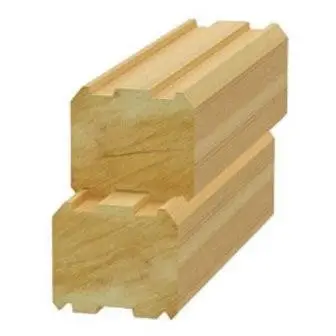
Photo 3 – Profiled timber
One-story or multi-story buildings can be constructed from high-quality timber, selecting wood free of defects:
- free from wood-boring insect damage;
- free from internal rot;
- free from mold and fungal growth;
- free from large cracks or splits.
Wooden Houses from Glued Timber
It should be noted that glued timber is expensive. Its price is nearly three times higher than that of profiled timber. However, timber made using new technology offers notable advantages:
- increased durability;
- thorough drying – moisture content 10%;
- fast drying process – up to 6 months;
- minimal shrinkage – up to 3%;
- convenient construction length – up to 12m.
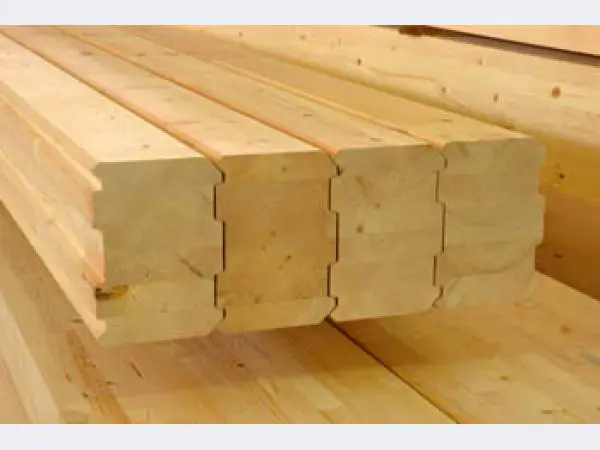
Photo 4 – Glued timber
To produce glued timber, manufacturers use laminates – already dried boards with a thickness of 40–50 mm. These laminates are bonded under pressure using high-quality adhesives, forming a solid, durable timber structure.
Next, the glued timber undergoes processing according to the chosen design. In a workshop using machine tools, precise markings are made, grooves and end joints for the future frame are created.
Besides the high cost, disadvantages of glued timber include:
- reduced eco-friendliness due to adhesive use;
- relatively low air exchange rate.
Wooden House from Timber – Price
The price of a wooden house built from timber varies. Costs include design, material procurement, delivery, utility connection, and finishing.
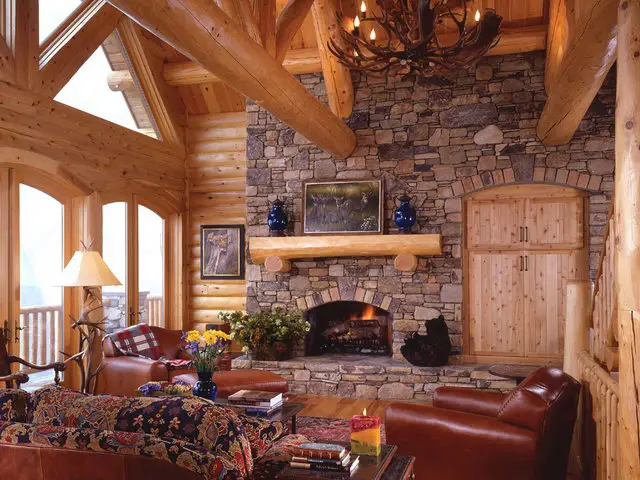
Photo 5 – Finishing of a house built from timber
If ordering only the house frame with payment for the material and its assembly, the cost is around $170–180 per square meter. Price increases with larger timber size and higher quality.
It is possible to order a house with full installation “turnkey” from a licensed company. Then pricing for such services starts at $360–400 per square meter.