How to Create a Safe Indoor Climate at Home: Tips for Parents
The indoor climate of a home is influenced by many factors: air temperature and humidity, presence of allergens and bacteria. Let's examine each of them separately to understand how to protect children and create a comfortable living environment.
1. Maintain Temperature and Humidity
Typically, in the fall, humidity in indoor spaces increases – even interior doors may become damp and stop closing properly, while mold can appear in corners. After activating the heating system, the air becomes so dry that gaps appear in laminate flooring. Purchase a heater and air humidifier to maintain a comfortable temperature for children between +18 and +22 degrees Celsius and humidity levels between 50 and 60 percent.
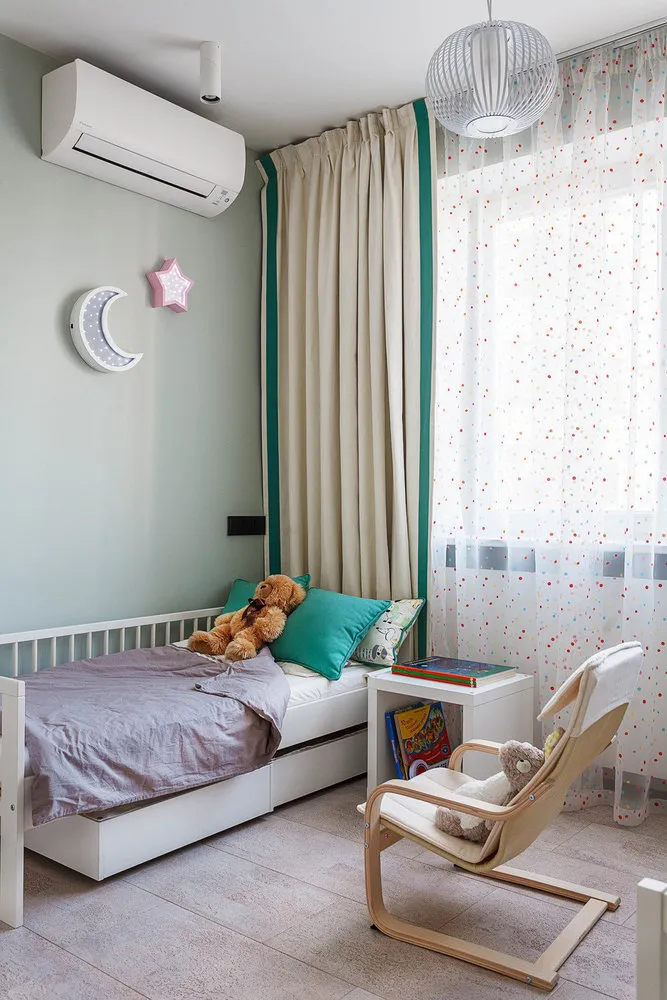 Design: Milla Titova
2. Do Not Store Dirty Dishes in the Sink
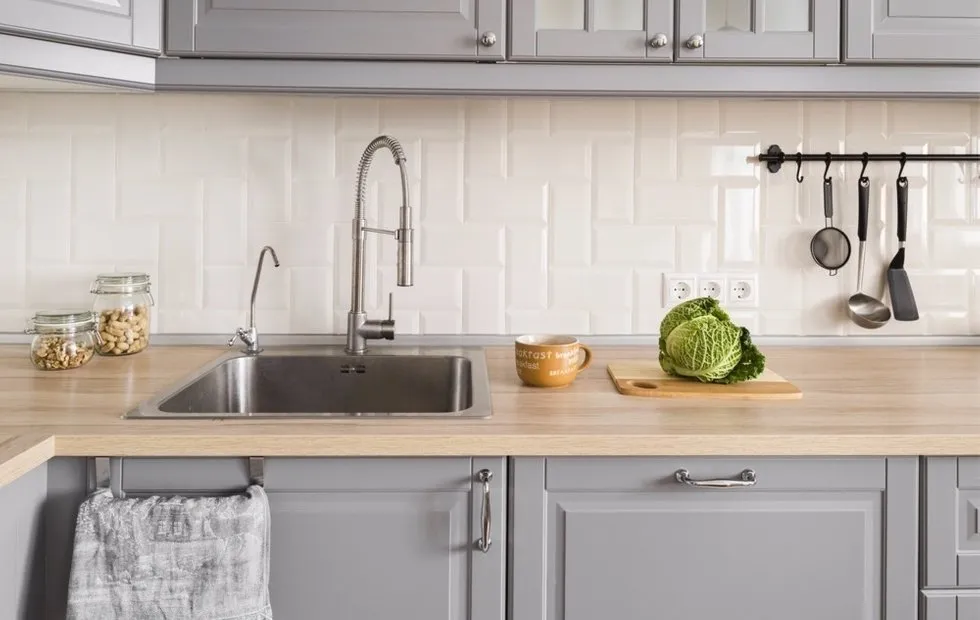
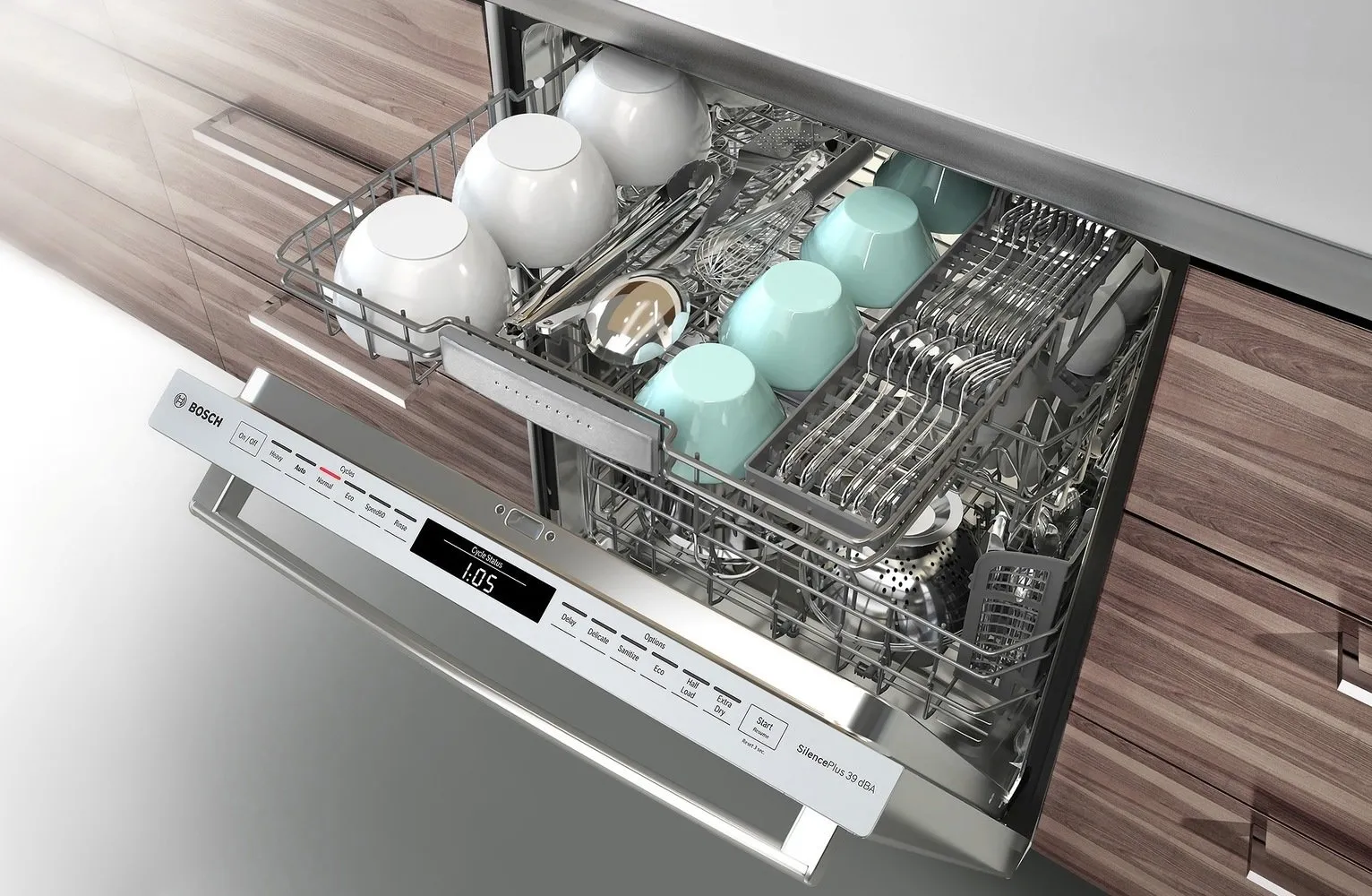
A full sink of dirty dishes is the most favorable environment for bacterial growth. Wash all dishes at once, and even better, leave this task to a dishwasher. Note that some models have a hygienic wash cycle where water is heated to 70 degrees Celsius. The tablets fully dissolve and are rinsed off the dish surfaces, which is especially important for families with small children and allergy sufferers.
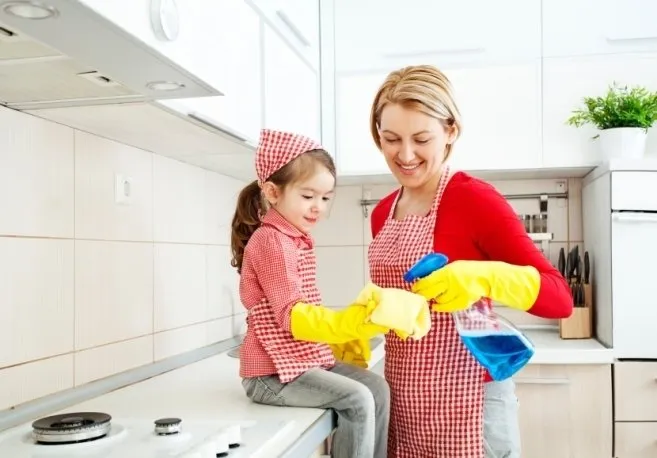
3. Perform Wet Cleaning
Besides various microorganisms, dust may also contain allergens such as animal fur and plant pollen that settle on furniture, harmful substances from vehicle exhaust fumes, especially if windows face busy streets. To avoid triggering allergies, it's better to dust at least once a day.
4. Ventilate, but Eliminate Drafts
A closed room cannot have a favorable indoor climate. Fresh air is necessary for children, so ventilate all rooms at least once a day. However, ventilation should not be confused with constant drafts – air should not blow directly from windows. A good alternative to ventilation is an air exchanger. This device introduces fresh air from outdoors into the room, filtering and enriching it with oxygen.
5. Ionize the Air
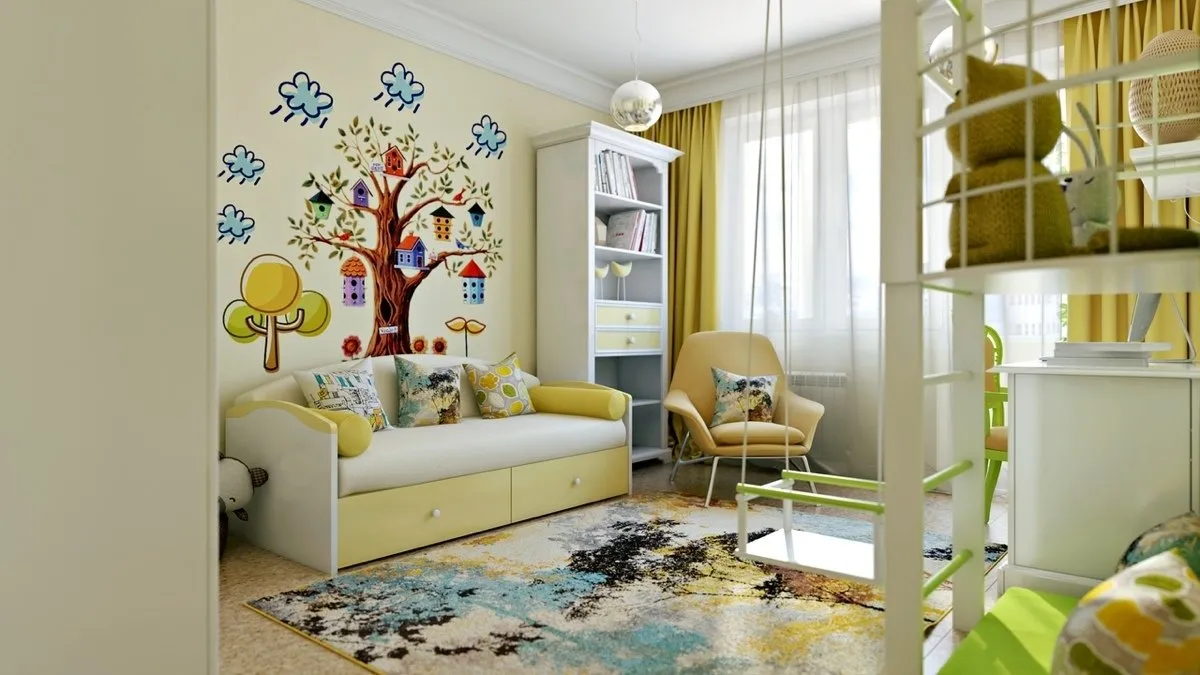
Air ions are more prevalent in mountainous regions, forested areas, and near large water bodies. To bring them into your apartment, you'll need to purchase a special air ionizer, humidifier, or an air conditioner with ionization function.
Ions neutralize cigarette smoke, prevent mold formation, and eliminate mosquitoes and other insects from the home. Children's metabolism normalizes, and their resistance to infections improves.
6. Choose Safe Finish Materials and Furniture
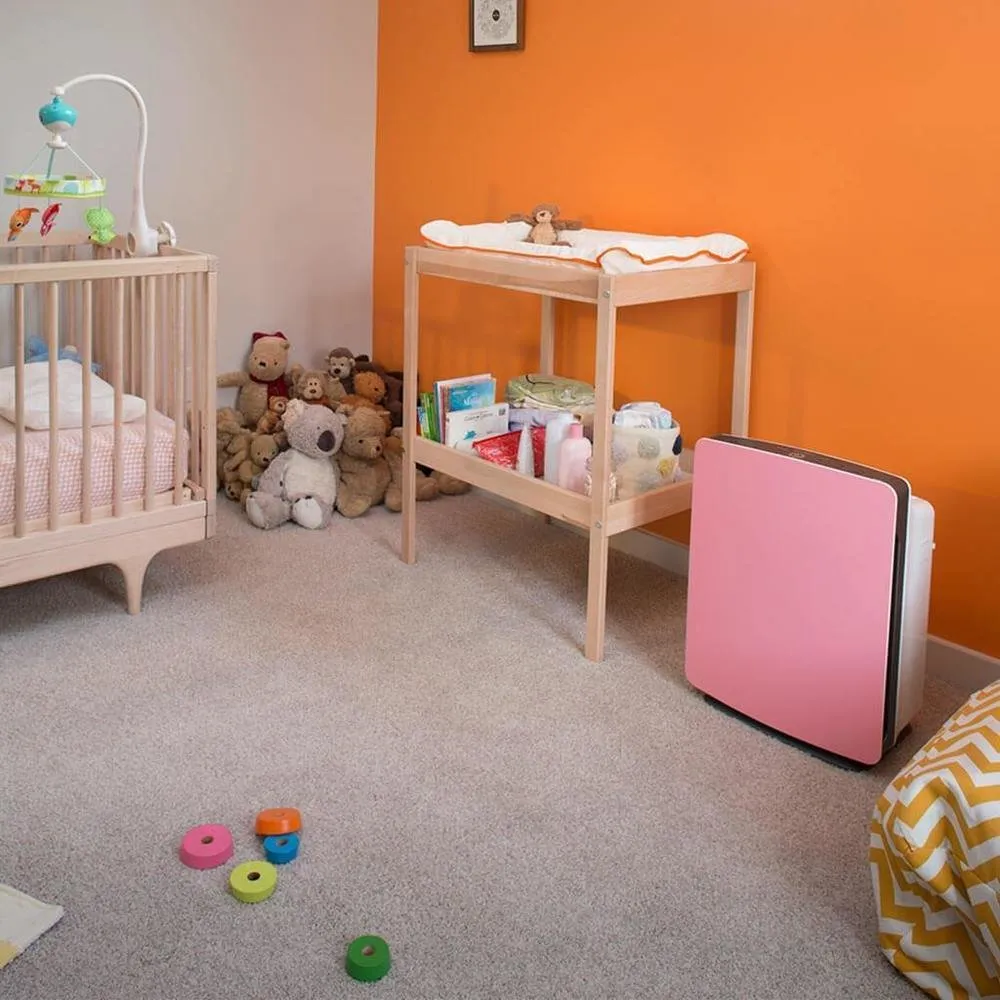
The indoor climate of a room is also affected by the materials used in construction, but you cannot change that now. In contrast to finishing materials, which can be altered. The safest wall coverings are paper or flocked wallpapers, water-soluble paints that contain almost no volatile organic compounds. For floor coverings, natural wood, cork, E1-grade laminate, natural linoleum, or parquet are preferable.