Yang Sin Lobster Bai Jia Hu, Restaurant by IN.X Wu Wei — A Familiar Jiangnan Landmark in Nanjing
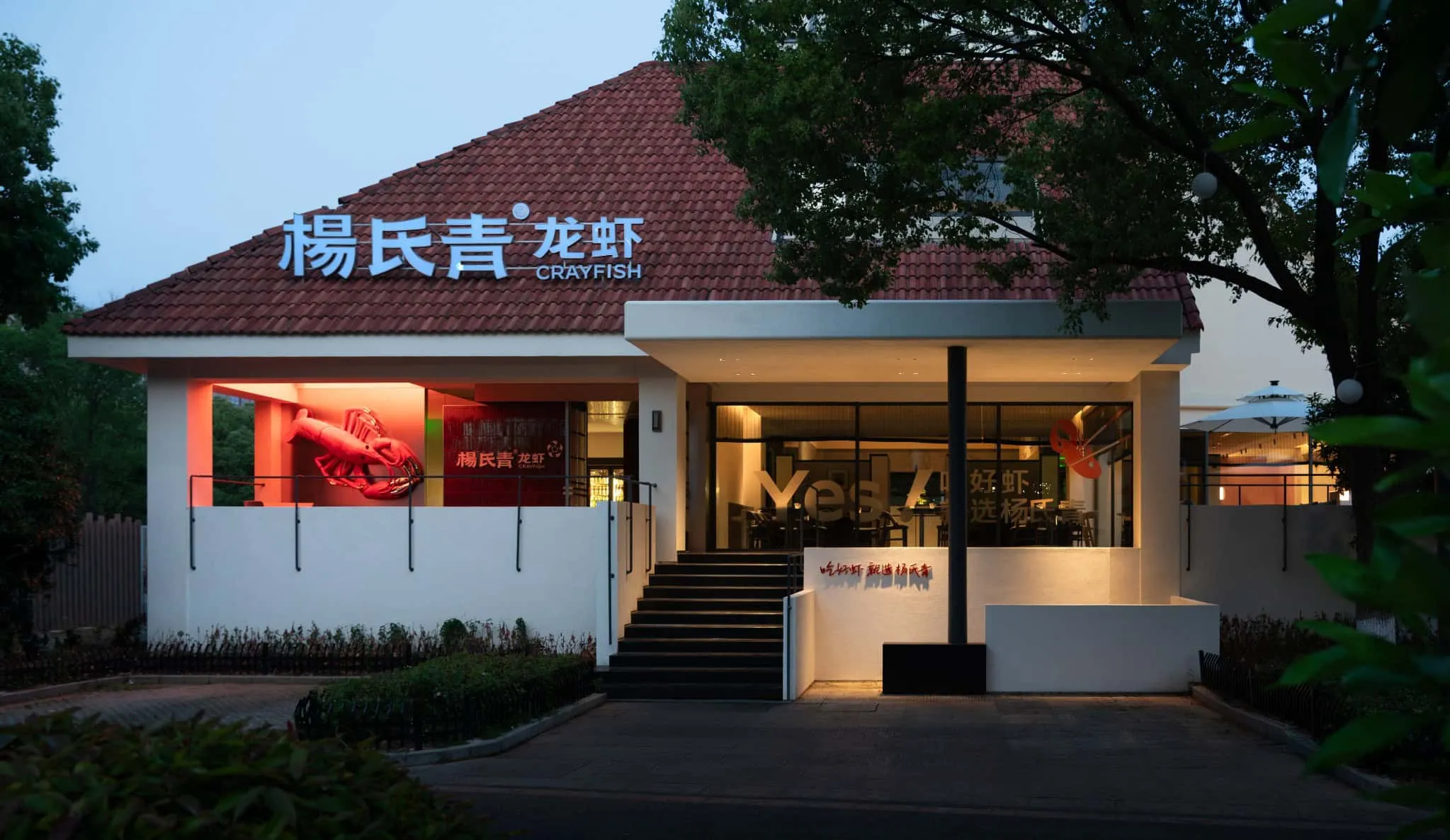
Yang Sin Lobster · Bai Jia Hu, a restaurant by IN.X Wu Wei is more than just a dining venue; it's a cultural statement that blends gastronomy, architecture and memories. Created as a landmark in the decade-long journey of Yang Sin Lobster from a humble stall to a cult brand in Nanjing, the project redefines the dining experience by drawing inspiration from Jiangnan landscapes and traditions. With its distinctive cloud walls, lighting lanterns and immersive storytelling, the space creates an atmosphere where food, culture and urban identity intertwine.
Project Overview
Founded in 2013, Yang Sin Lobster began as a small street stall and gradually became one of Nanjing's most beloved brands. Bai Jia Hu is a strategic flagship that showcases the brand’s evolution into a mature and refined identity.
Located in a standalone building, the restaurant spans three levels: two above-ground floors and a basement with a lowered courtyard. Rather than creating a standard interior, IN.X Wu Wei crafted an integrated brand experience, using architecture and materials to express the connection between Yang Sin Lobster, the city, its people, and culinary culture.
Architectural Container: Cloud Walls and Light
The design concept is inspired by iconic cloud walls of Jiangnan. The building features a black-and-white color scheme, evoking folk architecture and embedding nostalgia into the modern dining space.
-
Cloud Walls: Structural and visual, they serve as seating backdrops, guide movement flows, and evoke the feel of rural alleys.
-
Lanterns and Light Tubes: Metallic glass constructs rise upward, filling the interior with natural daylight that shifts hues across walls like moving canvases.
-
Green Plantings and Natural Light: Integrated vegetation softens the boundaries between indoor and outdoor spaces, making the building alive over time.
This approach transforms the restaurant into an architectural container of memories, blending nostalgia and innovation.
Jiangnan Atmosphere: Food as Cultural Immersion
Inside, Jiangnan architecture is translated into diverse atmospheres across different levels:
-
First Floor: Bar and various seating areas surrounded by wavy walls reminiscent of winding streets. Guests dine in semi-enclosed niches, enjoying the comfort of a countryside feel while savoring lobster in a modern setting.
-
Second Floor: Accessible via an escalator under the roof slope, a corridor unveils a hidden garden experience. Lighting fixtures and suspended art create theatrical shadows and light, while vibrant red signage reading “Nanjing” adds a sense of local pride.
-
Basement: Private dining areas open onto a lowered courtyard, eliminating the gloom often associated with underground spaces. Cherry blossom carvings on door panels reference Jiangnan literary culture, adding intimacy and artistry.
Each level is meticulously designed to balance openness and seclusion, encouraging guests to explore and interact with their surroundings.
Materials and Artistic Expression
The interior uses a modest yet textured palette:
-
Brick, wood and stone for walls and columns, lending tactile authenticity to the space.
-
Glossy red bricks contrasted with grilles for warmth and permeability.
-
Art installations featuring lobsters, crabs and fruits celebrate the brand's culinary essence.
-
Subtle details—cherry blossom motifs, garden partitions and gentle lighting—connect the design to collective cultural memory.
The layered use of materials turns every dining spot into a miniature representation of urban nostalgia and artistry.
Strategy Forward, Design Follows
Bai Jia Hu is not just a design challenge; it's a realization of brand strategy in space. By connecting Yang Sin Lobster to Jiangnan landscapes and urban culture, IN.X Wu Wei created an environment where guests don’t just eat lobster—they experience the spirit of Nanjing.
Through its architecture, the project positions Yang Sin Lobster as more than a restaurant—it becomes a cultural institution, linking taste, memory and place.
Yang Sin Lobster · Bai Jia Hu by IN.X Wu Wei is a milestone in modern restaurant design. Blending the architectural vocabulary of Jiangnan with contemporary storytelling, it transcends gastronomy to become a cultural experience.
From the interaction of cloud walls and lanterns to carefully curated color palettes and strategic brand direction, the space embodies the soul of Nanjing’s urban memory. It is a restaurant, a landmark and a living fragment of cultural heritage—a proof that design can elevate food to the level of an immersive journey of identity and place.
Photo © Zheng Yan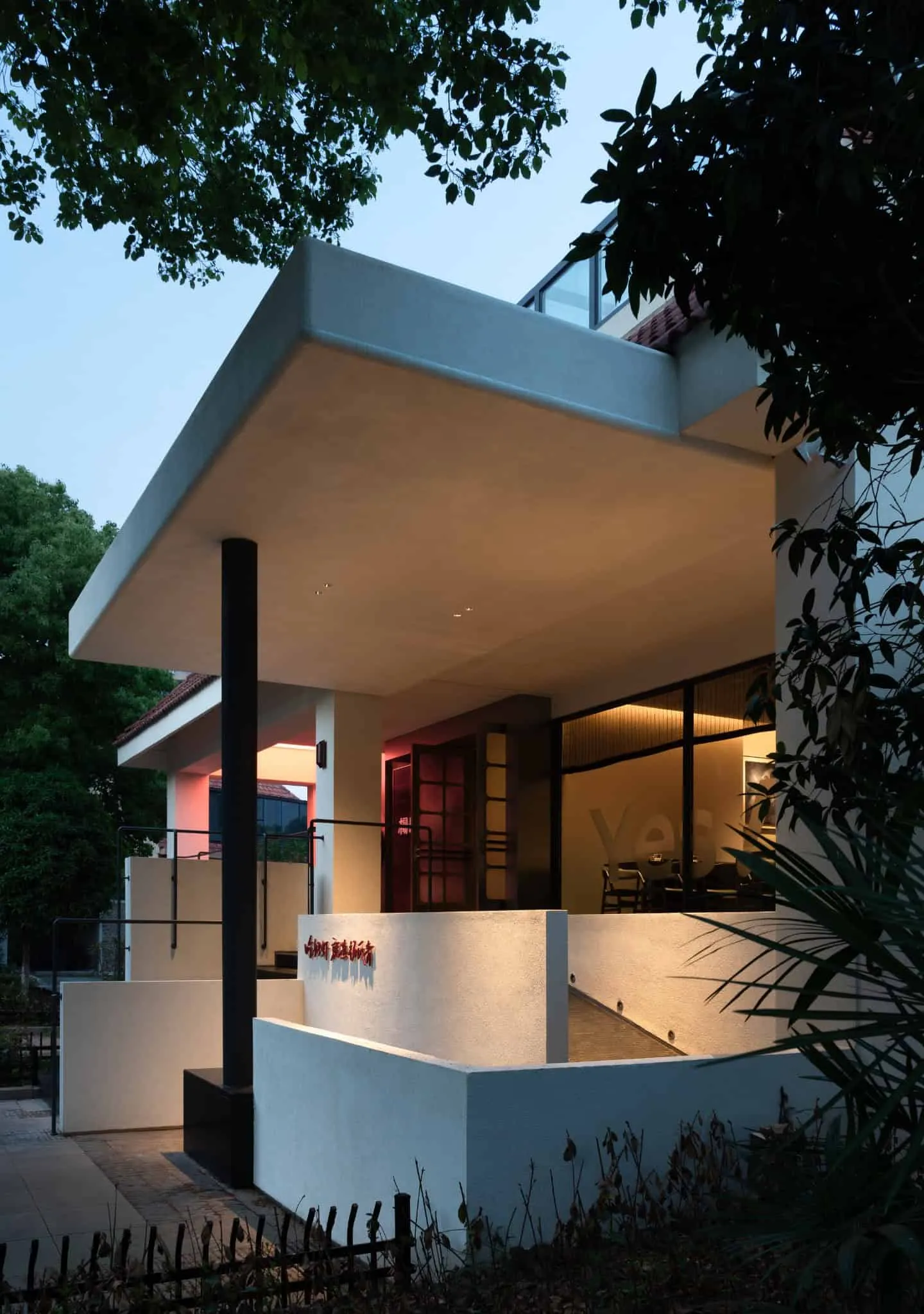 Photo © Zheng Yan
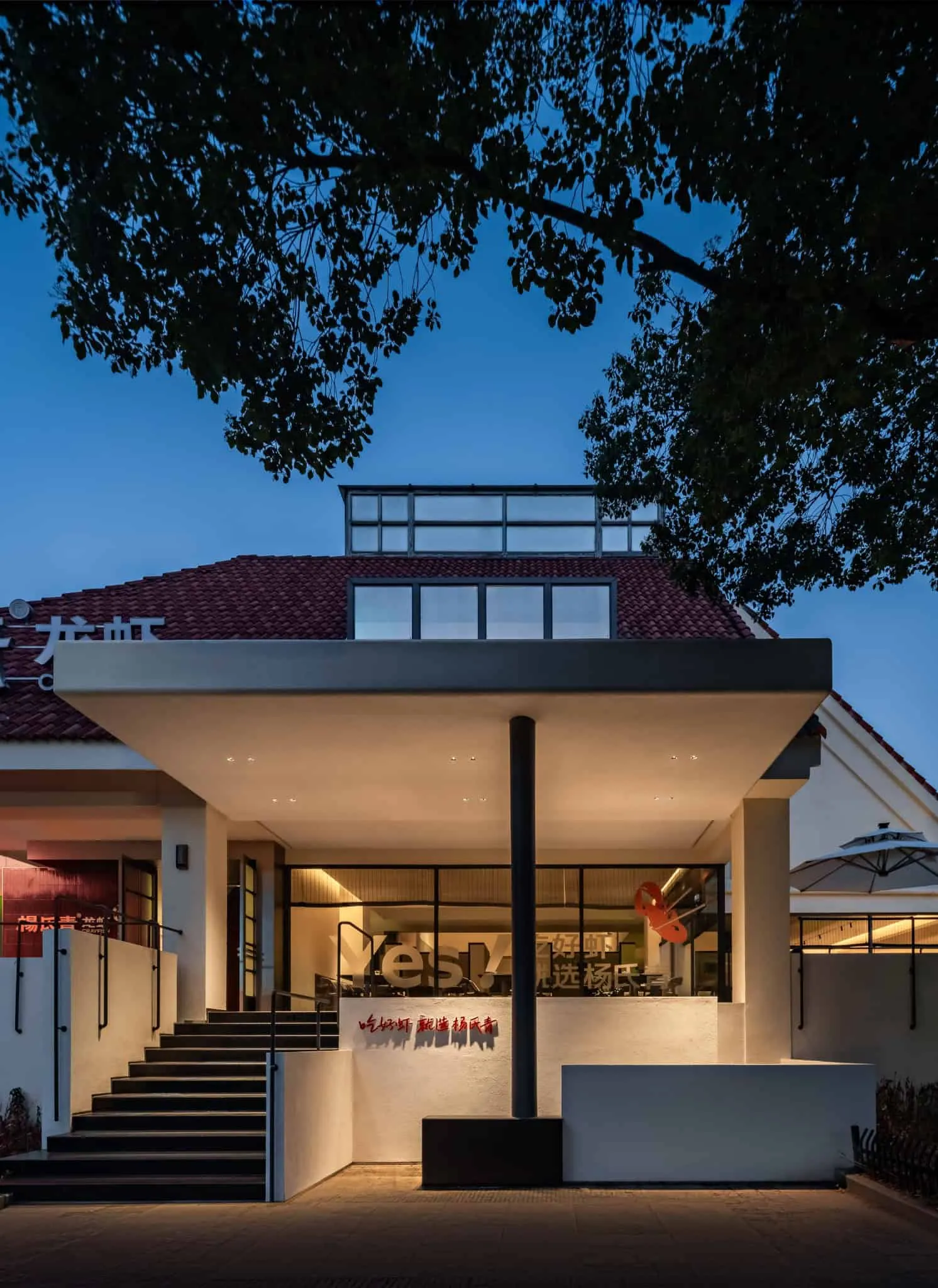 Photo © Zheng Yan
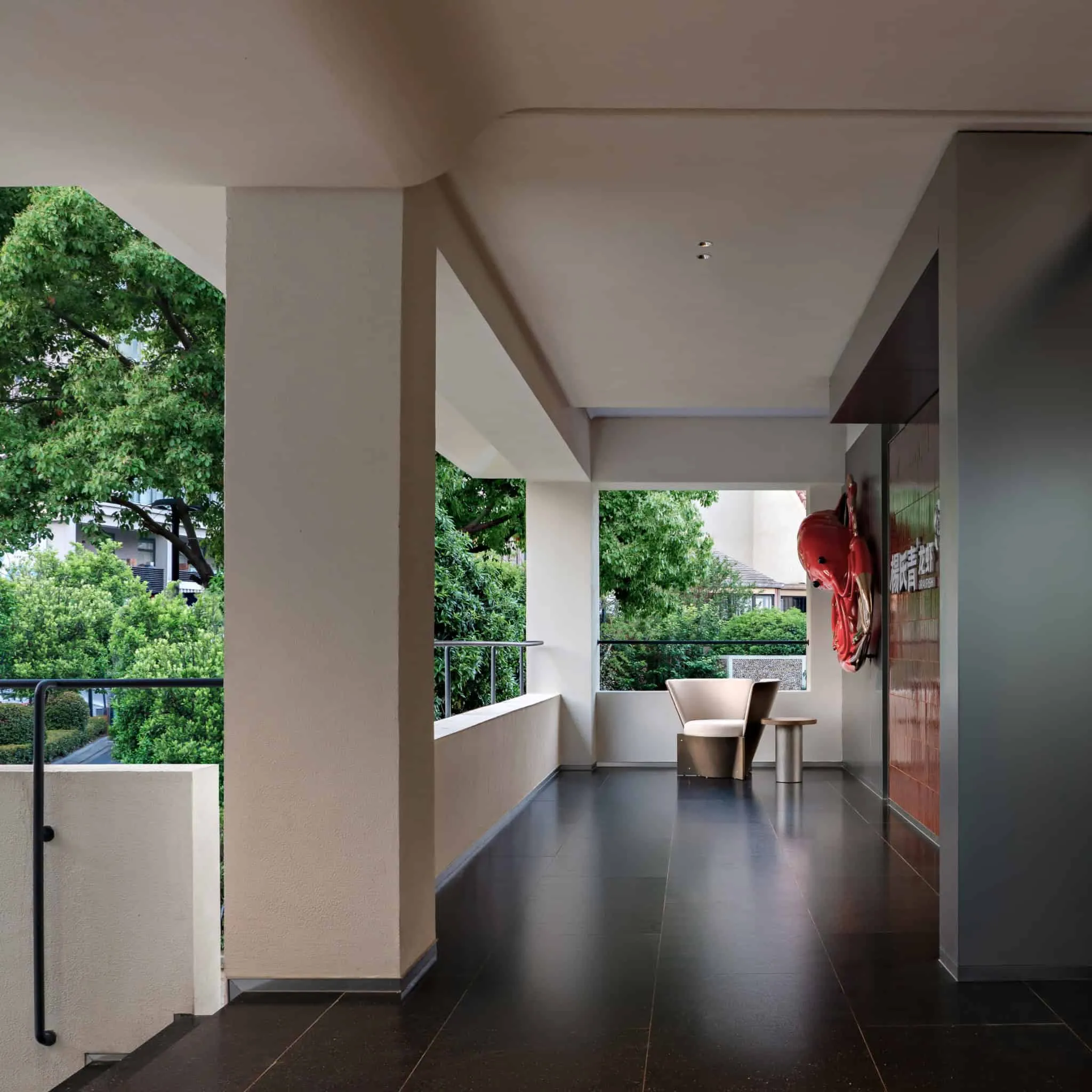 Photo © Zheng Yan
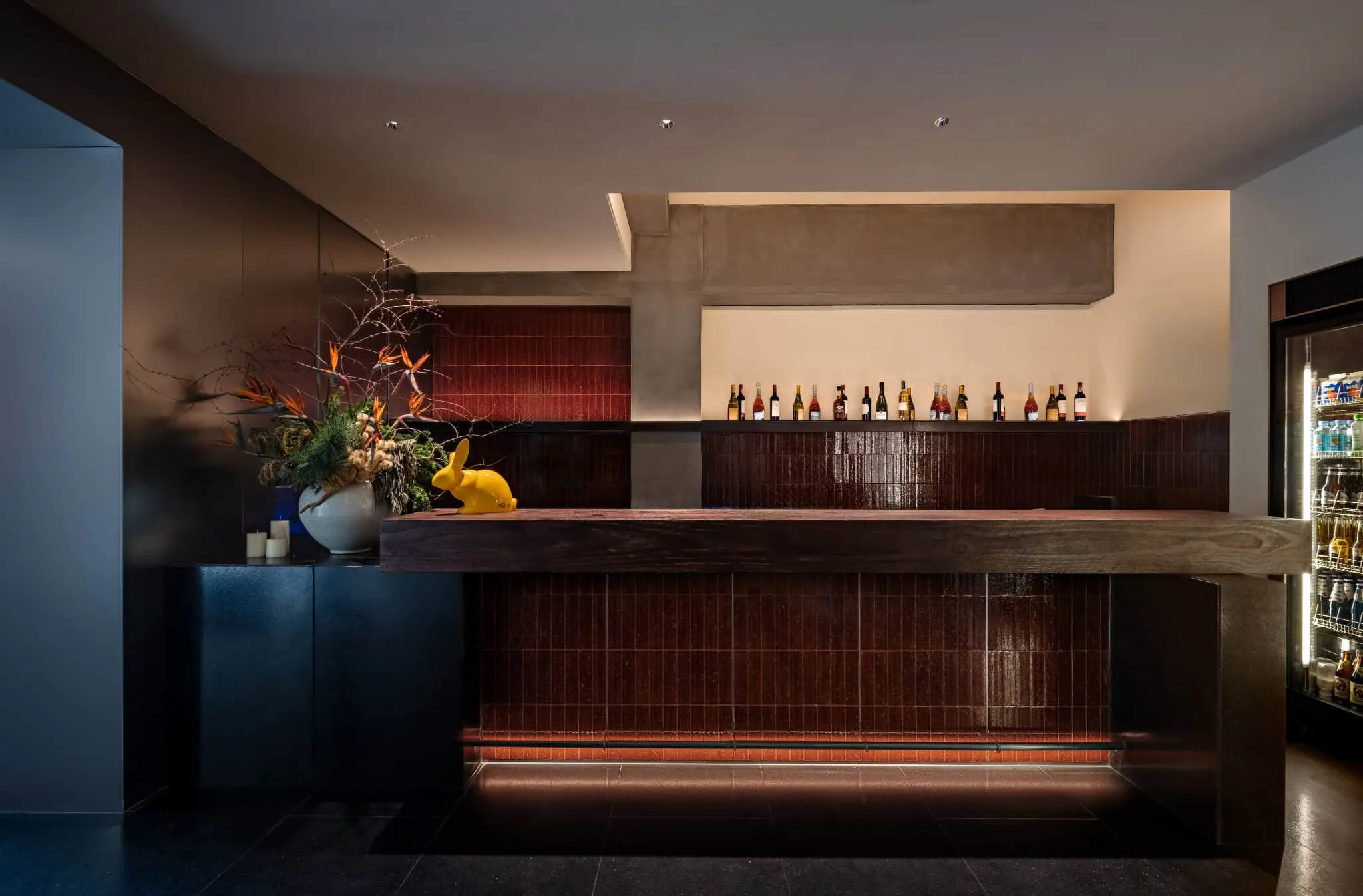 Photo © Zheng Yan
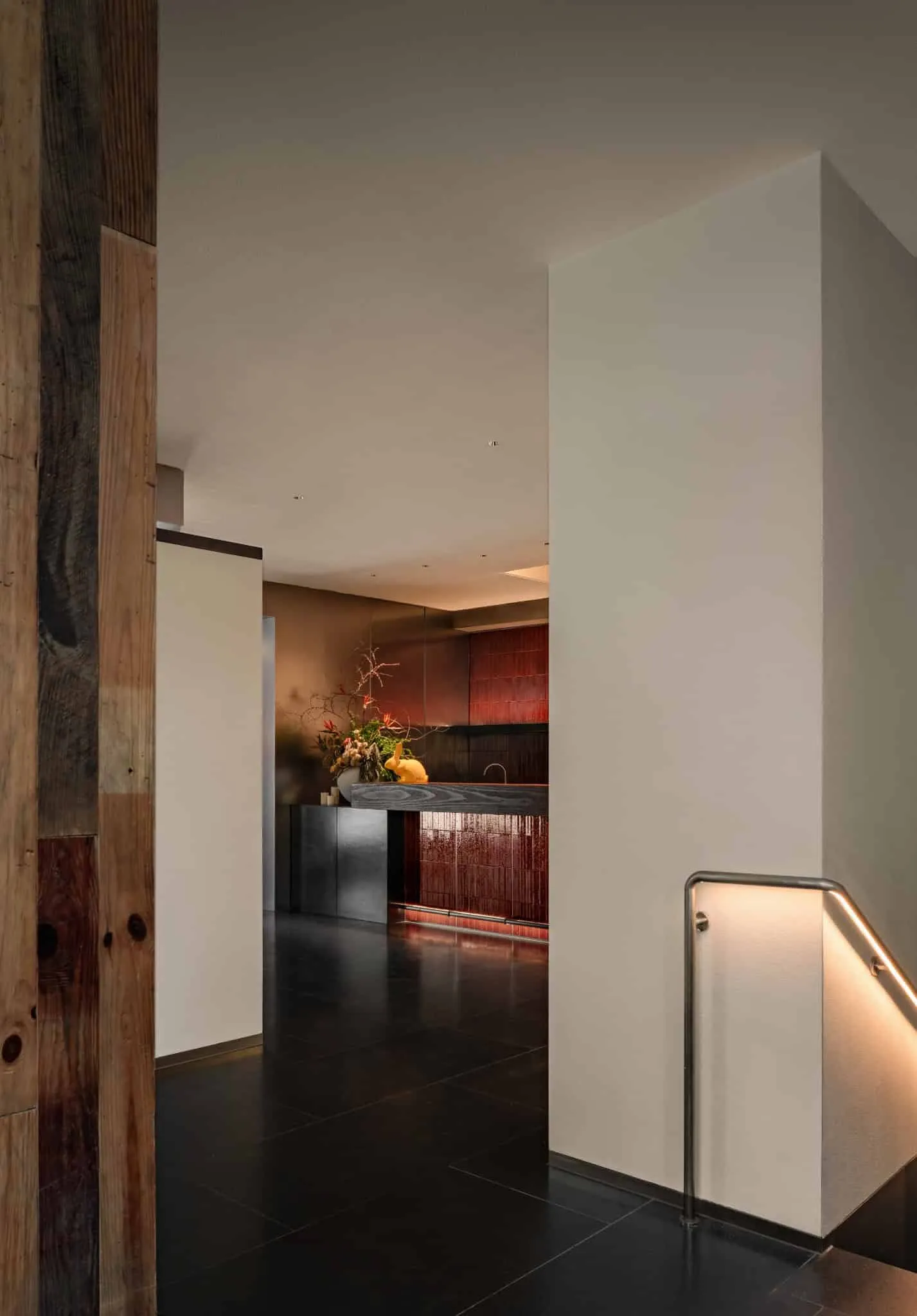 Photo © Zheng Yan
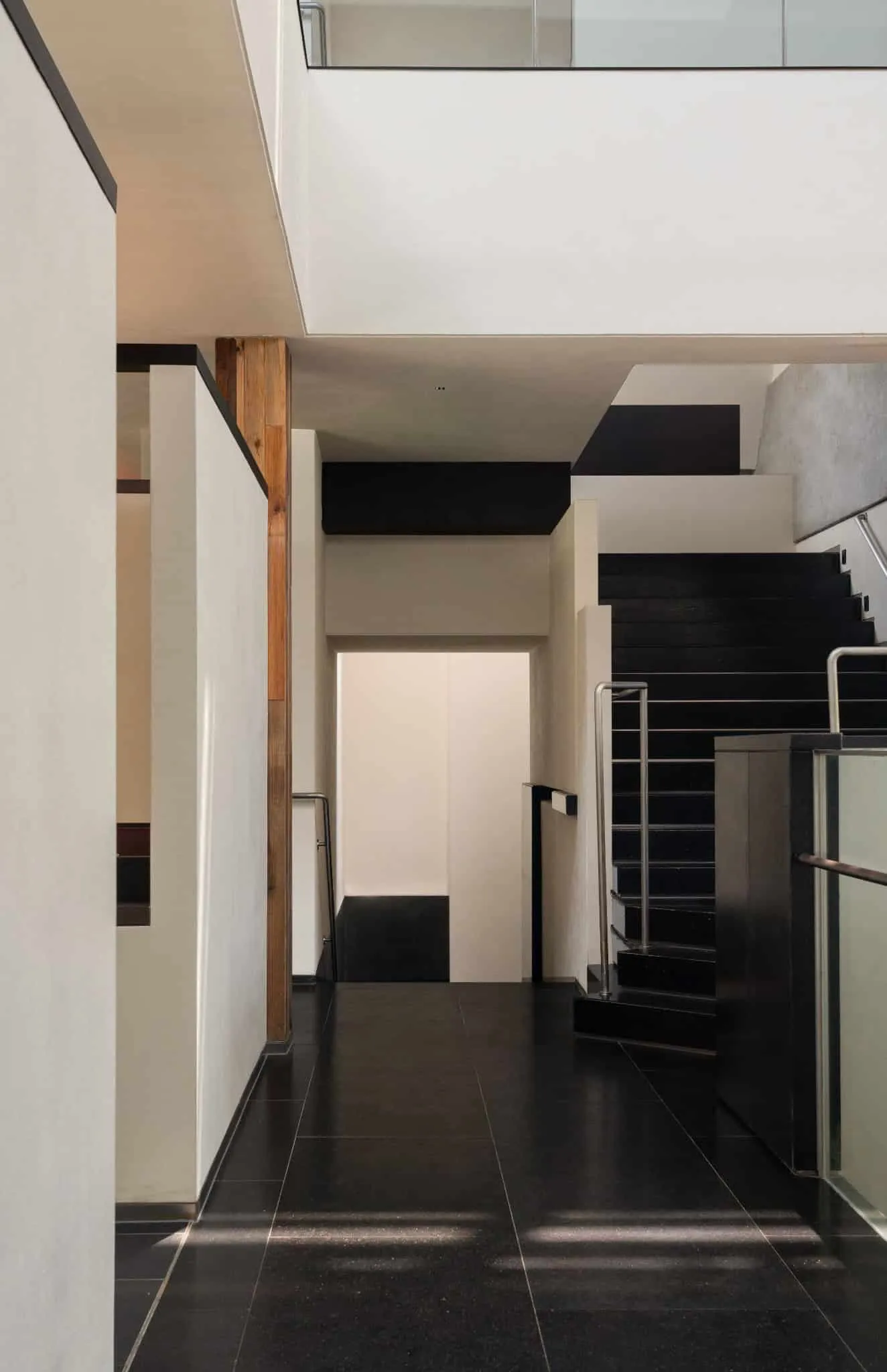 Photo © Zheng Yan
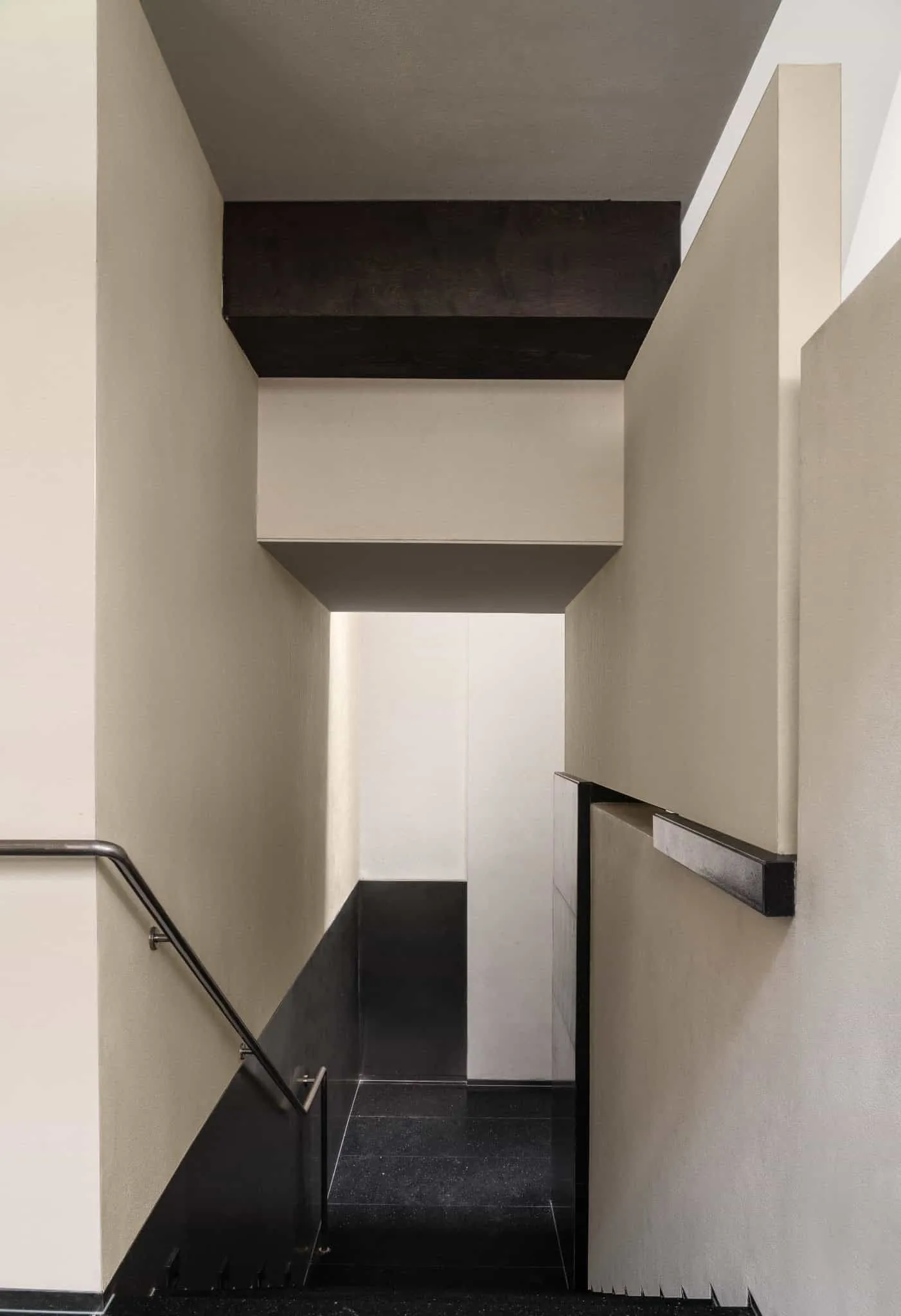 Photo © Zheng Yan
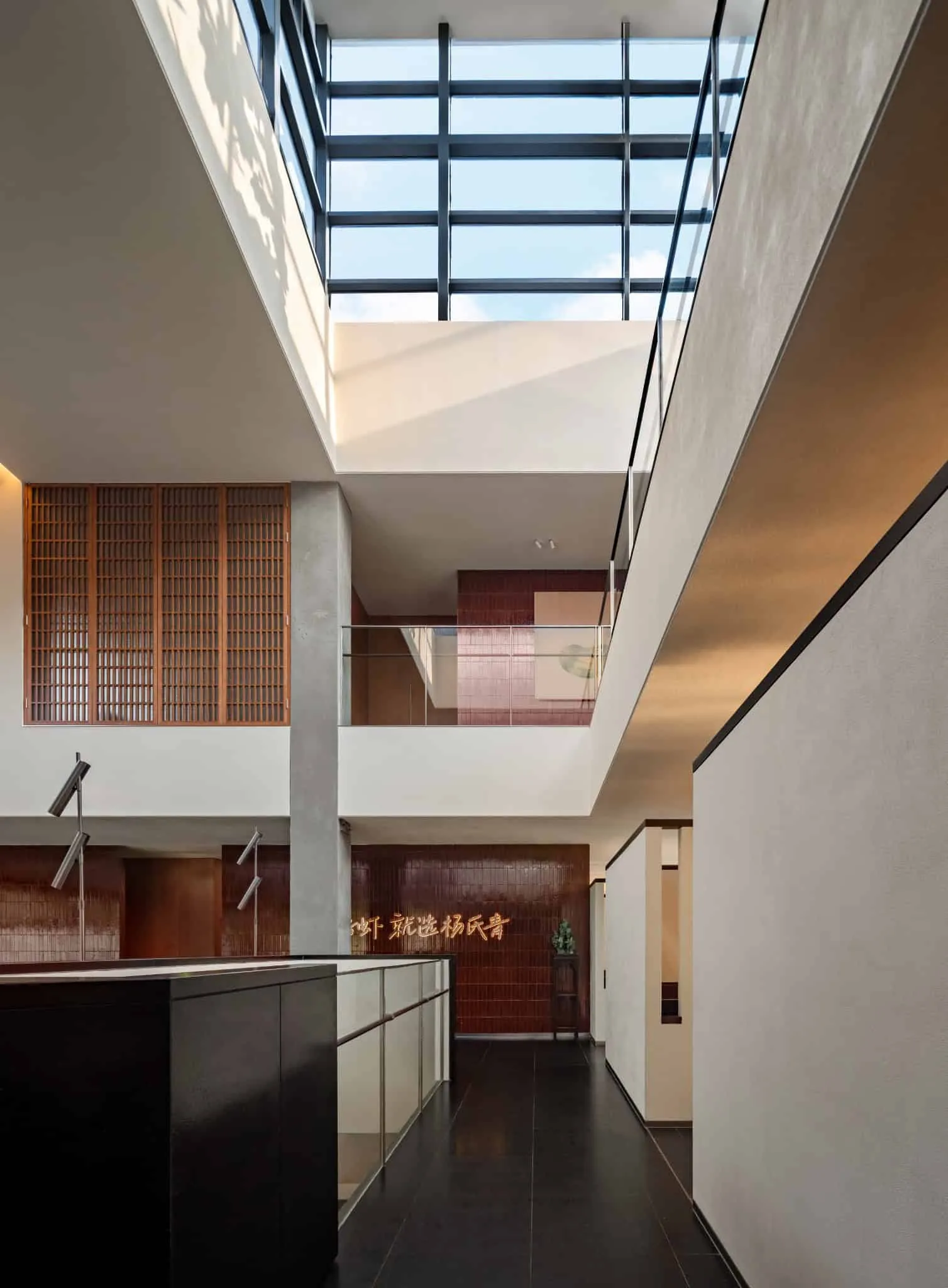 Photo © Zheng Yan
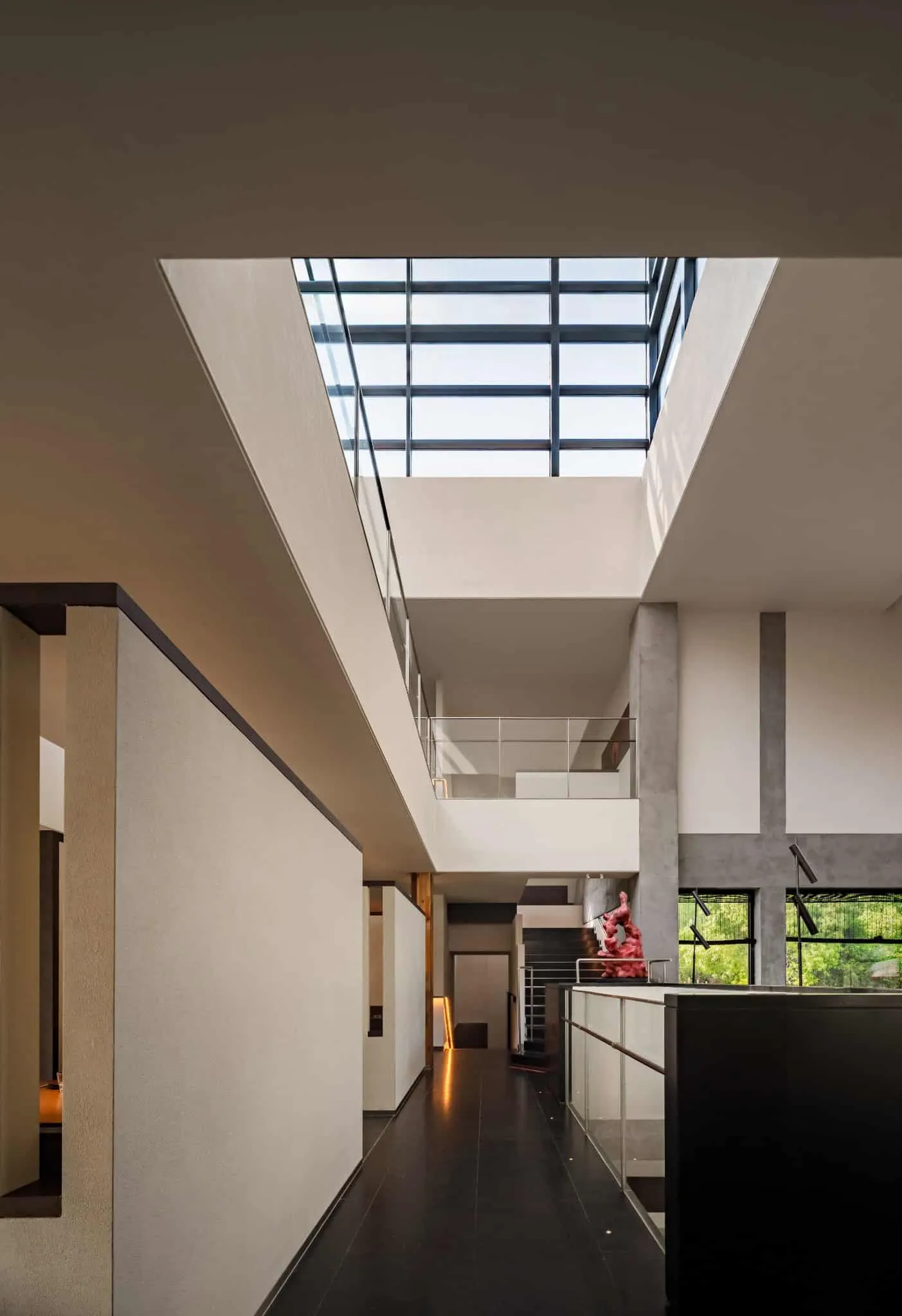 Photo © Zheng Yan
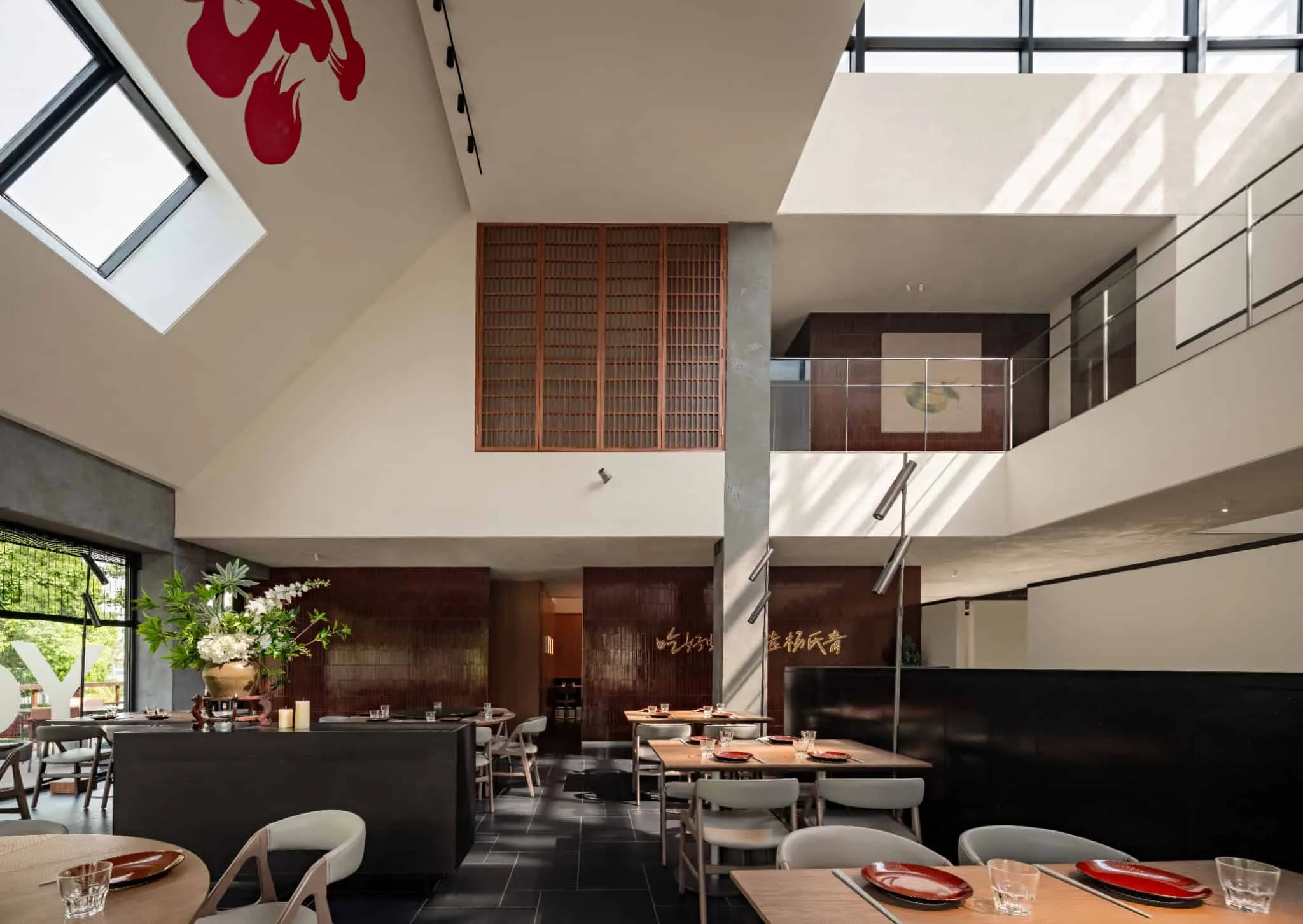 Photo © Zheng Yan
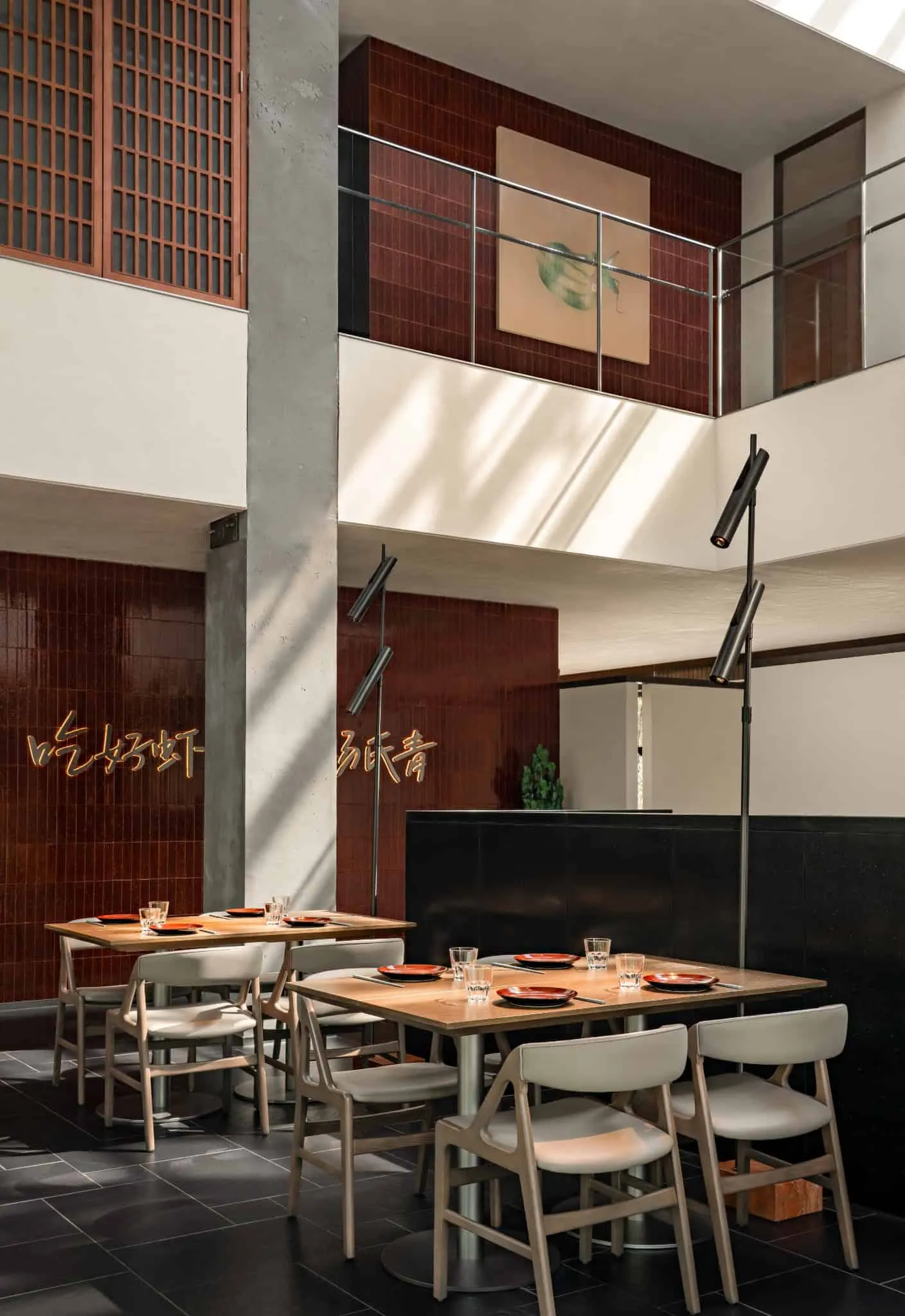 Photo © Zheng Yan
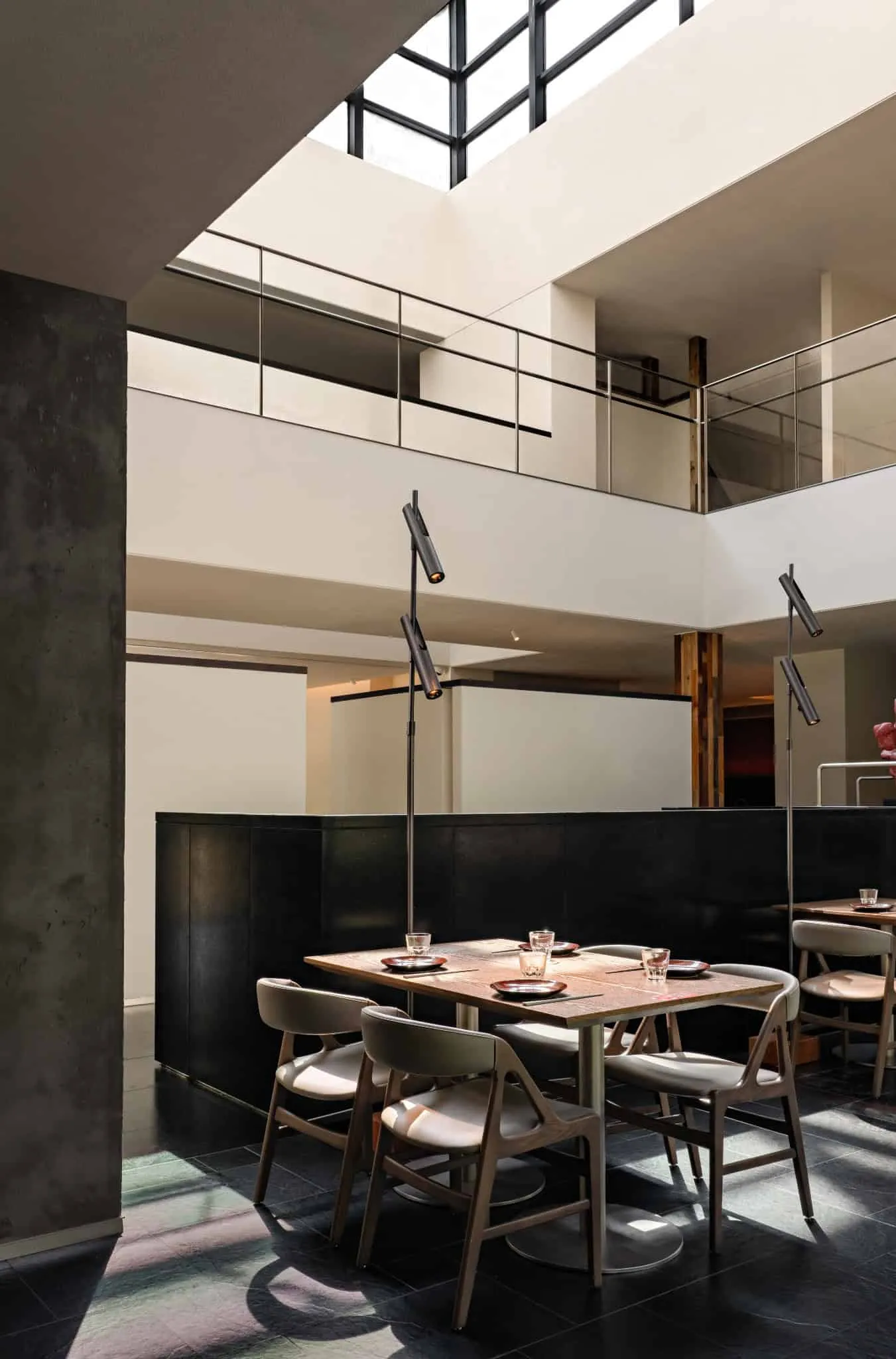 Photo © Zheng Yan
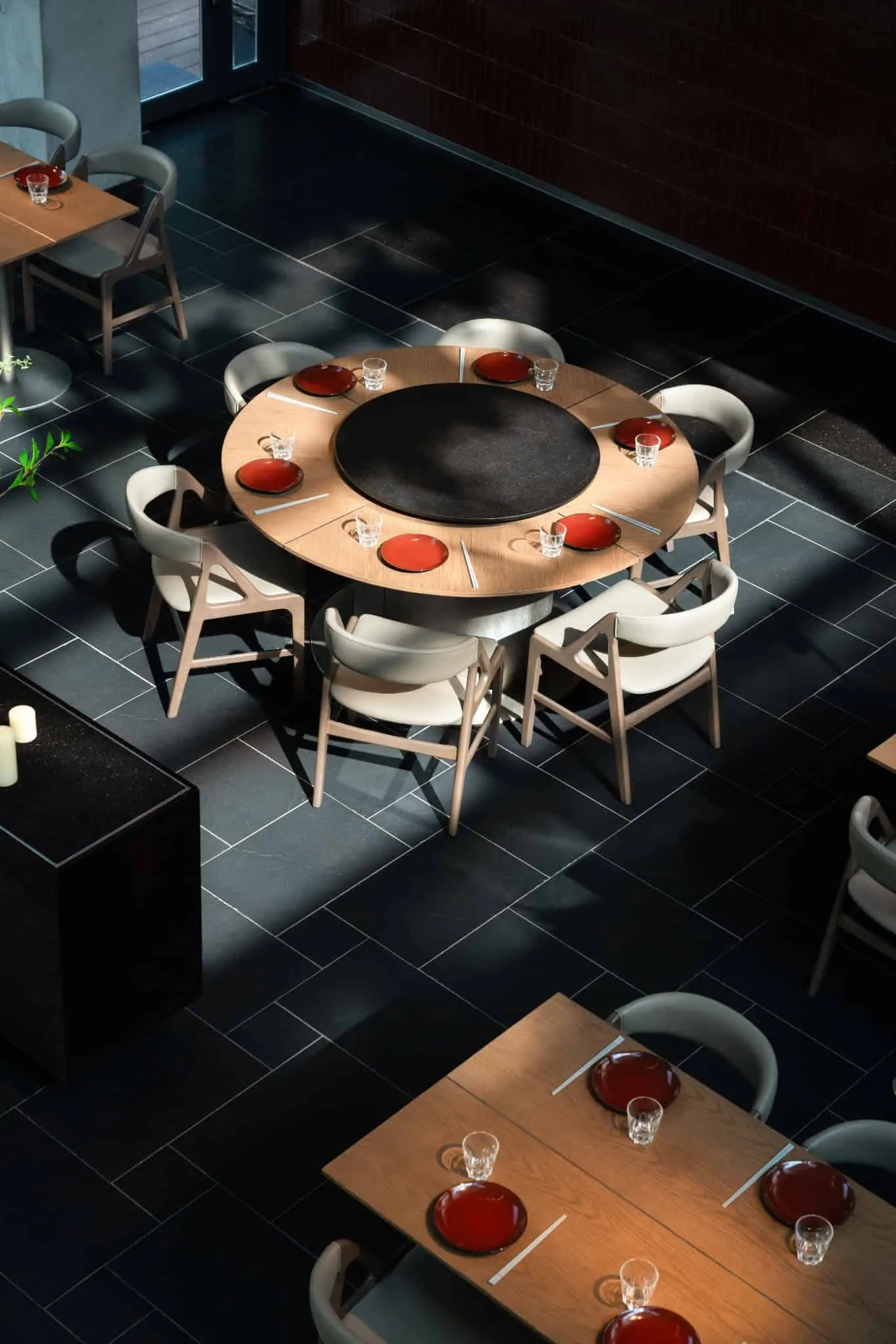 Photo © Zheng Yan
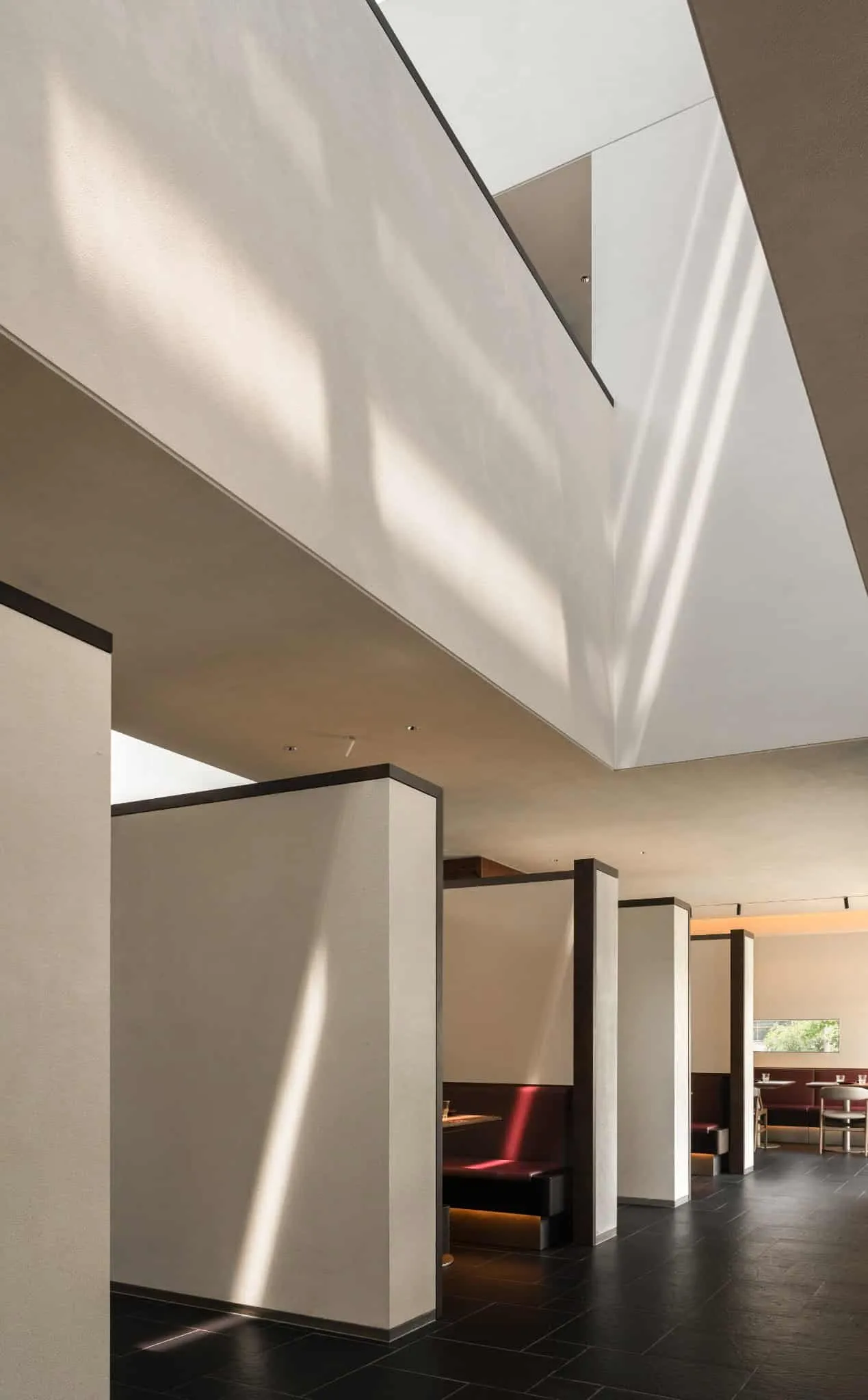 Photo © Zheng Yan
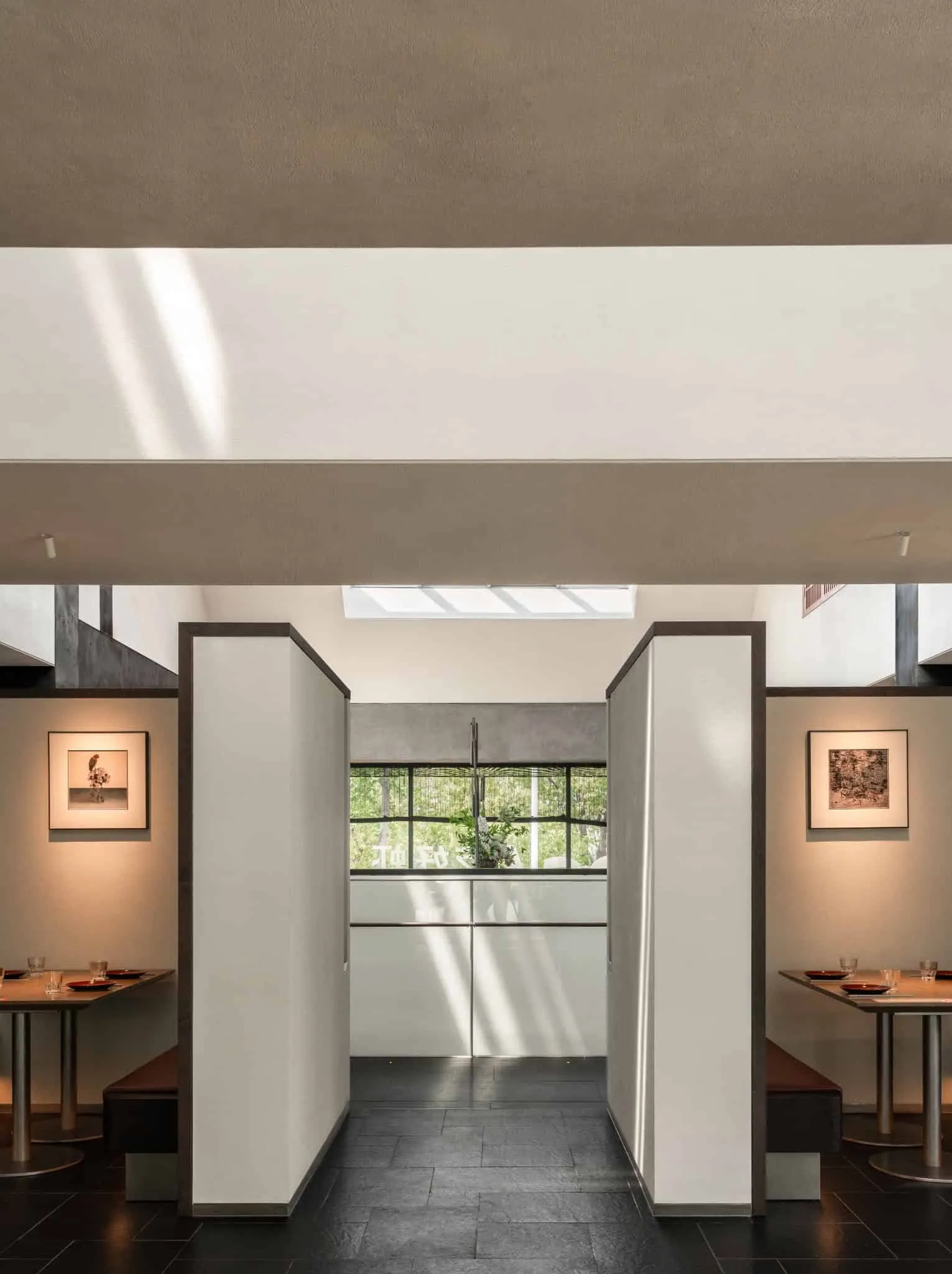 Photo © Zheng Yan
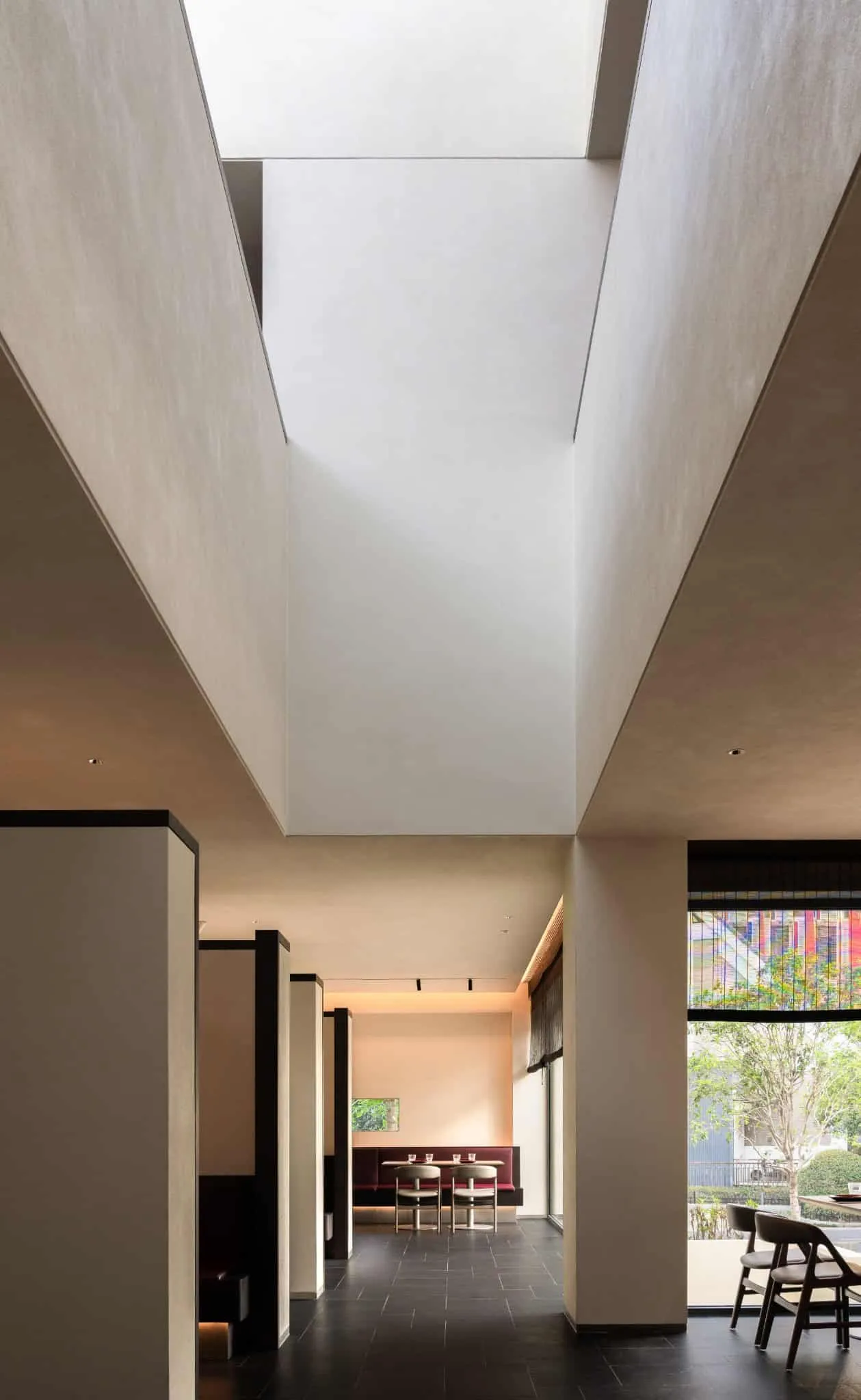 Photo © Zheng Yan
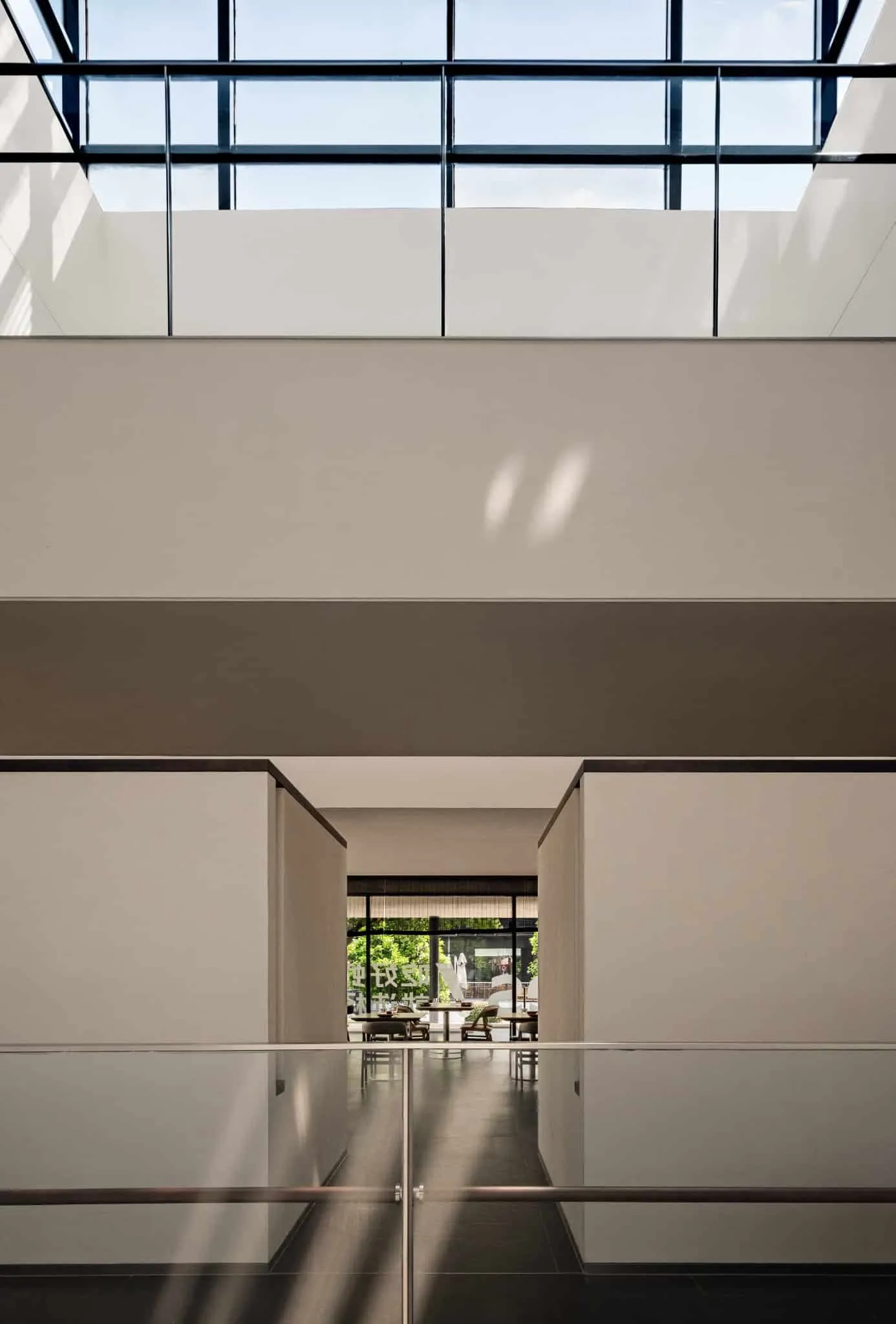 Photo © Zheng Yan
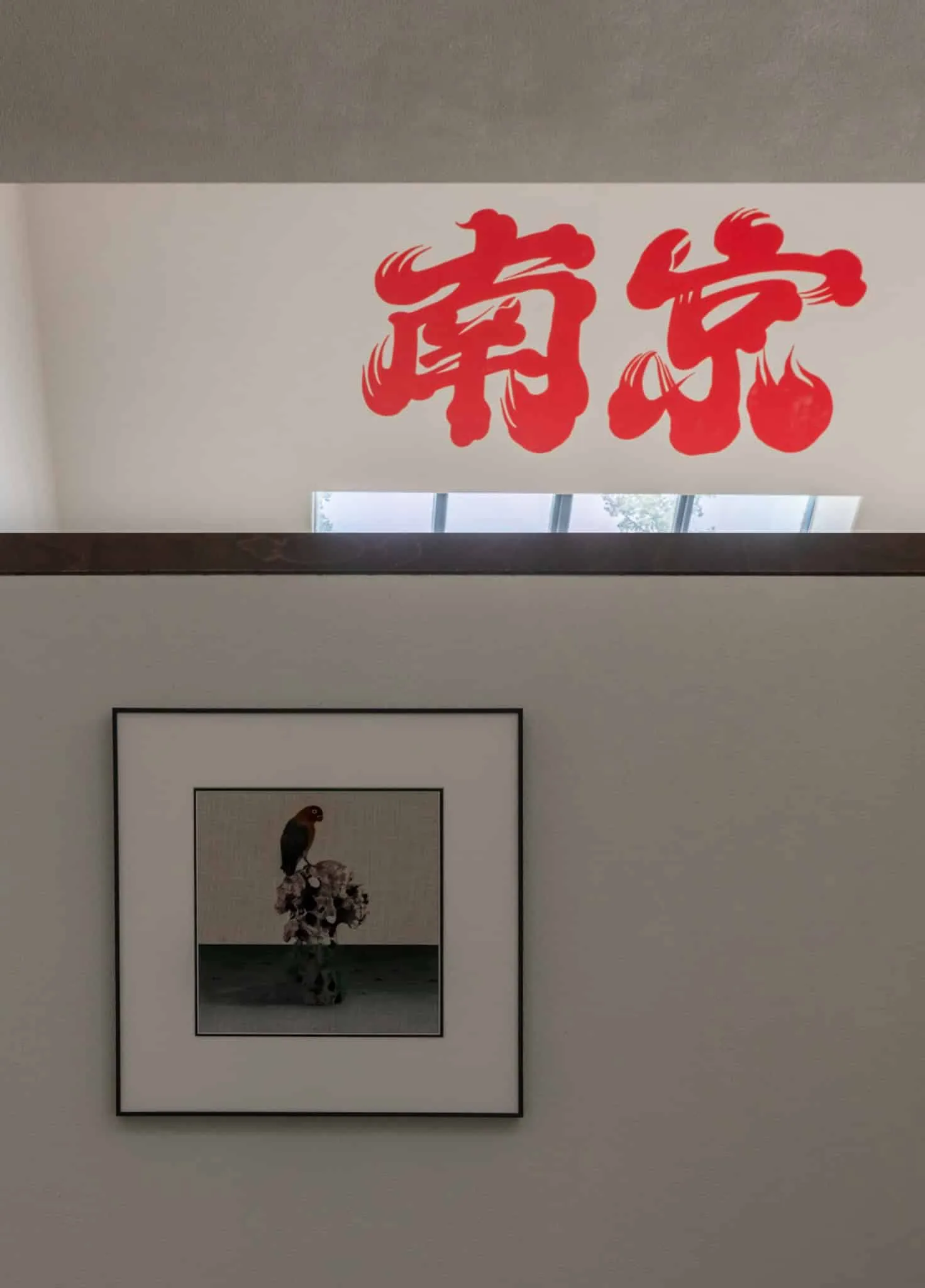 Photo © Zheng Yan
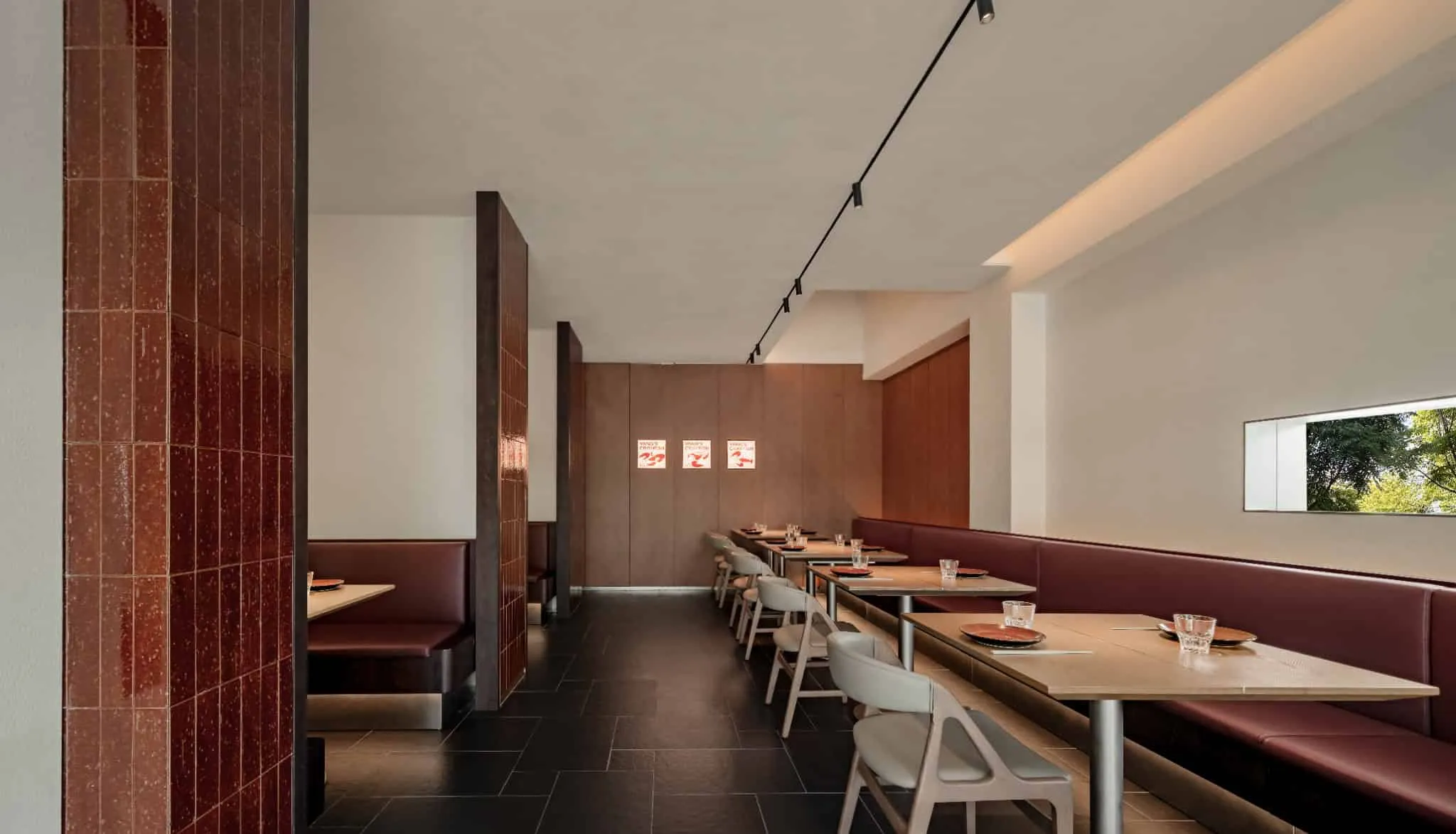 Photo © Zheng Yan
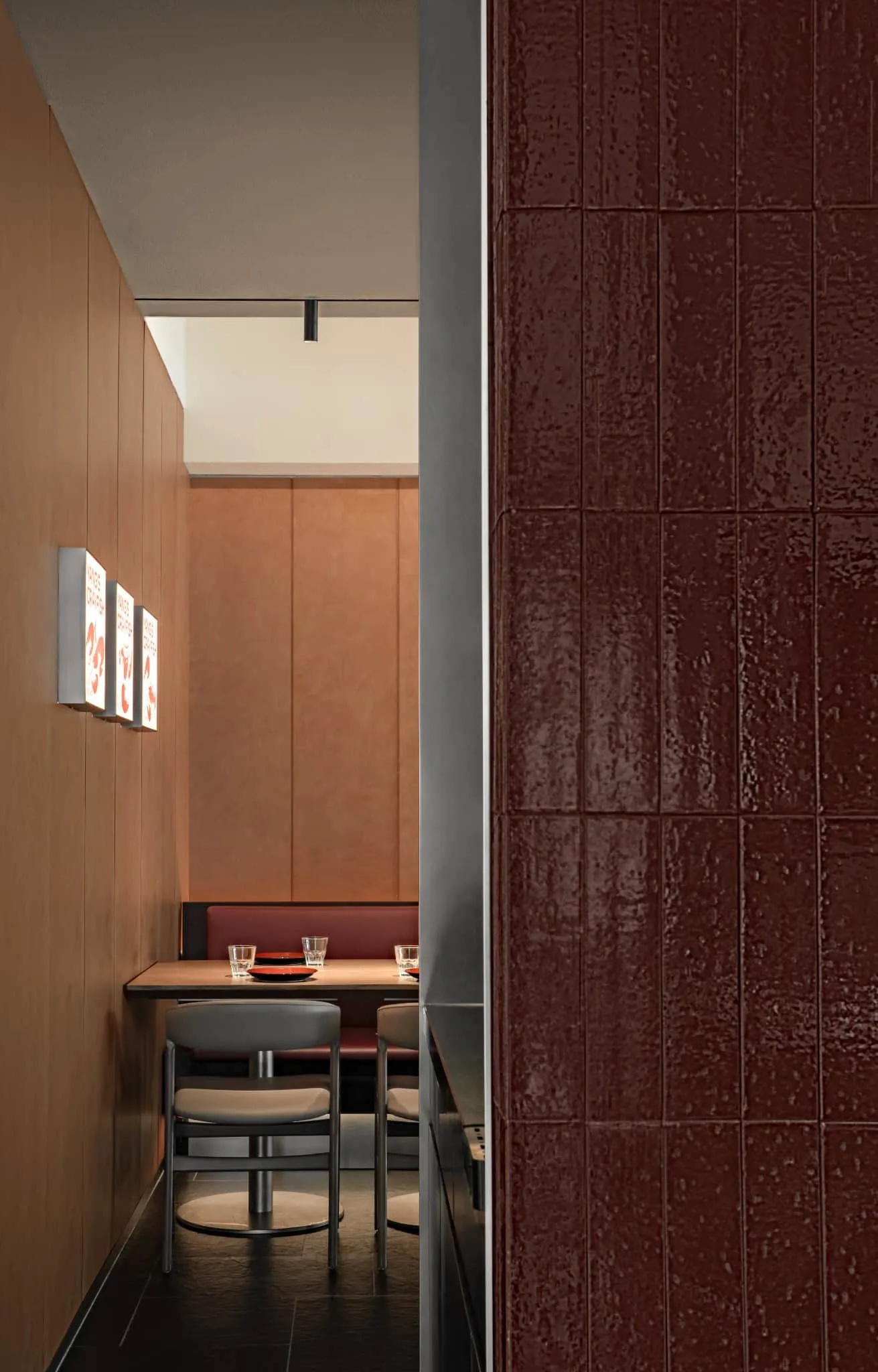 Photo © Zheng Yan
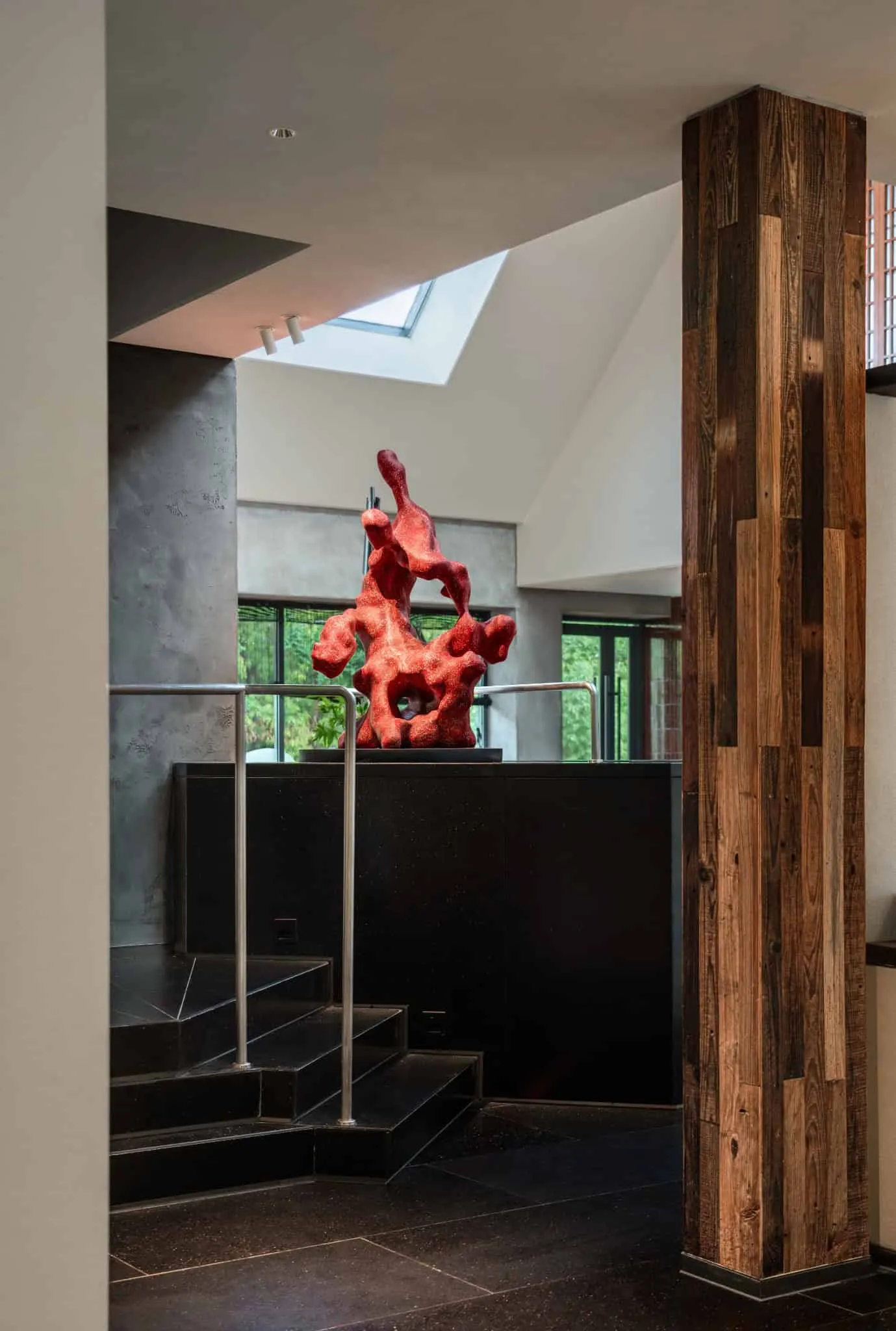 Photo © Zheng Yan
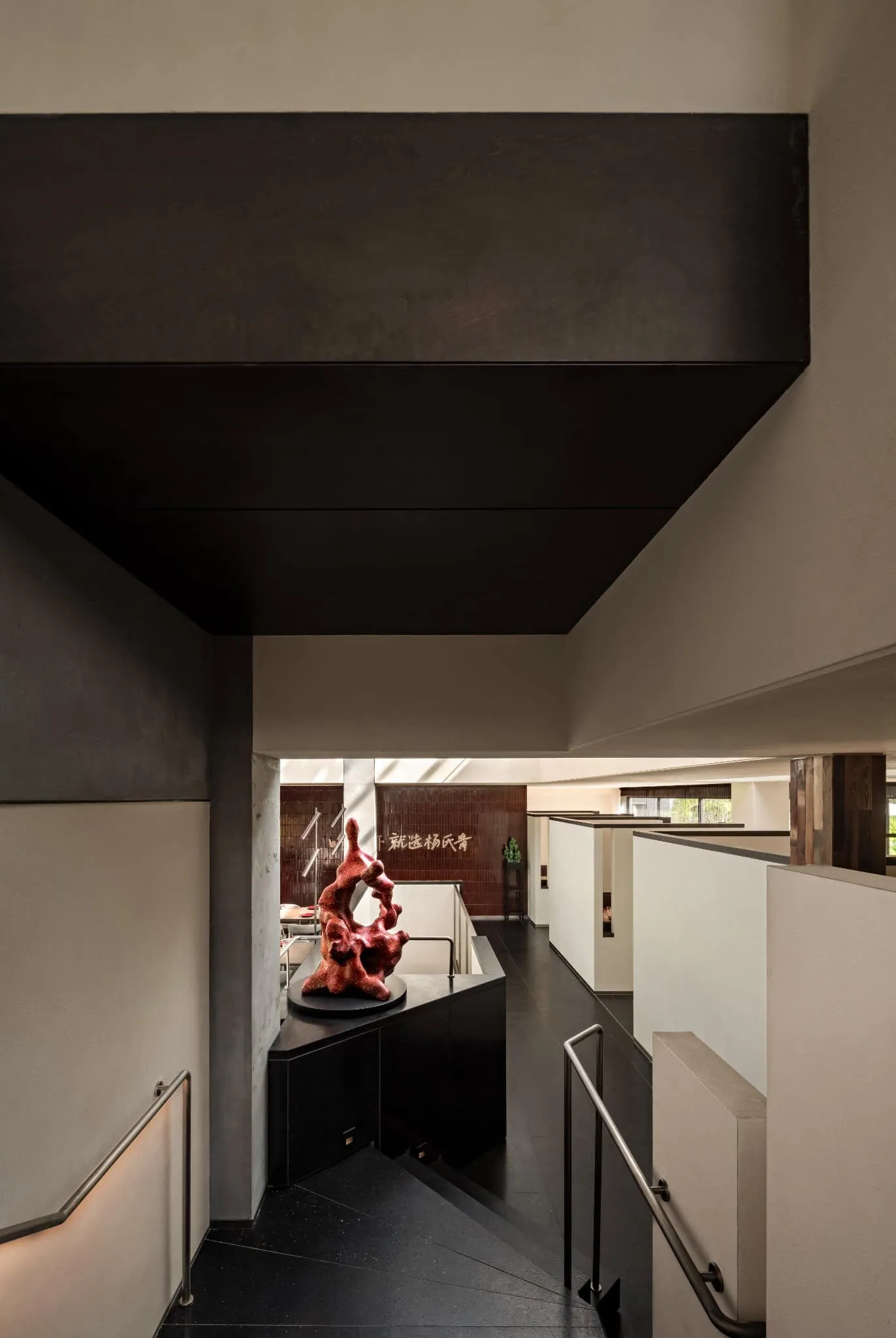 Photo © Zheng Yan
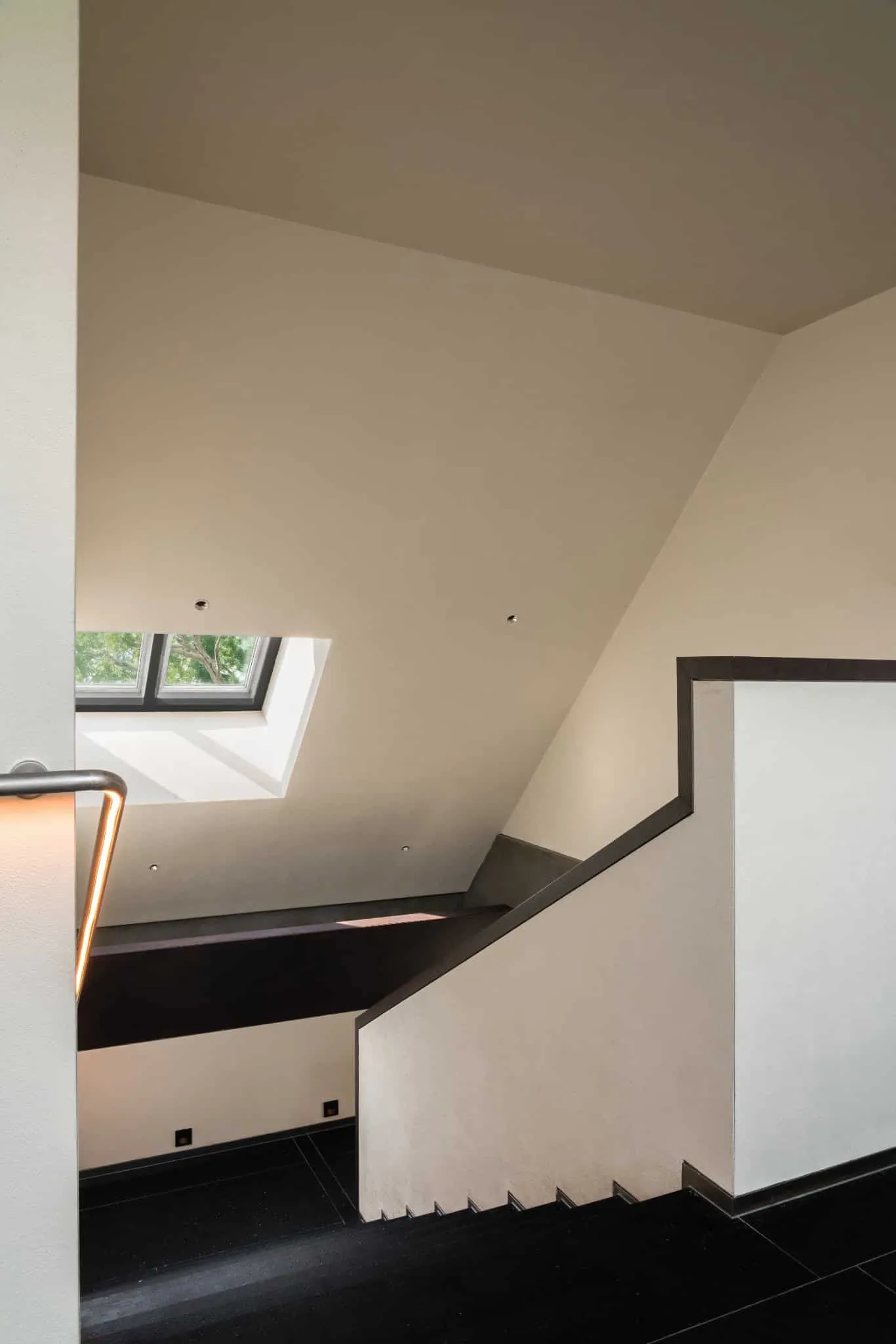 Photo © Zheng Yan
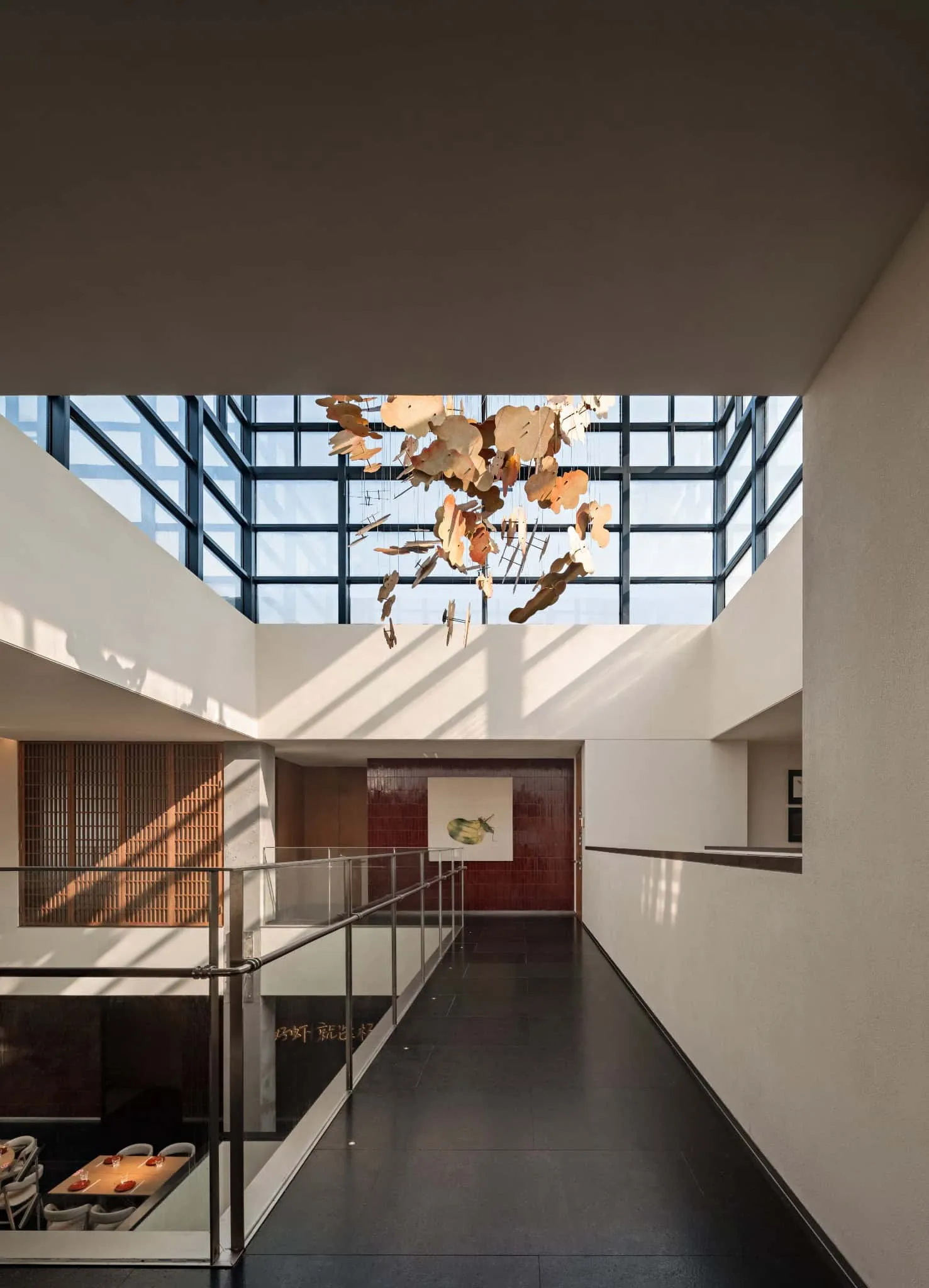 Photo © Zheng Yan
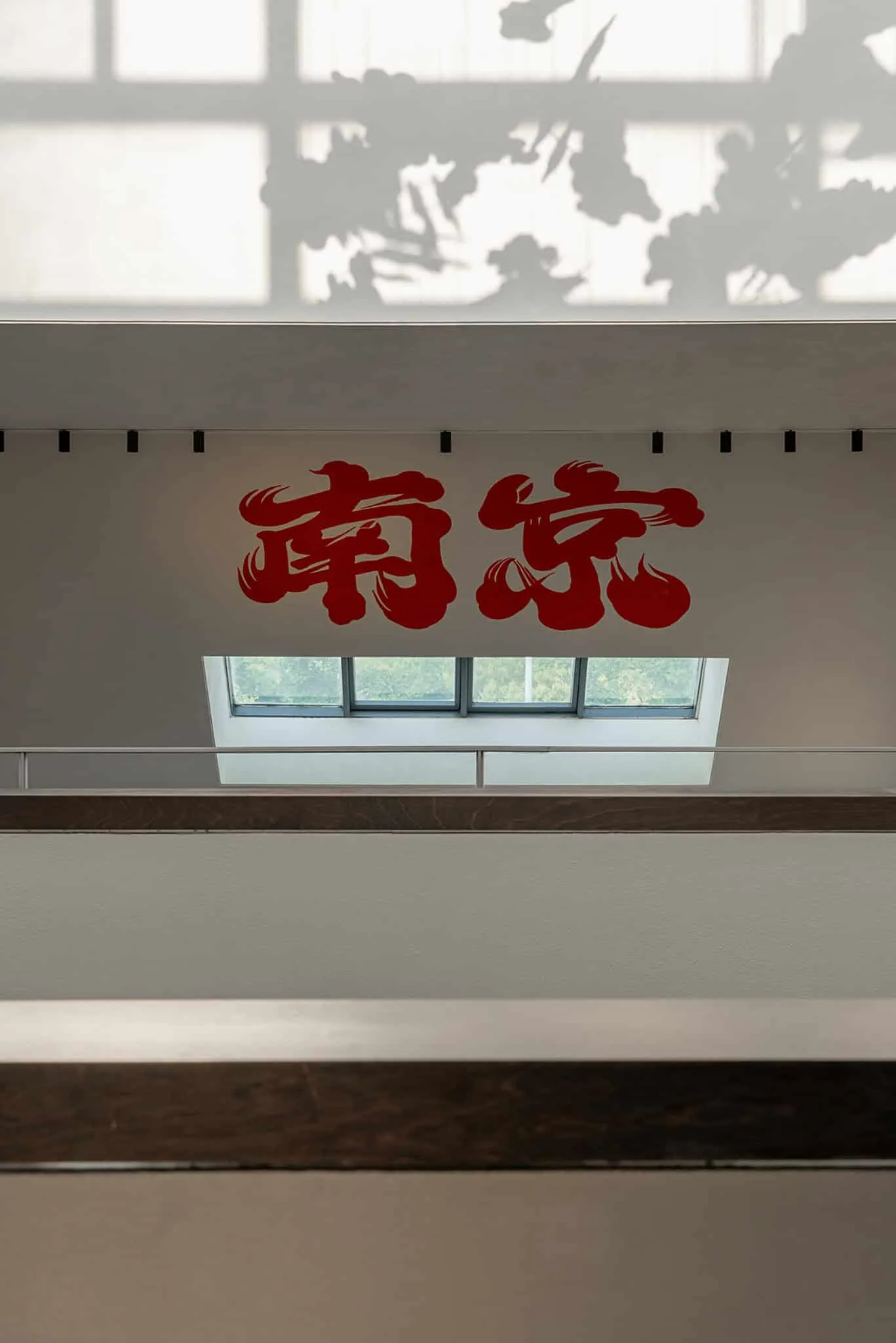 Photo © Zheng Yan
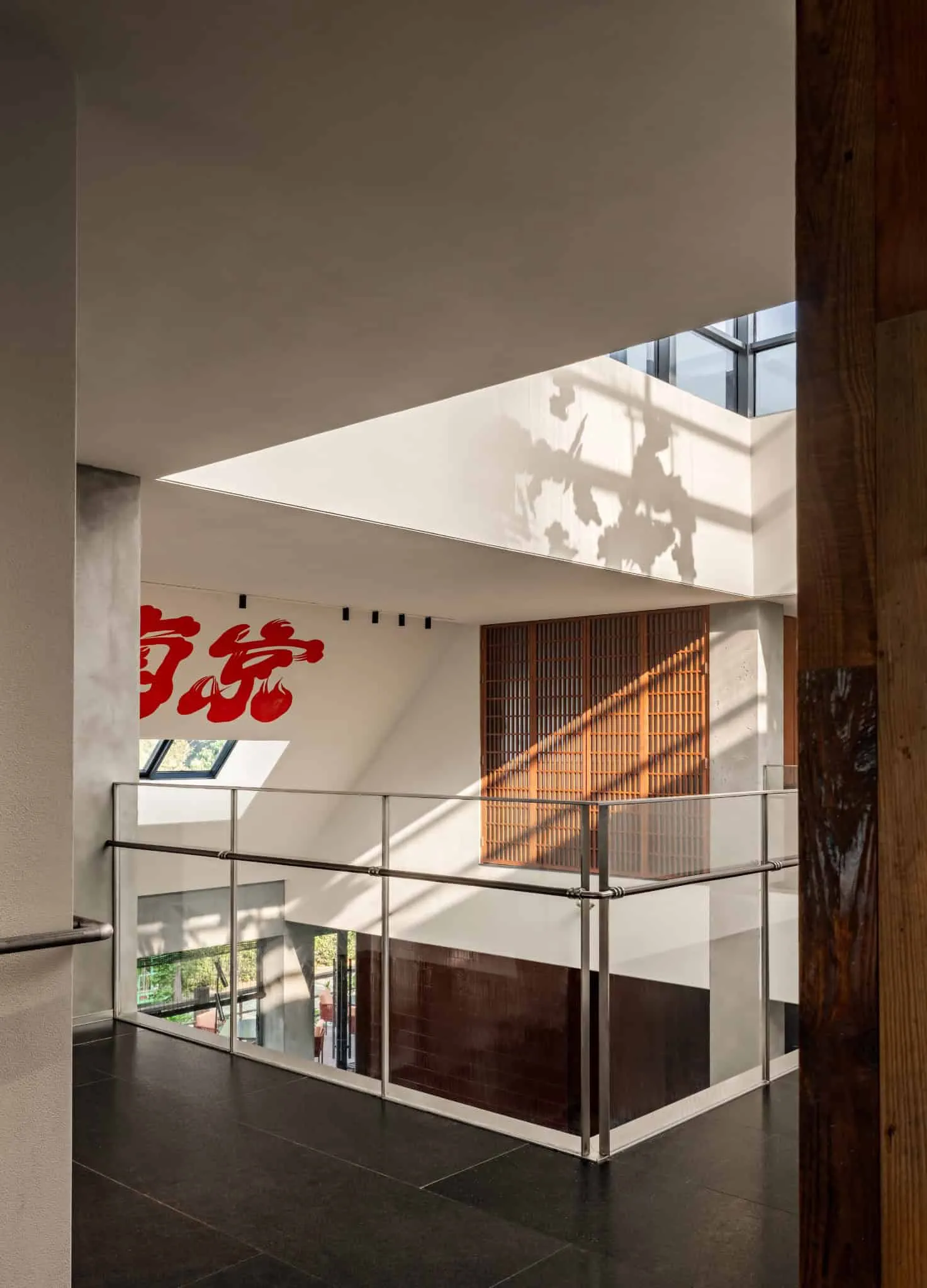 Photo © Zheng Yan
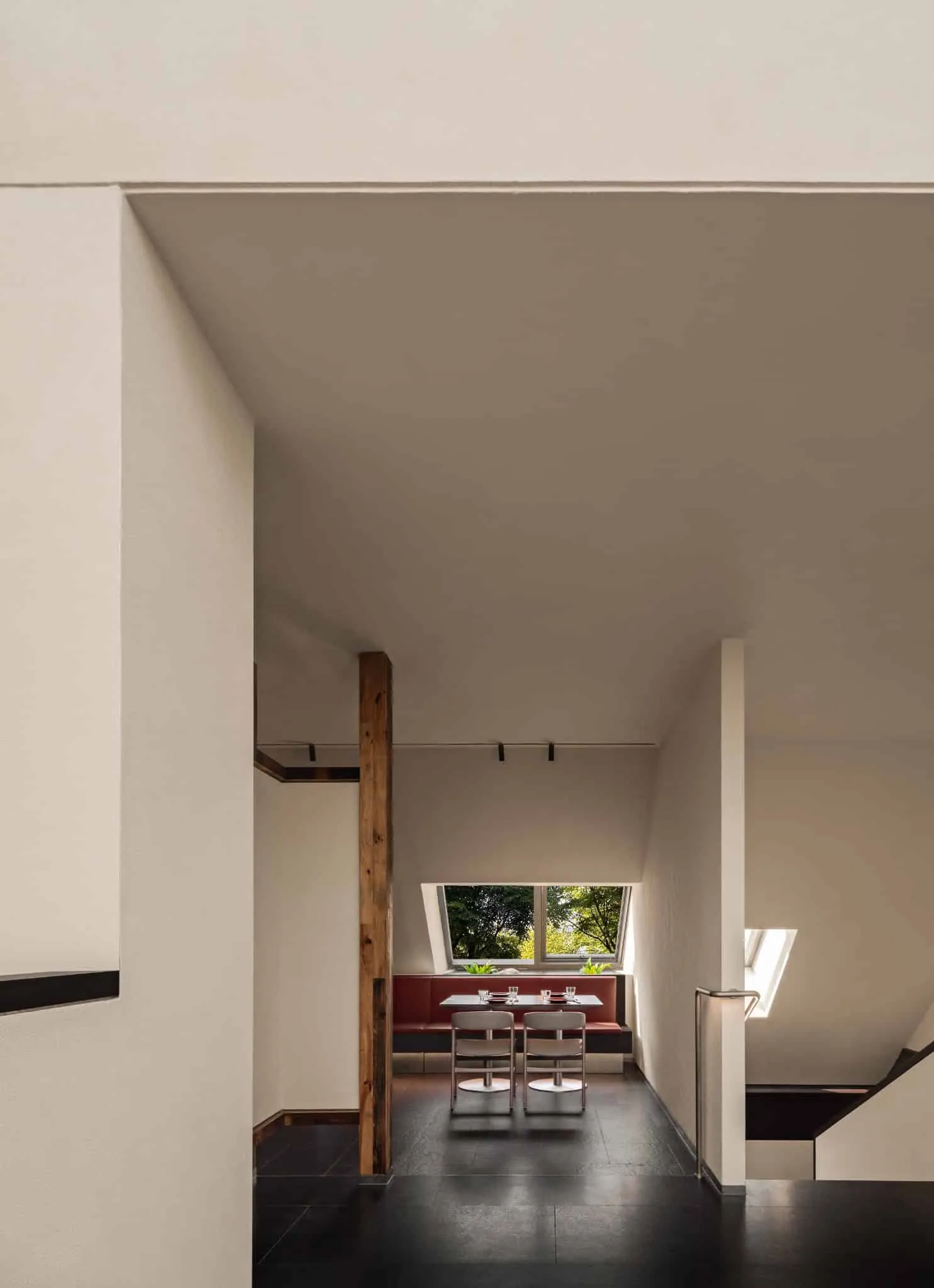 Photo © Zheng Yan
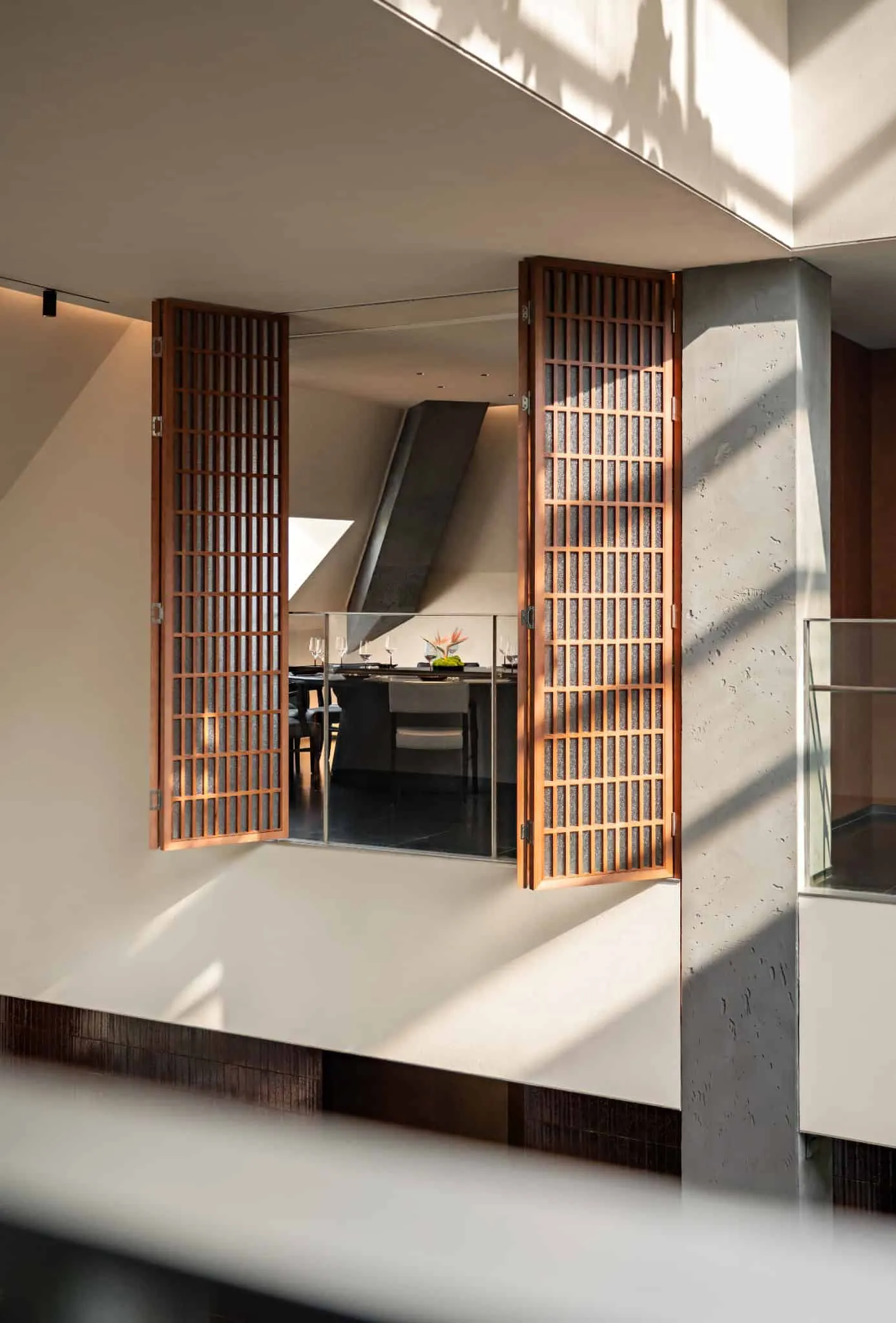 Photo © Zheng Yan
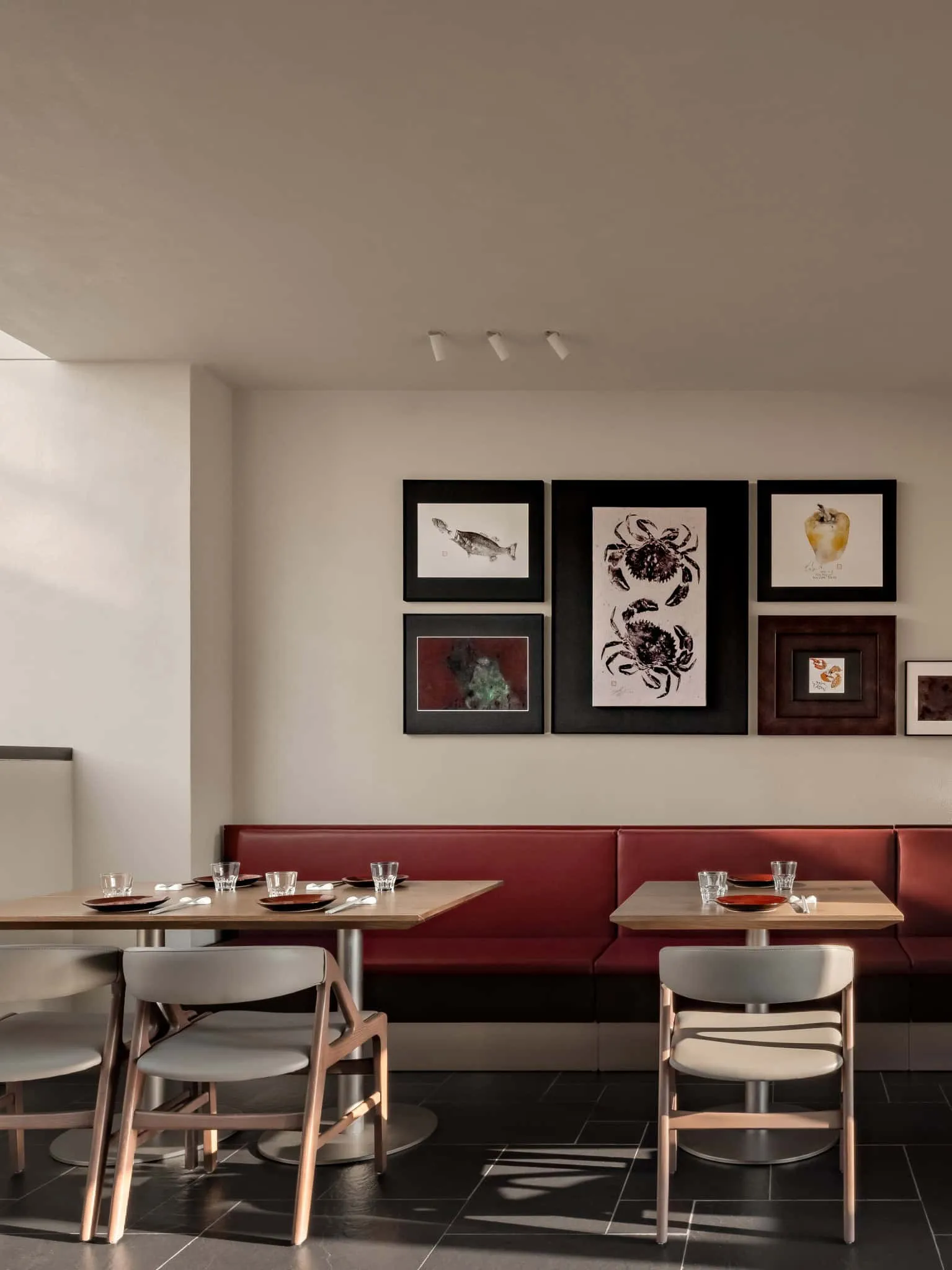 Photo © Zheng Yan
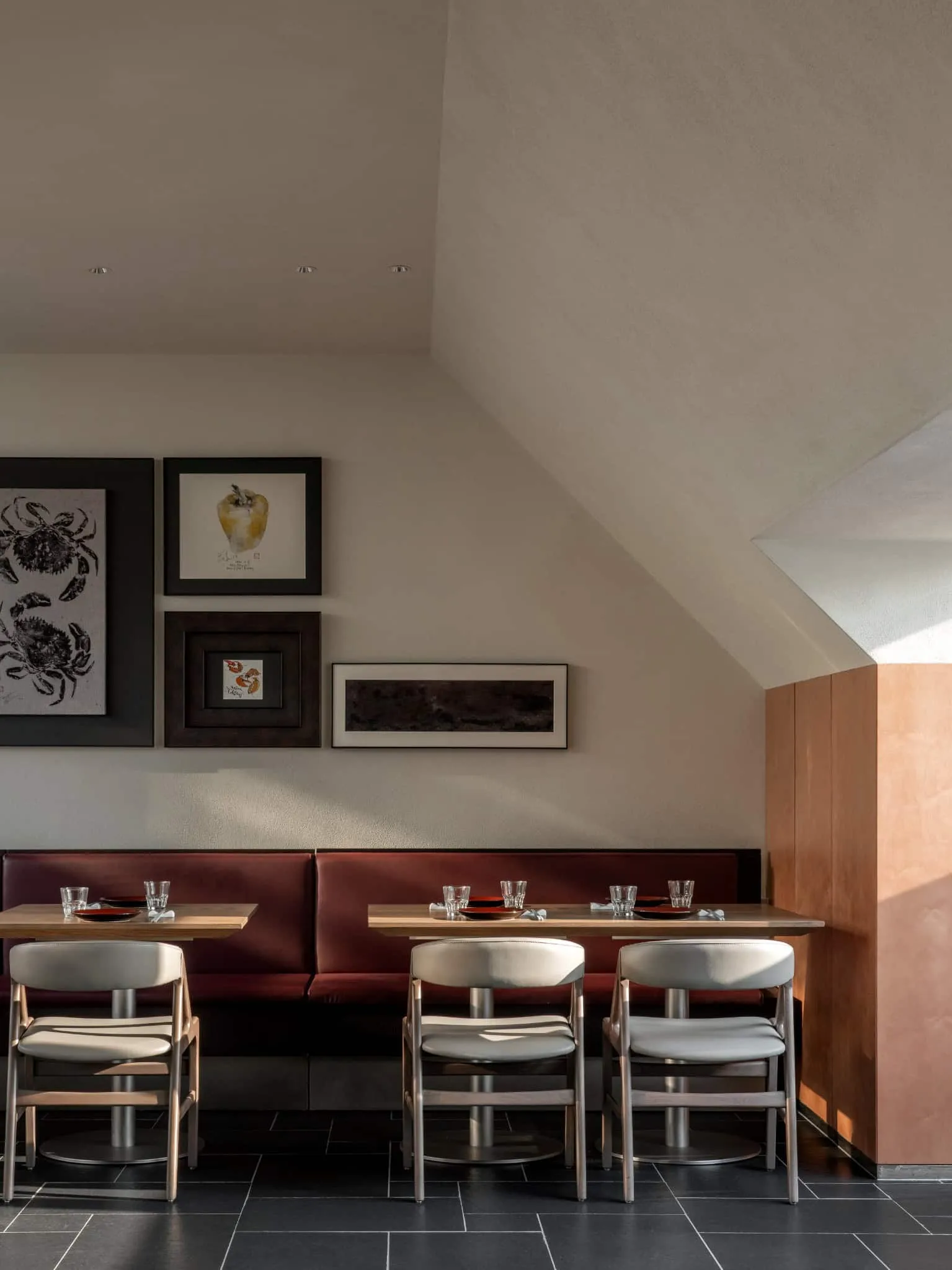 Photo © Zheng Yan
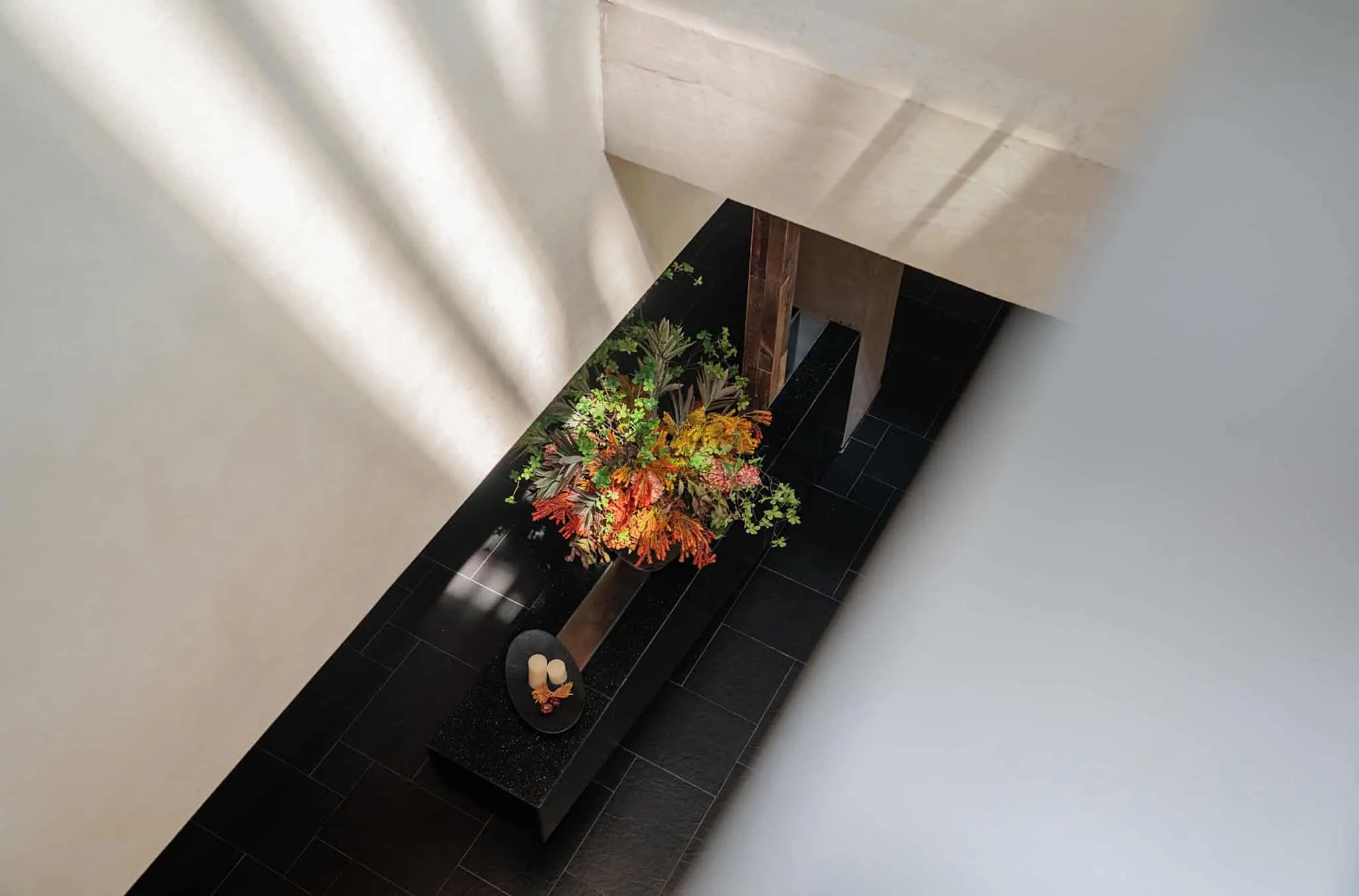 Photo © Zheng Yan
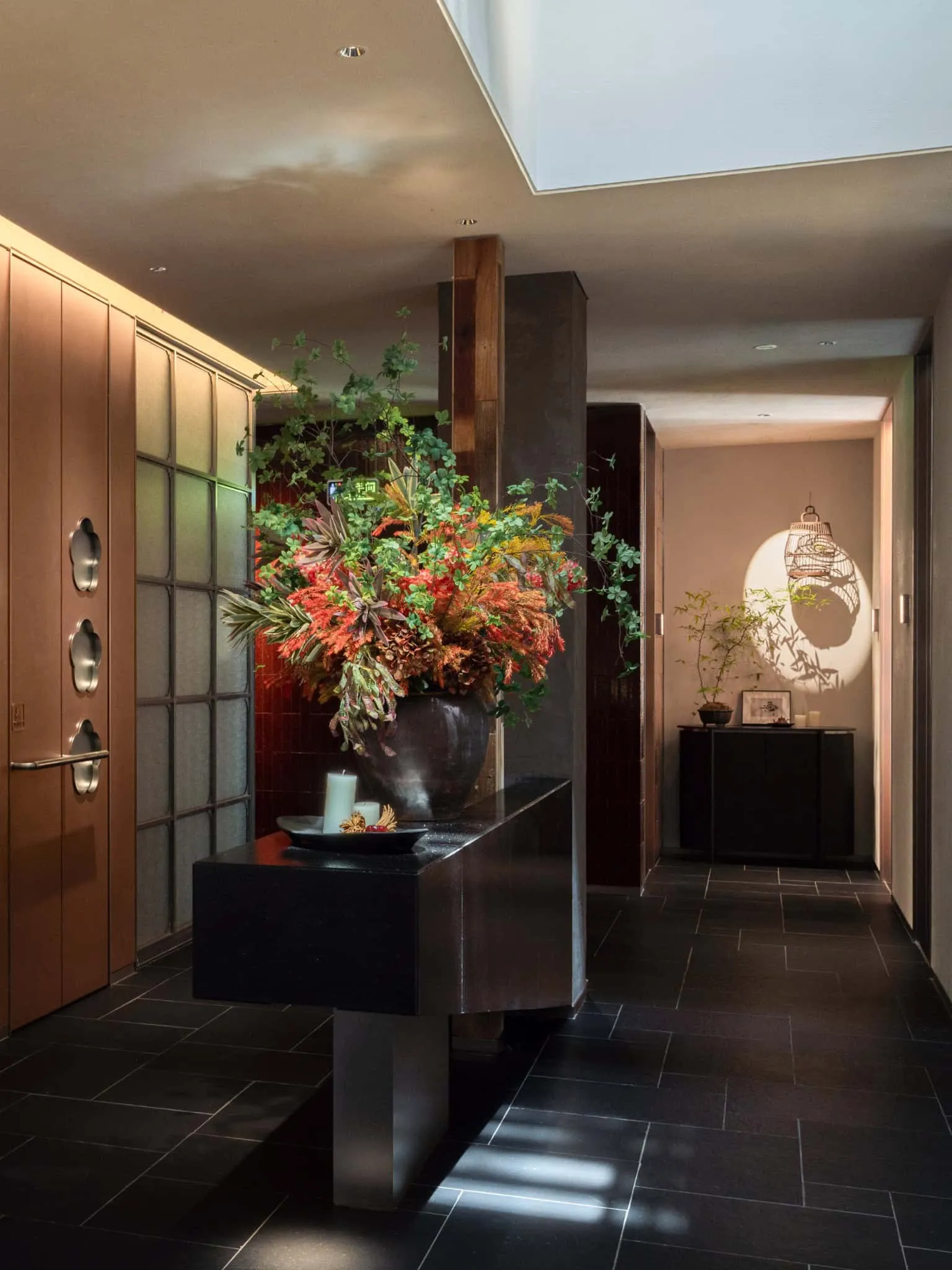 Photo © Zheng Yan
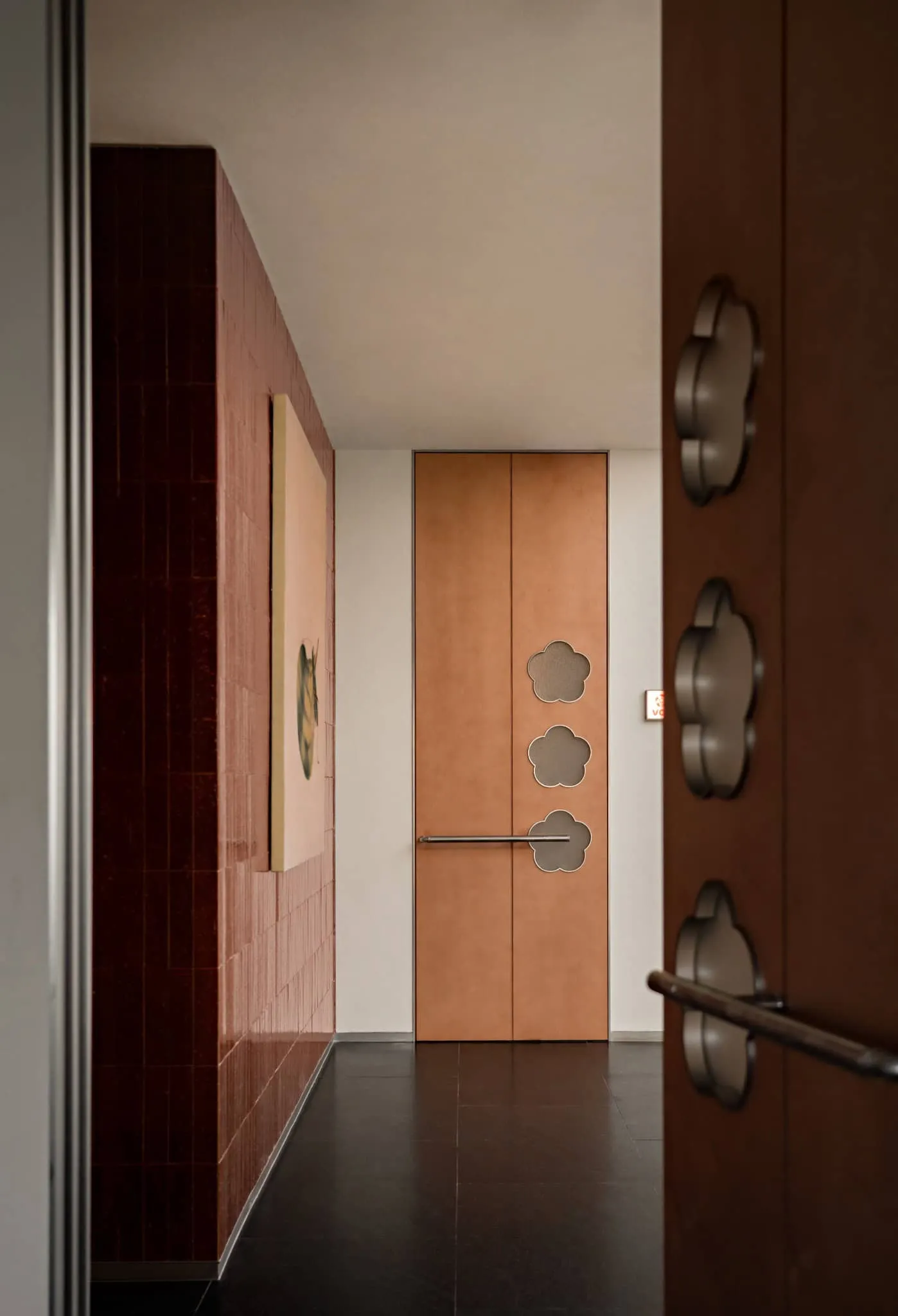 Photo © Zheng Yan
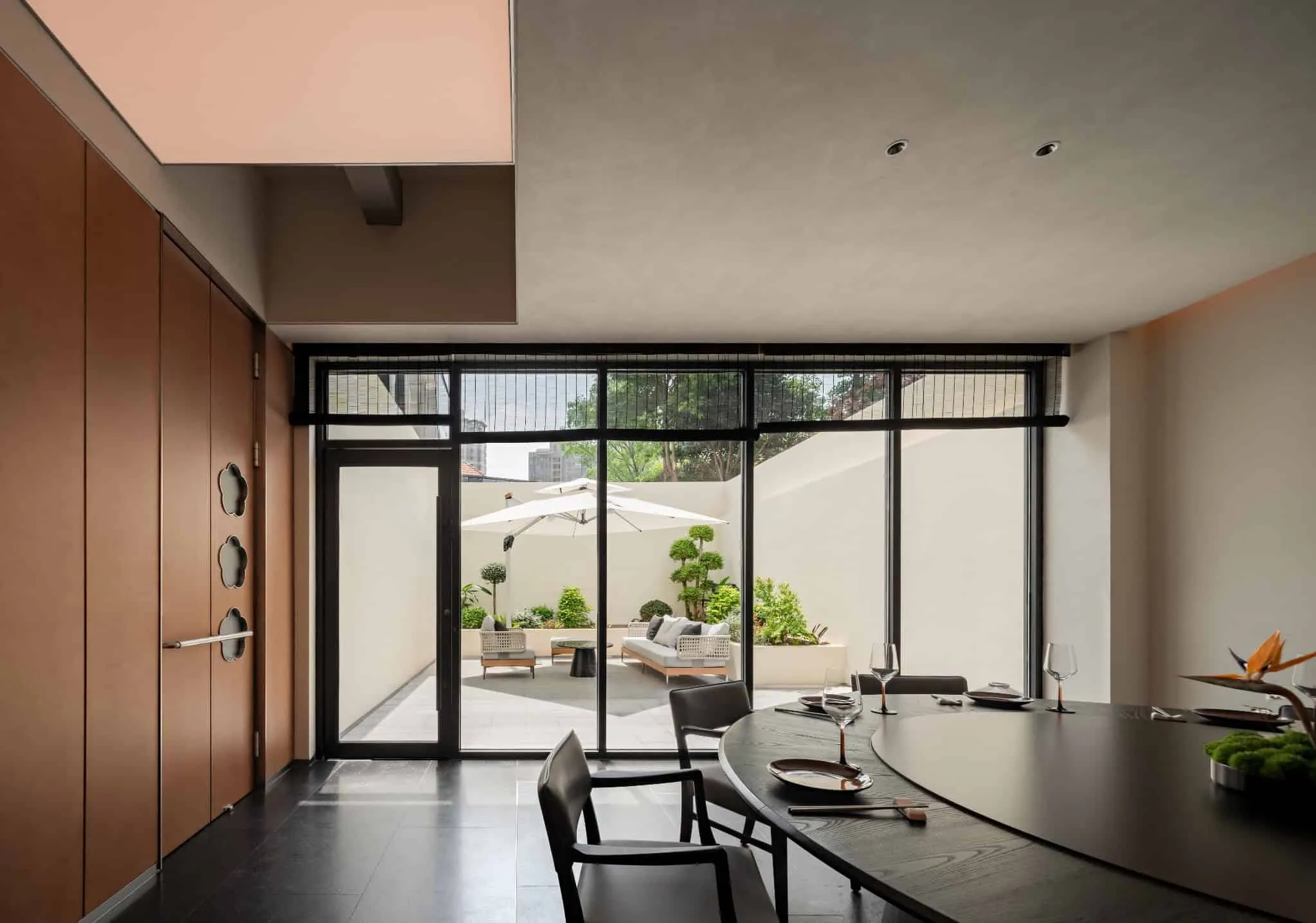 Photo © Zheng Yan
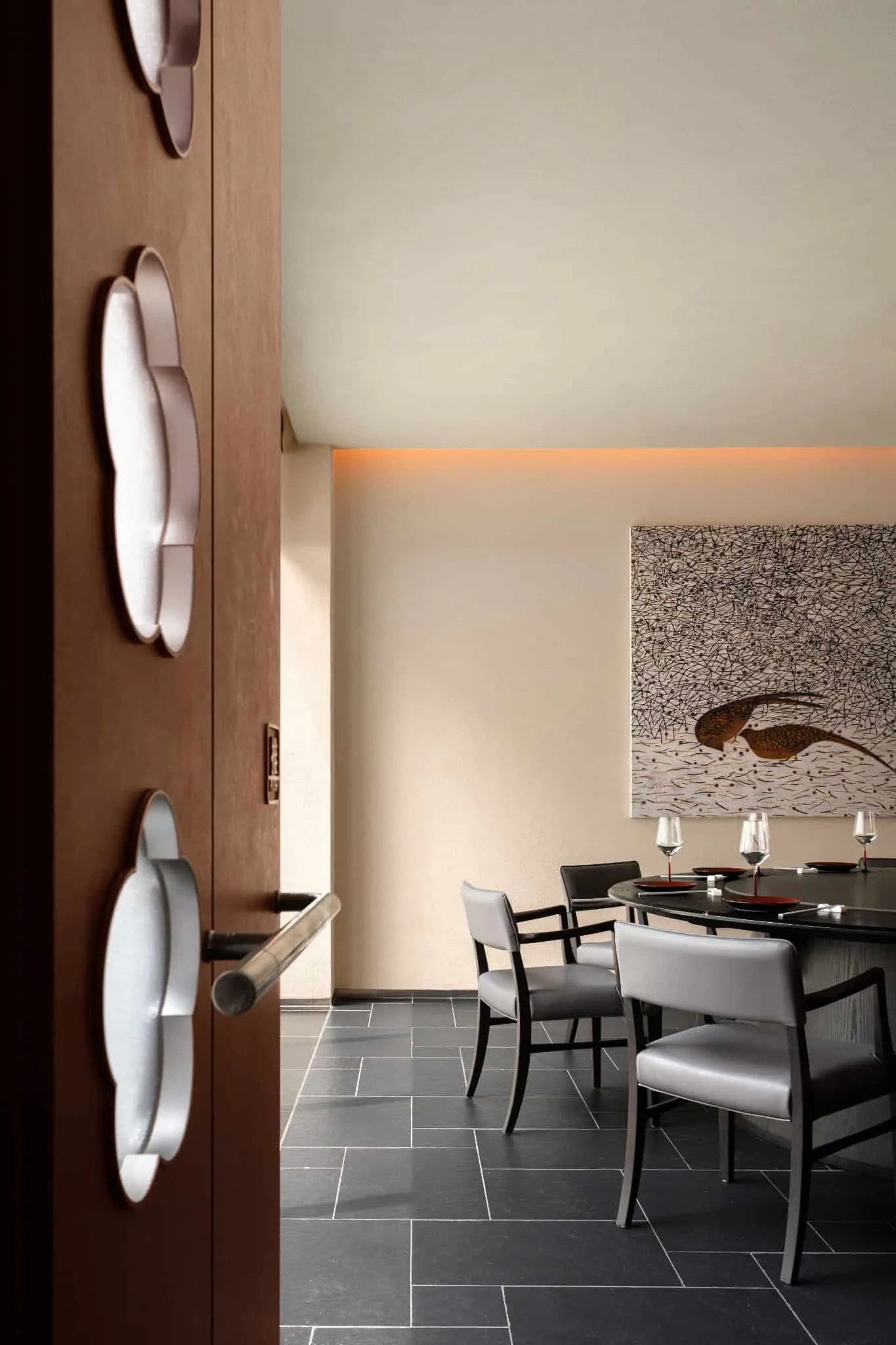 Photo © Zheng Yan
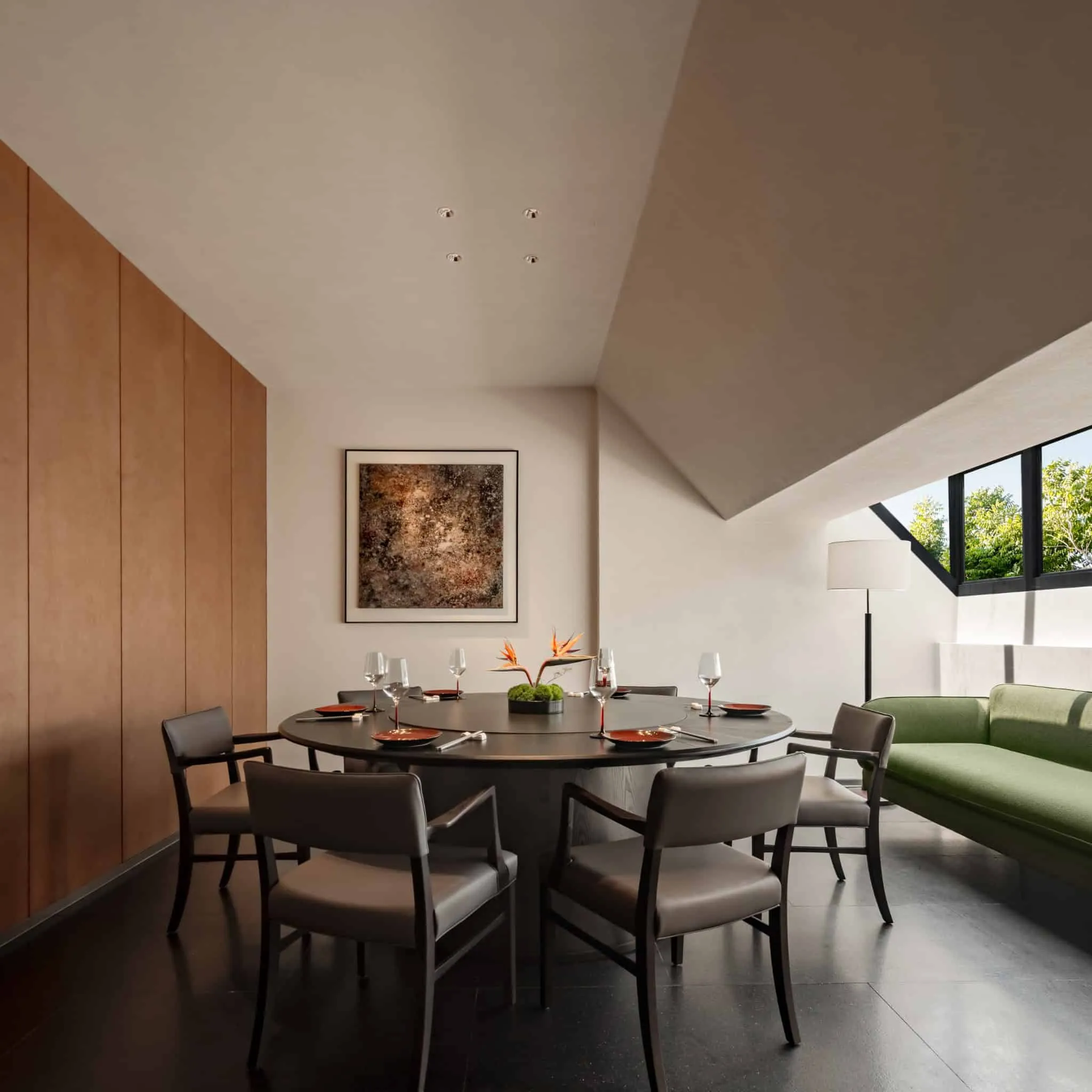 Photo © Zheng Yan
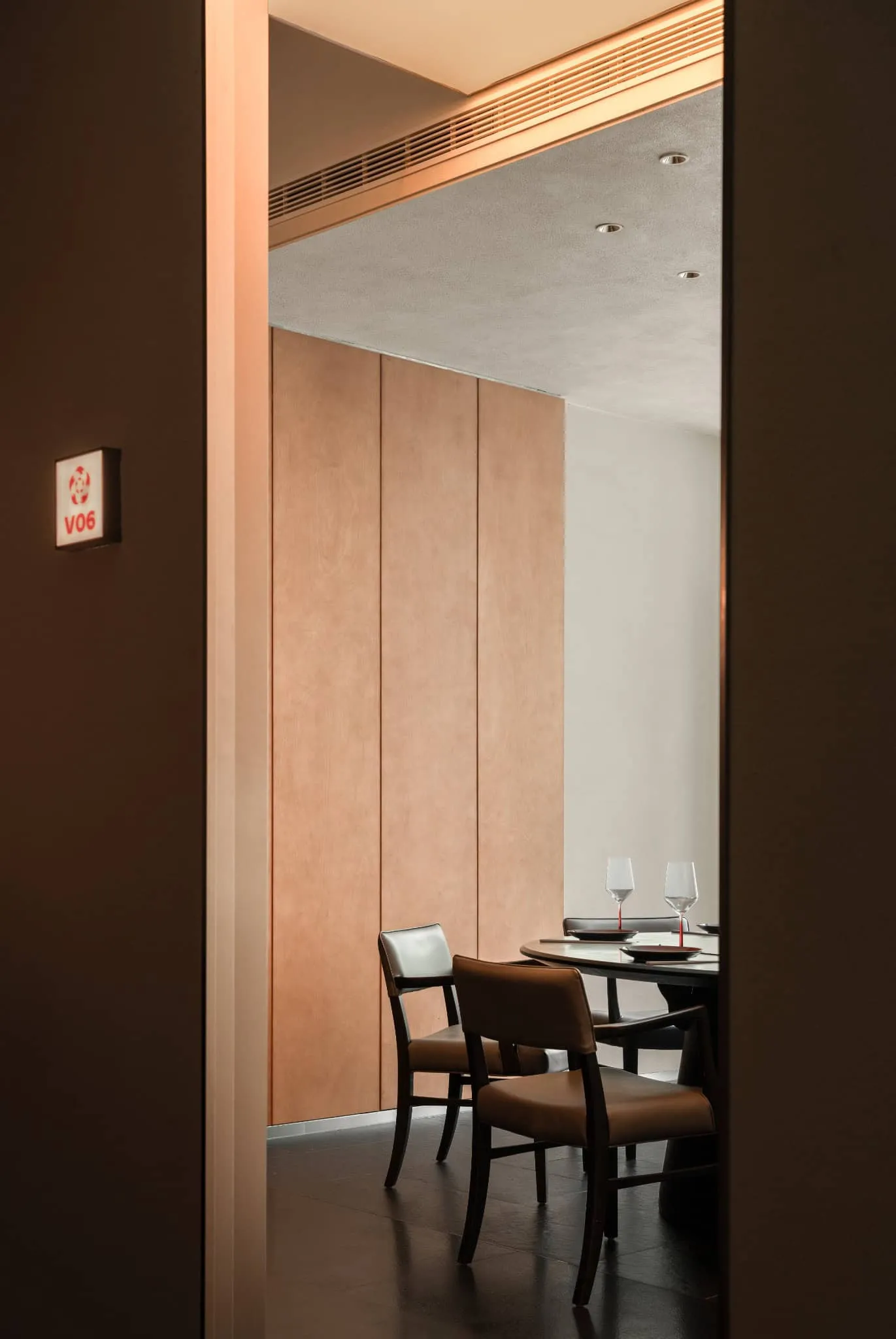 Photo © Zheng Yan
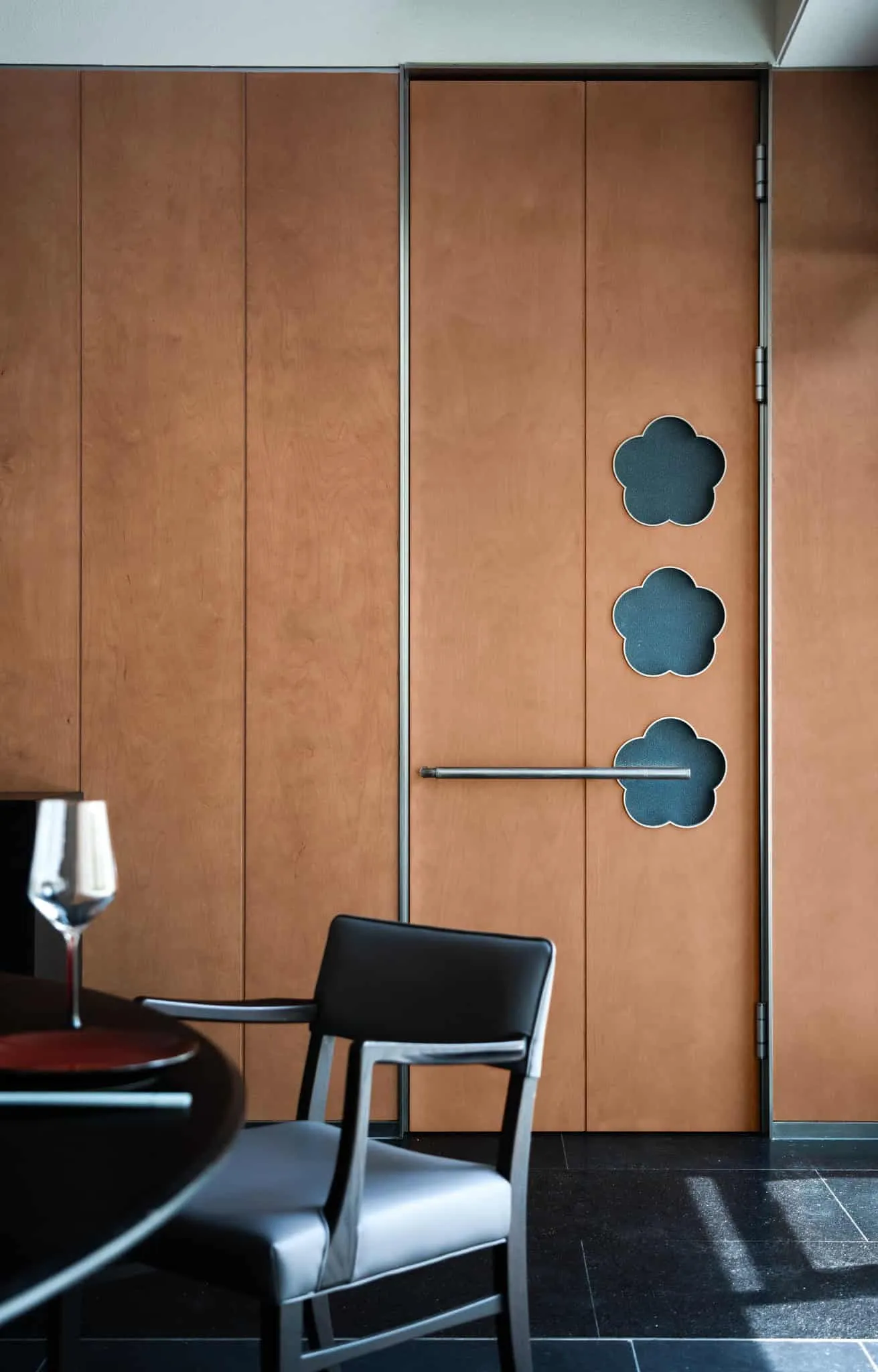 Photo © Zheng Yan
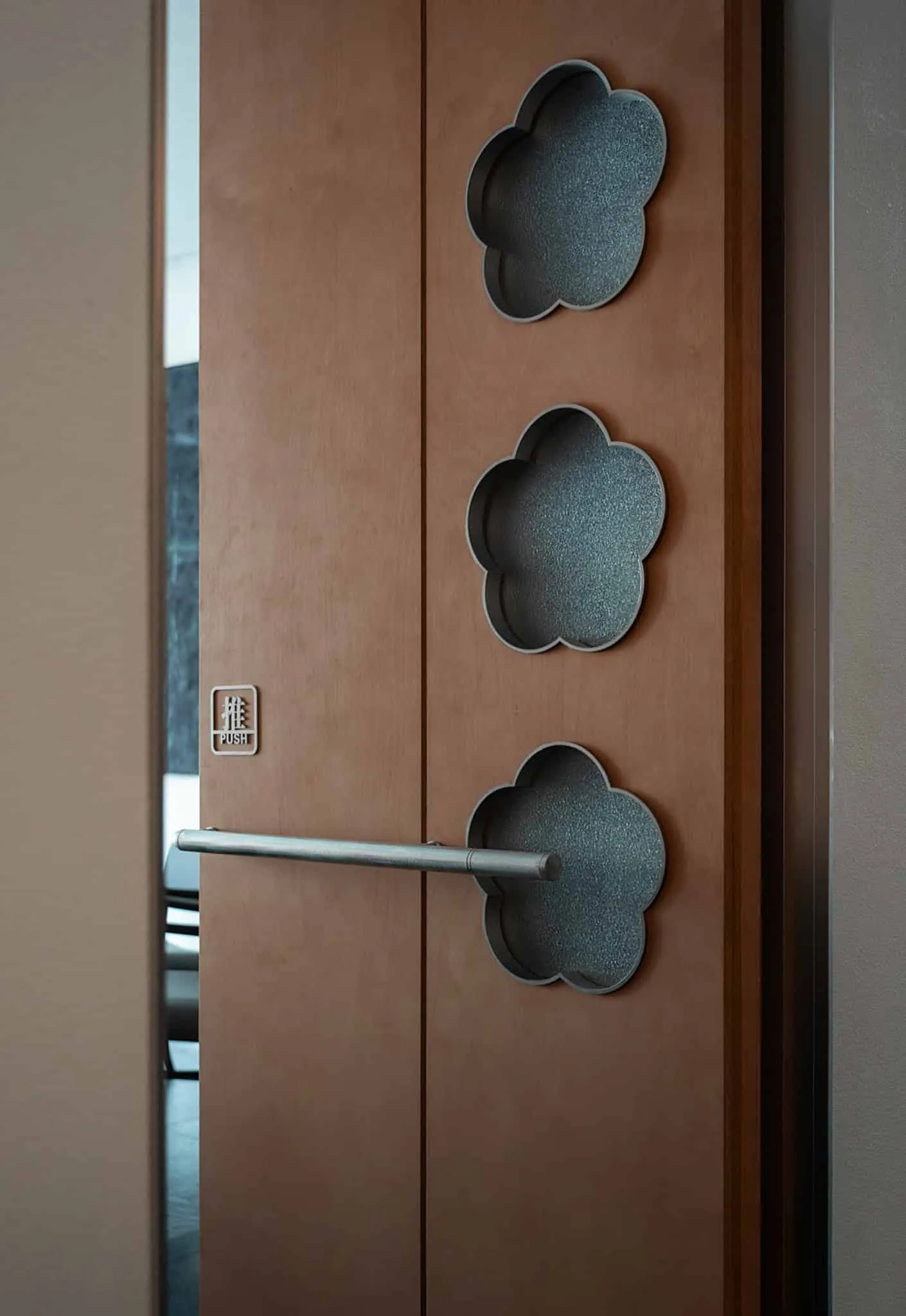 Photo © Zheng Yan
 Photo © Zheng Yan
 Photo © Zheng Yan


