Common Mistakes to Avoid When Buying Your First Home
Purchasing your first home can be an exciting, life-changing experience and a major step toward adulthood. However, that doesn't mean buying a home is without challenges. First-time buyers often feel stress, overwhelm, and financial strain when entering this process. Although there's no magic solution to home-buying problems, there are several ways to make the process much less difficult. With that in mind, all first-time buyers should avoid the following mistakes.
Having Significant Debt
Before moving forward with buying your first home or even applying for a mortgage, you should pay off all existing debts. A large amount of outstanding debt can be harmful from two key perspectives. First, it reduces your chances of mortgage approval. If a lender sees you completely overwhelmed by debt, why should they take the risk? Second, even if you do get a mortgage despite having debts, it can lead to financial ruin. Mortgage payments plus unmanageable debt may push your finances to the limit and undermine your quality of life.
Therefore, it's highly recommended that you eliminate all debts before seriously starting your home search. This might mean waiting a bit longer to buy a house, but in the long run it will expand your available options.
Skipping Home Inspection
Before deciding to purchase a home, it's advisable to conduct a thorough inspection of the property. This helps avoid unpleasant surprises after signing documents. While some sellers intentionally hide issues from buyers, others genuinely aren't aware of existing problems in their home.
Regardless of the type of seller, make sure that any home you're seriously considering for purchase is thoroughly inspected. This way, if serious issues with plumbing, electrical systems, or the overall structure are discovered, you'll be able to back out of the deal or renegotiate the purchase price.
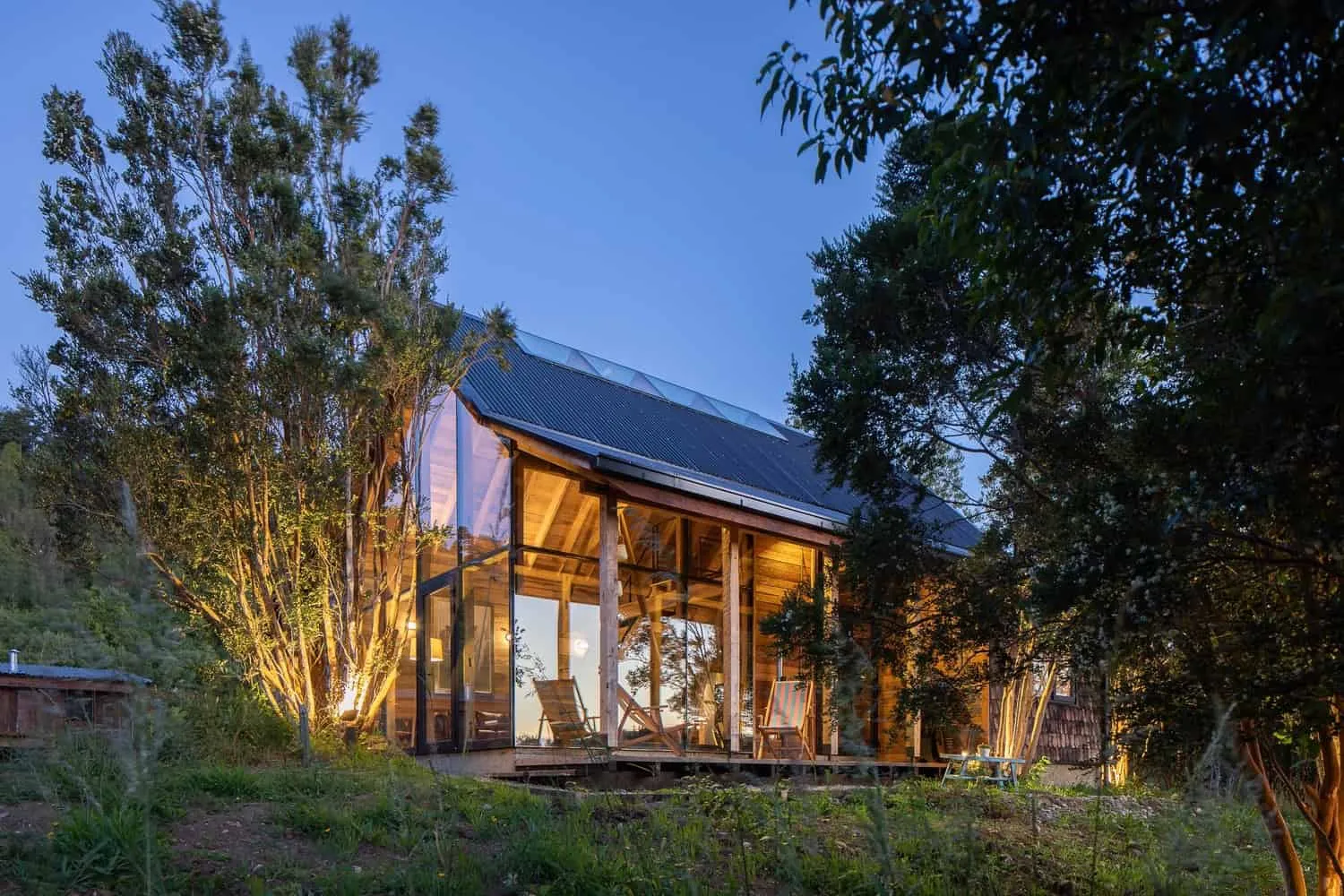
Not Considering Custom-Built Homes
If you have a sufficient budget, consider the option of purchasing a custom-built home. After all, finding an already occupied house that meets all your requirements is quite rare. Therefore, if you truly want to buy the home of your dreams, choosing custom construction is a reasonable decision.
There are many advantages to investing in a custom-built home. First, you won't encounter issues or unpleasant decisions left behind by previous residents. Second, you can guarantee each family member their own space, which is especially important for families with many children. Custom building also allows you to contribute at every stage of the construction process and get familiar with modern cost estimation programs.
Not Getting Pre-Approved for a Mortgage
You should never enter negotiations assuming you're definitely getting approved for a mortgage. Even if you're confident about approval, loan denial can instantly derail negotiations and waste time for all parties involved. To avoid this, make sure to get pre-approved for a mortgage before making a serious offer on a home. Beyond providing peace of mind to both you and the seller, it shows how seriously you intend to complete this deal. This is likely to put you ahead of other potential buyers who haven't taken the time for pre-approval.
Purchasing your first home can be both exciting and anxiety-provoking. While transitioning from tenant to homeowner is an extremely liberating experience, the buying process itself can be incredibly stressful. This is especially true for buyers with little or no real estate experience. Fortunately, there are many simple steps that can eliminate most difficulties when buying your first home. When looking for effective ways to simplify the process, pay attention to avoiding previously discussed mistakes.