How to Rent Out Your Apartment: 5 Tips for Preparation
Are you preparing to rent your house or apartment to potential tenants? Great, since the rental market in the USA is thriving, especially if the property's location is in a tourist hub or an expensive area. Statista reports that around 44 million residents live in rent-stabilized housing units in the USA, and this number is expected to grow in the coming years.
Nevertheless, although property owners rent their homes for many reasons—including generating a steady income stream, avoiding property taxes, lower insurance costs, no maintenance or repair expenses, rising rental property values, and reduced utility bills—according to Investopedia, many homeowners often face the challenge of how to prepare their home for rent.
Are you preparing to rent your house or apartment to potential tenants? Great, since the rental market in the USA is thriving, especially if the property's location is in a tourist hub or an expensive area. Statista reports that around 44 million residents live in rent-stabilized housing units in the USA, and this number is expected to grow in the coming years.

Nevertheless, although property owners rent their homes for many reasons—including generating a steady income stream, avoiding property taxes, lower insurance costs, no maintenance or repair expenses, rising rental property values, and reduced utility bills—according to Investopedia, many homeowners often face the challenge of how to prepare their home for rent.
In this article, I will highlight five tips on how to prepare your apartment for rent to maximize rental income. Also included are possible policies that should be followed as a property owner and things to avoid for a good tenant.
How to Prepare Your Home for Rent
1. Analyze Your Options
Immediately after deciding to rent out your home, you need to assess the condition of your property and potential obligations you will take on as a prospective landlord.
Checks to perform include inspecting the house for possible components needing repair, confirming the ability to collect rent and manage the home or hire a property management agency, as well as policies related to renting out real estate.
For example, internal income rules for property owners. Or how a rental agreement template looks and how it helps protect both landlords and tenants. These options will further guide you to the next set of steps.
2. Renovate, Modernize, Clean and Decorate Before Renting Out Your Home
No one wants to rent a room with plumbing issues, leaking roofs, or dirty conditions; so it's important to fix appliances and broken electrical or plumbing outlets, ensure all household items are in good condition, clean water stains from drains, replace damaged furniture, and possibly deal with pests.
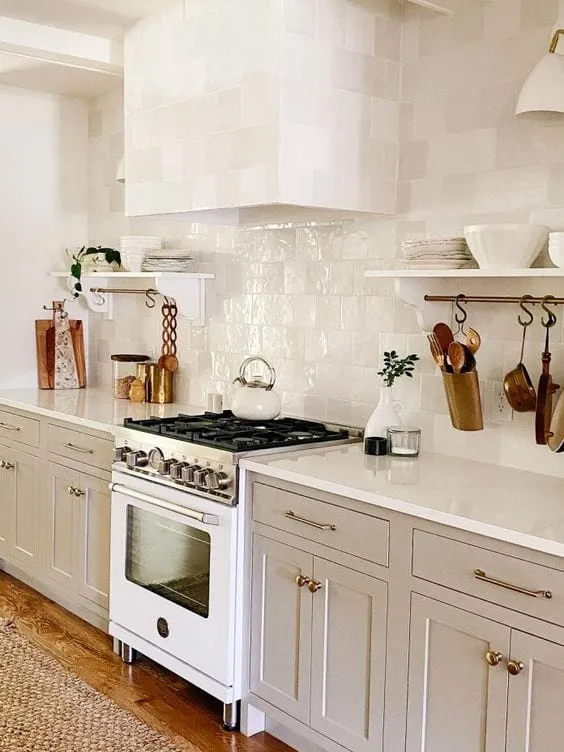
Modernizing outdated accessories and home tools may also be necessary. You should also complete the house, have modern finishes, and install missing appliances. Some important devices needed before leaving a home rent-ready:
- Heat pump
- Gas stove
- Electric stove
- Clothes dryer
- Water heater
- Washing machine
- Gas stove
- Refrigerator
- Microwave oven
- Dishwasher
- Boiler
- Vacuum cleaner
- Smart smoke detector
- Smart bulbs, smart outlets, smart locks and smart cameras
- Fire extinguishers among others.
When performing these upgrades and installations, it's helpful to consider who might be the potential tenant; for example, is a room being rented out to a student or family? This helps determine the necessary accessories for installation.
Also outfit the interior and exterior of the home with modern design accessories that give the house a stylish and elegant look. The atmosphere should be warm. You can also apply a fresh neutral paint color that gives the space a welcoming appearance.
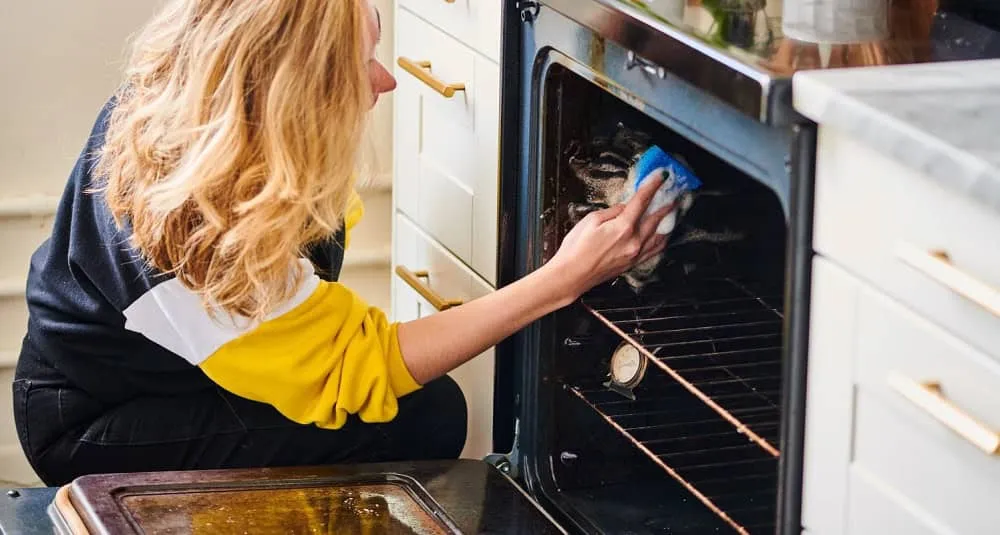
Afterwards, clean the house of all forms of dirt; this also makes it look neat and beautiful. If you don't have the time or energy to clean the entire house, consider hiring a professional cleaning service.
3. Get Professional Advice on Financial Matters Related to the Home
Consult professionals such as an insurance company or agent, accountant and real estate specialist to gain clarity on tax laws, local property rules, insurance policies, and zoning.
The accountant also informs you about possible tax deductions, the amount deductible per year and other relevant information regarding tax benefits.
The insurance agent advises you on the landlord and tenant insurance policy, how it works and its benefits. This policy protects you in case a tenant gets injured or damages any appliances or devices during the rental period. It’s also important to learn about will laws, especially how they apply when a tenant or property owner passes away.
A lawyer also helps clarify which rental laws and property owner laws apply in your state, as well as community policies or rules regarding renting real estate. The advice from all these professionals will help you set a competitive rent and prevent unnecessary spending.
4. Take High-Quality Photos for Preparing Your Home for Rent
There are many online sites where you can list your property for rent. Therefore, the images you upload to these search platforms create a strong impression of the apartment or room being rented. Given this, you need to take photos that attract potential tenants, whether viewed on a smartphone or computer.
Creating an impressive photo can be difficult, especially without the right tool or device. It may also be problematic when shooting from an unusual or awkward angle, especially in a room without natural light or during rainy weather. In this case, hire a professional photographer to capture these shots or ensure you can take high-quality photos that leave a positive impression.
5. Screen Potential Tenants
When screening potential tenants, timely rent payments or credit score are not the only factors to consider, especially if you will be living with them. Their credit report, income and criminal history are also important.
These details give you insight into the potential tenant, and thus help make a decision. You obviously don’t want to live with someone who shows strange behavioral patterns after moving into your apartment, and a wrong tenant can cause you stress even before the eviction process begins.
Additionally, you should be confident that this potential tenant will keep your home in good condition or take proper care of it. Otherwise, you might end up with a mess after the lease expires.
Finally, once you find the right tenant, request a substantial security deposit and set up a payment plan with them.
Conclusion
With these tips, you can get your home in great shape, attract suitable potential tenants, and earn good rental income while avoiding pitfalls many homeowners have previously encountered. You will also be able to make informed decisions on tax issues and learn some policies governing apartment rentals.