Retro Wiring
In the past, what is now called "retro wiring" was the only way to run electrical cables. Today, there are many ways to electrify a building.
Open wiring is used less and less, while concealed wiring is becoming more popular. However, despite the lower protection of old-style wiring and the possibility of embedding cables or hiding them behind gypsum board and other structures, external retro wiring is making a comeback in homes. As they say, "what's new is just forgotten old." Retro-style wiring has aesthetic and technical advantages.
- In interior design, leading positions are held by styles such as country, loft, vintage, retro and others. Open wiring using the "grandfather" method fits perfectly into interiors designed in such styles and not only doesn't interfere but also enhances them, serving as a full-fledged decorative element.
- Open wiring on insulators is one of the convenient options for running cables through combustible structures or where it's hard to install concealed wiring. Concealed wiring in wooden houses is inconvenient to install, difficult to observe later on, and if installed, must be done according to rules by running through metal pipes that are tightly connected to distribution boxes.
Retro wiring in a wooden house is a good alternative to concealed wiring.
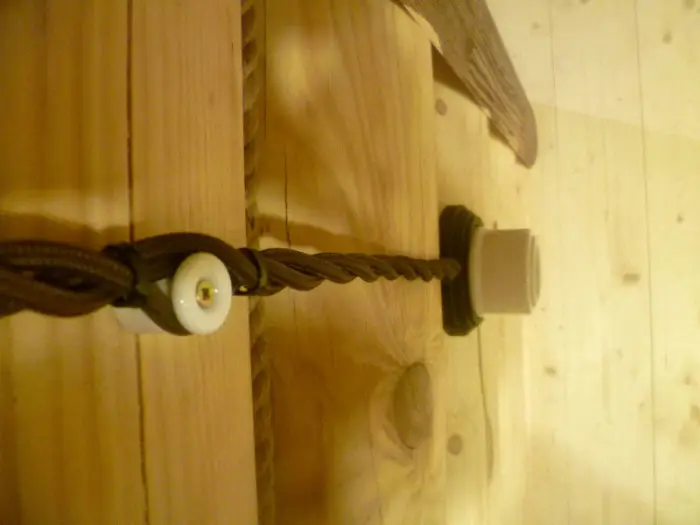
Photo 1 — Retro wiring in a wooden house
But once you decide to install wiring styled as retro, it's important to know that:
- Beauty is beauty, but first and foremost, wiring must be safe and able to handle the loads of numerous household appliances. For this, appropriate materials and adherence to proper techniques for such wiring are required.
- This will cost a significant amount, especially since electrical installation fixtures can be expensive. There are more economical options.
External twisted wiring on porcelain insulators has some specific features in terms of materials and installation.
To run electricity this way, you need:
- Special two- or three-core twisted retro cables made of copper core insulated with PVC and covered with a silk sheath impregnated with non-flammable material. Or manually twisted cables that do not spread fire (ng) or smoke (LS). It's better when grounding is present and a three-core cable is used.
- Porcelain insulators, outlets, switches and junction boxes. This is the most expensive part, as their production isn't widespread – there are only a few firms and mostly they're foreign. Porcelain insulators can be found in Russian production, good electrical fixtures are mainly from Italy and come at corresponding prices.
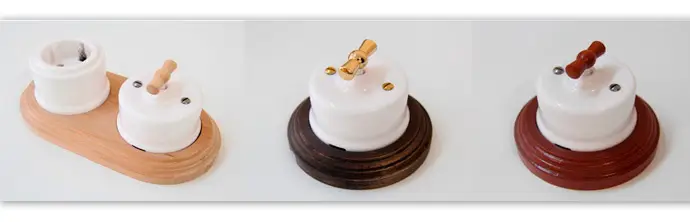
Photo 2 — Bironi Retro Outlets and Switches
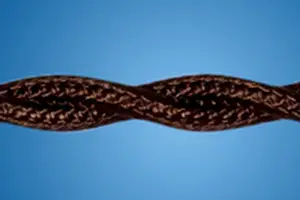
Photo 3 — Gi Gambarelli Brown Silk Cable
All components of retro wiring can be purchased from the Italian company Gambarelli or Spanish Fontini.
It's worth mentioning Russian manufacturers: Bironi and Salvador retro wiring.
Foreign products are considered more reliable, while Russian ones are certified under GOST and often don't fall short of foreign counterparts in terms of retro wiring quality.
Cheaper options can be found with Bironi, whose cost is slightly lower than Gambarelli. The cable 10004 2x1.5 mm white "retro" (Italy, GI Gambarelli) costs from 26 UAH/meter in Kyiv and 140 RUB/meter in Moscow. Gambarelli switches cost several thousand rubles each. Bironi insulators cost about 30 RUB/7 UAH per unit, and pivot switches start at around 700–1000 RUB/200 UAH per unit.
Companies offering electrical wiring also produce stylized fittings, such as screws in gold or bronze.
Secrets of installing retro wiring:
- Due to the high cost of such a project, a combination of concealed and retro wiring is usually implemented. The main part of the wiring is done concealed, while retro wiring may only be run from distribution boxes to light fixtures, switches and outlets.
- As with other methods of running electrical cables and wires, they must only connect in distribution boxes, not by twisting but by soldering or terminal blocks.
- There should be at least 1 cm distance from the wire to any combustible base.
- Stylized retro wiring can also be run through conduits.