Profile for Suspended Ceilings: Main Types
Types of profiles for suspended ceilings
Depending on the material used, profiles are divided into metal and plastic. Aluminum profile for suspended ceilings is made from an aluminum alloy.
Types of profiles for suspended ceilings
Depending on the material used, profiles are divided into metal and plastic.
- Aluminum profile for suspended ceilings is made from an aluminum alloy. It is strong and can withstand the weight of large ceiling panels.
- Plastic profile is made from rigid PVC. It is lightweight, bends easily, and is easy to install. Most importantly, it can be mounted closer to the ceiling, minimizing height loss in the room.
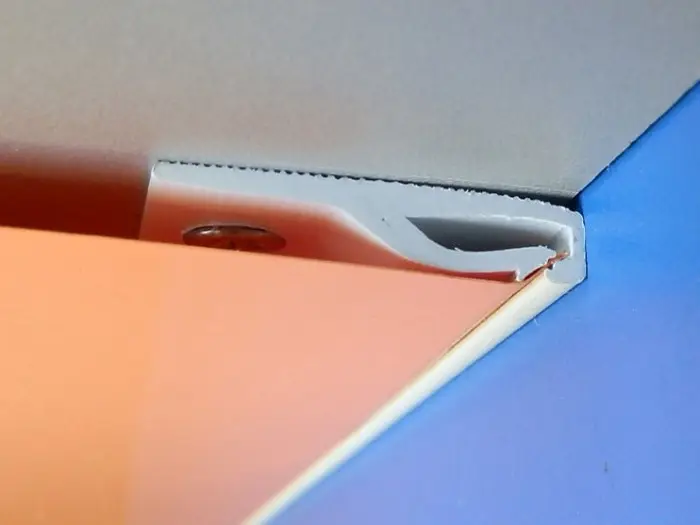
Photo 1 — Plastic ceiling profile
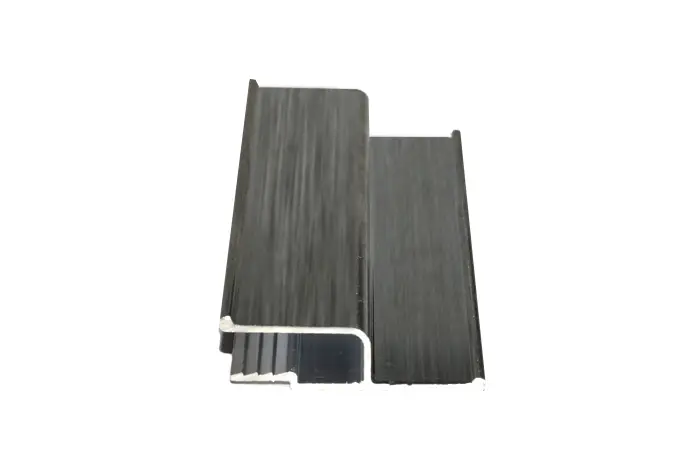
Photo 2 — Aluminum wall profile
Based on the type of mounting surface, ceiling, wall, and universal profiles can be distinguished.
- A ceiling profile is used to mount the suspended ceiling panel on any horizontal surface.
- A wall profile is used to mount the suspended ceiling panel on walls and any vertical surface.
- A universal profile is mounted on any horizontal or vertical surface for mounting suspended ceiling panels. It is especially convenient to use in unusual places, such as complex structures, niches, or around stationary furniture.
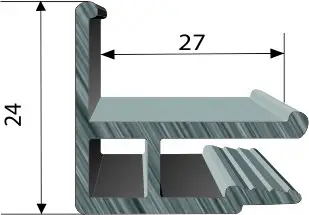
Photo 3 — Universal profile mounted on any surface
Depending on visibility after installation, visible and invisible profiles are distinguished.
- A visible profile is noticeable after installation — its lower part serves as decorative edging.
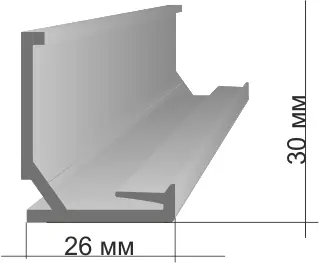
Photo 4 — Visible profile for suspended ceiling installation
- An invisible profile is hidden under a PVC film after the ceiling is installed.
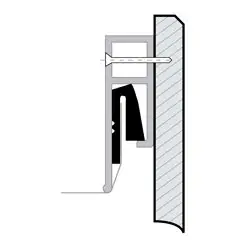
Photo 5 — Invisible profile for suspended ceiling installation
There are special types of profiles designed for specific connections depending on the system, installation location, and construction complexity.
- A divider profile can have different designs. It is used when joining two different ceiling panels, passing around columns, or covering large areas. The joint can be a simple smooth transition from one panel to another or include an insert between them.
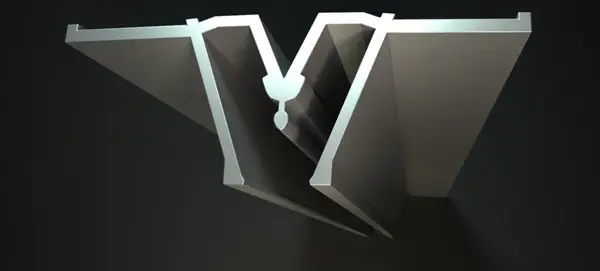
Photo 6 — Divider profile for joining two suspended ceiling panels
- A double or divider angled profile allows mounting two panels at once. It is used for creating complex illuminated ceiling structures, such as those using translucent panels. This way, a starry sky effect is created.
Photo 7 — Double profile for parallel tensioning of two panels
- An angular profile consists of two parts joined during installation. It is used for angular joining of panels, passing around construction elements, and creating various multi-level ceiling structures. A special structural profile is also used for this purpose.
Angular and structural profiles with evenly spaced notches are available for easier bending. These are used for installing curved ceilings and complex multi-level structures.
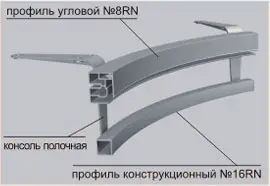
Photo 8 — Angular and structural profiles
- A plastic batten “clip” for seamless ceilings is used for installing fabric suspended ceilings.
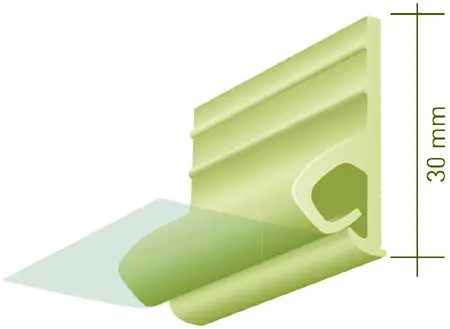
Photo 9 — Batten for seamless fabric ceiling
- A clip profile is used in the clip system of suspended ceiling installation. The panel is stretched and placed inside the profile, and then a clip or wedge is inserted into the profile on top of the film.
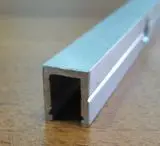
Photo 10 — Clip profile
Profile for Suspended Ceilings, Price
Profiles for suspended ceilings can be purchased in one of the online stores. Product descriptions include material, weight, minimum distance to ceiling during installation, mounting system, and more. Approximate prices for various profiles for suspended ceilings when buying in bulk:
- Aluminum clip profile (2 m) – about 30 rubles.
- PVC “clip” wall profile (2.5 m) – about 40 rubles.
- Aluminum divider profile – harpoon system (2.5 m) – about 80 rubles.
Accordingly, retail prices will be significantly higher, and bulk wholesale even lower.