From Fairground to Arena: The History of Moscow Circus on Tsvetnoy Boulevard
We tell the story of one of Russia's oldest circuses
Imagine you've stepped into a time machine and found yourself on Tsvetnoy Boulevard 140 years ago. Instead of the familiar circus building, you see a wooden fairground surrounded by onlookers. From somewhere comes the roar of a lion mixed with children's laughter. Welcome to 1880 — the year the legendary Moscow Circus on Tsvetnoy Boulevard was born!
How it all began: from Salamon to Nikulin
Albert Salamon, the founder of the circus, probably never imagined that his creation would become a symbol of Moscow. In 1880, he rented a plot on Tsvetnoy Boulevard and built a wooden circus building. Why exactly here? Because nearby was the Trumpet Square — a place where traditional folk festivals and traveling performers had long gathered.
Interesting fact: the first circus building was erected in just 45 days. That’s some speed! Modern builders can only dream of such efficiency.
From Wood to Stone: Birth of the New Building
In 1912, the wooden structure gave way to a stone building. The architect Bogdanov B.M. designed it — the same man who later built the famous ship-house on Kotelnicheskaya Embankment.
The new circus building was a masterpiece of art:
- Capacity — 2,000 spectators;
- Diameter of the dome — 25 meters;
- Height — 18 meters.
But the most interesting feature was a 4.5-meter-deep pool under the arena. Why did the circus need a pool? For water pantomimes, of course! Imagine: acrobats leap from the trapeze straight into the water, and the audience screams with joy.
Circus during wartime: when laughter matters more than tears
During the Great Patriotic War, the circus did not stop operating. In fact, performers gave shows in hospitals and on the front lines. They say that once during an air raid, clown Krasny (Red) refused to interrupt his performance, stating: “Let the fascists see how Moscow children laugh!”
The Era of Nikulin: from clown to director
In 1983, Yuri Nikulin became the circus director. Yes, that same Nikulin from “The Diamond Hand.” Under his leadership, the circus underwent major reconstruction.
Fun fact: during the reconstruction, Nikulin personally oversaw that the new building had comfortable restrooms. “Children come to the circus, they should be comfortable,” he said.
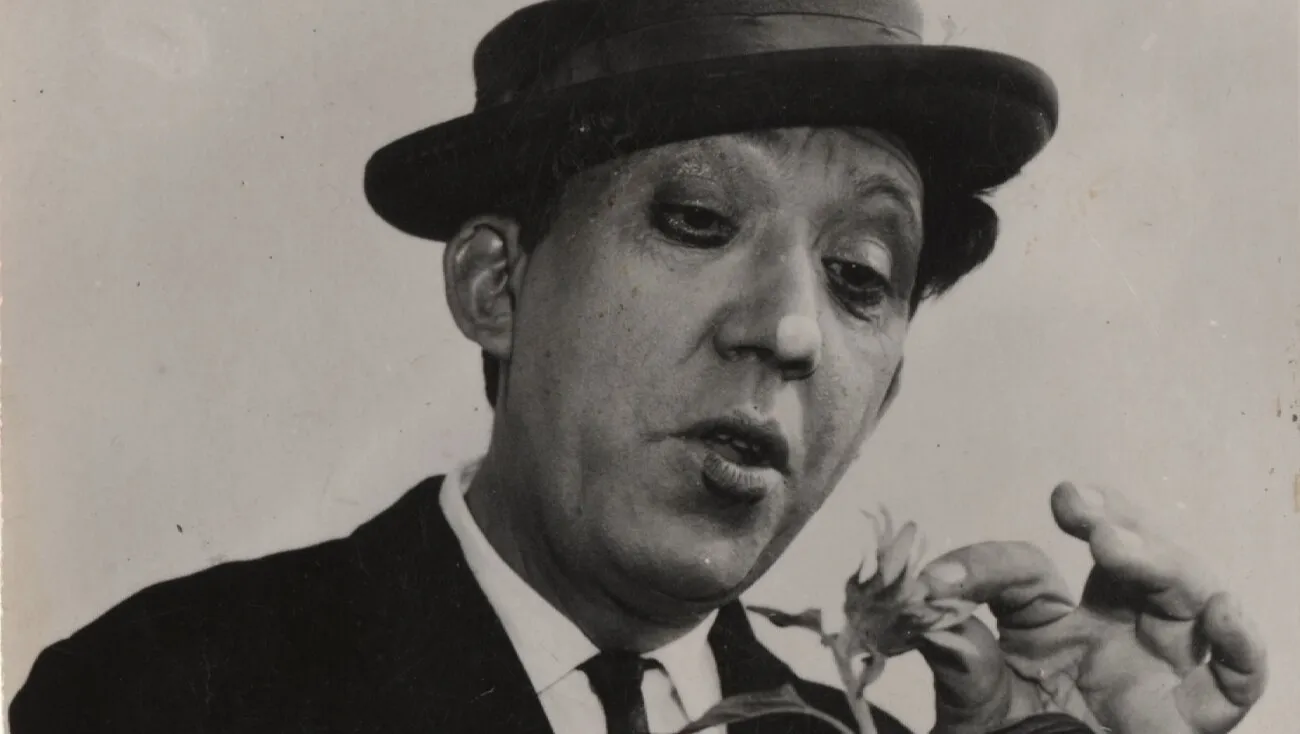 Photo: live.mts.ru
New Building: The Circus of the 21st Century
In 1989, construction of a new circus building began. The architects V. Krasilnikov, Z.V. Brezhneva, and A.V. Kuzmin designed the project.
What's special about the new building:
- 13 floors (and no unlucky performances!);
- A unique air conditioning system;
- A rehearsal arena with a 20-meter-high dome;
- A hotel for artists with 150 beds.
Construction was completed in 1989, but due to economic problems, the circus opened only in 1996.
Legends and Myths of Tsvetnoy
No circus is complete without legends. Here are some stories passed down from generation to generation:
- It is said that the descendants of circus animals still live in the basement of the circus, escaping from wartime bombings.
- There is a belief that if an artist touches the nose of Yuri Nikulin’s statue at the entrance before a performance, the show will go smoothly.
- Some claim they have seen the ghost of Albert Salamon, who still watches over his creation.
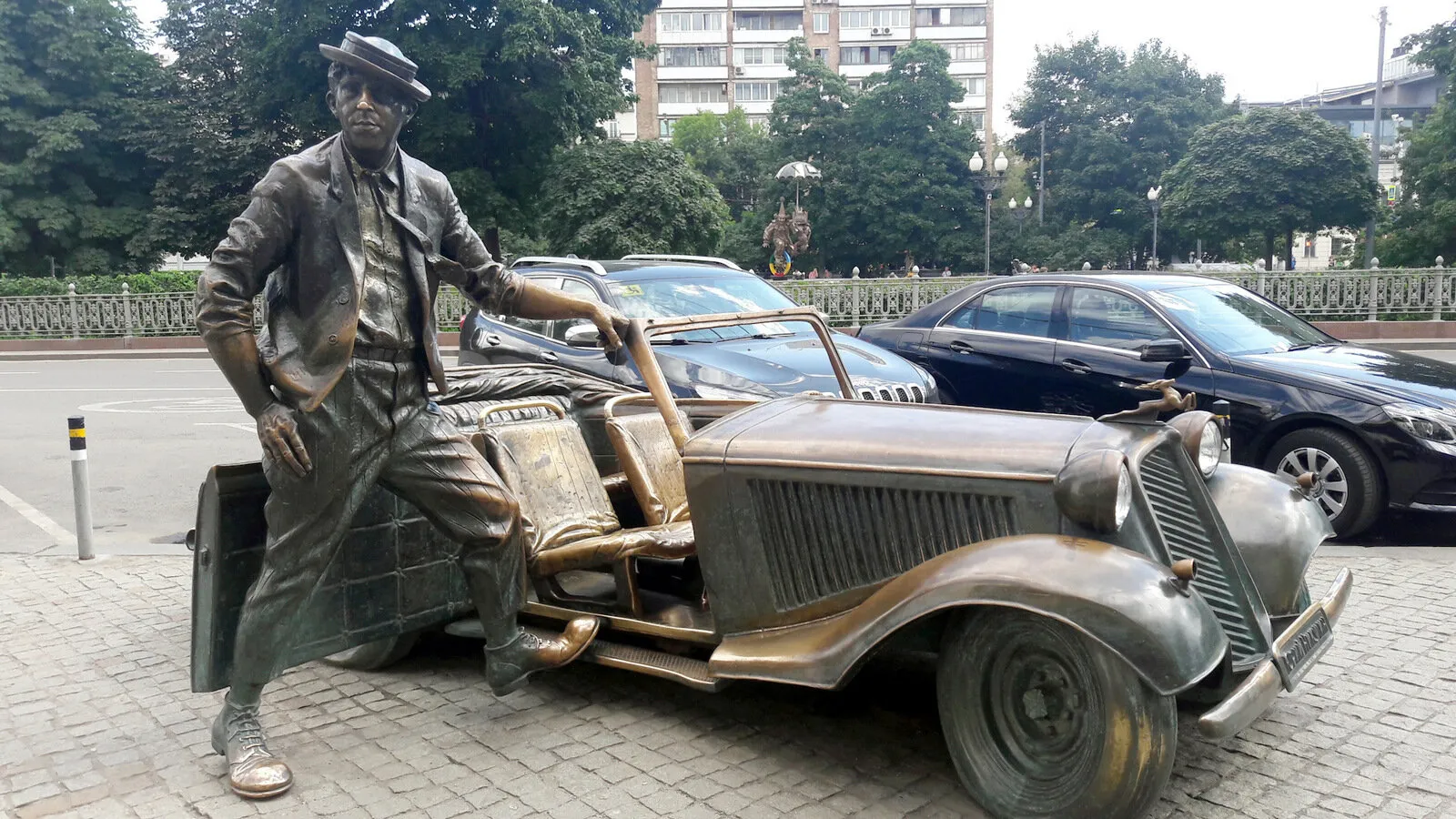 Photo: drive2.ru
The Circus Today: Traditions and Innovations
Today, the Moscow Circus on Tsvetnoy Boulevard is not just a performance arena. It is an entire complex including:
- A Museum of Circus Art;
- A school-studio for young artists;
- A veterinary clinic for circus animals.
In 2020, the circus celebrated its 140th anniversary. Over this time, it survived revolution, war, perestroika, and even a pandemic. But what remains unchanged is that it still brings joy and magic to people.
So if you hear laughter and applause coming from Tsvetnoy Boulevard, know that it’s not just a circus. It’s the living history of Moscow, where every performance continues a tradition that began more than a century ago with Albert Salamon.
Who knows — maybe someday, your own legend will be told within these extraordinary walls. After all, in the circus, anything is possible!
Cover: muzeichik.ru