Installing Air Conditioner Yourself
Preparation includes the mandatory site visit by a specialist and assessment of the installation location. Apart from purely technical details, the contractor should check whether the customer has permission to install an air conditioner if such a permit is required in the place where the installation will take place. Photo 1 — The customer must have permission to install an air conditioner if required by construction codes
Installation standards sometimes also require coordination of the air conditioner installation with local authorities or simply with neighbors.
Preparation includes the mandatory site visit by a specialist and assessment of the installation location. Apart from purely technical details, the contractor should check whether the customer has permission to install an air conditioner if such a permit is required in the place where the installation will take place.
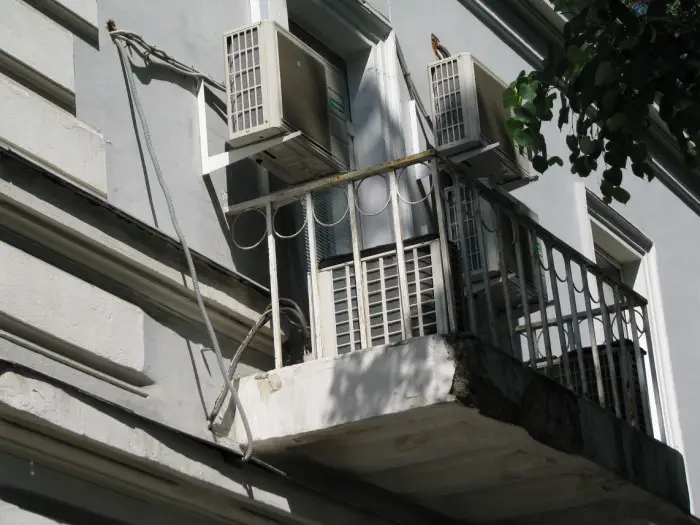
Photo 1 — The customer must have permission to install an air conditioner if required by construction codes
Installation standards sometimes also require coordination of the air conditioner installation with local authorities or simply with neighbors. A separate process for installation, as well as coordination of the possibility of installation, exists when a tenant wants to install an air conditioner — in this case, the installation conditions are coordinated with the owner or landlord of the premises.
It should also be remembered that air conditioner installation must be carried out before the completion of renovation work, if this coincides with apartment repairs, which usually happens in summer.
Installing Air Conditioner Yourself
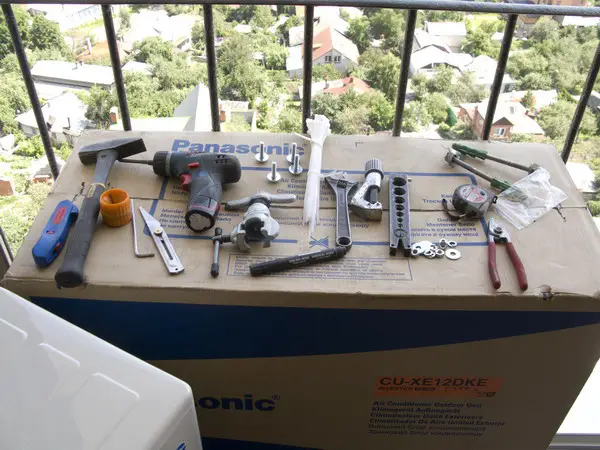
Photo 2 — Tools for Installing Air Conditioners
Before making a decision to install an air conditioner yourself in order to save money, it would be reasonable to find out what tools for installing air conditioners might be needed.
It is very possible that all construction accessories are available and sufficient for performing installation work, but this is not enough for a full check of the equipment's functionality and adjustment. Moreover, installation equipment for air conditioners must include a special pump to perform vacuuming of the air conditioner (an essential requirement for installation).
In addition to this, a standard kit for installing an air conditioner does not account for all possible specifics. For example, when extending the refrigerant line by say 5 meters, the working volume of refrigerant must be increased by at least one-third to maintain normal operating pressure in the refrigerant system. Without special equipment, such an operation is impossible.
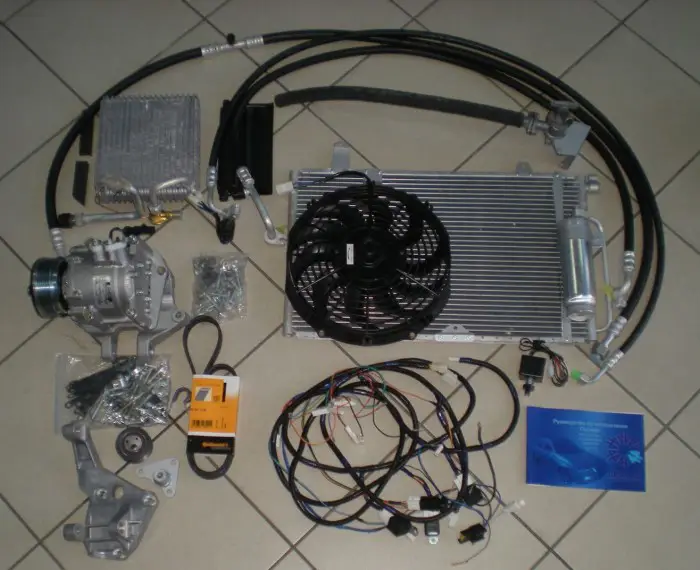
Photo 3 — Standard Kit for Installing Air Conditioners
Materials for installation, as probably already understood, also depend on the specific conditions of the actual installation.
Moreover, in the vast majority of cases, the standard kit for installation does not meet all possible needs (even without considering all possible mismatches during the installation process). It doesn't matter whether a MITSUBISHI, DAEWOO, LG, ELECTROLUX or PANASONIC unit is being installed — the installation requirements are roughly the same for all.
Naturally, the sale of consumable materials and parts for air conditioners takes place in many places, but to do this one needs to know what to buy and in what quantities; purchasing special equipment may increase the cost of the air conditioner installation project by several times.
If we add to this the fact that the process itself is quite labor-intensive and requires certain skills, then a seemingly simple task becomes quite complex.
For those who find words unconvincing, a half-hour video (secrets of an installer) is offered for viewing, where a person with experience in this field visually demonstrates what kind of problems they encounter and what tools or equipment might be needed for such work. Of course, everyone decides for themselves based on their budget.
Cost of Professional Installation
If the video provided above was convincing enough, then it would be advisable to compile a list of potential contractors working in the local services market. To have some initial cost estimates for such work, one can refer to prices in Moscow and Kyiv (rubles/grivnas)
- installation of a residential air conditioner without accounting for other additional works (refrigerant line length up to 3 m) — from 6000/800
- drilling / grooving / wall drilling (1 m over the norm) — from 700/80
Technology of Air Conditioner Installation by Professionals
When a representative of the contracting company arrives at the site and assesses the installation conditions for a specific unit, the entire technology of air conditioner installation can be summarized in several very standard steps.
Determine the location for installing the air conditioner: this, on one hand, depends on the model of the air conditioner itself (mobile, window, floor-standing, split system, etc.), the area cooled by this air conditioner, and the location of people relative to the air conditioner and airflow from it.
It is advisable to avoid placing an air conditioner so that the airflow goes directly onto people, for example, onto a sofa or chair. The purpose of this step for residential split systems is to select a separate location for the internal and external units, taking into account the optimal route for the refrigerant line and condensate drain pipe.

Photo 4 — Installation and maintenance of air conditioner units at height is usually performed by industrial mountaineers
The next step is the installation of the external unit, which may require the involvement of industrial mountaineers according to installation standards — installation and maintenance of air conditioner units at height is usually performed by industrial mountaineers.
General installation requirements for external units (even when the air conditioner is installed by oneself in strict compliance with all standards and regulations) require their placement in well-ventilated areas and, if possible, not under direct sunlight.
If the external unit is well ventilated naturally, it only increases its service life.
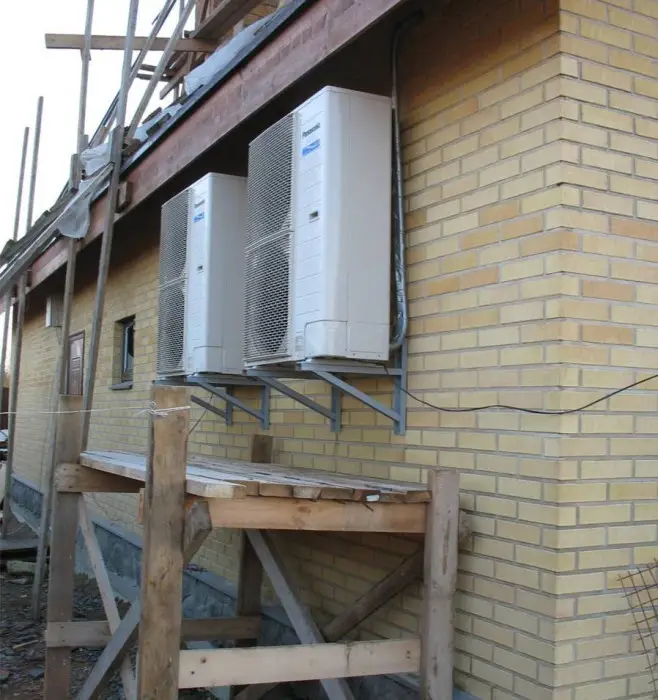
Photo 5 — The external unit of an air conditioner should be well ventilated, which increases its service life
Installation of the internal unit (more precisely, the split system) follows rules that are common for all manufacturers.
Indeed, the installation manual for any air conditioner model contains comprehensive information on how it should be done and in what sequence. Moreover, when an air conditioner with installation is purchased, the components, consumable materials, and the work on installing the internal part are included in the standard installation cost and are not listed separately when calculating the installation.
The order of installation (what to install first, internal or external unit) does not matter much if one does not consider that the vacuuming process has some duration (it is related to the external unit) and the installation instructions require it to be done. Installing the internal unit affects the layout of the air conditioner installation and the length of the refrigerant line.
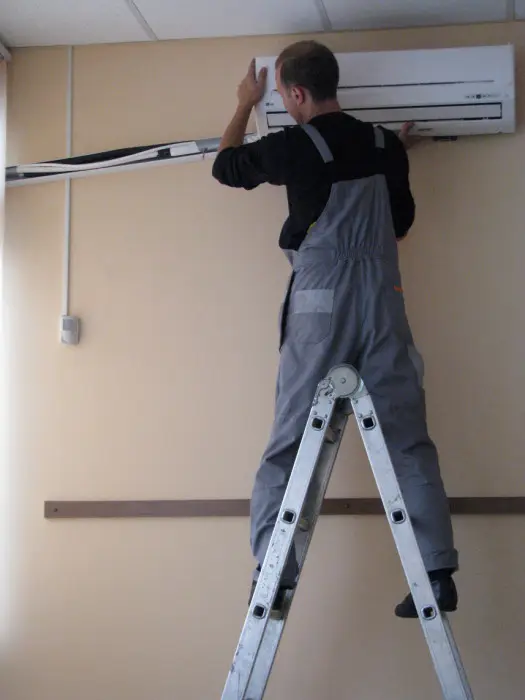
Photo 6 — Installing the Internal Unit of an Air Conditioner
Drilling holes for the refrigerant line is done differently, and installation guidelines require that the refrigerant line, like the condensate drain, should be laid at a slight angle (the slope should point outward).
The exception is the installation of ducted air conditioners, where all components are designed differently and refrigerant line installation becomes one of the less time-consuming procedures in the entire process.
The requirement for slope is often violated, as external units are sometimes mounted above internal ones — this is far from what constitutes professional air conditioner installation.
The installation plan must clearly define the routing of the refrigerant line, which should take into account the presence or absence of other communications nearby, the number of through-holes, and the insulation of the line itself.
The requirement for slope is purely technical since in the refrigerant line, apart from refrigerant, low-temperature oil also circulates, and its presence is critical for the proper operation of the compressor. Therefore, even when installing an air conditioner yourself, one should consider this feature and not create additional problems by ignoring it.
Naturally, when installing a cassette air conditioner, the requirements for refrigerant circulation change, as stated in the manual for that model. Moreover, supply and installation of such almost industrial air conditioners differ from most residential ones.
In the case of installation and sale of residential air conditioners, the amount of refrigerant is calculated based on a 5-meter line; if its length is increased, then additional refrigerant will need to be added to the system.
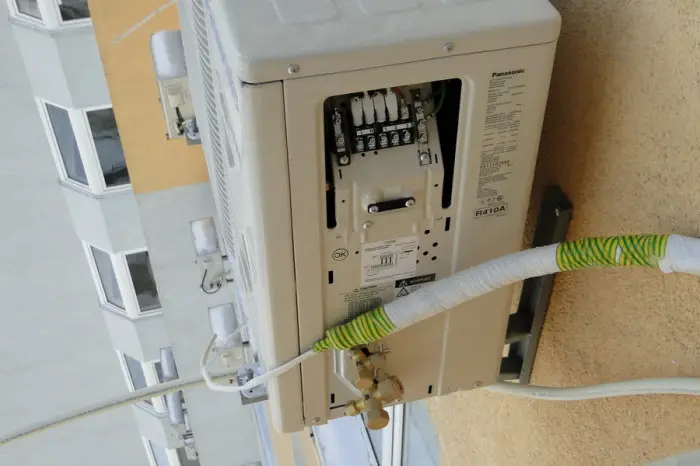
Photo 7 — Connecting Wires to the External Unit of an Air Conditioner
Connecting wires is not particularly difficult and in the vast majority of cases, common sense is sufficient for proper wiring.
The only requirement that must be checked in any case is the power distribution check. The reason is that in some buildings, especially older ones, the wiring was not designed to handle simultaneous operation of a large number of household electrical appliances and may not withstand the load during air conditioner operation.
Therefore, one should check the electrical wiring capabilities if not at the time of planned sale and installation, then at least during the wiring process for the air conditioner.
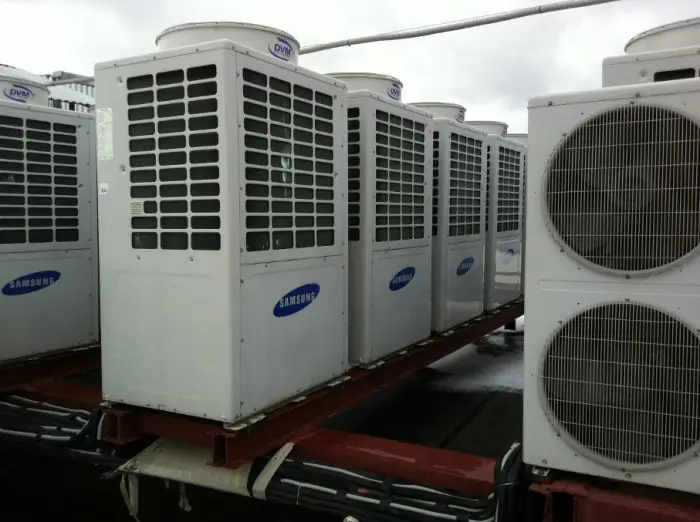
Photo 8 — External Units of Air Conditioners Installed on the Roof
The first start of a newly installed device is important, as even a standard air conditioner requires careful inspection in the first few minutes of operation: at this stage, it is necessary to verify the correctness of the installation and mounting of all parts of the air conditioner.
Moreover, it is easier to fix any unfinished work and minimize potential damage that current installation and future dismantling might cause to the owners.
Upon successful startup and brief operation of the air conditioner, the contractor is required to conduct a briefing for the customer and inform them of the main requirements for air conditioner operation.