Flocked Wallpapers Marburg, Rasch, R+S and Others in Interior Design
North or south-facing side of the house? If room windows face south, opt for cool tones (blue, green, or navy); if north-facing, compensate for lack of sunlight with warm-toned wallpapers (lemon, beige, rich orange, red).
Example: Clearly visible how perception of a room changes when decorated with warm or cool wallpapers from Swedish brand ECO.
Choosing Wallpapers
North or south-facing side of the house?
- If room windows face south, choose cool tones (blue, green, or navy);
- If north-facing, compensate for lack of sunlight with warm-toned wallpapers (lemon, beige, rich orange, red).
Example: Clearly visible how perception of a room changes when decorated with warm or cool wallpapers from Swedish brand ECO.

Photo 1 — Flocked wallpapers for south-facing homes, ECO (Sweden), collection Exclusivе

Photo 2 — Flocked wallpapers for north-facing homes, ECO (Sweden), collection Exclusivе
Small or large room?
- A small room will appear more spacious if decorated with small-patterned wallpapers or light solid-colored ones; use cool tones (e.g., silver-gray or light blue); geometric patterns like diamonds visually expand space; apply large-patterned wallpapers on the wall opposite the window; one wall can be covered with colors that visually recede (e.g., calm blue or blue-green), while side walls use tones one or half a shade lighter;
IMPORTANT! Avoid bright wallpapers with contrasting patterns in small rooms.
- A large room can be visually narrowed using saturated warm or dark-toned wallpapers; large patterns or diagonal lines; a vertical stripe around the room perimeter effectively reduces space.
Example: Below, silver-gray tones are used to visually expand a room — Grandeco (Belgium), collection Coral; rich warm tones with large motifs used to reduce space — Sintra (Ukraine), collection Flamenco.
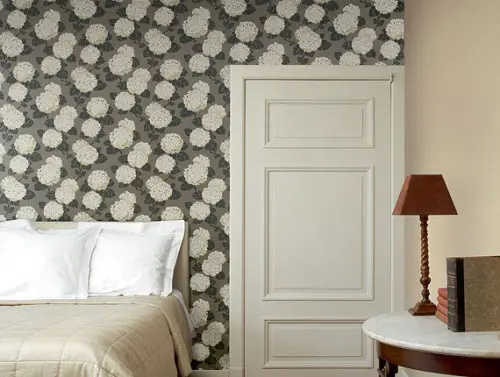
Photo 3 — Flocked wallpapers Grandeco (collection Coral) in a small room
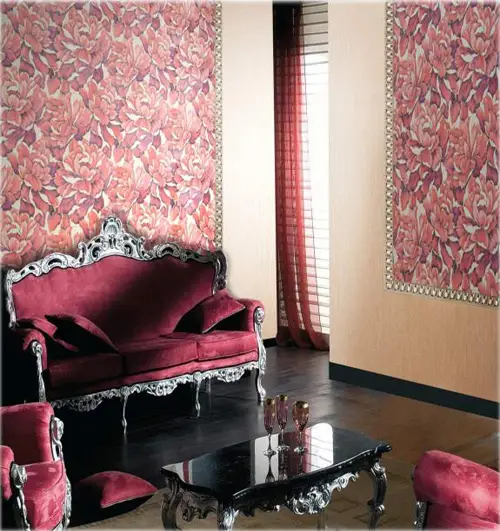
Photo 4 — Vinyl wallpapers on a non-woven base Sintra (Ukraine), collection Flamenco, for large rooms
Solutions for narrow and high rooms.
In such cases, walls should be covered with horizontal striped wallpapers or divided vertically into segments (ideally three). Use saturated colors on lower sections, and light-colored wallpapers near the ceiling. Longer walls can be covered with lighter wallpapers, shorter ones with darker ones.
Example: Below, a combination of solid light-colored wallpapers with large repeating patterns from the Pure collection, Marburg (Germany). Similar styles from Pure are also used by other German manufacturers, though more restrained in color and pattern.
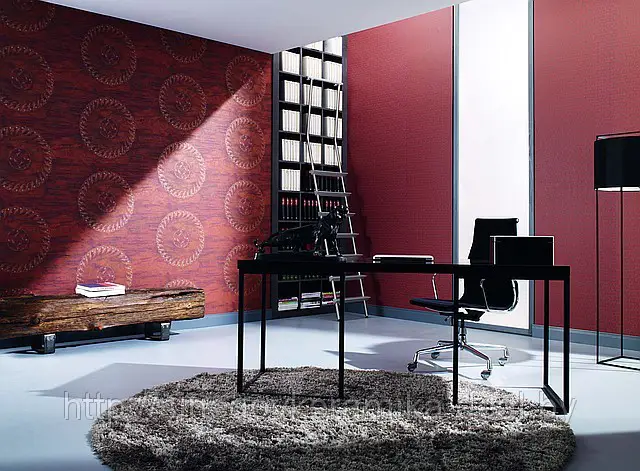
Photo 5 — Flocked wallpapers Marburg, collection Pure, for narrow rooms
When ceiling height is low.
Combat low ceilings by using vertically patterned wallpapers or solid non-patterned ones. Also consider painting the ceiling a lighter shade than the walls.
Example: To visually stretch a room and raise the ceiling, use not only striped wallpapers, but also alternate different wallpaper panels to create a striped effect. In addition to two-panel wall application with Erismann (Germany) wallpapers, the ceiling is painted in a light tone.
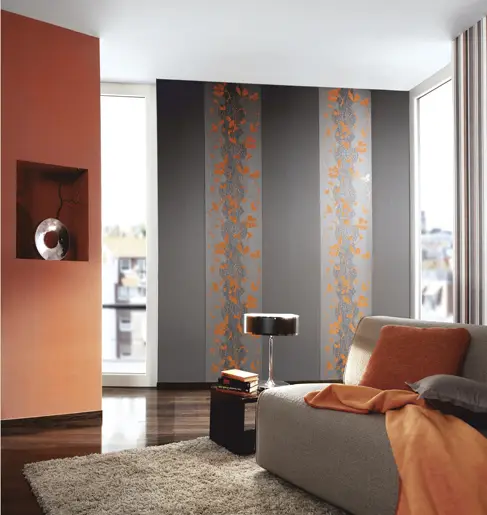
Photo 6 — Flocked wallpapers Erismann, collection Seno
When you want to visually lower the ceiling.
Apply wallpapers not to the full height, but end them with a border just below the ceiling. You may also use patterned wallpapers, but ensure the pattern does not reach the ceiling. Alternatively, combine two types of wallpapers separated by a border on the wall.
The simplest solution: apply horizontal stripes on the walls.
Example: Another option — create a light border near the ceiling without covering the full wall height.
This border can be transformed into a square or rectangular frame, which definitely enhances the visual effect. White-framed walls pair well with soft coffee-colored Loymina (Russia) wallpapers. Notably, Loymina is the only Russian manufacturer producing full-cycle non-woven wallpapers.
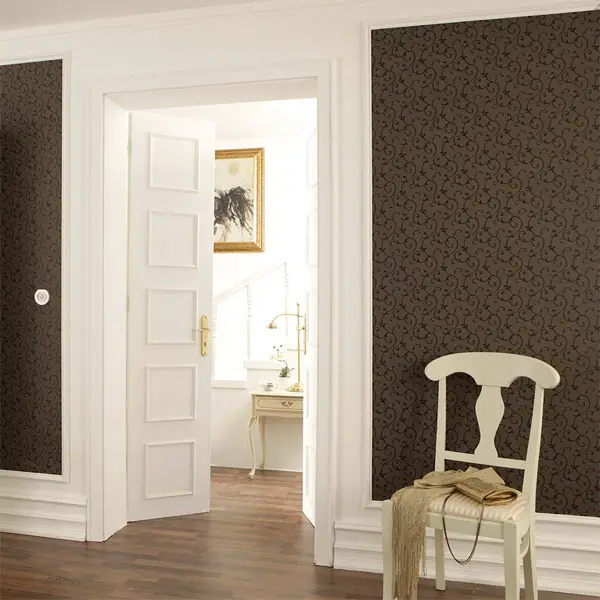
Photo 7 — Loymina wallpapers, collection Boucle, for rooms with high ceilings
Other possibilities.
Non-woven wallpapers are excellent because their structure helps visually level wall imperfections. Beyond structure, pattern plays a major role:
- Spotted or splattered-pattern wallpapers (resembling unintentional paint splatters) help hide minor surface flaws, as the irregular pattern draws attention away from details;
- Busy small-patterned wallpapers can conceal not only minor protrusions but also beams (common in older homes).
Example: Non-woven wallpapers from Versailles, collection Status.
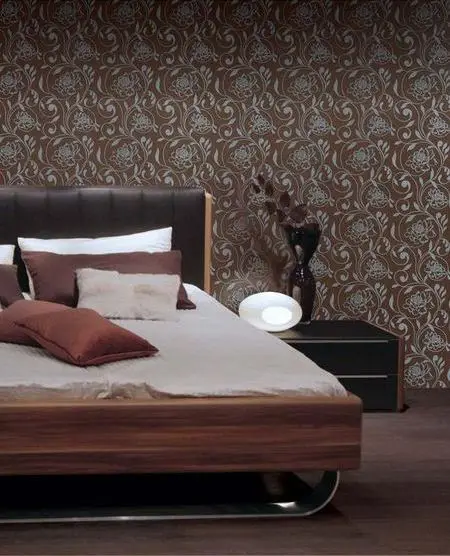
Photo 8 — Non-woven wallpapers Versailles, collection Status
Wallpapers for children’s rooms.
As known, nothing enhances a home more than a child armed with a pack of bright markers. While you can protect kitchen, living room, or entryway from such 'attacks' to some extent, a child’s room is nearly impossible to shield.
Therefore, it's wiser to act in advance and apply textured vinyl wallpapers on a non-woven base, suitable for painting. These allow children to freely express creativity, and parents to easily repaint walls after messes. P+S International non-woven wallpapers can be repainted up to 8 times with acrylic paint. Another German manufacturer, Rasch (Rash), produces non-woven wallpapers that withstand up to 5 layers of paint — and they are slightly less expensive.
Children’s room wallpapers should be practical and easy to clean. Therefore, recommend choosing washable painted wallpapers or patterned ones suitable for the child’s age: animals and vehicles for children under 7, neutral colors (green, blue, pink, soft yellow) up to age 14, and for teenagers, consider more saturated colors matching their personality and interests (colorful, black-and-white, geographic, or photo wallpapers as accent features).
Example: Simple children’s wallpapers from TM Lanita (Ukraine) for rooms up to age 7.
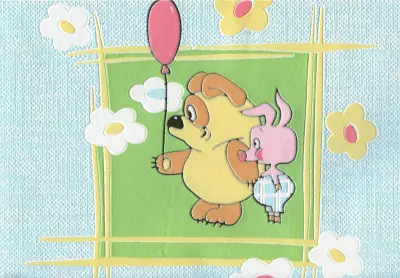
Photo 9 — Non-woven wallpapers Lanita (Ukraine), catalog For Children
Non-woven Wallpapers for Kitchens
Time to stop using food or kitchenware images on kitchen walls. Kitchen wallpapers should match furniture, not actions. Also, moisture resistance of non-woven base wallpapers is essential. Many manufacturers offer dedicated kitchen wallpaper lines.
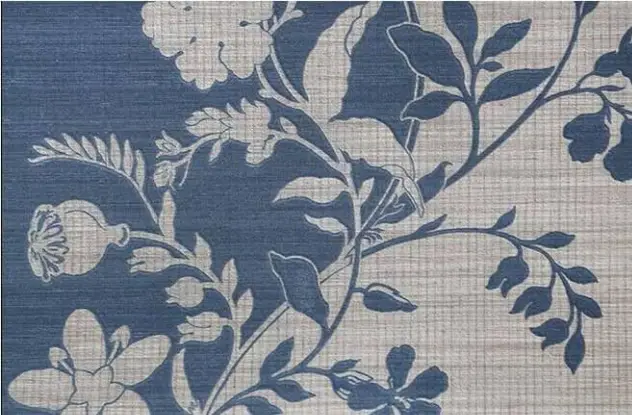
Photo 10 — Kitchen vinyl. Vinyl wallpapers P+S on a non-woven base
Non-woven wallpapers are widely used in residential interiors due to their versatility. Recommend neutral tones and shades if bold colors aren’t the main design focus: green walls don’t strain the mind, while purple or black may trigger depressive feelings according to psychologists. Avoid using only dark colors, but combining them with bright accents works well in any space.
If bedroom and living room are separate, you can freely choose any color for the living room — even bright red or gold. But for the bedroom, follow expert advice: even if you’re naturally energetic, vivid colors may eventually affect your mood.
Remember: all 'active' colors are best used in minimal amounts, suitable only as accents, not as main wall backgrounds.
For bedrooms, choose wallpapers mimicking natural materials: bamboo, wood; for living rooms — stone or brick.
Non-woven Wallpapers: Color Palette
Most European manufacturers avoid bright colors in their designs. Italy and France prefer neutral tones like beige, gray, and pale blue, enhancing them with silver or gold accents, contrasting monograms, or bolder motifs. Such designs appear restrained and elegant, though some models from Zambaiti, Sirpi, or Origin may feel too mature for younger audiences.
Also, Italian wallpapers are expensive. Similar color and texture options can be found in catalogs from domestic manufacturers (ART, Belooboi, etc.).
Non-woven Wallpapers for Ceilings
To visually expand room space, use light-colored wallpapers on the ceiling — preferably white. These are available from almost every manufacturer.
Even better: choose textured, paintable white non-woven ceiling wallpapers. This way, your ceiling (and walls) can be repainted in just a few hours.
Several manufacturers specialize in innovative paintable wallpapers. These include Practic (white vinyl on non-woven base), Vliestapeten (textured non-woven from Erfurt), Wellton (fire-safe glass-fiber wallpapers), and the non-woven paintable line from Tek-a-Tek.
Non-woven Wallpapers: Manufacturer Catalog on Website
All manufacturers mentioned regularly update their official websites, expanding product catalogs and price lists.
When reviewing wallpapers on a manufacturer’s website, note that the actual product color may slightly differ from screen display due to photo capture distortions and individual monitor settings.
Also, websites often show only partial wallpaper samples. It’s hard to assess if a wallpaper suits your space, as not all manufacturers display pattern repeat (rapport) or exact element sizes (e.g., flower or monogram).
Good if the manufacturer provides a room template with sample icons: you select a new texture or color and overlay it on a blank wall image (see Fig. 1 and 2). Another option: websites feature photos of completed interiors using these wallpapers (see Fig. 3–8). This helps visualize how the pattern lies on the wall and makes it easier to imagine the wallpaper in your home.
If such features aren’t available, contact consultants or managers for clarification. Ideally, visit a building supply hypermarket to view or touch the selected sample.
Cost of Non-woven Wallpapers:
- Kyiv — from 61 UAH;
- Moscow — from 1,300 RUB.
Cost of Applying Non-woven Wallpapers:
- Kyiv — from 25 UAH/m²;
- Moscow — from 140 RUB/m².