Low Ceilings: Design That Solves the Problem
Decorating Low Ceilings
The main contraindication for low ceilings is avoiding finishing techniques that consume too much height. For example, installing suspended systems, which remove at least 12 cm, in a Khrushchyovka is unwise. However, there are methods that slightly lower the ceiling but create the illusion of it being farther from the floor, or techniques that achieve this with minimal loss of precious centimeters.
- Light and cool tones of finishing materials visually push the ceiling away. White, blue, green, and purple tones work well. The ceiling color can contrast with the walls or be the same, but a few shades lighter.
- Using mirrors is one of the main ways to blur the boundary between walls and ceiling. You can cover the ceiling with mirror tiles, install mirror inserts or mirror mosaic, or create a mirror border just below the ceiling.
- Glossy materials have an effect similar to mirrors. A light-colored glossy suspended ceiling, despite some height loss, will make the room feel taller.
- Creating the illusion of infinite ceiling space can be achieved through perspective. Artistic ceiling painting, including frescoes, PVC photo printing, or perspective-themed photo wallpapers, can significantly raise the perceived ceiling height.
- By finishing the ceiling and walls with the same material or extending wall finishes slightly onto the ceiling, you can visually shift the ceiling boundary.
- Volume makes the ceiling appear higher. One type of volumetric finishing is a coffered ceiling. It can be created using intersecting beams or moldings. Importantly, the framing should be light in color, while the area between them should be darker.
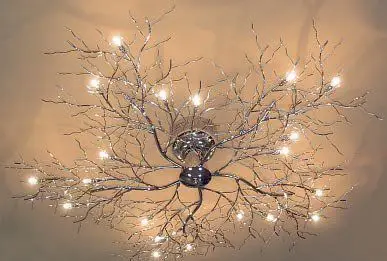
Photo 2 — A good option for a chandelier in a low ceiling. A flush-mounted ceiling light, with light directed sideways and upward
Lighting for Low Ceilings
- Ceiling chandeliers for low ceilings should not be bulky. Prefer a small, flush-fitting light that directs light upward, such as a flat, plate-like design. Alternatively, you can do without a central lighting fixture — this is even better for low ceilings.
- There should be plenty of lighting, preferably distributed. Instead of one bright light source, use multiple light accents placed not only on the ceiling.
- Good results are achieved with ceiling cove lighting and floor-level lighting.
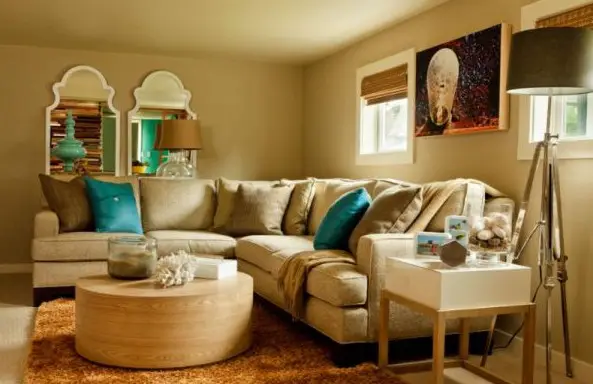
Photo 3 — A low ceiling painted the same color as the walls, with low furniture
Walls, Floor, Furniture, and Decor
Wall finishing, flooring, furniture arrangement, and decor usage are separate aspects, seemingly unrelated to ceiling finishing. However, everything appears as a whole, and all the above elements affect how the ceiling is perceived and the sense of its height. As mentioned, wall finishes can contrast with the ceiling. Vertical wall stripes or small patterns on wallpaper can help visually stretch the room upward.
Distract attention from the ceiling with an interesting floor finish or even a bright rug.
Low furniture and elongated interior elements support the illusion of higher ceilings. Long curtains to the floor, with rods attached directly to the ceiling, will also extend the visual height of walls.
These and many other recommendations will help make the ceiling appear higher and allow you to enjoy the spaciousness of your home.