7 Useful Tips for a Healthy Microclimate
If you often get sick or can't relax at home, check the microclimate in your apartment. We've put together a special checklist.
Measure the level of illumination
Why is this needed? Proper lighting affects our health and mood. Darkness in a room brings sadness, while glare and brightness irritate.
How to measure the level of illumination? Invite a specialist with a lux meter.
If the readings are much higher or lower than 500 lux, then the lighting is out of order.
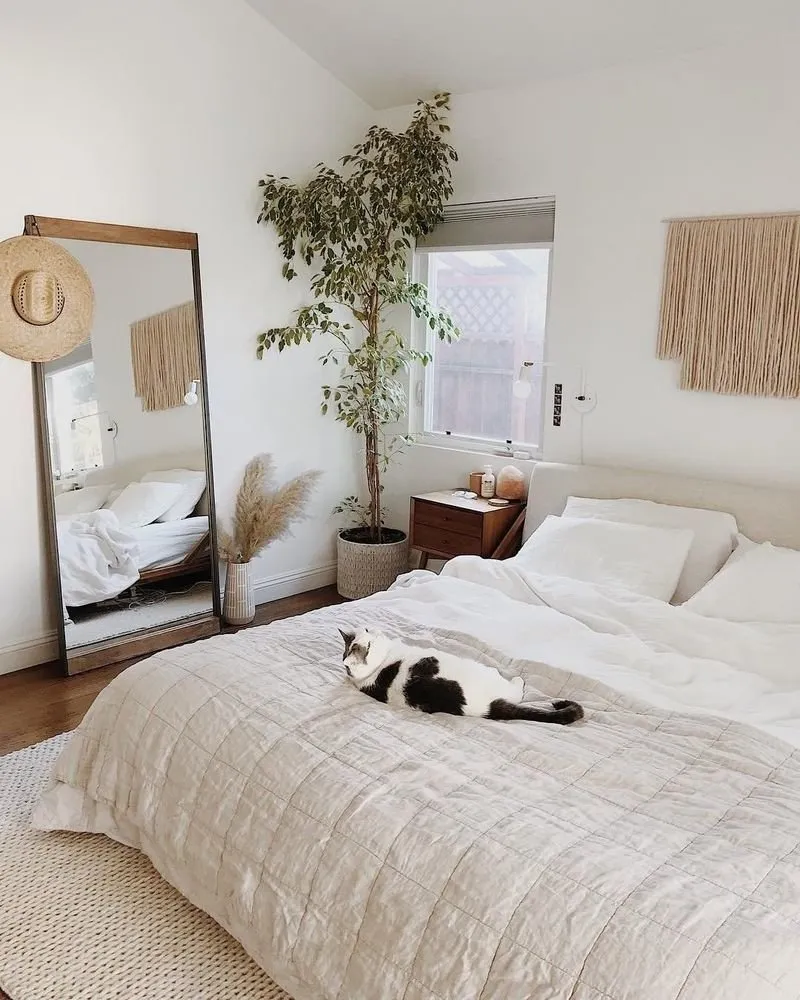
It's too dark or too bright at home. What to do? If there isn't enough light (for example, due to poorly placed windows), buy energy-saving bulbs, change the wallpaper and curtains to lighter colors, repaint the ceiling white, and add mirrors.
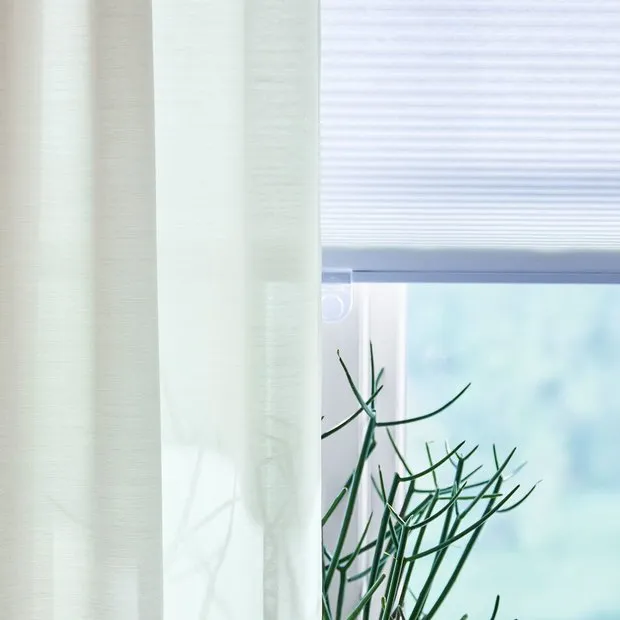
If there is too much light, apply sun protection film to the windows, buy blackout curtains, and experiment with the color and material of furniture to scatter excess light and avoid overheating surfaces.
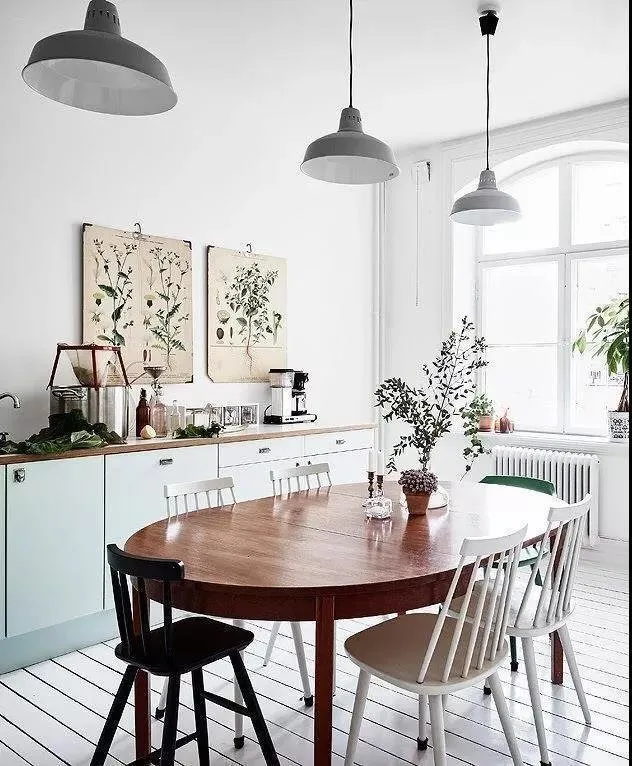
Check humidity
Why is this needed? Excess moisture makes the house constantly damp, wallpapers swell, and residents often get sick. Lack of humidity damages furniture, causes parquet to crack, and leads to skin problems, especially in children.
How to measure humidity levels? The optimal humidity for a living room, according to standards, is 40–60%, and for a child's room — 50%. Install a hygrometer for a day to see where the readings deviate.
It's too dry or too humid at home. What to do? Buy a humidifier or set up a large aquarium with fish. For humid rooms, an air dehumidifier will work.
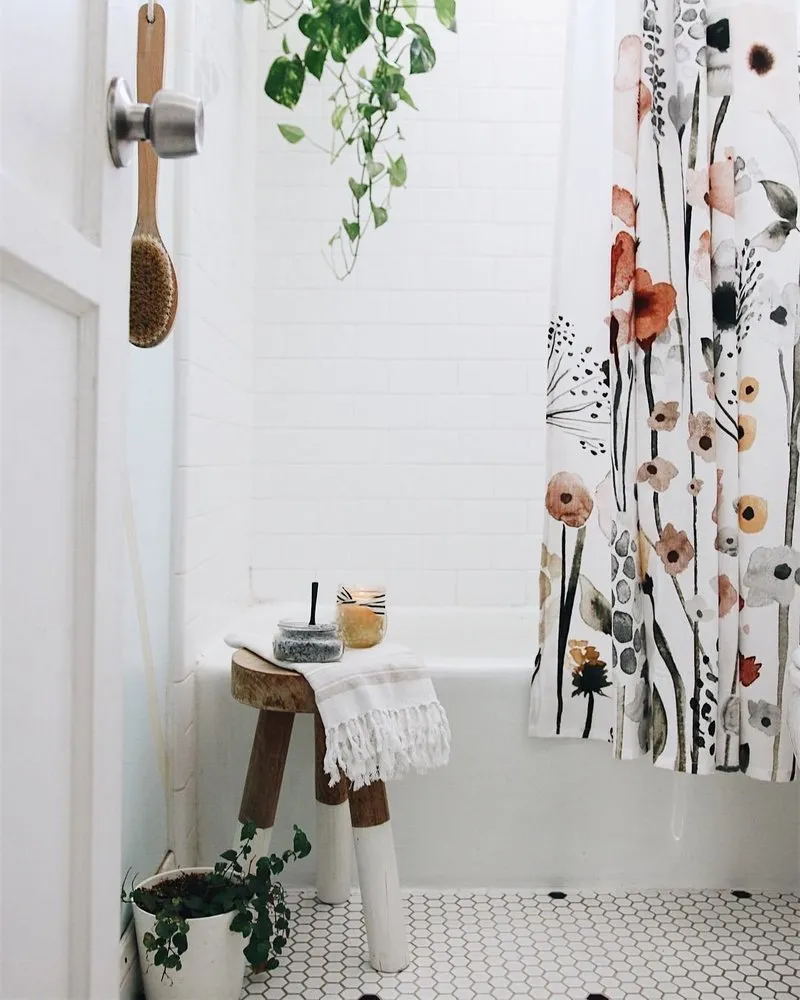
And temperature
What should the optimal air temperature be? Let's look at SanPin guidelines: in cold weather, it should be 20–24°C; in summer — no more than 25°C. But it's not always simple: many homes are built with technical violations — there are drafts and gaps, and construction materials are chosen without following GOST standards.
It's very cold in winter and too hot in summer. What to do? You can manage with simple methods: in winter, insulate walls, install a warm floor, and call a specialist to check the windows for tightness. In summer, an air conditioner, fan, and indoor plants will help. Another option is to install a thermostat and control the temperature in your apartment with one button. More tips can be found in our article on heat.
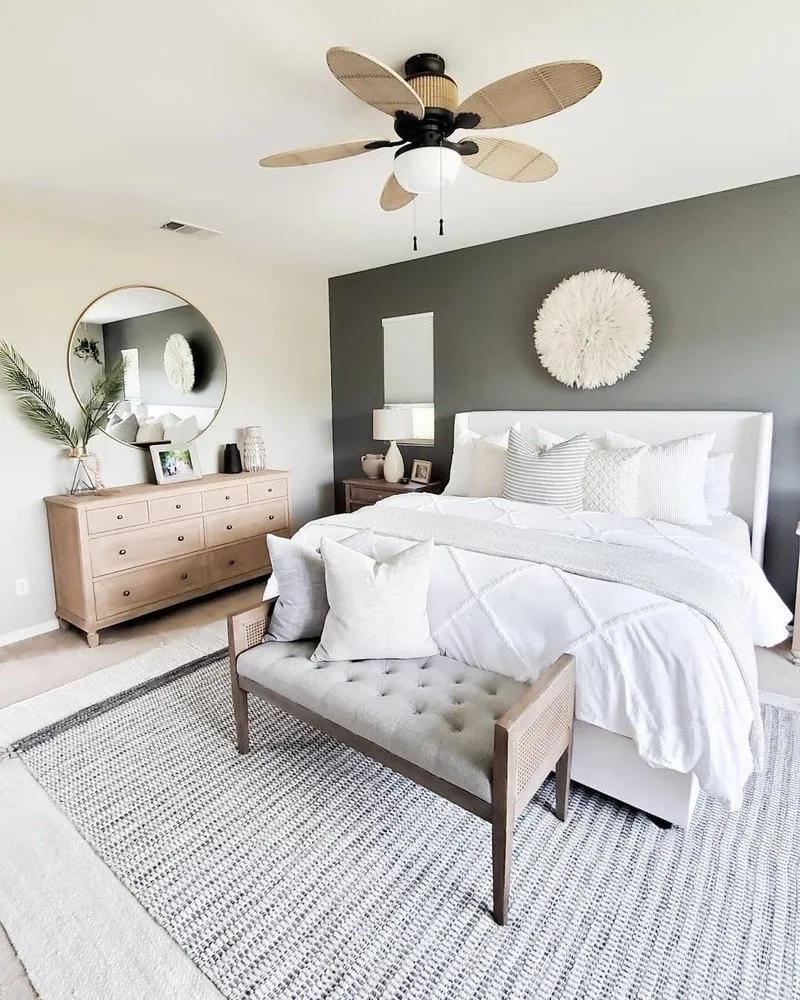
Check ventilation
Why is this needed? If there's noise and drafts in the apartment, everyone gets sick, and if the air isn't circulating, it's hard to breathe, headaches occur frequently, and chronic fatigue builds up.
What should the speed be? According to standards, the air movement in summer shouldn't exceed 0.25 m/s, and in winter — 0.15 m/s.
How to measure it? With an electronic anemometer — it will tell you what's wrong with the ventilation. A specialist can also suggest how to solve the issue.

See how much dust you have
Where does dust come from? It doesn't only come from outside. Dirt from shoes, mold, bacteria, and skin flakes are also sources of dust.
How to deal with it? You can install air purifiers with powerful carbon filters. But don't expect miraculous results. It's better not to forget about a regular deep cleaning once a month: wipe surfaces with damp cloth, shake out carpets, wash floors, launder soft toys, and vacuum more often.
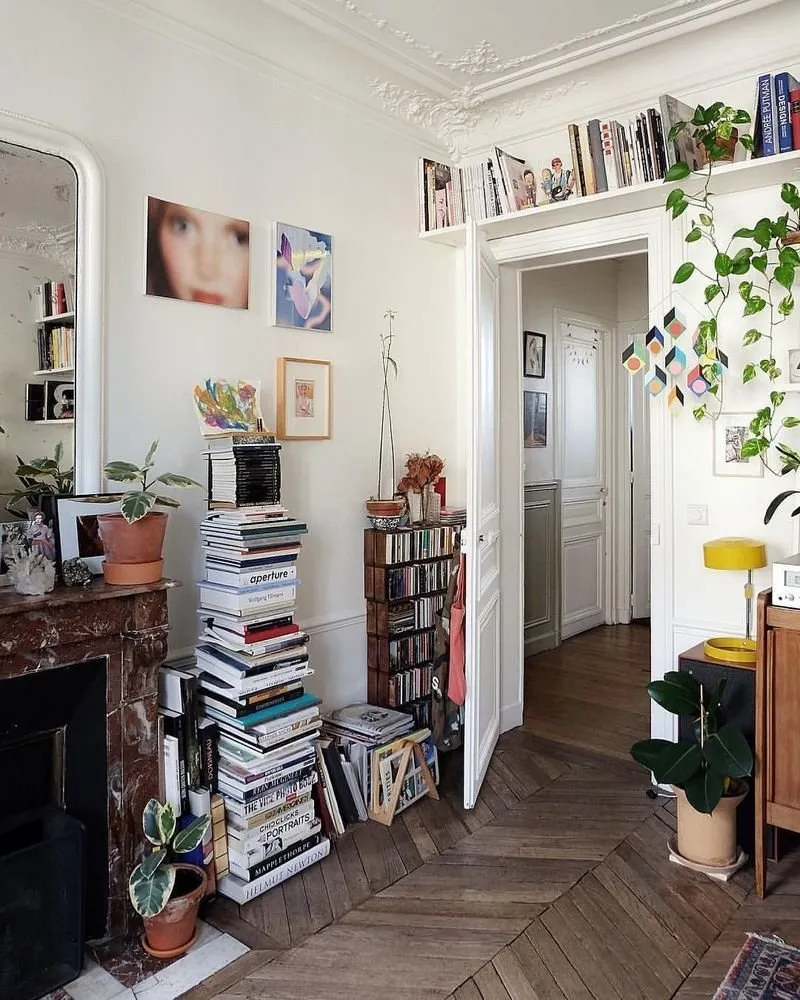
Measure oxygen levels
Why is this needed? Lack of oxygen reduces immunity, causes oxygen starvation in the body, and decreases work capacity.
What is the norm? The generally accepted standard is 21%.
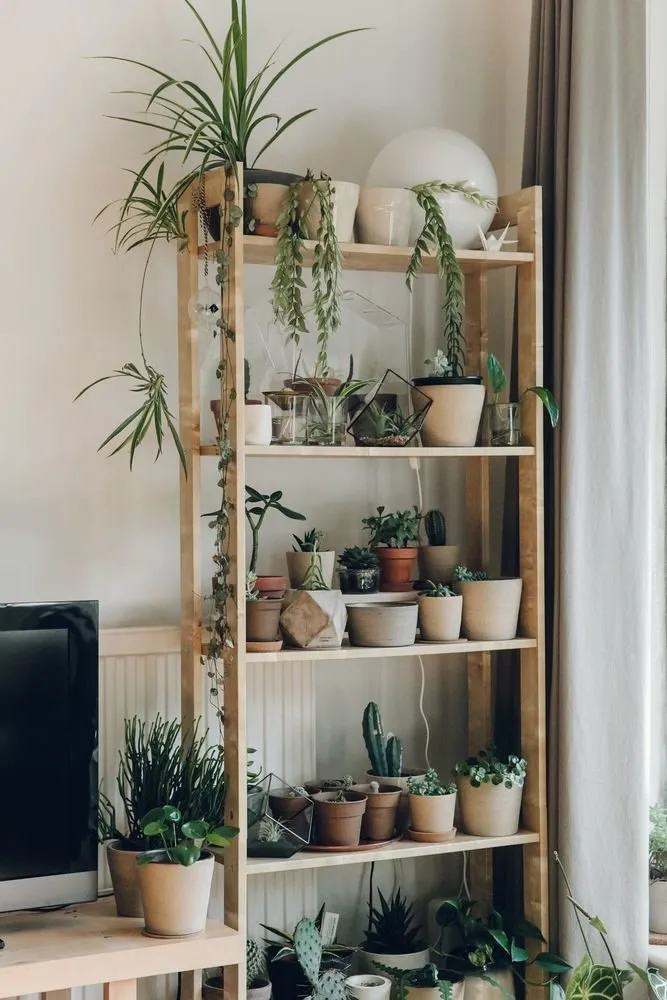
How to fight low oxygen levels? An air ionizer will help: it saturates oxygen with ions. Breathing becomes easier. But remember: the room must be ventilated at least occasionally. A mini-garden also helps: you can plant aloe and a few palms.
And noise
Why is this needed? Noise affects our mental and physical health: it causes stress, neuroses, and irritability.
What is the acceptable noise level in an apartment? According to standards, daytime noise should not exceed 70 dB, and evening noise — 60 dB.
How to deal with noisy neighbors? Sound insulation and sound-absorbing panels will help. If renovation is only planned, think ahead about buying acoustic foam: the home will become as quiet as a recording studio. If neighbors are constantly noisy, read our article to resolve the issue legally.