Secrets of Interior Photography: How Decoration Transforms Spaces
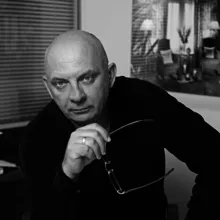
Dina Alexandrova, an interior photographer, works in a delicate style and believes it's important to maintain the naturalness of the product, while its advantages can be communicated through storytelling.
Creating movement in the frame and making a ready-made composition alive and interesting is a shared goal for photographers and stylists. If you are a designer or decorator who has decided to conduct a photoshoot for a finished space, this information is for you. Now I will show you universal frame-building schemes in interior photography.
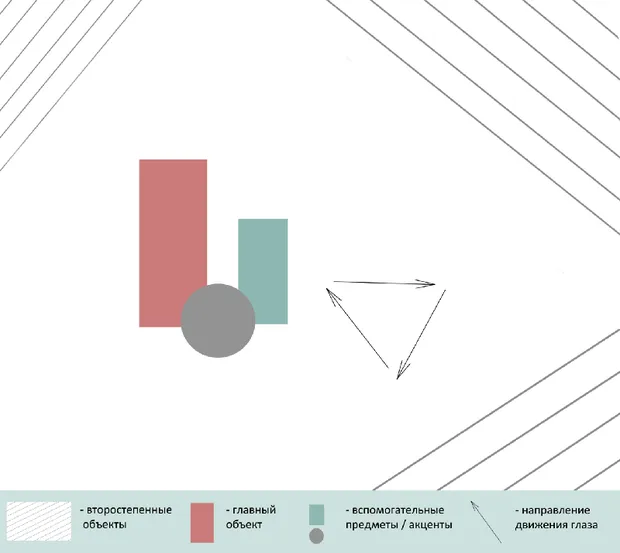
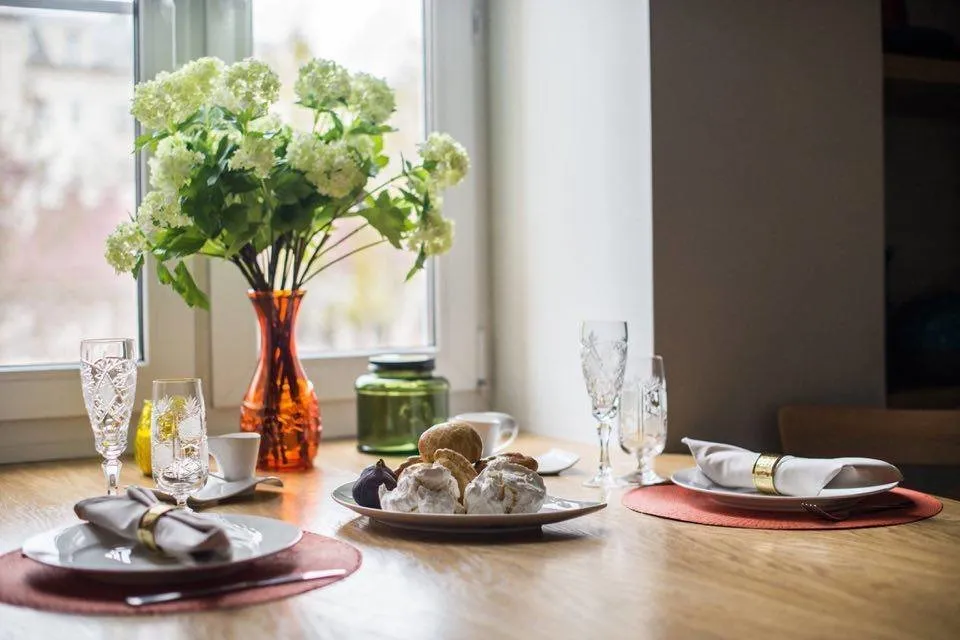
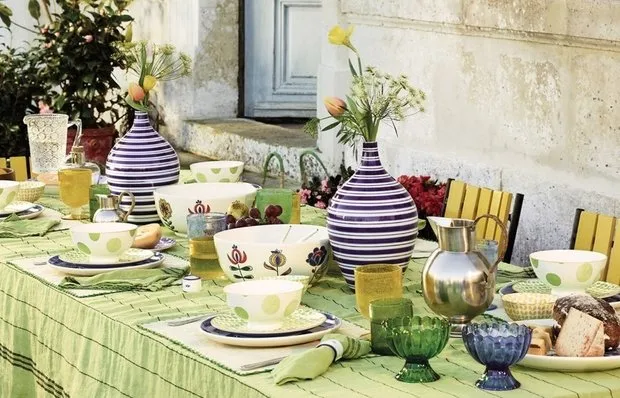
The first rule to remember if you have little experience and need decor in the frame is that the smallest items should always be placed in the foreground.
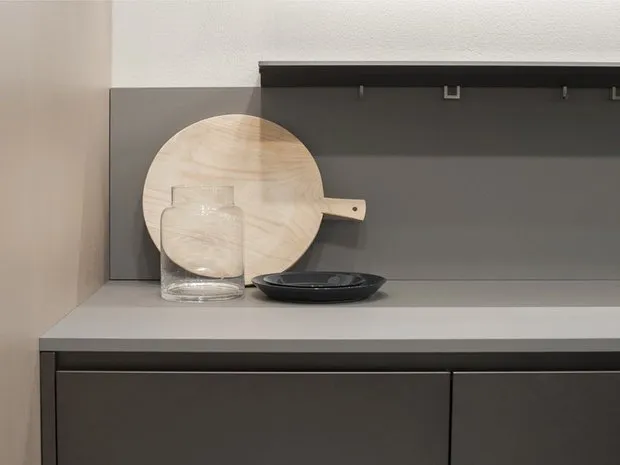
If the smallest item is in the foreground, 2–3 larger items should not be equal in height or width. Alternatively, include a fourth 'player' in the composition.
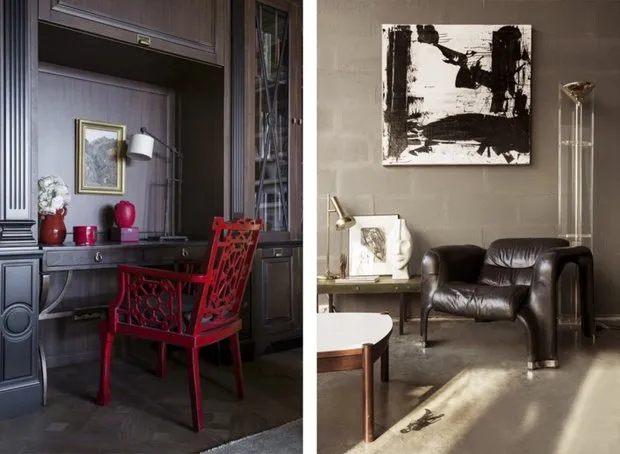
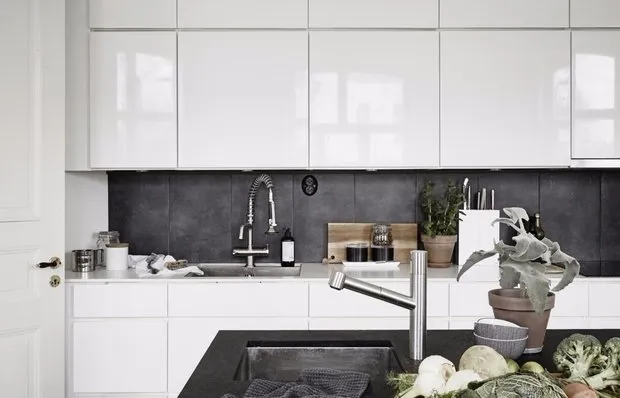
When grouping items, avoid sparse distribution at the sides of the frame. Secondary items such as curtains, corners of paintings, a fragment of a cabinet, or the edge of a plate should be included. This is important not only for depth but also to achieve a sense of motion. The eye will move in circles, almost touching items from the main one to secondary ones and back to the starting point.
 Diagonal Composition
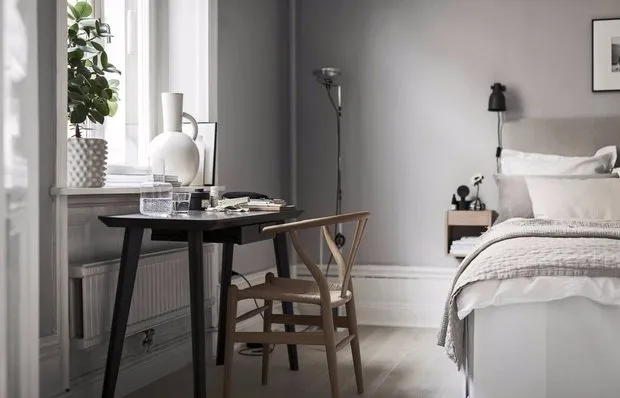
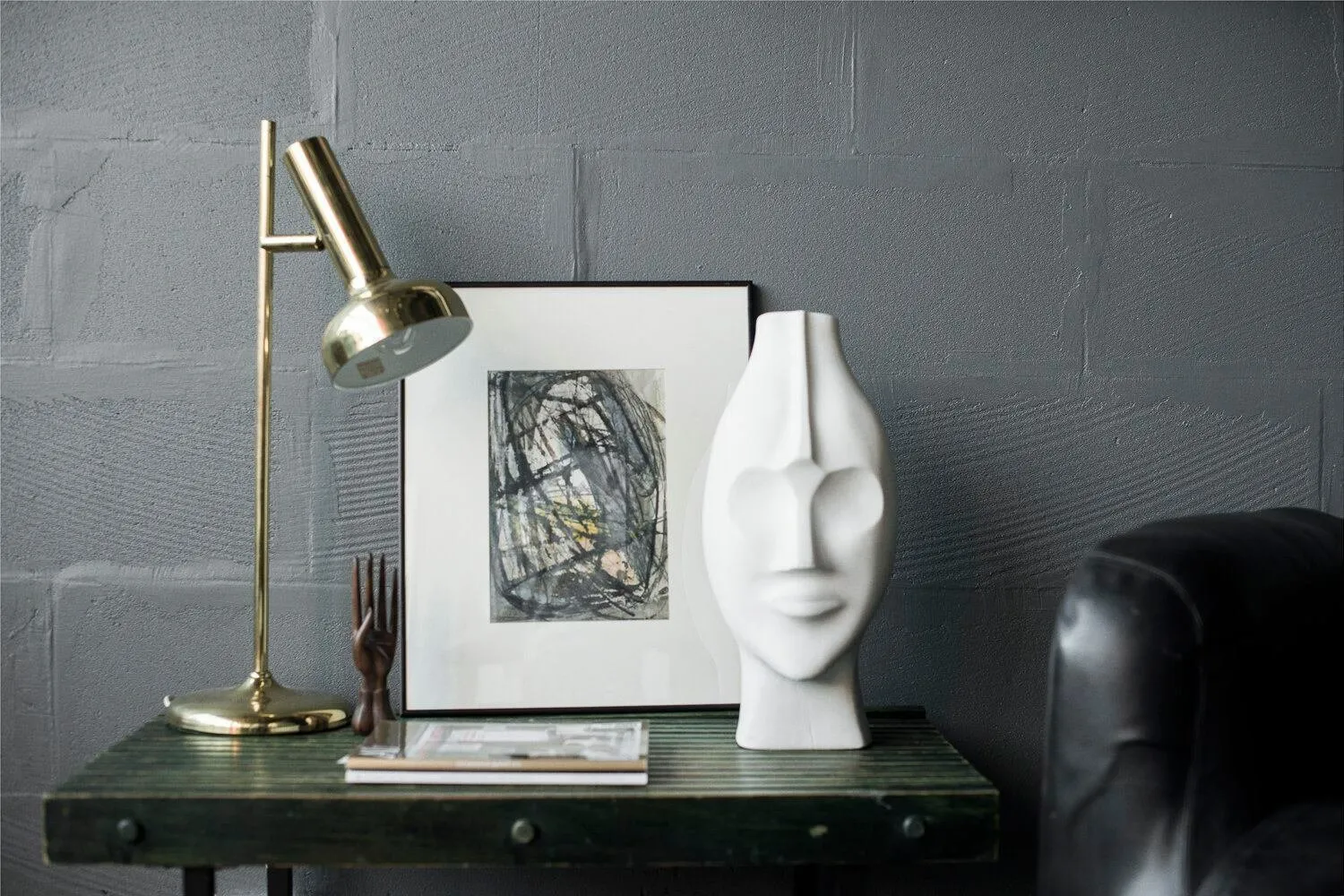
The diagonal method of composition is as old as the world itself. Items placed diagonally attract the eye more than items aligned next to each other. Logically, main elements should be placed on diagonals. Without a camera, it’s hard to guess placement, so it’s better to plan such frames using the camera.
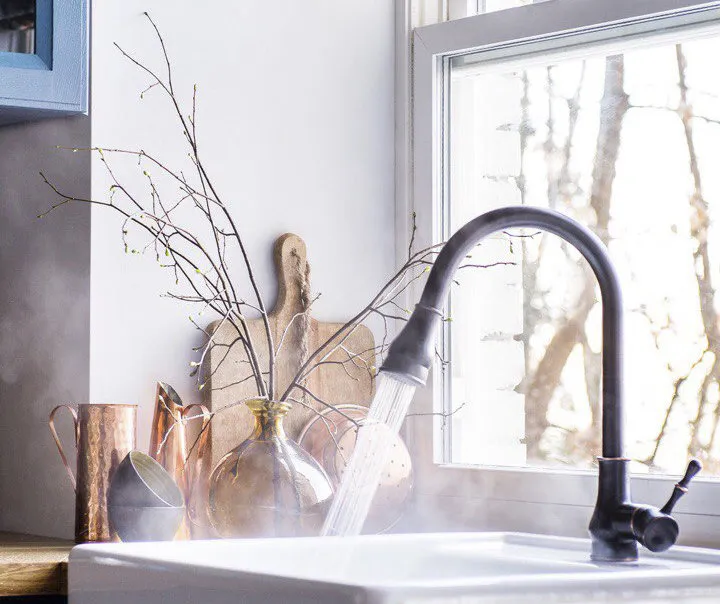
For a diagonal composition, the best proportions are 2:3 or 4:3. Square orientation works too, but it won’t have the same visual impact as rectangular formats. Place items diagonally.
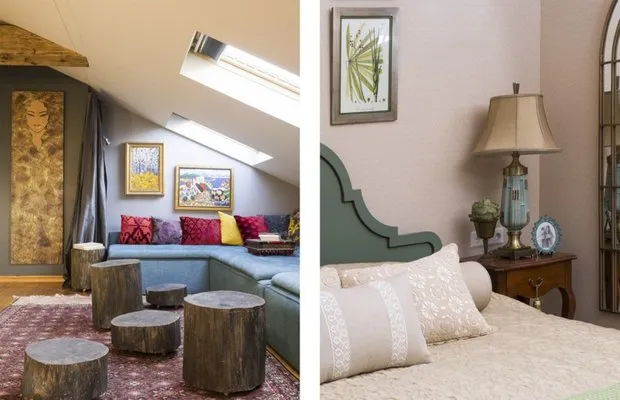
The principles of circular composition also apply here: distant items should be larger than foreground ones. For variety, you can break the rule and arrange items as: small – medium – small – large.
Since diagonal composition is the most complex, it’s crucial not to overdo it. Careful and precise arrangement of items in a line can lead to artificiality and reveal the presence of a decorator.Current trends in interior photography encourage disorder and casual disarray, so when using the diagonal method, consider frame edges. Items that extend beyond the frame, especially on unused diagonals, will draw attention to the main item. Moreover, the depth of space won't be lost.
Central Composition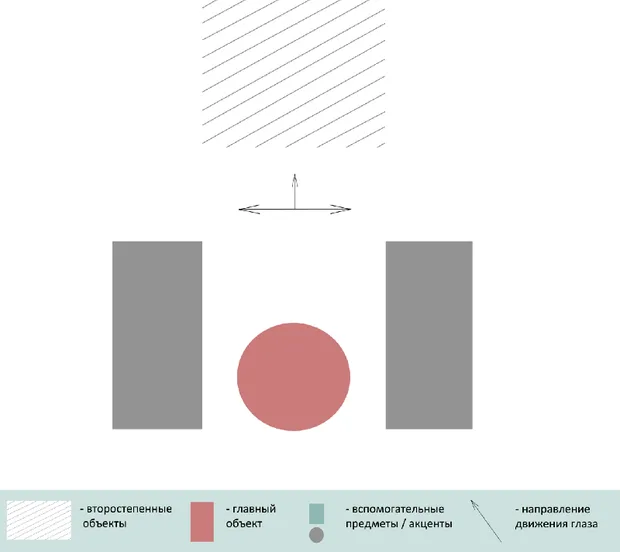
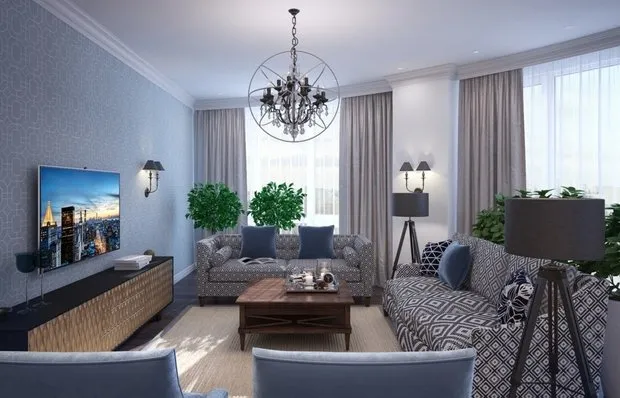
In classical central composition, the main object is placed in the center, while secondary items of greater height are placed on the sides. Secondary details should be positioned at the corners or top center of the frame. In central composition, the eye follows items from the center horizontally or vertically, moving between them.
Any frame orientation works for central composition. For interior photography, central composition is most suitable for frontal angles.
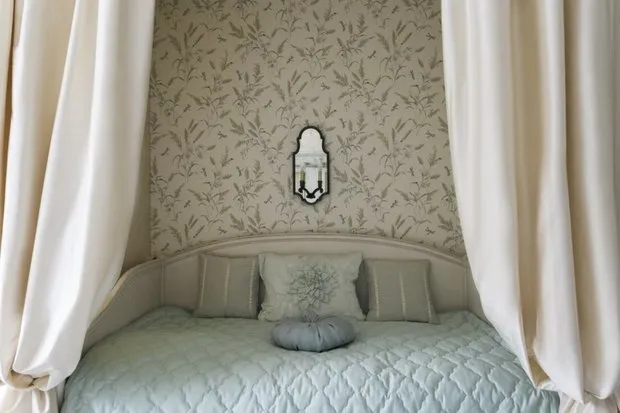
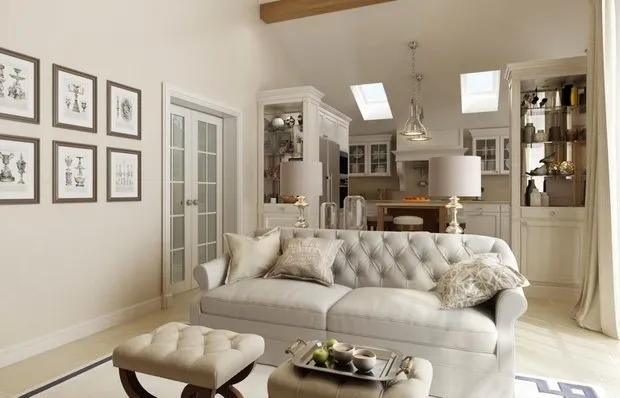
Rules of symmetry and balance work well in central composition. Simply put, symmetry is achieved by repeating the same or similar objects placed at equal distances from each other and from the center of the frame. In interior photography, symmetry is also tied to building architecture, furniture placement, and decor.