Ideas for Children's Room. Be Original!
Children's room ideas. Be original! What can children's room ideas look like, what should you pay attention to, and how can you help a child develop using color, form, and the contents of the room?
Children's room ideas. Be original! What can children's room ideas look like, what should you pay attention to, and how can you help a child develop using color, form, and the contents of the room?
To bring bold ideas for children's room decoration to life, you don't always need large financial resources—just endless desire and a bit of imagination.
When planning a child's room, it is important to set aside zones for physical and psychological rest, as well as for physical and mental activity. That means not only equipping a cozy sleeping area where the child won't be disturbed during rest, but also a safe play area in the house.
The starting point for planning a room can be, for example, color— one of the main ideas in interior design.
By the way, bright colors are unconscious signals that encourage activity, while pastels have the opposite effect—they soothe.
For example, you can decorate a play zone in bright colors with thousands of design details (from various patterns on the walls to educational toys), while the sleeping zone can be in a minimalistic style with subdued and restrained tones.
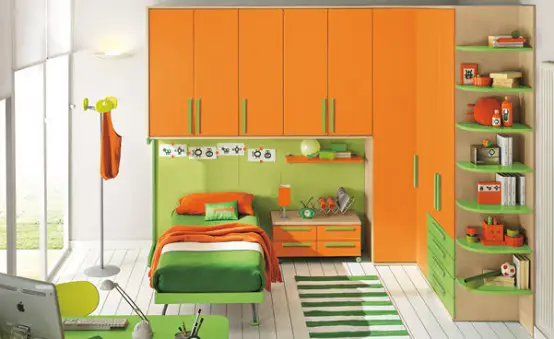
Photo 1 — Children's room design with a focus on furniture color
The choice of color as the basis for interior design can relate, by the way, not so much to wall or furniture color, but to the color of room details. Here is a clear example of decorating two children's rooms with color accents. You can experiment in any direction. The key is to start!
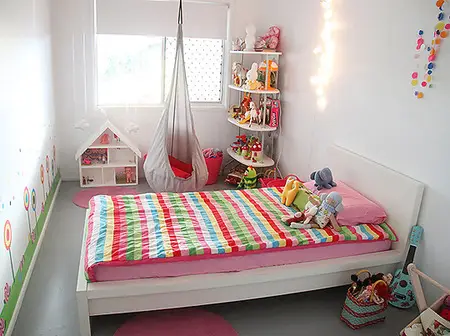
Photo 2 — Children's room design with a color accent on decor and textiles
Interesting ideas for children's room decoration can come from thoughtful planning in a specific theme: sea-themed, fairy-tale, or sports-themed.
A real gift for a restless child might be a room combining play and sleeping zones (at least try to use combined wallpaper)—where instead of a regular bed, the child gets a treehouse imitation, and instead of a regular box-shaped room, it's almost jungles with many hanging rings, ladders, and a small maze.
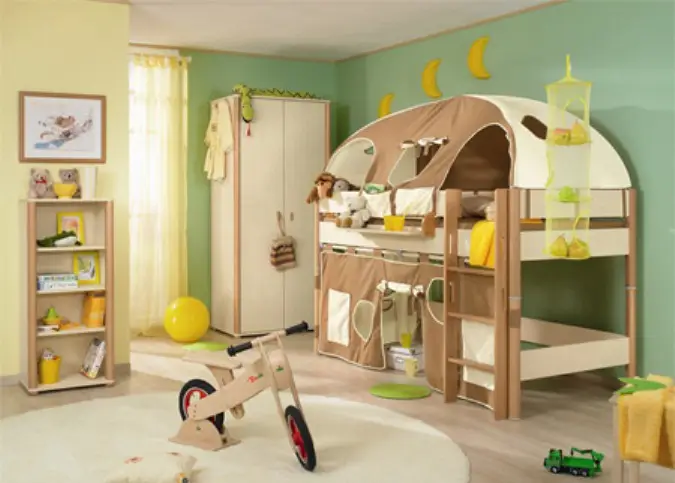
Photo 3 — Interior design of a child's room. Using textile elements to create a thematic design
In this case, it is not necessary to order expensive modular furniture with decorative inserts or have custom-made furniture made according to sketches at a furniture factory. A regular bunk bed and some textiles are enough. For a child, it's not important to match the original but only similarity. Everything else will be done by a child's imagination.
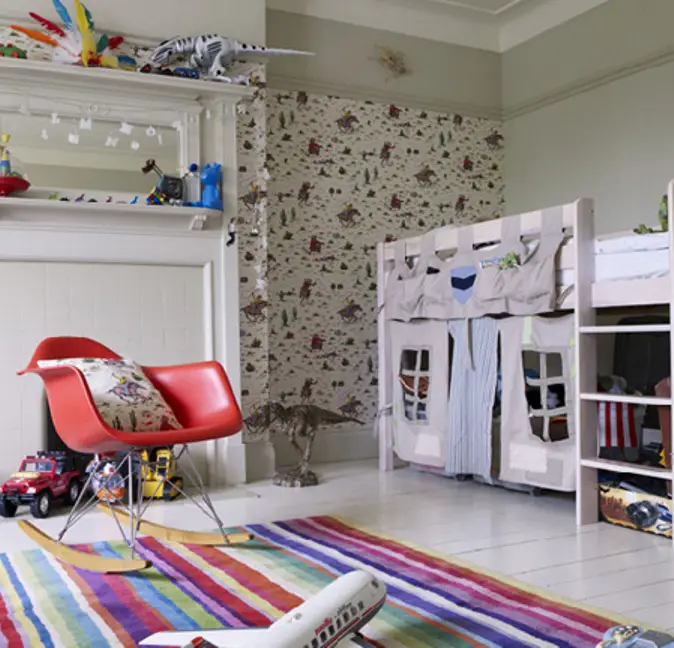
Photo 4 — Combined play and sleeping zone. How to set the theme for a child's interior using textiles
To convey the spirit of adventure and encourage play, you can find simple design ideas for a child's room. For example, create a temporary play corner using a laundry line and a blanket: just a few simple moves and a playhouse is ready! Psychologists assure that such games in limited, even if symbolic, space are psychologically beneficial for children.
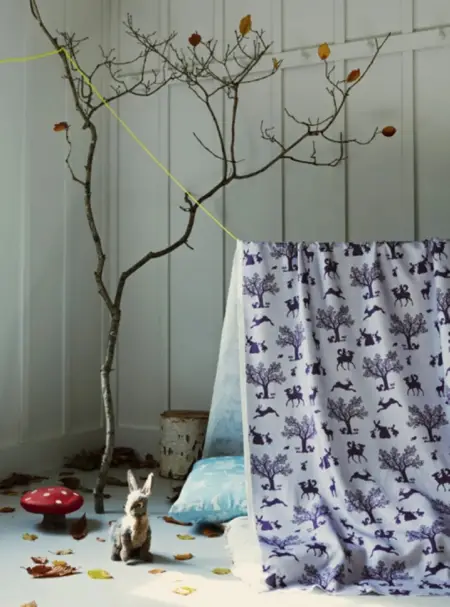
Photo 5 — A simple way to entertain a child—build a playhouse in the child's room!
Playhuts and “hut-like” designs, as interior design ideas, can be both temporary and permanent elements of a child's room. Another simple way to make a child feel like the owner of their room is to build a curtain or partition that divides the zones in the room.
Besides their play function, partitions are also practical if you're talking about organizing space in a children's room for multiple kids. In this regard, designers' ideas that help organize all furniture elements in a small space in a clean way (selection below) create rest, play, or work zones for each child.
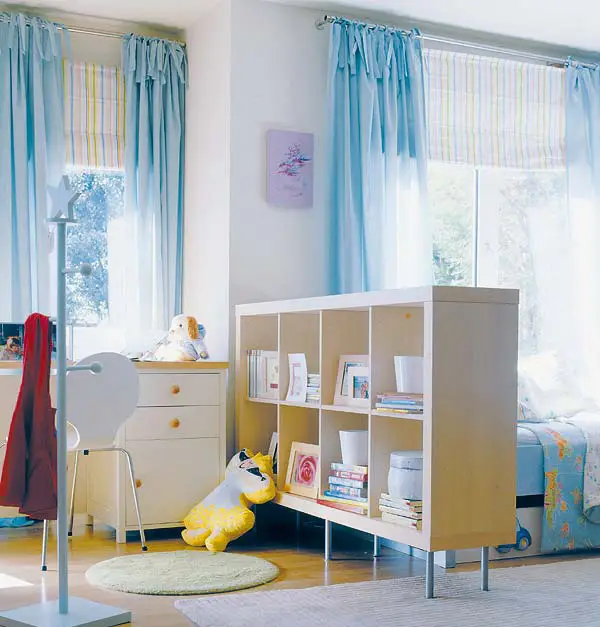
Photo 6 — Zoning a children's room with a partition
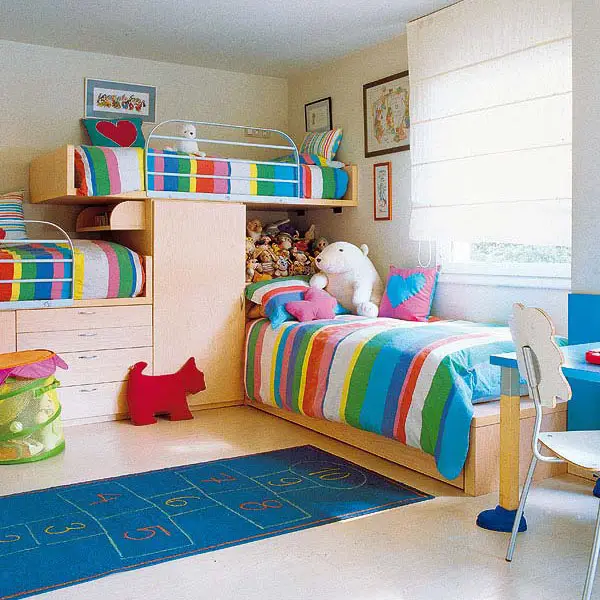
Photo 7 — Children's room for three (organizing sleeping areas)
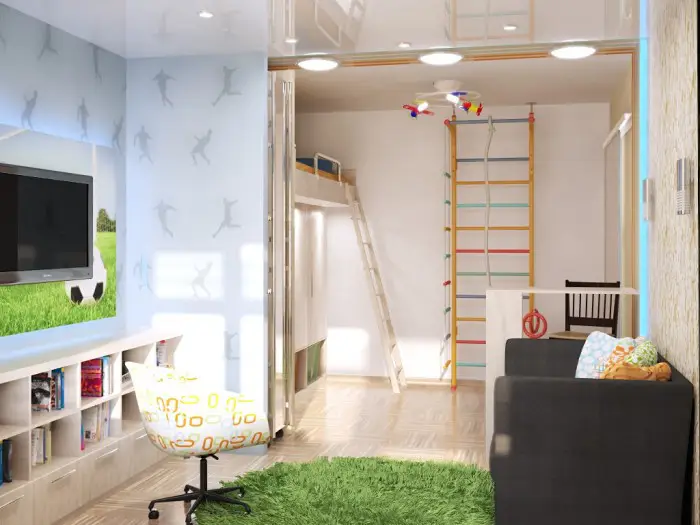
Photo 8 — Children's room for two. Zoning sleeping areas and leisure space
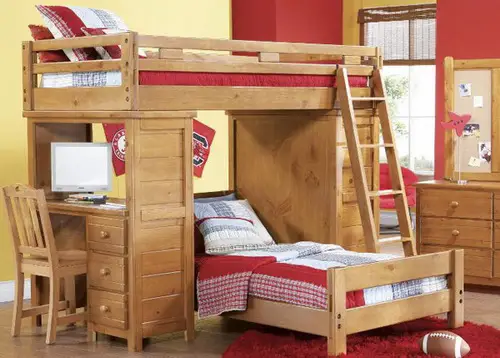
Photo 9 — Combining a sleeping and working area in a room for two children