Tool for Suspended Ceilings
About the tools that may be useful for installing suspended ceilings - continue.
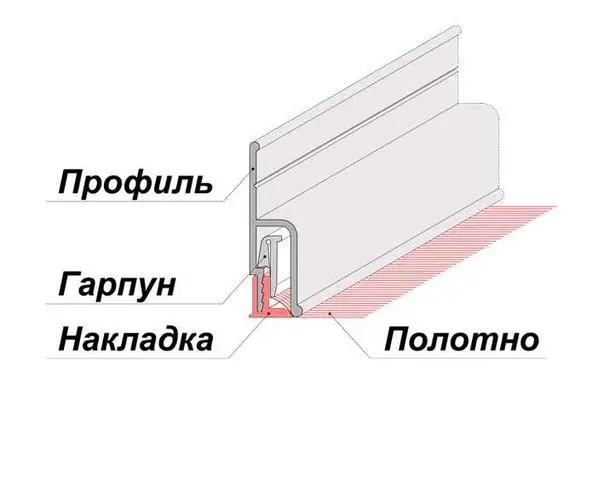
Photo 1 - Consumable Materials for Suspended Ceilings
Tools and Equipment for Suspended Ceilings
For most installation work you will need:
- laser tape measure (range finder);
- thermal gas generator (thermal gas blower for suspended ceilings, with power of about 30-40 kW);
- gas cylinder (volume of about 10-28 liters);
- percussion drill (power up to 0.5 kW);
- impact drill (power up to 0.5 kW);
- battery-powered screwdriver;
- circular saw;
- installation spatula (set: short, long, angular spatula);
- clamps (4-6 pcs.);
- ladders (2 pcs.);
- adjustable wrench;
- autonomous gas leak detector;
- extension cords;
- tee fitting;
- hammer;
- screwdriver set (including indicator screwdriver);
- pliers;
- cutters;
- metal shears;
- laser level (can use water level);
- marking string;
- balancer (used for cutting rings, round holes in plastic elements);

- angular reducer for bits;
- painter's tape;
- self-adhesive foil;
- electrical tape;
- glue (it is better to use Kosmofen Ca 12 glue);
- rasp (large round, small rectangular);
- diamond file;
- metal drill bits (3 mm and 6 mm diameter);
- glass and ceramic drill bits (6 mm diameter);
- concrete drill bits (5.5 mm and 6 mm diameter);
- wood and metal screws (35 mm-150 mm and 35 mm-45 mm sizes respectively);
- wood screws (3.9 x 9.5 mm size);
- polypropylene anchors.
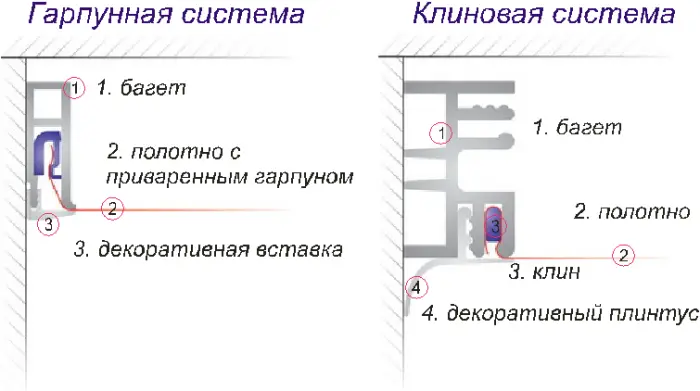
Photo 3 - Hook for Suspended Ceilings or Wedge Fastening System (wedge, clip system). Schemes for comparison
It is possible to optimize such a wide list by reducing it to these tools:
- laser tape measure;
- laser level;
- manual hole punch;
- metal detector;
- percussion drill;
- drill;
- screwdriver;
- thermal blower (can be used as gas or electric blower).
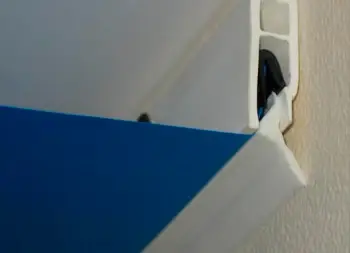
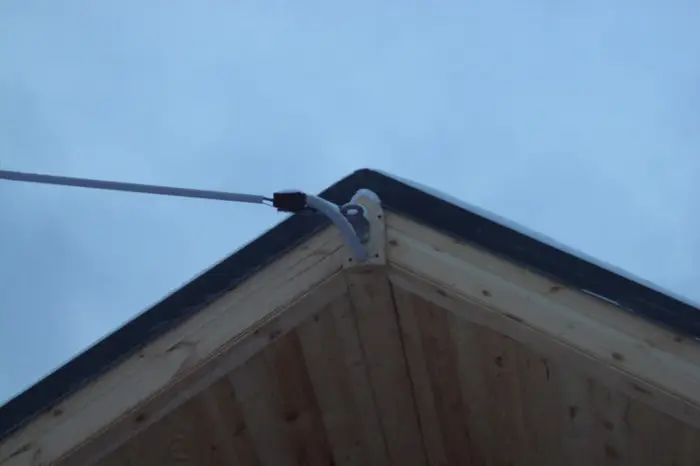
Photo 4 - Mounting Bracket - Decorative Cover for Suspended Ceiling
1. Laser Tape Measure. The only tool that allows accurate measurements. All measurement data will be saved in the tape measure's memory.
2. Laser Level. Used for marking ceiling levels. When using the level, a telescopic rod may be needed (for marking space during installation of multi-level structures).
3. Manual Hole Punch. This tool punches holes in aluminum profiles (instead of the profile, a so-called "bump stopper" can be installed). Holes in profiles can also be drilled using a traditional method - with a drill. However, holes made by drilling are untidy, with burrs. The hole punch will make holes of the same diameter and identical.
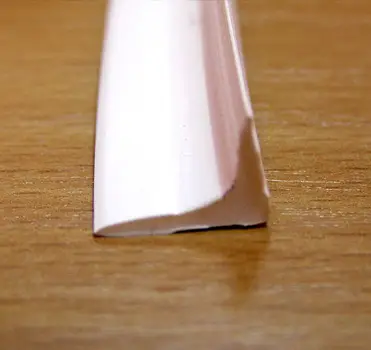
Photo 5 - Wall Angle
4. Metal Detector. Used in preparatory work to identify surface materials to which the profile will be attached later. It is important to know if there are metal profiles, hidden electrical wiring, or air ducts in the walls.
5. Percussion Drill, Drill, Screwdriver. The percussion drill is used to mount the profile of a suspended ceiling. For work, a drill and screwdriver may be needed. It is better to use battery-powered tools. Here, extension cords, adapters, and an indicator will be needed to determine if there is voltage in the network.
6. Thermal Blower. Used to heat PVC panels. The advantage is the electric thermal model, which is safer to operate. Although a gas blower can also be used in rooms without an electrical power source.
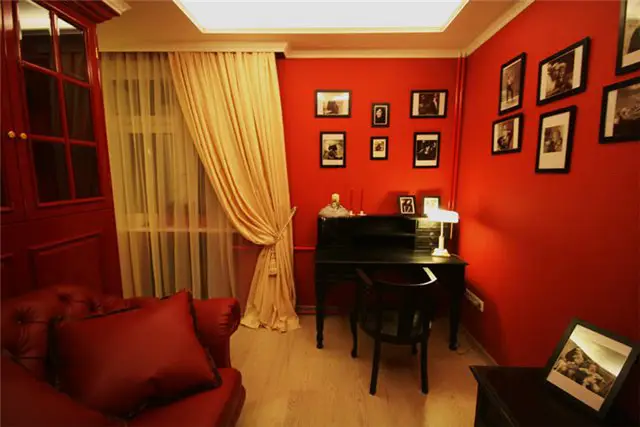
Photo 6 - Molding - Decorative Detail, Usually Made of Plastic, Can Adorn Any Suspended System at the Wall and Ceiling Joint
Additional elements for the structure may be needed when installing lighting fixtures (mounting rings to secure the panel at the cut, metal frame for mounting lights (spotlights, recessed lights, LED lighting), flexible conduit to run cables and so on), exhaust fan (ventilation grilles, guides for mounting air ducts, the exhaust unit itself and others).
Finished suspended ceiling structures can be adorned with decorative trim (decorative tape, masking tape, or decorative cord).
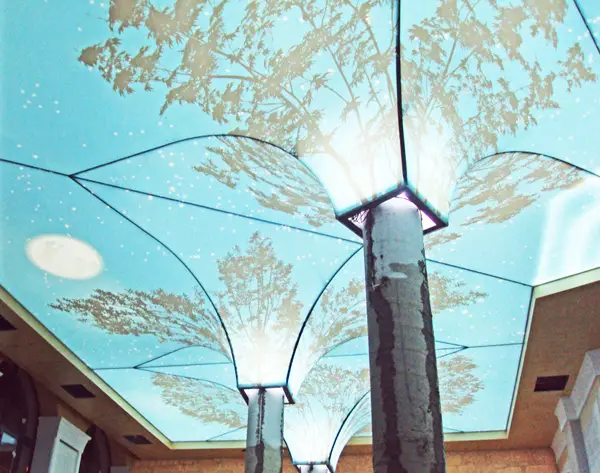
Photo 7 - Special Hardware and Metal Platforms Were Used to Install This Suspended Ceiling
ADVICE: When planning the installation, consider how much the suspended ceiling drops depending on the installed structures (minimum height is 3 cm, when installing the panel without built-in lighting).
You can buy the panel and accessories for installing a suspended ceiling both in specialized departments of building supply stores and in specialized shops (including online stores of well-known brands).
IMPORTANT! The price of some types of accessories may vary depending on the purchase volume.
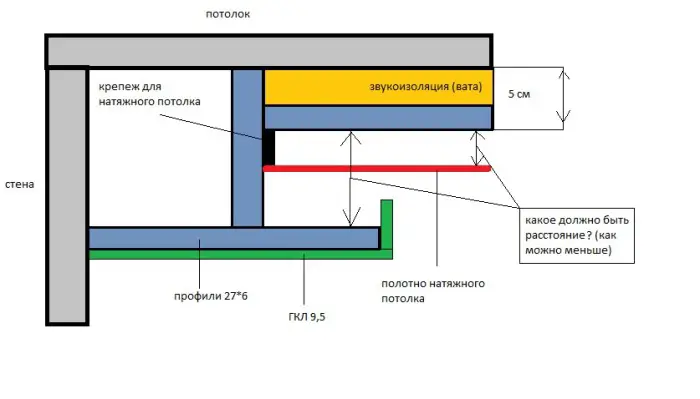
Photo 8 - Box for Suspended Ceiling with Gypsum Board Construction
$ Equipment for Suspended Ceilings: Prices
In the category of tools and equipment used only during installation of suspended ceilings, we include thermal blowers and special spatulas for panel loading. The first ones are cheap (about $3-7/unit) and can be purchased for one-time use by anyone, but buying a thermal blower should be done responsibly: the equipment is expensive and should pay for itself threefold. The cost of a thermal blower starts from $180 (gas cylinder is purchased separately).
If the topic is a suspended ceiling installed with a width of more than 5 meters, welding seams of panels will be needed. And welding, in turn, is impossible without a special TIG welding machine.

Photo 9 - There Are Various Machines for Suspended Ceilings, About Which We Spoke in One of the Previous Articles
Installation of Suspended Ceilings (Video)
More information about how to install suspended ceilings and the differences between types of suspended ceilings will be provided in the following video clips.