Types of Ceilings: Gypsum, GVL, MDF and Others
Different types of ceilings are recommended for different rooms and interior styles, each having their own installation and usage features.
Gypsum Ceilings
Probably, gypsum ceilings are one of the most popular types of ceiling. Gypsum board has gained popularity due to its relatively low price and good operational characteristics.
One of its main advantages is the ability to quickly achieve a flat surface, hide all ceiling irregularities, height differences, board joints, wiring and utilities. Equally valuable property of gypsum board is its ability to take various shapes and bends, and the possibility of further finishing in different ways.
For different rooms, different types of gypsum board are used: moisture-resistant gypsum board is used in bathrooms and kitchens, fire-resistant gypsum board is used in fire hazardous rooms and seismically active zones, while regular gypsum board is used under normal humidity conditions and in environments not prone to combustion.
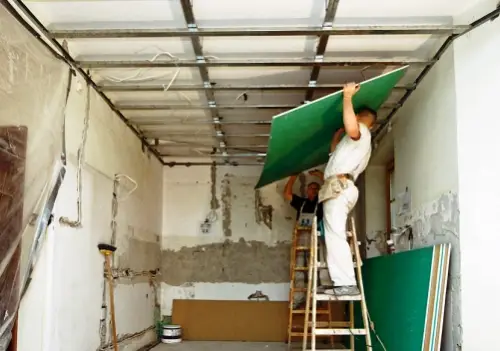
A relatively flat ceiling can be simply covered with gypsum board. For significant height differences, a wooden lath or profiled frame is used. Mounting gypsum board on wooden lath is not advisable even when treated with water-repelling compounds in bathrooms.
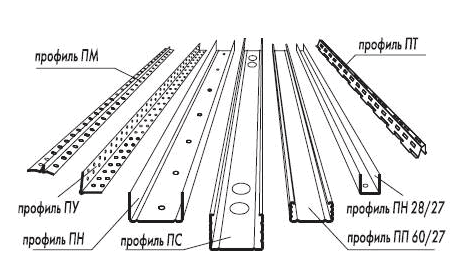
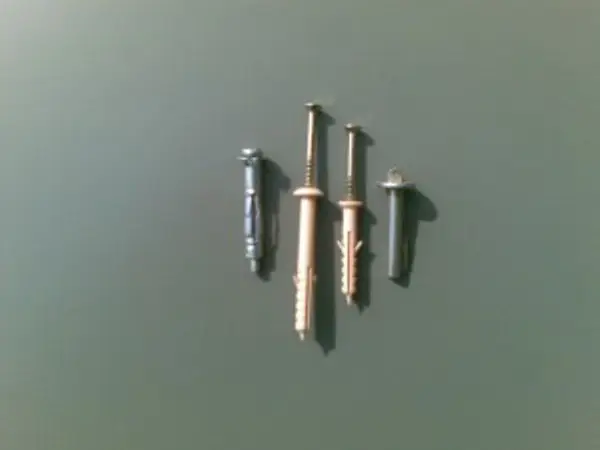
metal profile is the most versatile base for mounting ceilings from gypsum board. Such a frame allows creating ceilings of various construction and height. The variety of fasteners and parts makes it possible to securely mount the frame to different bases. For example, in a wooden house subject to settling, it is recommended to install a floating ceiling with free attachments.
The secret of a flat ceiling from GKL is proper frame installation. Therefore, when installing such a ceiling by yourself, special attention should be paid to leveling the lath.
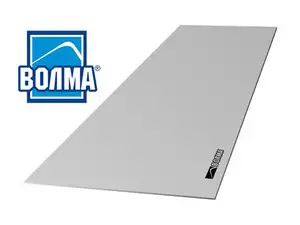
One of the most well-known GKL manufacturers is the German company Knauf. A standard 9.5 mm thick, 2.5 m long ceiling gypsum board from Knauf in Moscow will cost around 225 rubles, in Kyiv – 53 hryvnia.
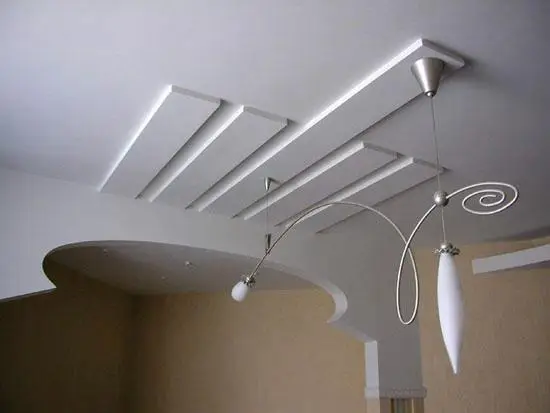
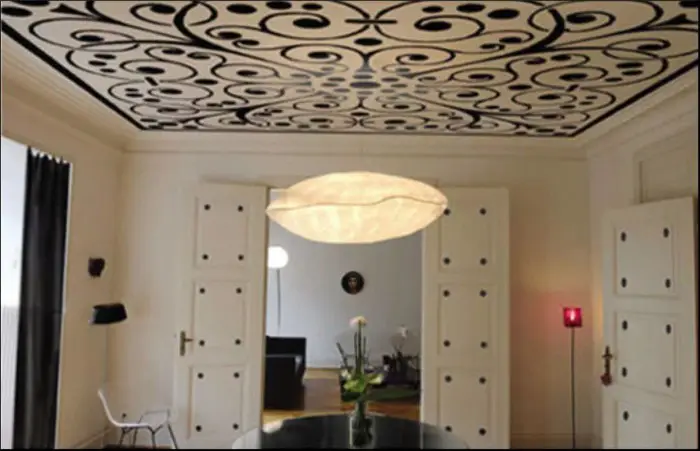
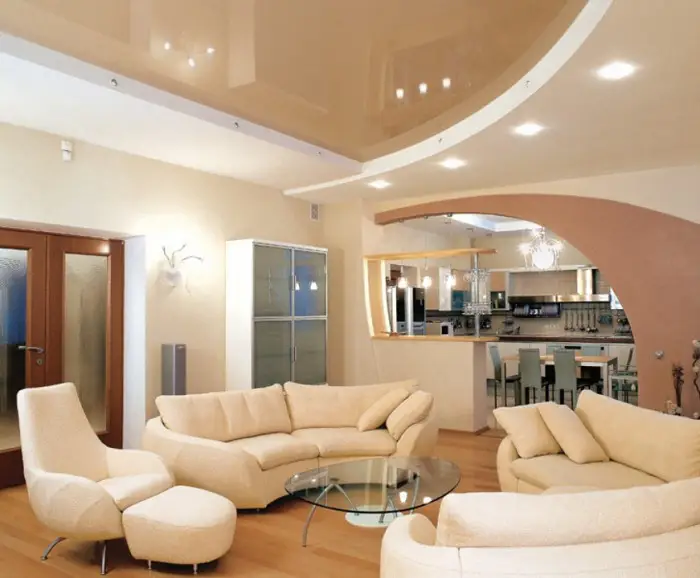
Photo 1 — Photo of an unusual ceiling made from gypsum board
Ceiling from GVL
A ceiling made from GVL is several times stronger than gypsum board. A suspended ceiling is recommended to be made using GVL. For bathrooms, GVLV boards would be suitable.
Installation of gypsum fiber panels is not different from assembling a gypsum board ceiling. It should be noted that a suspended ceiling made from GVL will have considerable weight, so the fastening must be frequent and rigid.
The price of a GVL sheet from the same company Knauf is significantly higher than that of GKL: in Moscow 134 rubles per sq. m, in Kyiv – 230 hryvnia per sheet.
Ceiling from MDF
If you want a light and attractive ceiling that can be decorated quickly and inexpensively, then the choice will fall on a ceiling made from MDF.
Its charm lies in the speed of assembly. The frame for MDF is usually wooden, as for gypsum board, but the strips are installed only in one direction – perpendicular to the direction in which the sheets will be mounted, and MDF is attached to the strips much easier – with self-tapping screws or stapler. Panels are inserted into each other in the groove of the previous one.
The advantage of such a ceiling is that its assembly is the final stage of finishing work. MDF panels do not require additional plastering, spackling or painting. They represent a ready-to-use coating that is also easy to clean.
One of the decent MDF manufacturers is Kronospan. The price per square meter of MDF is about 50 hryvnia, i.e. approximately 200 rubles.
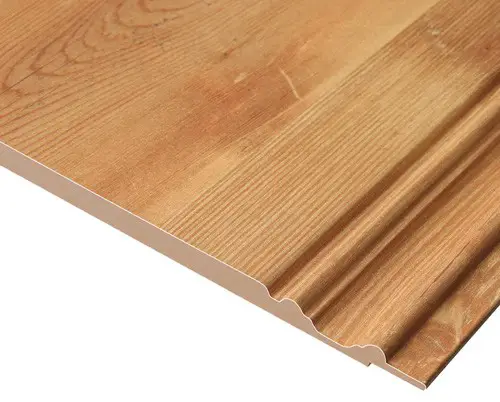
Photo 2 — MDF panel
Ceiling from Plywood
Plywood is one of the most eco-friendly materials for ceiling finishing among those listed above. This is its main advantage. However, glued wooden veneer is afraid of water and requires caution regarding fire safety. Similarly, a ceiling made from plywood should be as flat as possible before installation.
The frame for plywood is mounted from wooden horizontal and intermediate strips and blocks, to which the plywood sheets are nailed. To prevent deformation of the ceiling later, the thickness of the plywood should be sufficient, humidity in the room should be normal, and the plywood should preferably be laminated for additional water resistance. The fewer the joints, the more aesthetically pleasing the plywood ceiling will look. Therefore, it is recommended to mount sheets that are equal in length to the ceiling length. Plywood ceilings are usually painted with varnish, paint or covered with wallpaper.
For example, a sheet of coniferous plywood costs about 900 rubles.
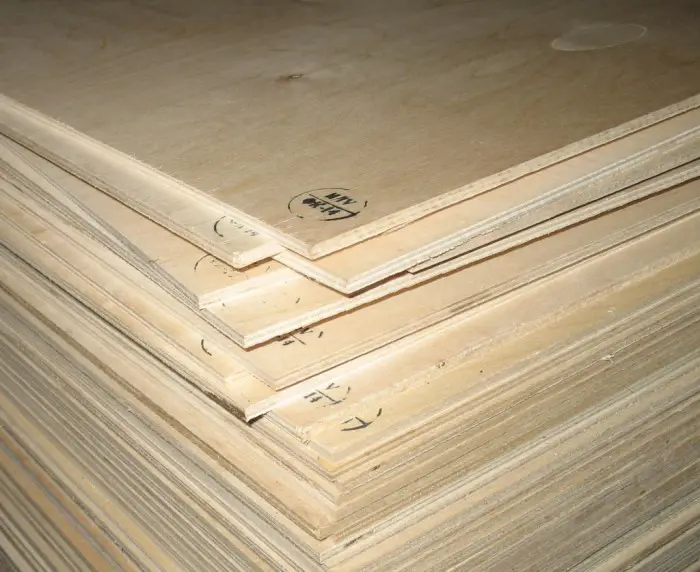
Photo 3 — Plywood sheets
Ceiling from Wood
A wooden ceiling will cost more than many other types of finishing, but it is justified. Natural, healthy for health, solid, durable, suitable for any interior style, and beautiful material – there is a lot to say about wood.
Returning to interior design, wooden finishing has reached a new level – it has become elite. Although in the past not everyone could afford to have a skillfully made wooden ceiling – centuries later one can see preserved vaults of castles and houses of the nobility.
As for modern application, a suspended or covered ceiling made from wood is possible in almost any room, but it does not always make sense. In a low-rise house, a ceiling made from solid wood will look rough and it will also be problematic to install (though everything is possible), whereas in a house with wooden floor beams, it has its place.
If you have the opportunity to cover the ceiling with wood, you should not ignore it. However, choosing wood for home decoration, one should remember about special measures to protect it from moisture and combustion.
When doing renovation by yourself, one should take into account the rules for installing electrical wiring on combustible bases, use protective and water-repelling agents for wood treatment, and consider the aesthetic component. First of all, select the color and type of wood, taking into account lighting, color palette and room size. For example, a dark wooden ceiling will significantly reduce the height of the room. And secondly, consider that wood requires the interior to be in harmony: an exclusive ceiling requires wall finishing, furniture and decor to match it.
In classical interiors, wooden coffered ceilings will look impressive. Coffered ceilings have shaped recesses, usually rectangular, covered with carving.
It is very difficult to estimate the cost of such ceilings – mostly companies offering wooden panels and ceiling installation write about contract pricing. Therefore, if you want to know the approximate price, you need to send a request or call the companies that offer this.
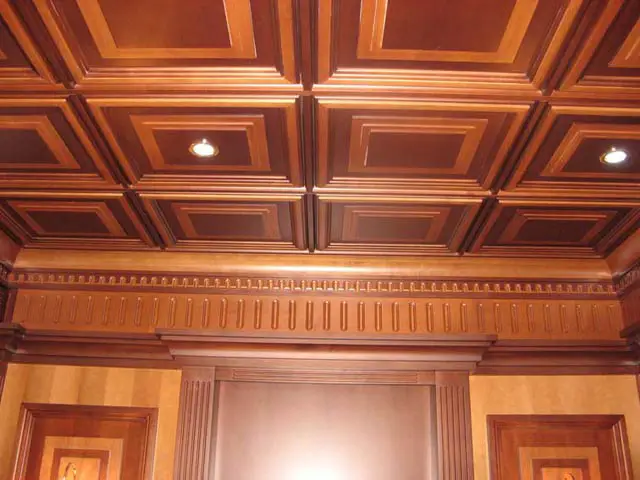
Photo 4 — Example of a wooden coffered ceiling
Cork Ceiling
Wood is a great material, but for humid and requiring thorough cleaning rooms like the kitchen and bathroom, it is problematic to use. Cork ceiling is an ideal solution for such rooms.
Cork coating for the ceiling does not collect dirt and is not afraid of moisture.
Cork is a healthy eco-friendly material with excellent sound and thermal insulation properties, so it is suitable for bedrooms and children's rooms. The universality of cork is explained not only by its properties, but also by its natural pattern that somewhat resembles textured plaster.
From several colors of cork, a design can be made on the ceiling, and a print can be applied to the cork sheet. Cork can also be combined with other materials, but the most healthy effect will be achieved with maximum naturalness of materials.
Cork ceilings are adhesive ceilings, so they require the use of special glue and some preparation of the base for gluing. Cork sheets are produced with a special protective coating, but to ensure the best protection against moisture, one should also check the base material on which the cork is glued – it should not be sensitive to moisture.
Cork panels can be bought in any construction superstore. Installing cork on the ceiling will cost at least 400 rubles per square meter.
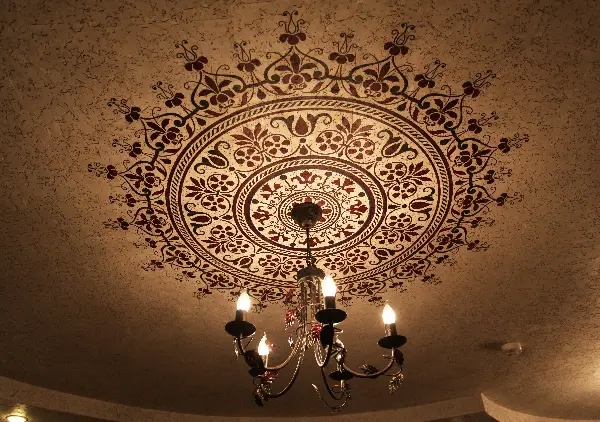
Photo 5 — Example of a ceiling finished with cork (www.domprobki.ru)
Stained Glass Ceilings
Stained glass ceilings are another elite type of ceiling finishing. While wood is rich and noble, stained glass is transparent refinement.
Stained glass on the ceiling can be a mosaic made from glass, done by yourself, or it can be made in one of the stained glass techniques according to order.
Usually, stained glass is mounted on a suspended ceiling in the same way as Armstrong. The design on the stained glass can be printed using photos, or it can be done with real stained glass paints. Light sources are placed behind the stained glass to achieve the effect of transparency of the ceiling, its proximity to the sky. Stained glass can be used in any room, but they look most impressive in large living rooms and bathrooms.
The price of stained glass ceiling is negotiable – a square meter in Kyiv can cost around 5000 hryvnia (20,000 rubles).
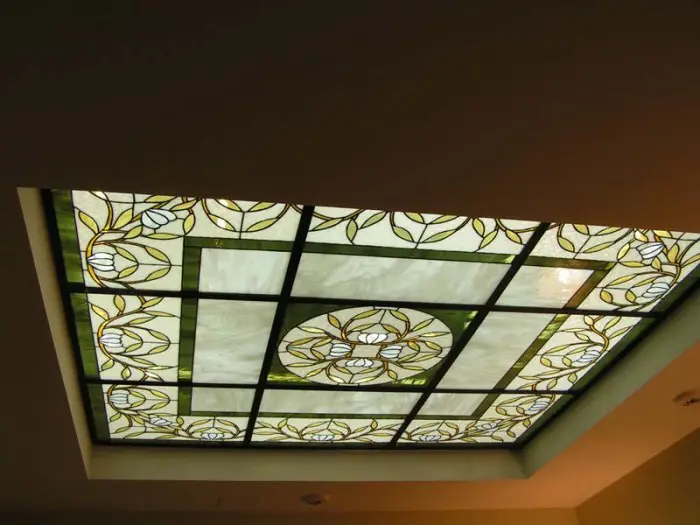
Photo 6 — One of the variants of stained glass ceiling
French Ceiling
Stretchable French ceiling is a decoration that is no less popular than gypsum board.
Such so-called Euro ceilings, i.e. coatings that are referred to when mentioning European-style ceiling renovation, are less eco-friendly than the materials described above. Stretchable Euro ceilings are made from synthetic materials – PVC film, but they are very convenient for creating a perfectly flat surface. The film can be non-flammable and have improved indicators in terms of harmful substance emissions.
One of the main advantages of such a material is seamless ceilings. They come in various sizes and colors, matte, glossy, transparent, can take different bends and forms, and are quickly installed. Satin stretchable ceilings look very pleasant, imitating the texture of satin material.
A special type of stretchable ceilings is 3D ceilings. 3D ceilings are made using photo printing, and under normal lighting they look almost like regular ones. The depth and volume of the image become visible when specially placed lighting is turned on. Such a ceiling can be installed anywhere, but if the room's design aims at naturalness, for example in a wooden house, it is better to find a natural alternative.
One of the French manufacturers of ceiling film is Alkor Draka. The price of stretchable ceiling can vary. For example, 3D ceilings cost more than regular seamless ceilings, the price of which starts from 4500 rubles or 1300 hryvnia for the smallest one.

Photo 7 — 3D ceilings – photo of a possible design
Cold Ceiling
It turns out that under a suspended ceiling, there can be an entire air conditioning system. Cold ceiling is hidden from view, takes up very little space and cools not the air but the objects.
To use such a wonderful invention, capillary mats are installed in the ceiling surface, for example Clina, consisting of tubes through which cold water circulates. The pipe network, refrigeration unit and automation control ensure a comfortable microclimate in any room.
It is convenient to install a cold ceiling for the entire house or apartment. The cost of a cold ceiling will be higher than the cost of installing a regular air conditioner, but the effect will be much more significant.
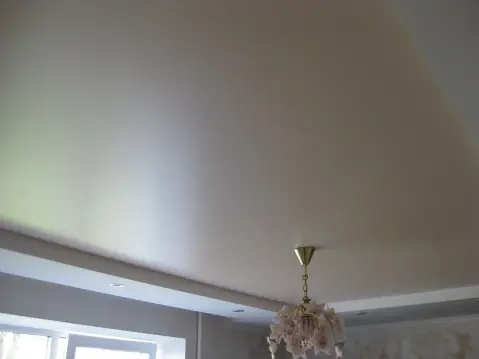
Photo 8 — Example of a satin ceiling
For each room, there are the most optimal options for decoration. For example, to make a ceiling on a balcony by yourself, you can choose different materials from those listed above, but it is unlikely to be stained glass or valuable wood species.