Ceiling Painting with a Sprayer: What Is It and How Much Does It Cost?
What Is a Sprayer?
There are several types of paint sprayers — pneumatic, electric, and manual. Each has a different power source:
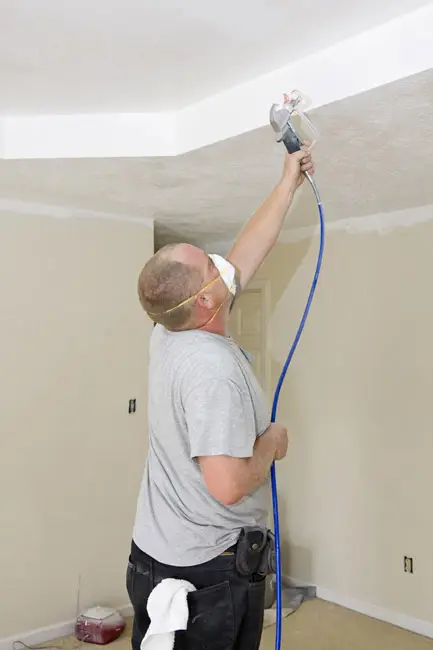
Photo 1 — When working with a sprayer, it is important to follow safety precautions. Work with gloves or at least a respirator
What Is a Sprayer?
There are several types of paint sprayers — pneumatic, electric, and manual.
Each has a different power source: the first sprays paint using compressed air, the second is powered by electricity, and the manual sprayer distributes paint onto a surface using a pump that creates the necessary pressure in the paint container.
The most expensive among these tools is the pneumatic one.
IMPORTANT! Proper handling of a sprayer requires pre-filtering the paint to avoid lumps and large particles entering the spray nozzle.
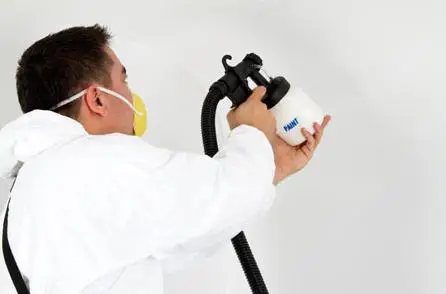
Photo 2 — Using a sprayer is faster and more efficient than using a roller
Ceiling Painting Technique with a Sprayer
When painting the ceiling surface with a paint sprayer, start from the corners and gradually move toward the center. The device should be kept at a consistent distance from the ceiling surface, and movement must be done at a steady pace.
Paint should be applied in spiral motions, slightly overlapping already painted strips.
The quality of the finish depends not only on proper paint application but also on the type of paint used — that is, choosing the right paint for a sprayer. Read more about ceiling paints, including those suitable for sprayers, in a separate article on our website.
Preparing the Ceiling for Painting
The standard procedure to prepare a ceiling for painting with a sprayer includes:
- removing visible dirt and debris from the ceiling surface;
- then applying plaster and sanding;
- for removing peeling areas, use spatulas, scrapers, and brushes (to remove old whitewash or plaster that has peeled off the ceiling);
- use a vacuum cleaner to remove dust and small particles from the previous coating;
- after leveling, the ceiling must be primed with special protective compositions.
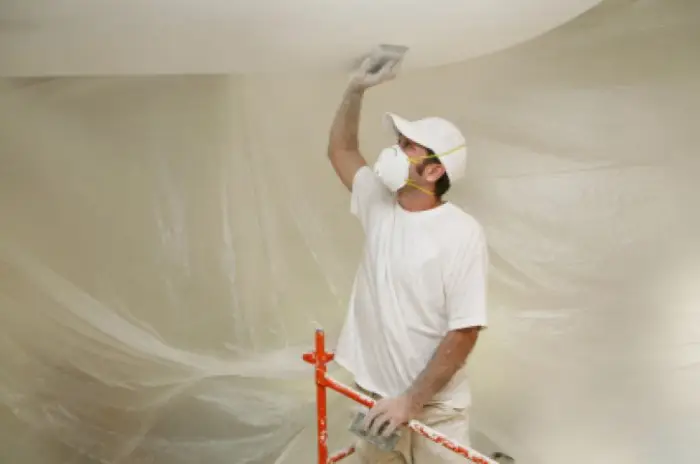
Photo 3 — Sanding the ceiling before painting. A protective mask is a must!
Preparing the Ceiling for Painting: VIDEO
Painting a ceiling with a roller vs. sprayer: Which Is Better?
Undoubtedly, the sprayer. There are many more advantages to using it:
- you won't need to soak the roller in paint, which involves extra movements — you'll fill the paint container less frequently, saving time and effort;
- the paint layer is applied more evenly when using a sprayer;
- there is less chance of paint runs or lumps forming;
- the process of painting with a compressor is faster and more efficient.
For ceiling painting, use water-dispersible or lime-based adhesive paints — they can be applied using a paint sprayer.
IMPORTANT! For thorough painting of room corners, first use a brush and then switch to the sprayer.
Paint for ceilings should be applied in multiple coats. The final coat should be applied in the direction of light fall. This helps visually hide ceiling imperfections and ensures a smooth, well-painted surface.
When working with a sprayer, hold it so that the paint jet is directed straight at the ceiling surface.
Ceiling Painting with a Sprayer: VIDEO
This video introduces one of the best “representatives” for fast and high-quality surface painting — the Wagner ProjectPro 117 and 119 sprayer. Ceilings are painted similarly to walls.
For comparison, here is another video.
Painting a Ceiling with a Roller: VIDEO
$ Ceiling Painting: Cost
Let’s start with the cost of paint for a quality ceiling surface renovation. It is about $14 per liter (Sadolin Bindo 7 WO, matte washable paint or Kolorit Interior White, matte water-dispersible paint with high hiding power).
As for paint sprayers, there are currently four types available on the market:
- a sprayer with a paint container positioned at the top;
- a sprayer with a bottom-mounted paint container;
- a sprayer with a pneumatic membrane motor;
- a low-pressure pneumatic paint sprayer.
With manual or electronic control of paint flow, it’s easier to use the second type of sprayer. The price for such a sprayer starts at $40 (Miol 79-565).
The average cost of a professional painter’s work is around $3 per square meter, assuming the ceiling surface is already ready for painting.