How to Install Textile Wallpaper
Textile Wallpaper: How to Install?
You will need:
- wallpaper;
- gypsum spackling;
- water-emulsion paint;
- special adhesive for textile wallpaper;
- sharp scissors;
- rubber roller;
- soft fabric strip.
1. Applying textile wallpaper requires extensive preparatory work: wall cleaning, priming, sanding, spackling uneven areas, etc. Unlike traditional wallpaper, textile wallpaper is very demanding — it will not last long on an uneven wall, and any defects will be clearly visible throughout its lifespan.
2. After wall leveling, paint the wall with water-emulsion paint or apply a special backing made from recycled paper waste.
3. Before unpacking, inspect the rolls for color, pattern, batch number, and most importantly, for consistent nap direction.
4. When cutting for vertical application, follow the standard pattern:
- measure wall height;
- add 5 cm for overlap;
- cut the first panel and align the second with it, matching the pattern.
IMPORTANT! Cut textile wallpaper only with sharp scissors!
5. After cutting, label the panels according to the order of application and temporarily place them on the wall to compare pattern and texture compatibility with the surface to be covered.
6. Apply the special adhesive for textile wallpaper to the back of the panels. Follow the manufacturer's instructions (the label must include preparation and usage guidelines).
7. Before applying to the wall, allow the wallpaper to absorb the adhesive. To do this, carefully fold one edge of the panel inward with the adhesive side facing in, covering about 2/3 of the length. Then fold the remaining 1/3 of the opposite edge inward, so the top and bottom edges meet end-to-end. Then gently roll the wallpaper into a cylinder without creasing and let it soak for 5–10 minutes (exact soaking time is determined by the manufacturer).
8. Start installation near a window: measure the width of the first strip from the window, draw a vertical line from ceiling to floor, and align the first strip along it.
IMPORTANT! Apply textile wallpaper only edge-to-edge!
9. Leave a 2.5–3 cm allowance at the ceiling, then apply the first strip to the wall: press the center with a rubber roller, then smoothly move the roller outward with light pressure, flattening the wallpaper and removing air bubbles and imperfections.
IMPORTANT! Use only a rubber roller to avoid damaging the material!
10. Allow the wallpaper to dry with all windows and doors closed for at least 24–48 hours (exact drying time is specified by the adhesive manufacturer).
As you can see, the process of applying textile wallpaper is not very different from general wallpapering recommendations.
How to Install Textile Wallpaper: VIDEO
Additional important notes:
When applying textile wallpaper on a non-woven (fleece) backing, apply the adhesive directly to the wall, not to the wallpaper. This reduces soiling and prevents stretching after drying.
If stains appear, remove them with a damp cloth or a sponge moistened in warm water (but not wet!). Do not rub. After cleaning, immediately blot the area with a dry cloth.
Recycled paper backing (R11) was once replaced by old newspapers glued with flour paste. Today, roll-form recycled paper is used for reliable installation of textile wallpaper.
It is possible to cover walls seamlessly using seamless textile panels. These are installed horizontally, not vertically. Some products reach up to 3.1 m in width and 100 m in length (compare to standard rolls: 53 cm wide, 10 m long). Naturally, such materials are not inexpensive.
Which Manufacturers Are Worth Choosing?
Below is a list of the most popular brands. Pricing and quality are for your evaluation.
Most textile wallpaper manufacturers start at $80–100. For example, Rаsch Textil (Germany) offers collections like Casa Nova ($99) or Rаsch Caprise ($85+).
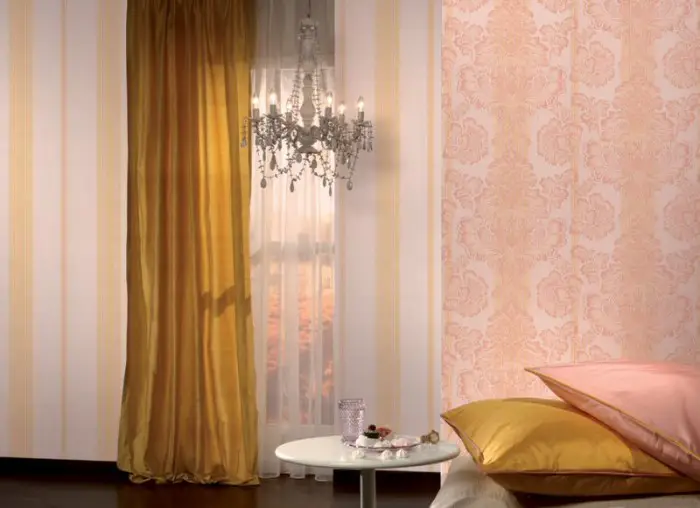
Photo 1 — Rаsch Textil (Germany), collection Casa Nova
Sangiorgio (Italy) specializes exclusively in textile wallpaper. The factory produces premium seamless wallpaper priced from $250 per meter.
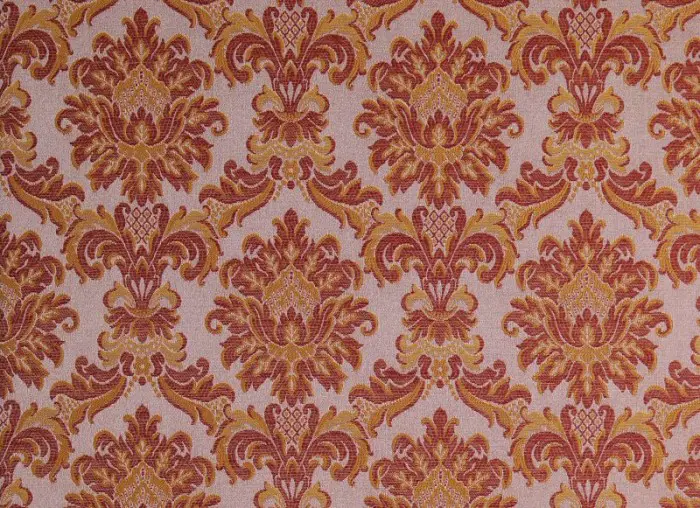
Photo 2 — Sangiorgio (Italy), collection Art Nouveau
Zuber (France) also commands high prices. Some collections exceed $500, with a starting price of at least $150. Zuber has been in operation since 1797.
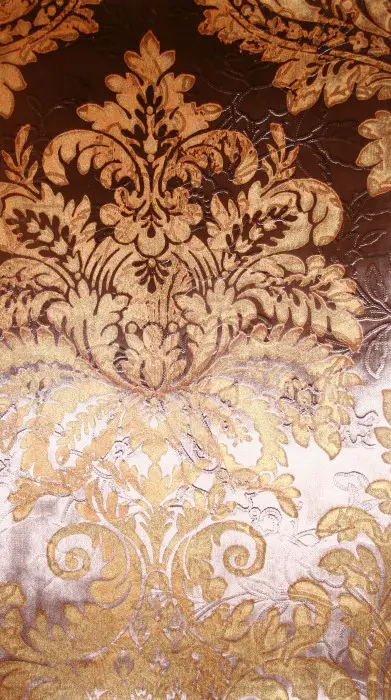
Photo 3 — Zuber (France), collection Brocard
Giardini (Italy), founded in 1872 as a textile manufacturer, established its wallpaper division in 2000. Giardini uses rare materials: silk, linen, and next-generation non-woven base. The range includes viscose and silk Jaquards, premium decorative coatings on non-woven, and natural, eco-friendly wallpaper. Average price: $125 per linear meter.
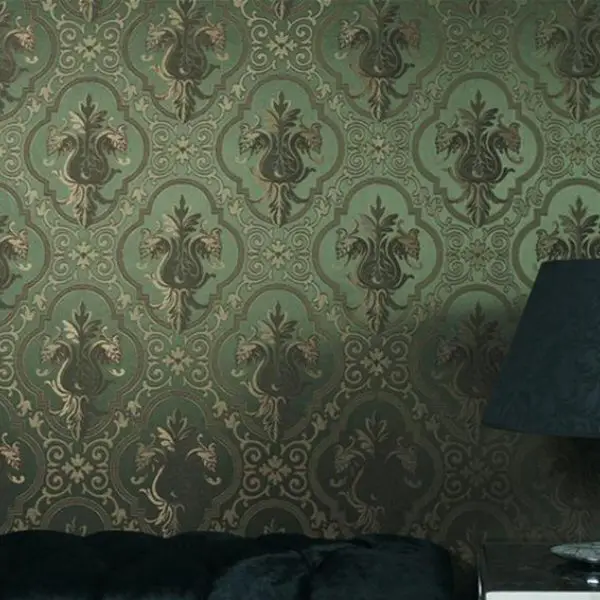
Photo 4 — Giardini (Italy), collection Cafe Real
Sipri (Germany), imported to our region, belongs to the premium class. Prices may exceed $296 per linear meter. However, the manufacturer’s catalog also includes more affordable textile wallpapers starting from $98.
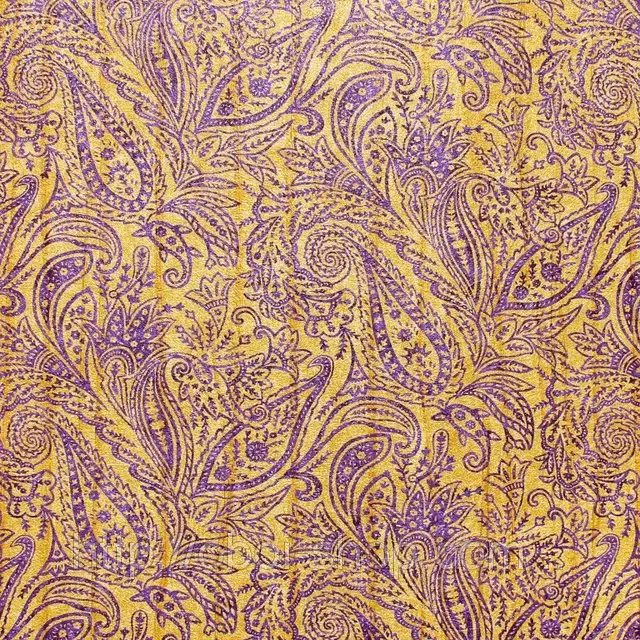
Photo 5 — Sirpi (Italy), collection Murogro Living
Finally, Calcutta (Belgium). The company has been producing textile wallpaper since 1901. However, it entered the global market only in the 1970s. Calcutta became a leader in the industry in the 1990s and remains a strong brand today. Prices start at $55 per linear meter (simplest option: striped wallpaper for bedroom or living room).
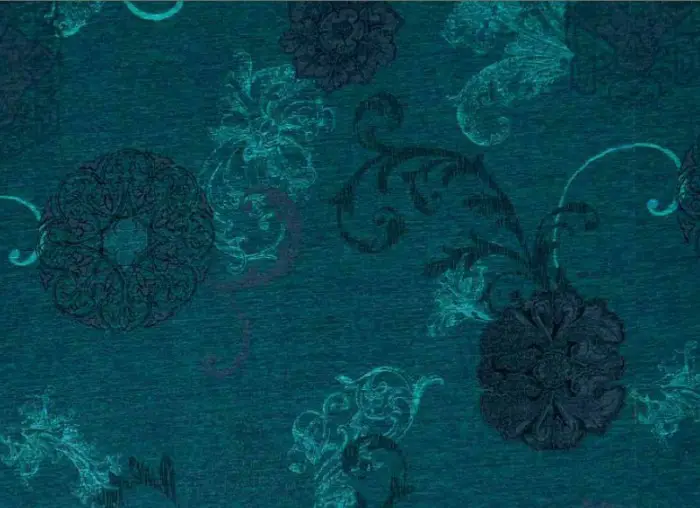
Photo 6 — Calcutta (Belgium), collection Fortune
As you can see, textile wallpaper is not the $2-per-roll kind — figuratively speaking, no one has heard of it.
Textile Wallpaper: Price Overview
Buying high-quality textile wallpaper in the capital is not a problem. The cost will mainly depend on your budget, as the selection and price range are very broad.
- Kyiv − average from 680 UAH per linear meter;
- Moscow − average from 3,150 RUB per linear meter.
Installation cost may reach up to $19 per linear meter.