Koroed (Stucco): Types, Manufacturers, and Application Technique
General Material Characteristics
Key features common to all Koroed types include water resistance and excellent durability against atmospheric conditions. This durable coating typically withstands sunlight, dirt, and mechanical damage.
Koroed can be used on concrete, brick, and plastered surfaces, as well as on insulation systems specially prepared for Koroed. Insulating materials include reinforcing mix, insulation mesh, and Ceresit C-16 primer. For internal work, use putty, plaster, and Ceresit C-17 primer.
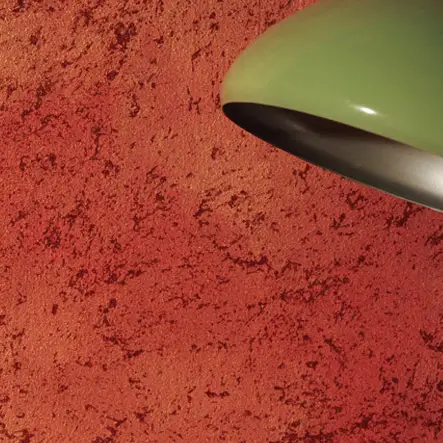
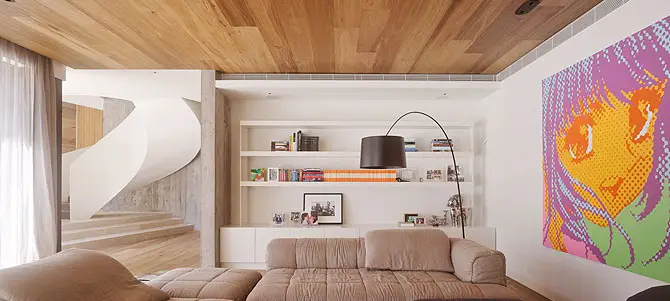
Photo 1 — Koroed stucco, interior wall finishing
Painting Koroed Stucco
Painting is possible in any desired color: either by adding pigment directly before application, or by standard painting after drying. Polymer stucco is suitable for tinting; dry mixes are for post-application painting. Thus, Koroed is not only decorative but also a reliable protection against heat loss and cold exposure.
INTERESTING: The coating gets its name from its resemblance to wood damaged by a bark beetle. Koroed stucco is distinguished from other textured types by its characteristic grooves, direction, and frequency, which you can adjust during finishing work.
The table below lists all properties of Ceresit's facade and finishing materials. It helps you compare Koroed types and choose the one best matching your needs.
STUCCO PROPERTIES
"KOROED"
(CERESIT)
type
stucco
ST35
ST63
ST64
ST 73
ST 75
ST 175
material characteristics
resistance to atmospheric conditions
●
●
●
●
●
●
resistance to impact loads
●
●
●
water resistance
●
●
●
●
●
●
frost resistance
●
vapor permeability
●
●
●
elasticity during application
●
●
●
ease of application
●
●
UV resistance
●
resistance to pollution
●
resistance to mold and mildew
●
readiness for use
●
●
Types of Koroed
Stucco is classified by composition and application area. It can be dry mix in bags – a polymer-cement mix with mineral fillers and modifiers – or ready-to-use mix in buckets – polymer-based stuccos.
Among polymer mixes, acrylic, silicate, and silicone stuccos are distinguished. Grain size varies: 1.5 mm, 2.5 mm, 2 mm, and 3 mm.
IMPORTANT: Polymer stuccos are more durable and resistant to damage and pollution. Material consumption is significantly lower, and polymer types do not require painting. However, their cost is higher (see price comparison below).
Decorative Koroed Stucco (VIDEO)
Many well-known manufacturers produce Koroed stuccos. We examine types and application areas of Ceresit products (Henkel), whose main features are described above.
Decorative Koroed stucco ST 35 (grain 2 mm, 2.5 mm, 3.5 mm).
Application area:
ST 35 – pigmentized stucco for exterior and interior wall finishing on brick, concrete, and plastered bases. Can also be used as insulation material on building facades.
This type allows painting with various paints: acrylic, silicate, silicone, or other water-based or organic-solvent-based paints.
Acrylic Koroed stucco ST 63 (grain 3 mm).
Application area:
ST 63, like ST 35, is used for exterior, interior, and insulation work. Unlike ST 35, ST 63 can be used on gypsum, gypsum board, and wood chipboard bases.
IMPORTANT: These applications are only possible after priming with Ceresit C-17 and C-16.
IMPORTANT: ST 63 cannot be used for basement wall finishing!
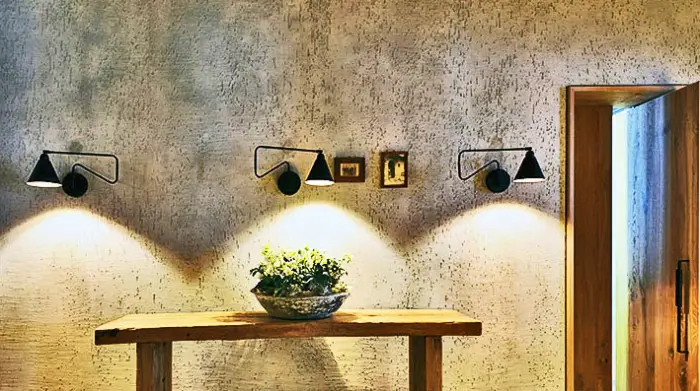
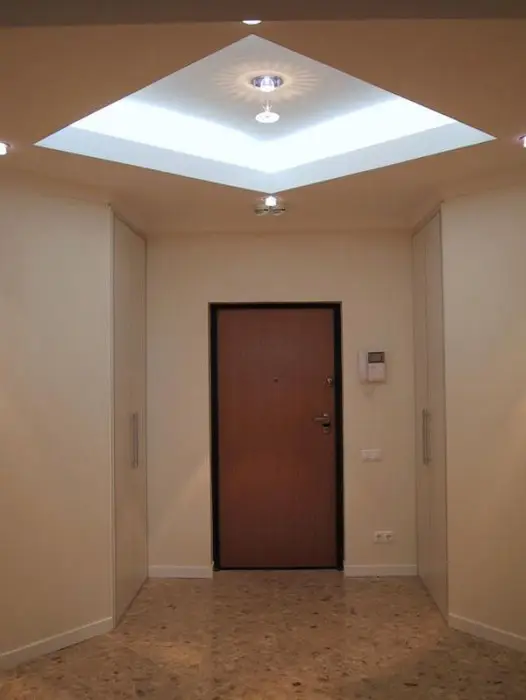
Photo 2 — Koroed in hallway finishing
Wall decorative stucco Koroed ST 64 (grain 2 mm), acrylic.
Application area:
ST 64 – polymer stucco with the same application area as ST 63. Difference lies in grain size: 3 mm for ST 63, 2 mm for ST 64.
Silicate Koroed stucco ST 73 (grain 2 mm and 3 mm).
Application area:
ST 73, like ST 35, can be used on facades and interior walls over brick, concrete, or plaster, and in facade insulation systems (can be applied not only on solid surfaces but also on polystyrene).
Main difference, besides composition, is its pre-prepared state: no mixing needed, just dilute with water (150 ml is enough). Ready mix sold in buckets, no additional preparation (except prior painting, of course).
Silicone decorative Koroed stucco ST 75 (grain 2 mm and 3 mm).
Application area:
ST 75 used similarly to ST 73. This type stands out for its pre-use readiness and higher elasticity, making application easier.
Silicon-silicate Koroed stucco ST 175.
This type combines the advantages of silicate and silicone stuccos, resulting in higher vapor permeability and lower moisture absorption than other types. It is also resistant to pollution and microbial damage: mold, mildew, and algae are no threat.
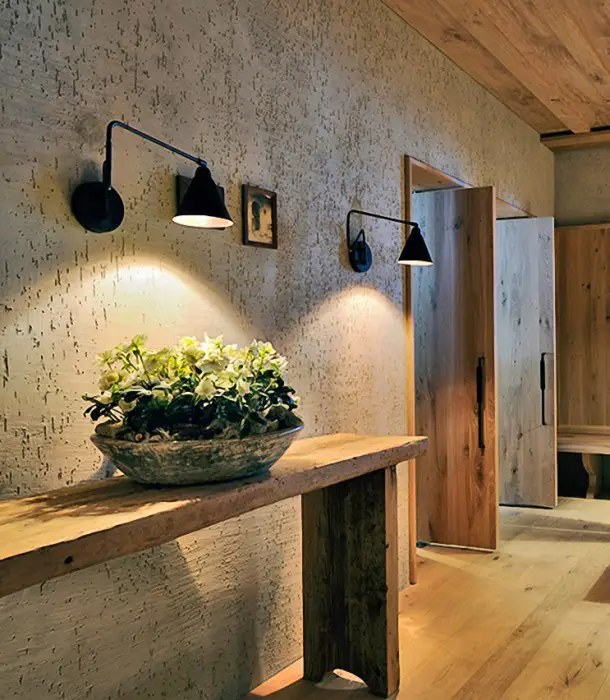
Photo 3 — Structured Koroed stucco in apartment
Material Technical Specifications
ST 35Composition: Polymer mix with mineral fillers and modifiers. Water consumption: up to 5.6 L/25 kg.
Application temperature: +5°C to +30°C.
Ready mix usage: 60 minutes or more.
Freeze-thaw resistance: 75 cycles or more.
Other mixesComposition: Water dispersion of synthetic resins with mineral fillers and modifiers.
Application temperature: +5°C to +30°C.
Rain resistance: 24 hours after application.
Surface film forms in 15 minutes.
Koroed Stucco: Consumption
- ST 35 (2 mm) − 2.8 kg/m²;
- ST 35 (2.5 mm) − 3.5 kg/m²;
- ST 35 (3.5 mm) − 4.9 kg/m²;
- ST 63 (3 mm) − up to 4.5 kg/m²;
- ST 64 (2 mm) − up to 3 kg/m²;
- ST 73 and ST 75 (2 mm) − up to 3 kg/m²;
- ST 73 and ST 75 (3 mm) − up to 4.5 kg/m²;
- ST 175 (2 mm) − up to 3 kg/m².
Thus, for a 36 m² apartment (standard room wall area), you’ll need at least 100 kg of stucco, i.e., 4 packages.
Related article: Stucco consumption per square meter
Koroed Stucco: Price
Here’s the cost for different Koroed types (prices as listed above):
- ST 35 − from $12.50/25 kg;
- ST 63 − from $40.50/25 kg;
- ST 64 − from $40.00/25 kg;
- ST 73 − from $56.40/25 kg;
- ST 75 − from $66.70/25 kg;
- ST 175 − from $48.50/25 kg.
Koroed Stucco: Application Technique
Base preparation for most stuccos is standard: flat, clean surface free of dust and oil, no visible damage (see SNiP 3.04.01-87 and DBN 2.6-22-2001 for details).
ST 35Starting work:
For exterior wall treatment (after 28+ days of cured coating), use Ceresit C-16 primer (for weak cement-lime or cement-sand plasters) or Ceresit C-17 primer (for high-absorption walls; C-16 must be used over C-17).
For interior surfaces on gypsum, cement-lime, cement-sand, and gypsum board bases, apply C-17 primer, then C-16 after drying.
IMPORTANT: Remove paint coatings before starting.
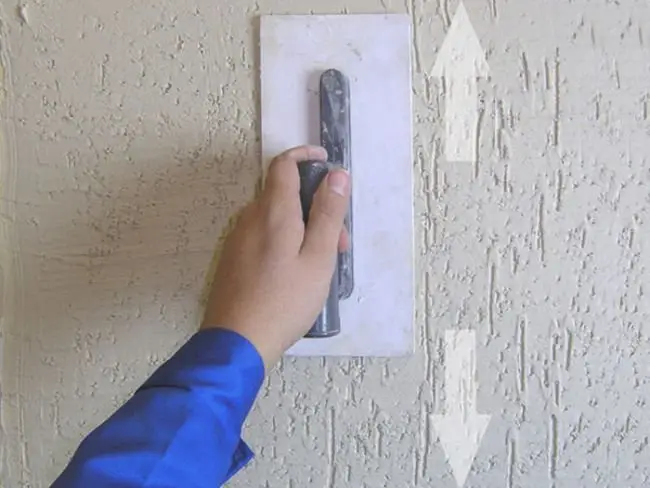
Photo 4 — Method to create vertical grooves on stucco surface
Application:Mix the compound with water at +15°C to +20°C, 1 kg mix per 0.2–0.21 L water. Mix with low-speed drill until homogeneous. Let stand 5 minutes, then remix thoroughly.
IMPORTANT: Ready mix is usable for at least 1 hour.
Apply stucco with a stainless steel trowel. Layer thickness: 5–6 mm. Then shape to match grain size. Hold trowel at 50° angle, use smooth, confident motions to remove excess mix until texture breaks.
IMPORTANT: The textured grooves, a key feature, vary based on trowel pressure, direction, and timing. You can achieve horizontal, vertical, cross, or even circular grooves (technique shown in illustrations).
During texture formation, keep the tool parallel to the wall.
After 72 hours, ST 35 can be painted (use water-based paint only). For solvent-based paints, wait at least one week after finishing.
IMPORTANT: For large surfaces, ensure batch numbers match. Work must be continuous. If interrupted, tape the line, apply stucco, make it textured, then remove tape at completion.
Depending on base type and conditions, the mix may stop sticking to fingers in 5–30 minutes. Begin texturing then. Use plastic or wooden trowel.
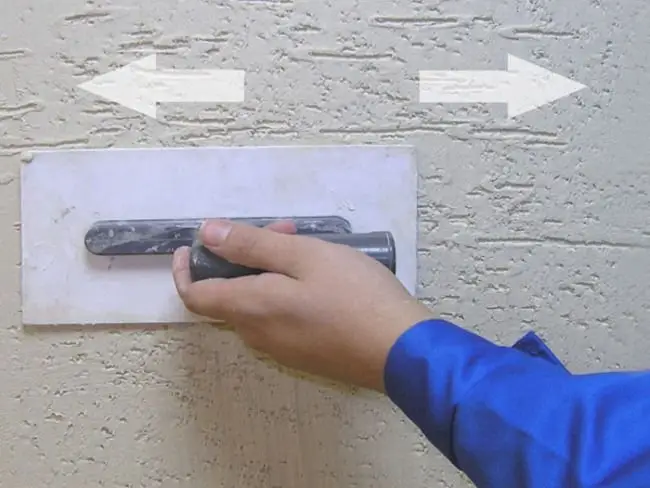
Photo 5 — Method to create horizontal grooves on stucco surface
For exterior work, avoid applying on strongly heated surfaces. The wall must not be in direct sunlight for the first few days. Fresh stucco is vulnerable to rain and cold for three days. Protect with film or foil on scaffolding or wall perimeters.
ST 63 and ST 64Starting work:
Before applying ST 63, you may further level the wall using Ceresit ST 29 mix.
After base layer and before finishing with ST 63, allow:
- 14 days − for strong cement-sand or cement-lime plasters;
- 3 months − for concrete walls;
- 28 days − for brick masonry.
All bases must be treated with C-16 primer.
IMPORTANT: For weak or highly absorbent bases, apply C-17 primer before C-16, let dry 4 hours. Apply stucco only after C-16 is fully dry.
For internal work, gypsum bases (moisture up to 1%) on cement-lime or cement-sand plaster must be primed with C-17, then C-16.
IMPORTANT: Manufacturer recommends C-16 color close to final finish color.
Application:
Mix ST 63 in original packaging. Add ~150 ml water per 25 kg depending on site conditions, remix.
IMPORTANT: Use only stainless steel tools.
Position steel trowel at 60° to wall, apply evenly. Ensure layer thickness does not exceed grain size.
As with ST 35, begin texturing when mix stops sticking to fingers (5–30 min). Use plastic trowel.
IMPORTANT: Never re-wet the wall after starting or finishing.
If fresh stucco gets on floor or other surfaces, remove with water and sponge. After hardening, removal is only mechanical.
ST 63 fully hardens in 3 weeks.
IMPORTANT: Do not mix with other stuccos or paints.
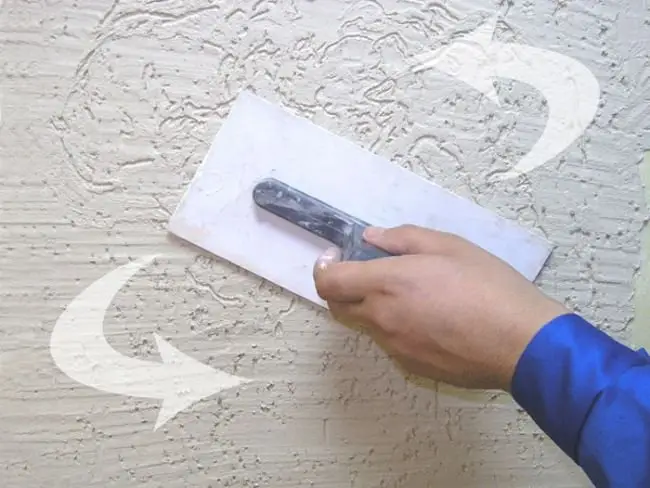
Photo 6 — Method to create circular grooves on stucco surface
ST 73, ST 75, and ST 175Before starting work:
Koroed ST 73 application can begin after similar waiting as ST 63/64.
IMPORTANT: On solid brick bases after 28 days, apply Ceresit CT 15 silicone first.
For exterior walls, use C-17 primer, then apply Ceresit CT 15 after drying.
Interior preparation is similar to ST 63/64. Use Ceresit CT 15 silicone instead of C-16.
Application is same as for ST 63/64.
IMPORTANT: This type can be painted with Ceresit CT 54 silicate paint or coated with Ceresit CT 48 silicone paint after application. However, do not mix with tinting agents or paints (only CT 48 for ST 75).
Koroed – apply from bottom to top. If choosing one groove direction, maintain consistency across the wall. Apply texture quickly, as surface dries in just 1 hour.
Facade Koroed Stucco (PHOTOS)
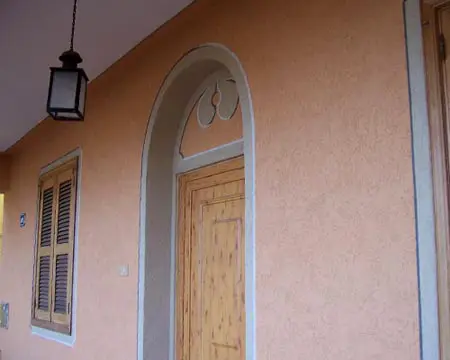
Photo 7 — Textured Koroed stucco on country house facade
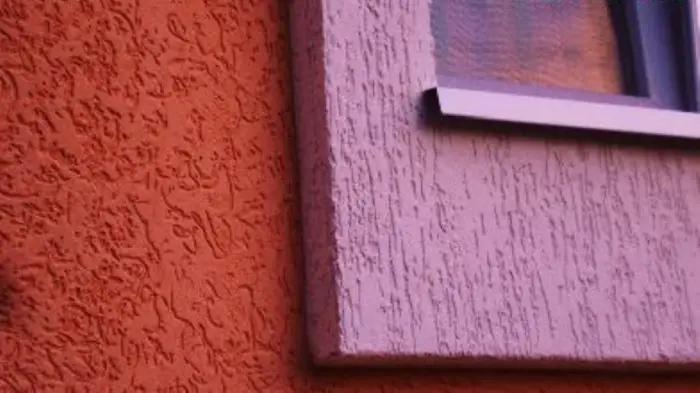
Photo 8 — Bold solution: contrasting colored stucco on facade
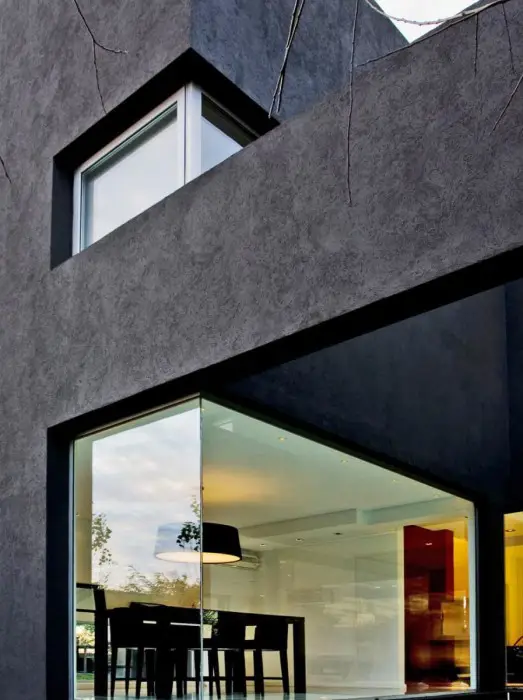
Photo 9 — Modern house facade decoration
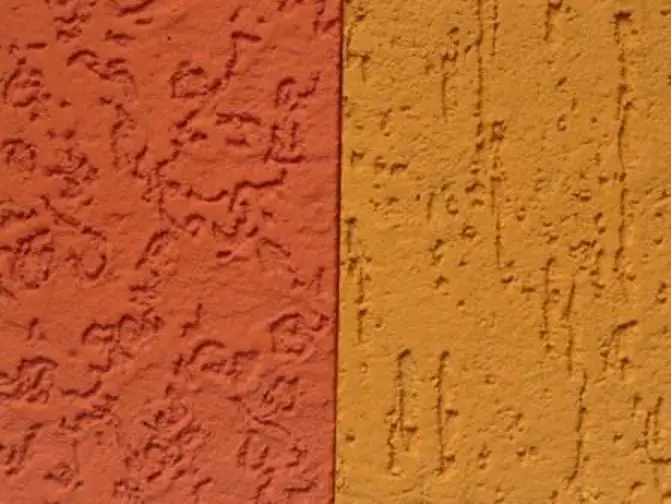
Photo 10 — Another bold color choice
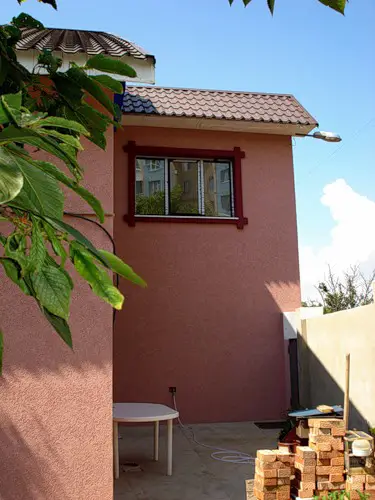
Photo 11 — House on the seaside. Vibrant textured stucco not only looks great on the facade but also protects against coastal weather
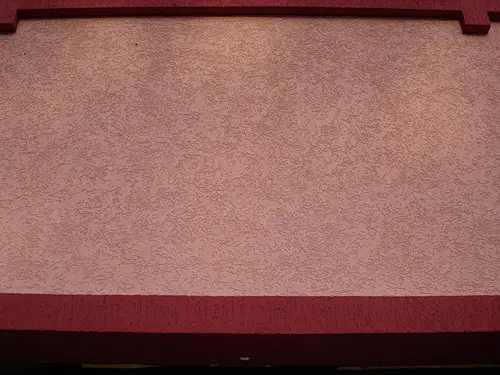
Photo 12 — House facade close-up
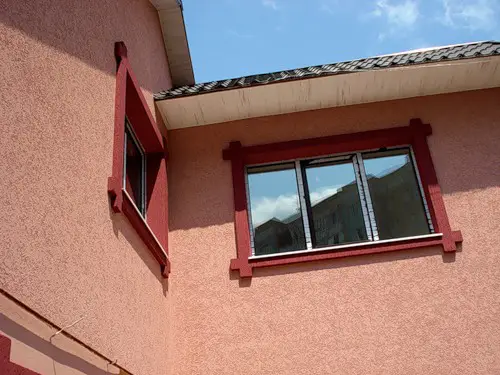
Photo 13 — Notice that both house facade and window frames are treated with textured stucco
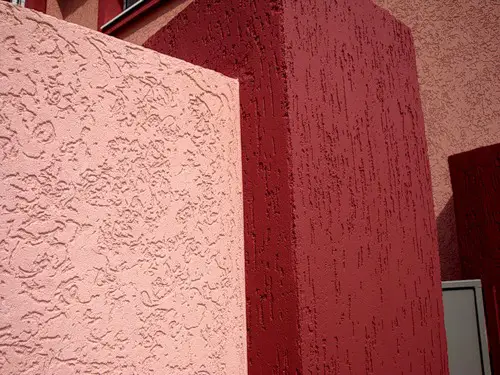
Photo 14 — Contrast close-up (window frame and house facade)
Price Comparison of Stucco from Different Manufacturers
Above we discussed Ceresit’s pricing in detail. For comparison, here are prices for other manufacturers’ products, available in any local hardware store.
- Koroed stucco "Hercules" (Russia) − $12.50/25 kg (consumption up to 5.5 kg/m², grain 3 mm);
- Koroed stucco "Bolars" (Russia) − from $17.20/25 kg (consumption 2–4 kg/m², grain 1.5 mm, 2.5 mm, 3.5 mm);
- Koroed stucco "Knauf" (Germany) − from $9.15/25 kg (consumption ~3.8 kg/m², grain 3 mm);
- Koroed stucco "Bergauf" (Germany/Russia) − from $17.20/25 kg (consumption up to 3 kg/m², grain 2.5 mm).
Before choosing, consult a specialist.
IMPORTANT: Before using any material, read application instructions (available on packaging or website). Application or base prep may vary. Online forums and customer reviews can help you decide.
Koroed Stucco: DIY Masterclass (PHOTOS)
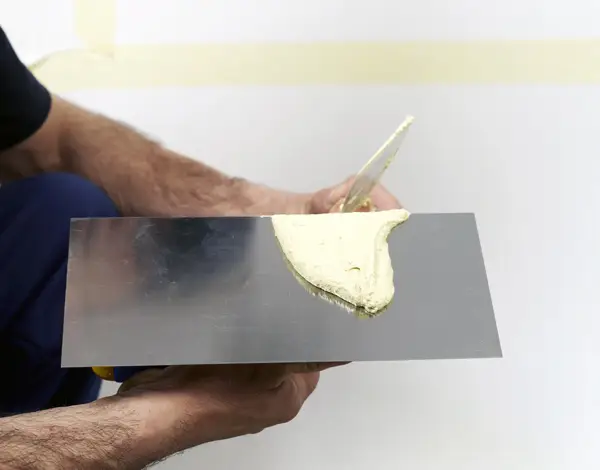
Photo 15 — Load stucco onto trowel
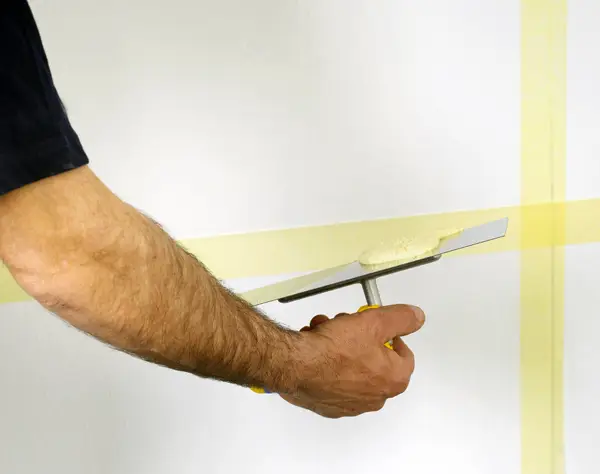
Photo 16 — For wall decoration, apply along tape-marked lines
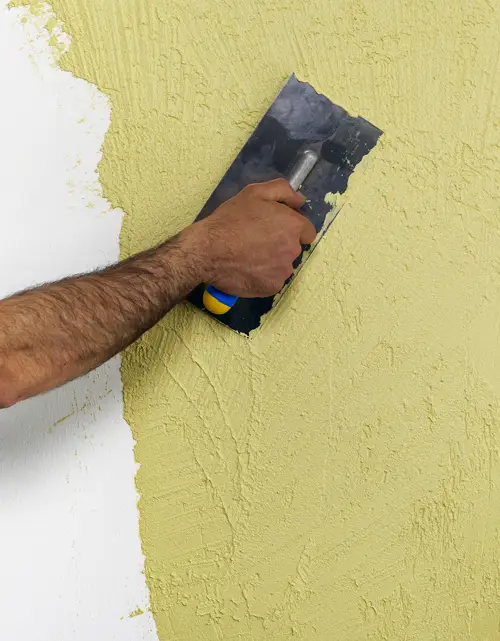
Photo 17 — Apply stucco layer slightly thicker than grain size. Apply evenly.
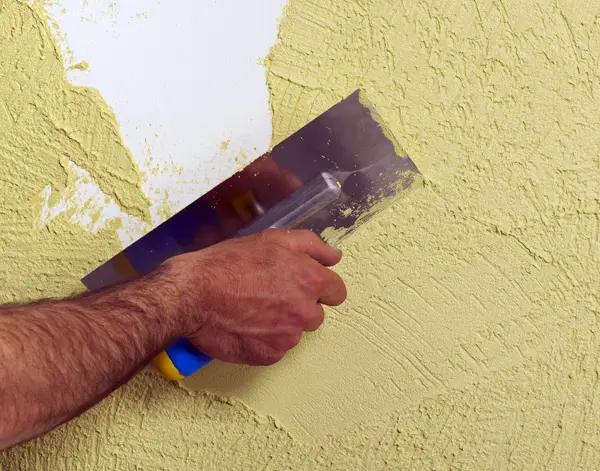
Photo 18 — Note trowel angle. Remove excess material to grain thickness.
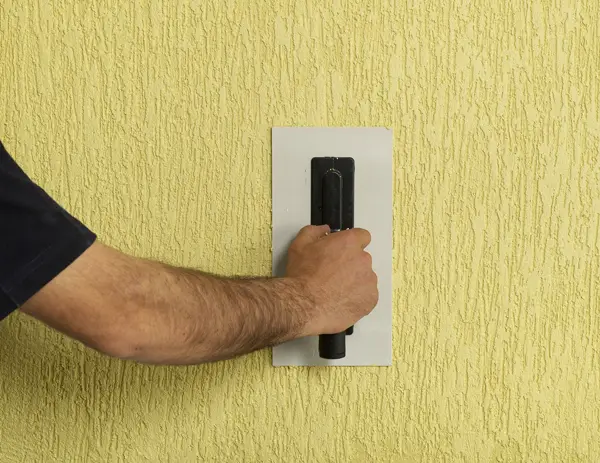
Photo 19 — Use polyurethane trowel to create texture: horizontal, vertical, or circular motions.
Other Decorative Textured Stuccos
Besides Koroed, there are also "shuba" and "barashki" types, shown below.
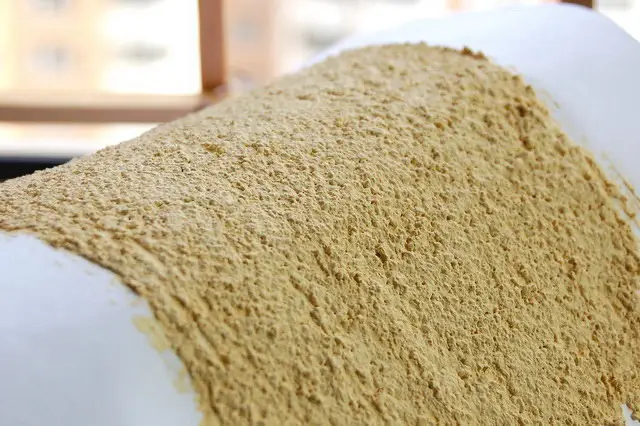
Photo 20 — Elastic facade stucco San Marco Elastomarc Intonachino (‘barashki’)
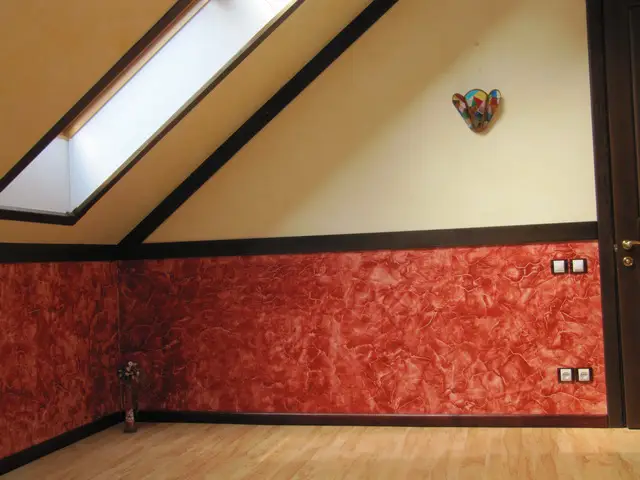
Photo 21 — Textured stucco Senideco Platre Lisse a Cirer in interior
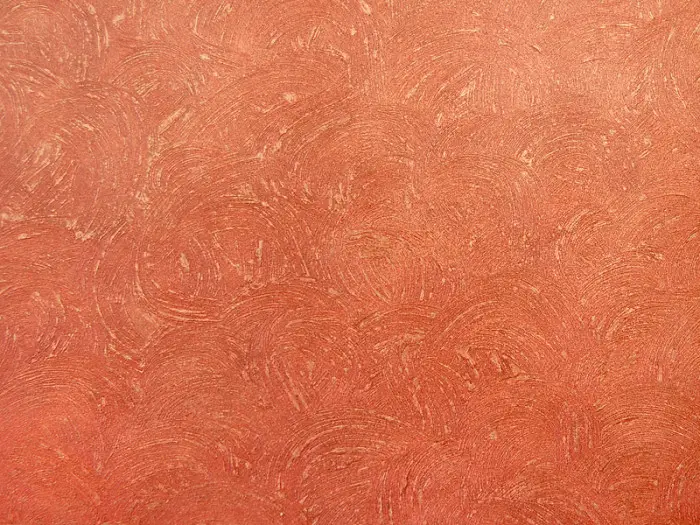
Photo 22 — Textured decorative coating San Marco Roxidan
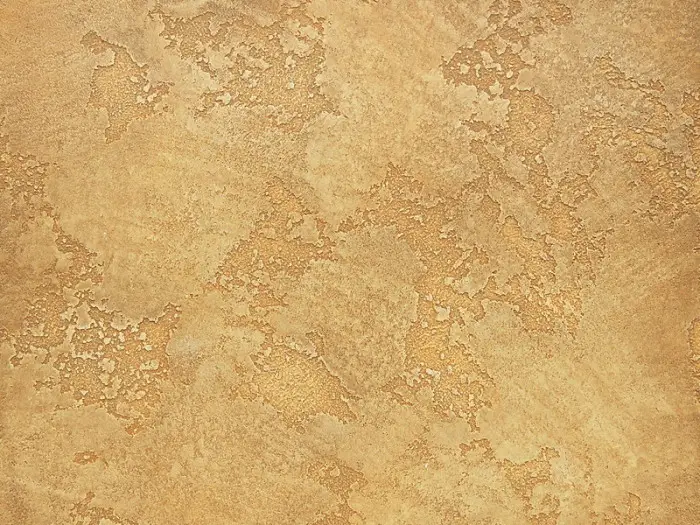
Photo 23 — Mineral stucco San Marco Intonachino Minerale
Koroed Stucco: VIDEO
Work Cost
Simple Koroed stucco application, as described, can be done DIY. If unsure, hiring professionals won’t be expensive:
- In Moscow − from 230 RUB/m²;
- In Kyiv − from 55 UAH/m².