Childroom Decoration: Colors, Furniture, Zoning, Materials
Beautiful childroom decoration is often characterized by vibrant colors. The color palette can become the main idea of the interior and a factor determining the style of the room. For children's rooms, there is an individual selection of colors that best suit organizing the interior for a child of a particular age.
Color
Beautiful childroom decoration is often characterized by vibrant colors. The color palette can become the main idea of the interior and a factor determining the style of the room. For children's rooms, there is an individual selection of colors that best suit organizing the interior for a child of a particular age.
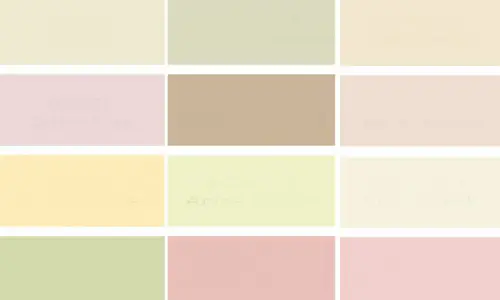
Figure 1 — Color palette used for decorating a childroom for toddlers under 3 years old
The first category, "for the youngest," includes soft pastel shades, most of which can be called neutral. These colors do not irritate the baby and have a soothing effect. For decorating large surfaces, you can choose a combination of two colors, and another two to be selected for the child's textiles — soft furniture, curtains, floor covering, baby bedding.
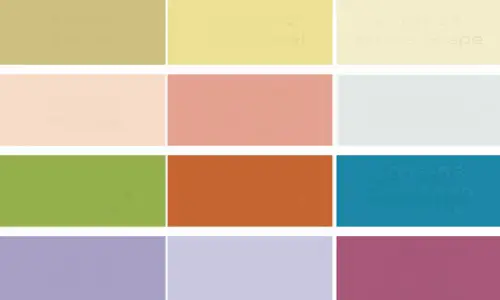
Photo 2 — Color palette used for decorating a childroom for children aged 3 to 11 years
For decorating the room of older children, you can use the same colors in more saturated shades.
IMPORTANT! Bright colors can distract from studying or sleeping, so it's better to decorate these zones sparingly, and let all the colorfulness go into the play zone.
Furniture
The best furniture for a childroom is a transformer, i.e., furniture that will "grow up" and change shape as the child grows and matures. For example, a crib for a newborn can easily transform into a changing table or a small sofa.
This applies not only to furniture for sleeping areas, but also to furniture for the working zone: chairs and tables should be adjustable in height according to the child's growth.
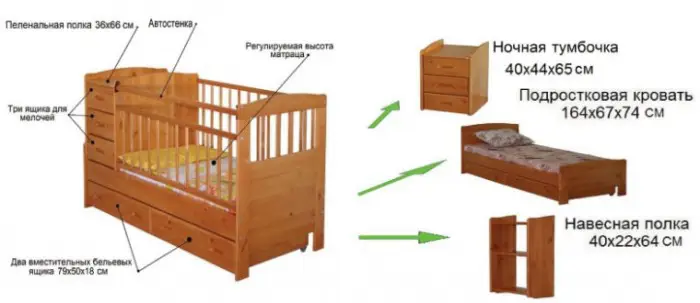
Diagram 1 — Example of transformer furniture
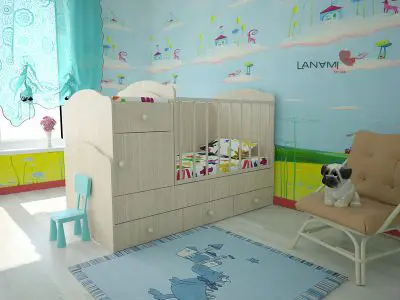
Photo 1 — Transformer furniture for a childroom in interior design
The type of furniture for a childroom is an important factor in forming the child's interests, showing creative talents, and developing non-standard thinking. For example, with minimal additional costs, you can turn an ordinary bunk bed into a cozy little house (by adding curtains like windows), or make a royal bed from a regular one.
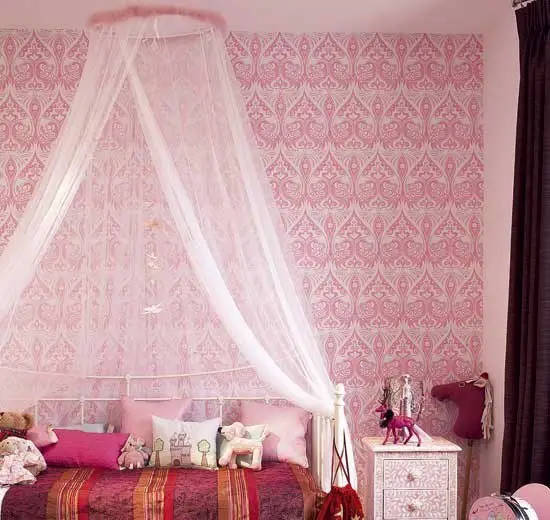
Photo 2 — Decorating a childroom for a girl
Zoning
As the child grows, new zones should appear in the room.
For example, a preschooler might only need a relaxation zone and a play zone, while school-age children already need a full workspace, a zone for storing books and educational materials, and clothing.
Special attention deserves the window area and the lightest zone of the room. Here, you can combine a play zone and also set aside space for parents to spend time in the child's room.
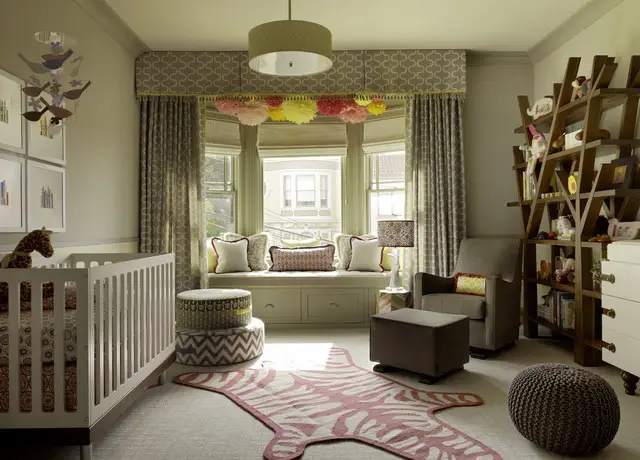
Photo 3 — Room zoning for a newborn (sleep zone, storage zone for the child's things, parents' relaxation zone)
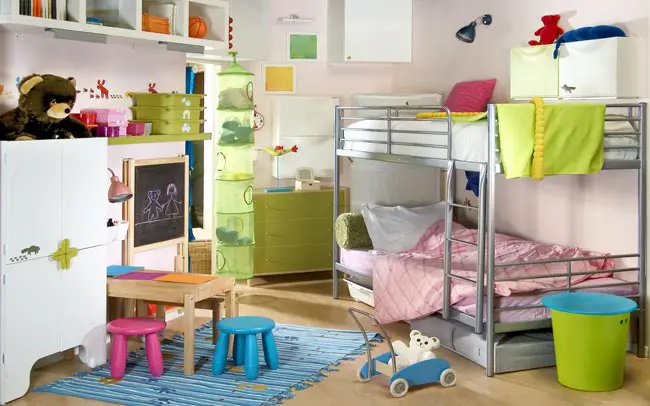
Photo 4 — Room zoning for a preschooler (relaxation zone, play zone, storage zone for the child's things)
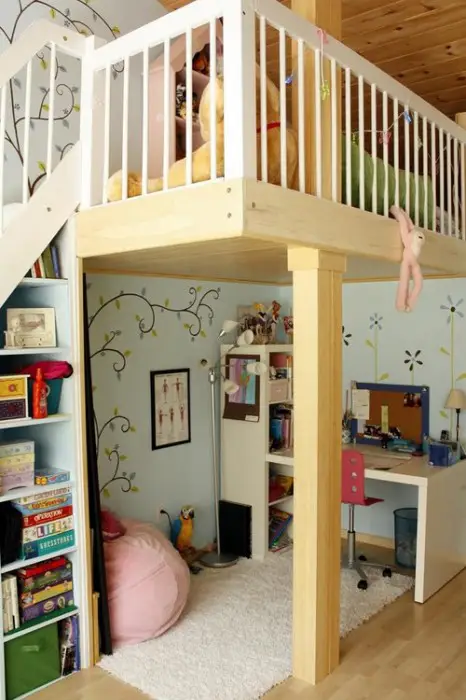
Photo 5 — Room zoning for a school-age child (sleep zone, play zone, workspace, storage zone)
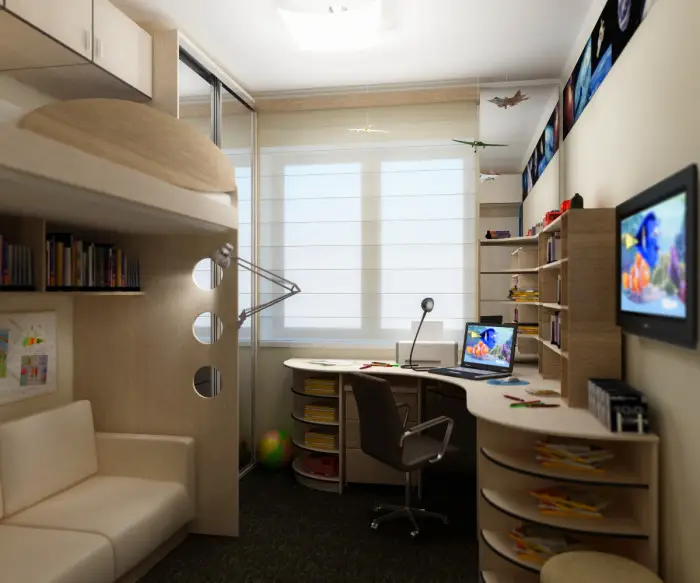
Photo 6 — Room zoning for a teenager (sleep zone, leisure zone, storage zone, workspace)
Materials
Furniture made of solid wood for a childroom is rarely seen today due to its excessive bulk and relatively high cost.
The most popular material today is particle board with a laminate or melamine surface (1.5–3 cm thick).
The surfaces of furniture in a childroom should be as flat and smooth as possible (preferably with rounded edges). A reliable material for wall finishing is paint or durable wallpaper. One wall (partially or entirely) can be covered with a school board (as shown in the photo below). This is one of the options that allows moving wall art from the entire room surface to a single panel. Moreover, it's an excellent developmental game for the child: it trains writing skills, drawing techniques, and imagination. With such a board, you can easily play "school" games: solving math problems and tasks, role-playing as a teacher and student not only with peers but also with parents.
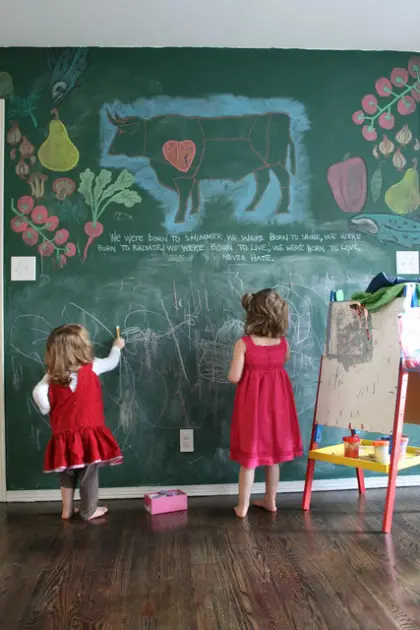
Photo 7 — Wall finishing in a childroom using a school board
Decoration
Decorative elements, in general, can be any item: child's framed pictures, the most beautiful dolls neatly arranged on shelves, plush bears, and thematic decorative stickers on the walls.
Beautiful Children's Rooms (PHOTOS)
Before decorating a childroom in a particular style for a school-age child, ask for their opinion first. Even very beautiful things in your view may not appeal to the child at all. Therefore, such a conversation benefits everyone: the child will feel comfortable in the new room, and you, finally, will finish the renovation.
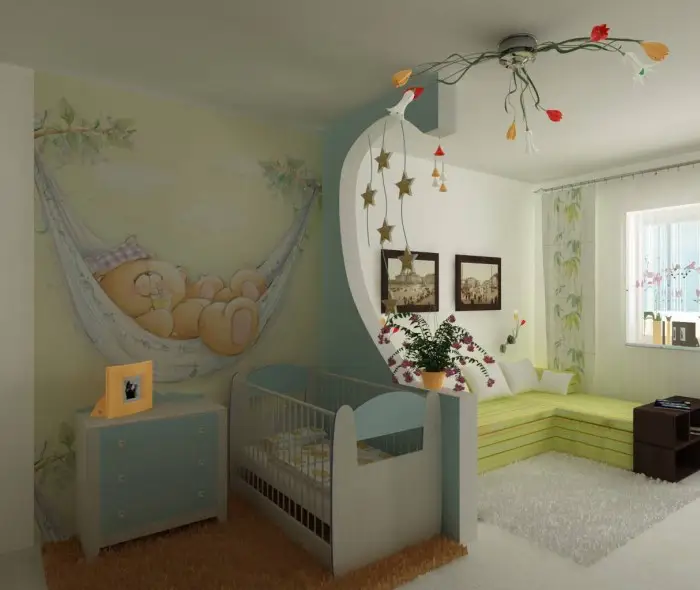
Photo 8 — Design of a childroom for a newborn
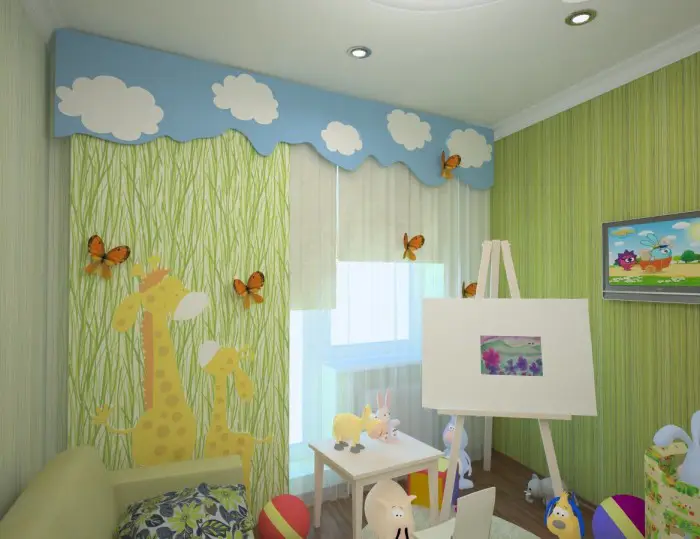
Photo 9 — Design of a childroom for a preschooler
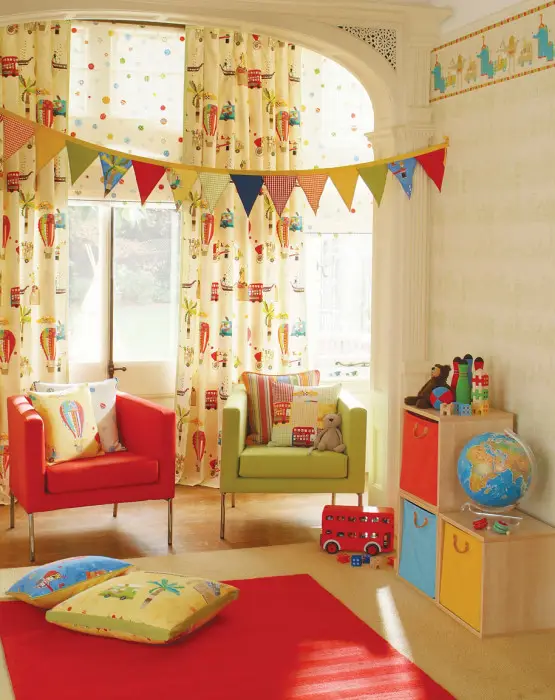
Photo 10 — Design of a childroom for a school-age child
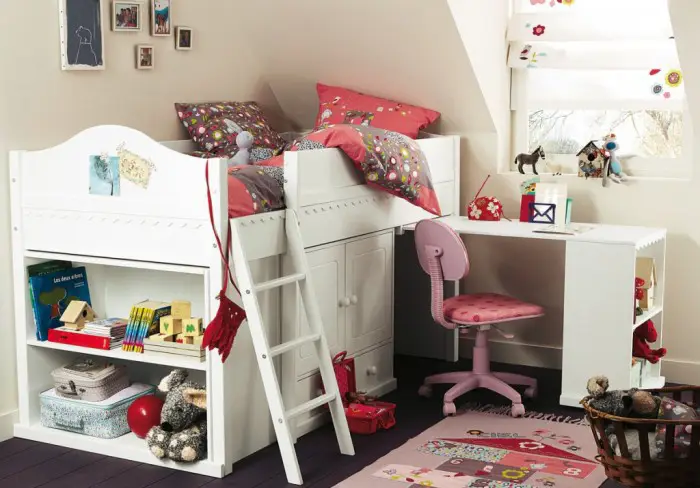
Photo 11 — Design of a childroom for a school-age child
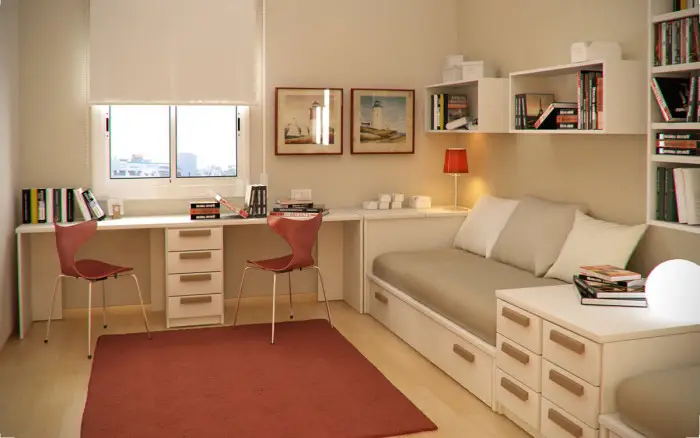
Photo 12 — Design of a school-age child's room