Terrace Area by TEAM_BLDG: Revitalizing a Former Waterworks Factory in Hangzhou as a Mixed Living and Working Space
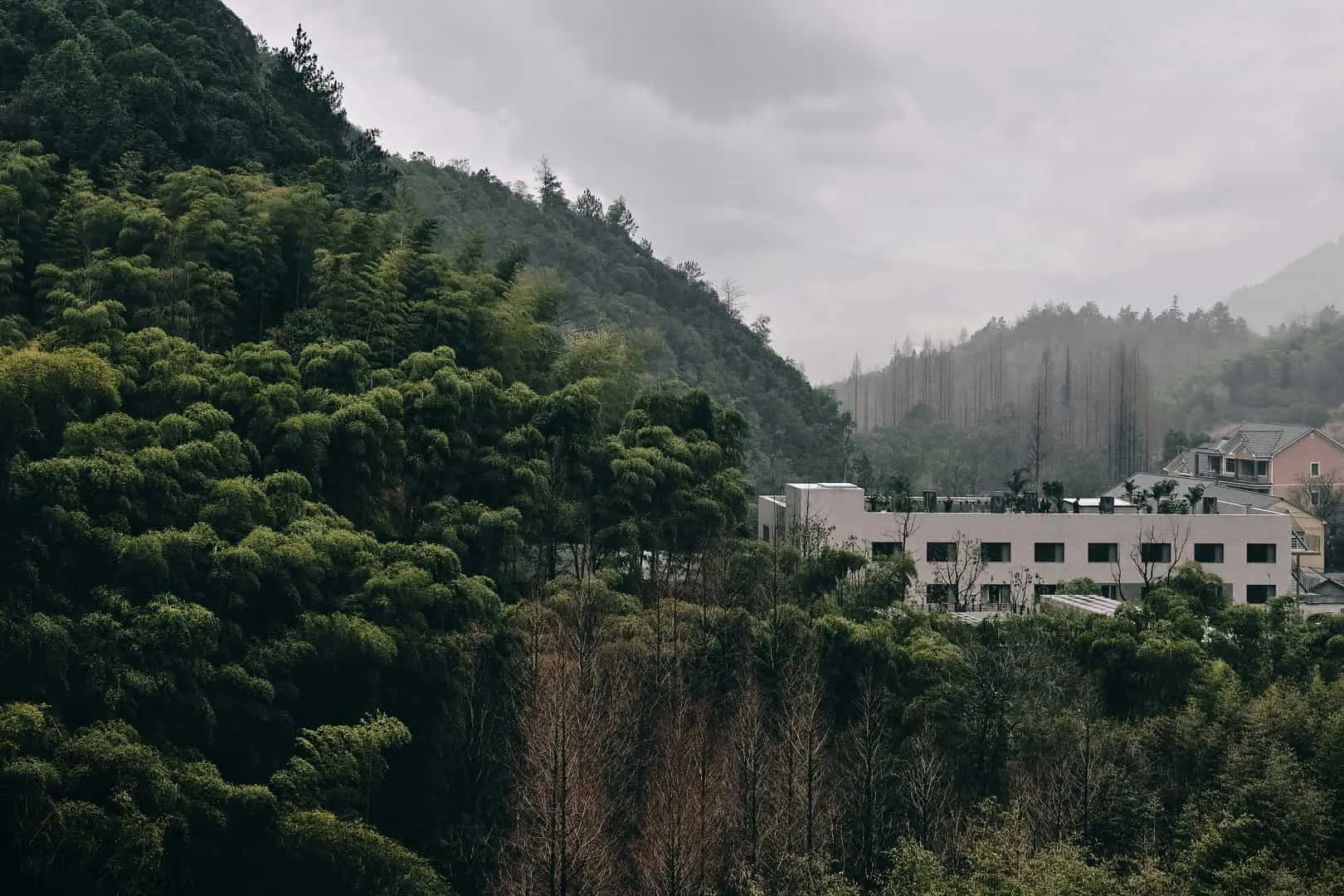
In 2021, TEAM_BLDG transformed the long-abandoned Longwu Waterworks Factory in Qingshan Village, Hangzhou, into Kospace Qingshan, a mixed-use center spanning 21,883 square feet designed for housing, work, exhibitions, and leisure. Named the Terrace Area, this project rethinks rural architecture, offering a model of shared living and working, connecting local residents with new inhabitants while strengthening the village's cultural and social structure.
Context: Between Tradition and Change
Qingshan Village, in the Yuhang district of Hangzhou, has almost entirely replaced traditional houses with new standalone villas. Though few historical buildings remain, the natural settlement structure along the river is preserved, surrounded by fields, bamboo groves, and Longwu Lake. This landscape influenced the architects’ approach—creating spaces that feel both natural and public, meeting the dual need for environmental integration and creating a “real place” rooted in daily life.
Design Concept: Terraces and Greenhouses
The former industrial complex consisted of a three-story timber-frame main building with attached entrances. TEAM_BLDG reimagined this industrial heritage into a layered architectural and landscape system:
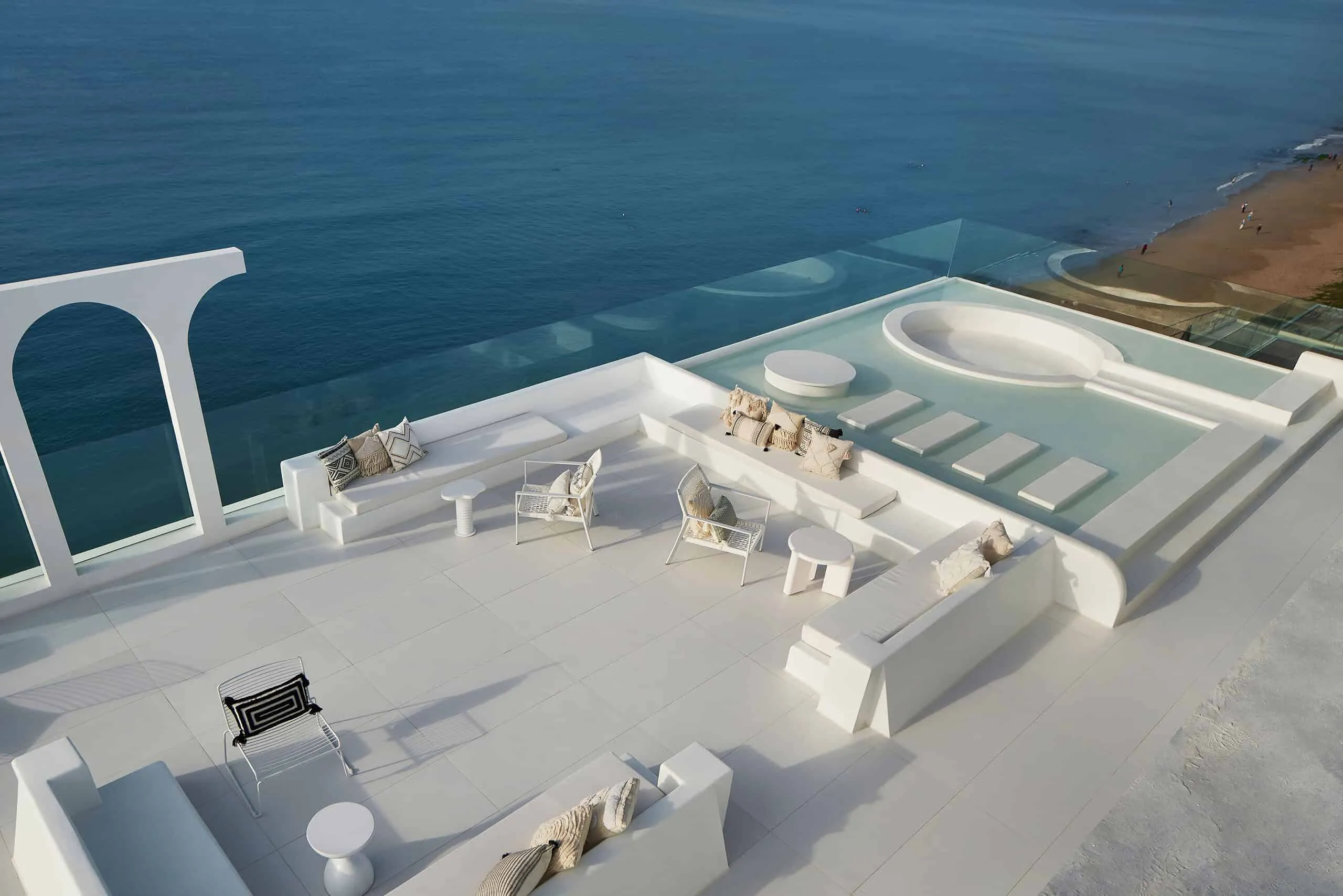
Terrace Roofs: Original entrance blocks were extended to stepped terraces 0.75 meters high, forming a figure of "回" (a Chinese character meaning loop or circle). These include garden zones, relaxation areas, and walkways, allowing residents to grow vegetables and herbs while fostering social interaction.
Mobile Garden Shelves: Over sixty modular planters on the roof create flexible garden and meeting groups, enhancing community life.
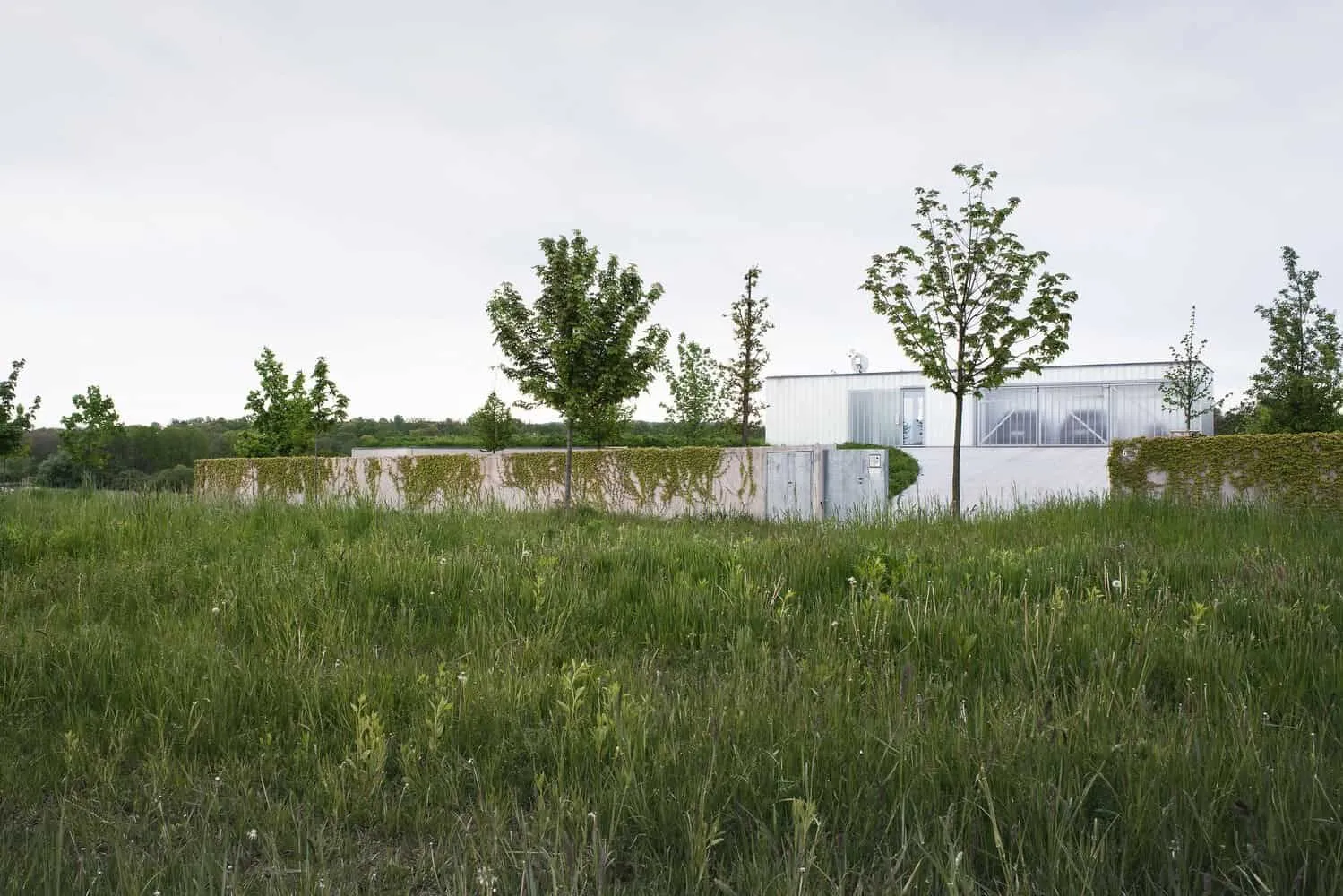
Exhibition Greenhouse: A 7-meter polycarbonate greenhouse built into the main structure serves as the heart of the project. It acts as an exhibition space themed around water, with natural light refracting through sloped windows, creating changing atmospheres.
This approach reflects the village’s agricultural spirit, adapting industrial structures to new public functions.
Interior Design: Flexibility and Shared Living
The 23 guest rooms on the upper floors accommodate both long-term and short-term stays, while common areas encourage openness and adaptability:
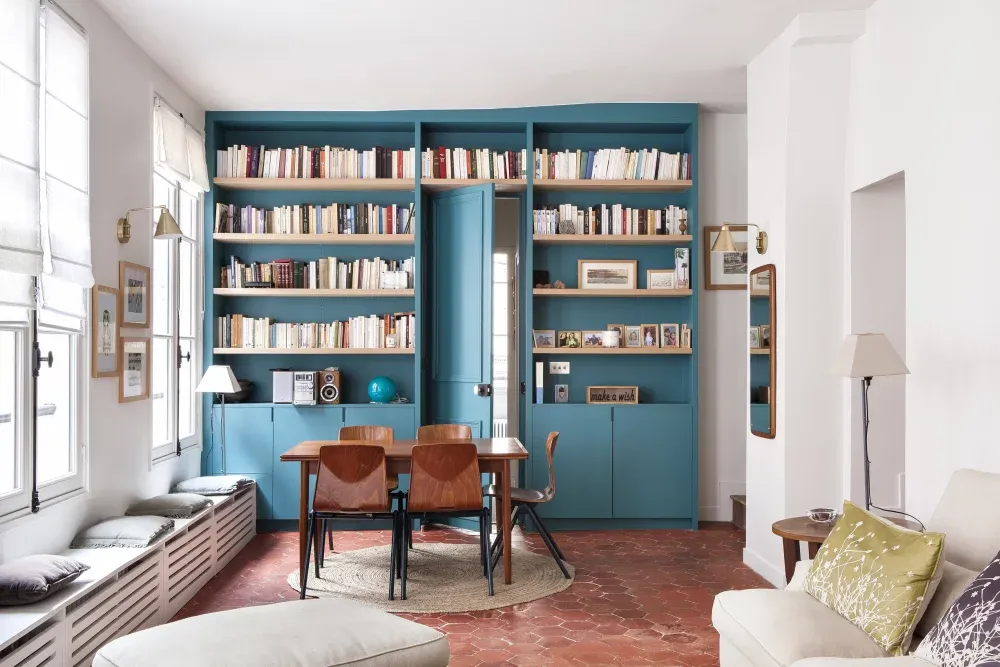
First Floor: A shared exhibition hall, common office, and reading room visually connected by a living green wall. Open layouts promote free use and self-organization among residents.
Semi-Enclosed Cabins: Private rooms in a “station-style” layout are placed along movement paths, offering moments of solitude within a communal setting.
Conference and Workshop Spaces: Minimal partitions, glass displays, and levels create spatial variation without rigid boundaries, supporting a blend of work, leisure, and social activity.
Area: A Gathering Place for All
The center features an open courtyard, anchored by three large Sapium trees providing shade and seasonal changes. A small bluestone pool reflects light and motion, creating an outdoor stage for interaction and community events. The design emphasizes that trees bring people together, making the space a social heart of the project.
Construction Approach: Low-Tech and Local
Building in a rural setting required balancing cost, craftsmanship, and adaptation. TEAM_BLDG focused on low-tech methods, local materials, and hand-finishing. For example:
Exterior walls were finished with textured paint in shades reminiscent of red soils surrounding the hills.
Original factory lanterns were restored and reused.
Furniture and interior elements were specially designed for the project, integrating local wood and handmade craftsmanship.
This process fostered continuity between design, construction, and local skills, ensuring authenticity and harmony with the environment.
The Terrace Area by TEAM_BLDG demonstrates how adaptive reuse can revitalize rural communities, transforming an abandoned waterworks factory into a vibrant space that blurs the boundaries between housing, work, and leisure. Combining terrace landscapes, exhibition greenhouses, and public areas, the project creates flexible architecture rooted in nature, enhancing both social connections and cultural identity.