Space Project UID in Japan
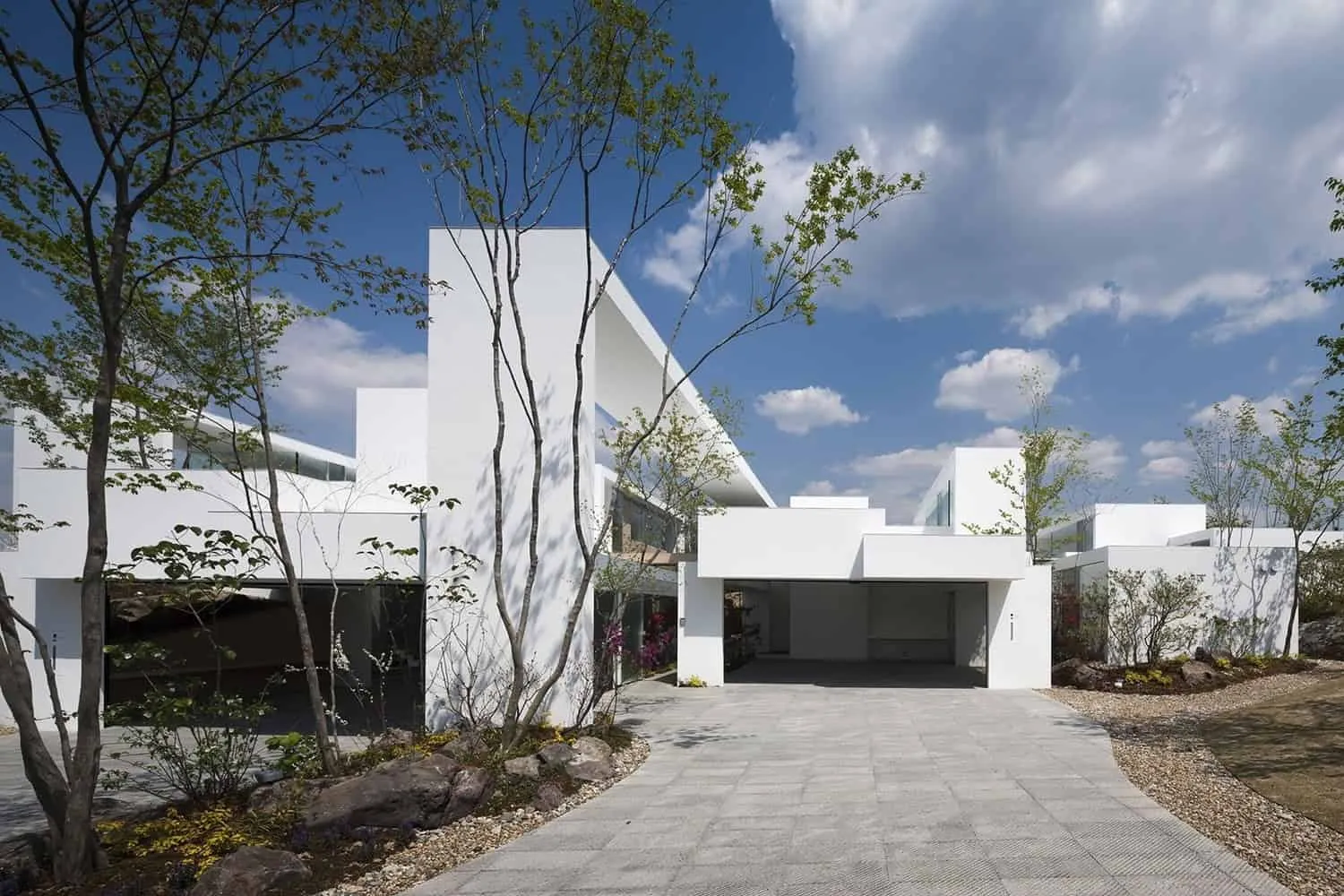
Project: Space Architects: UID Location: Japan Area: 6,576 sq ft Photos: Hiroshi Ueda
Space Project UID
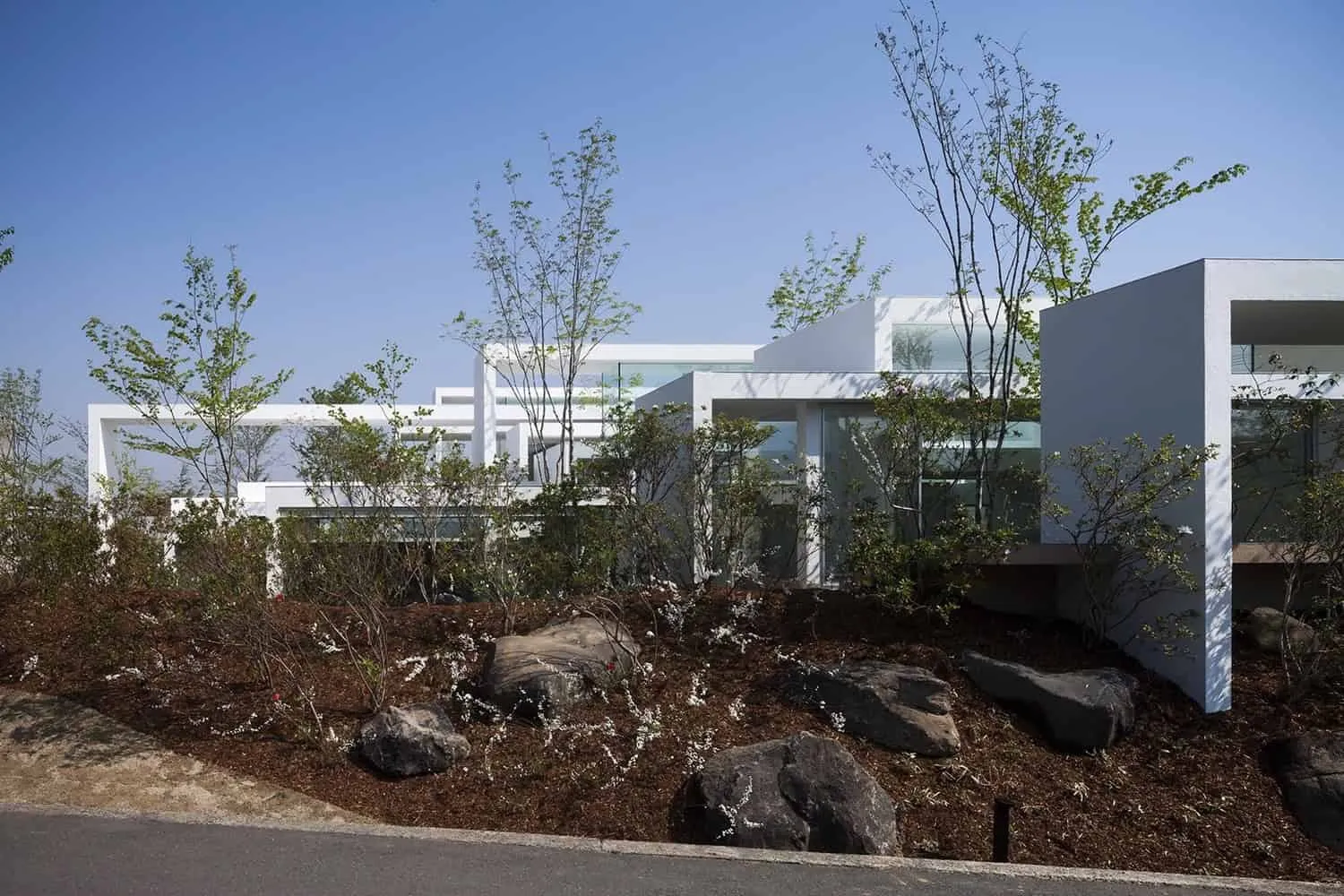
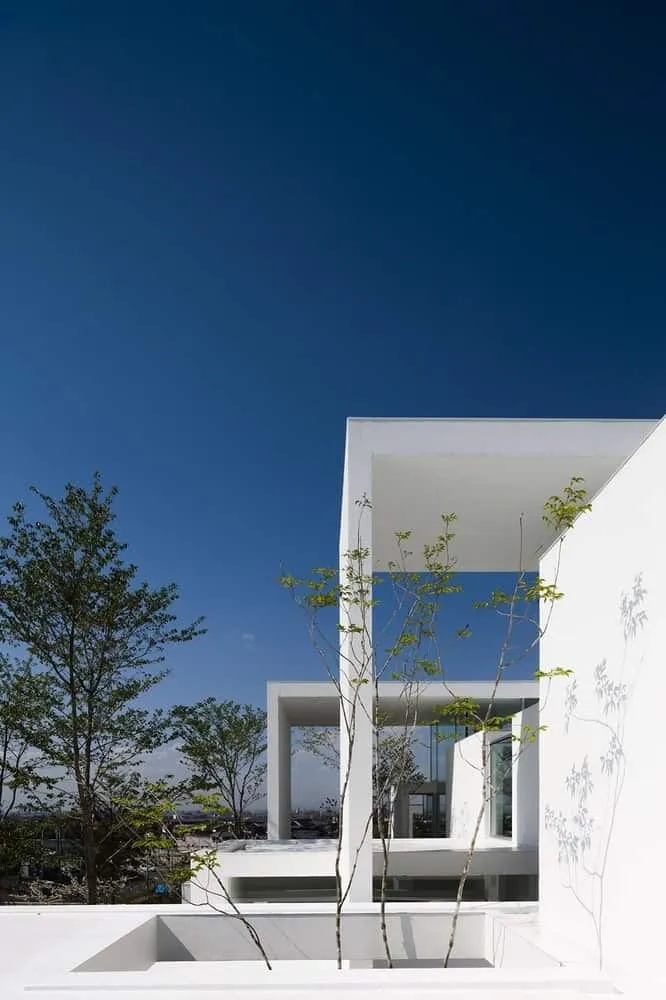
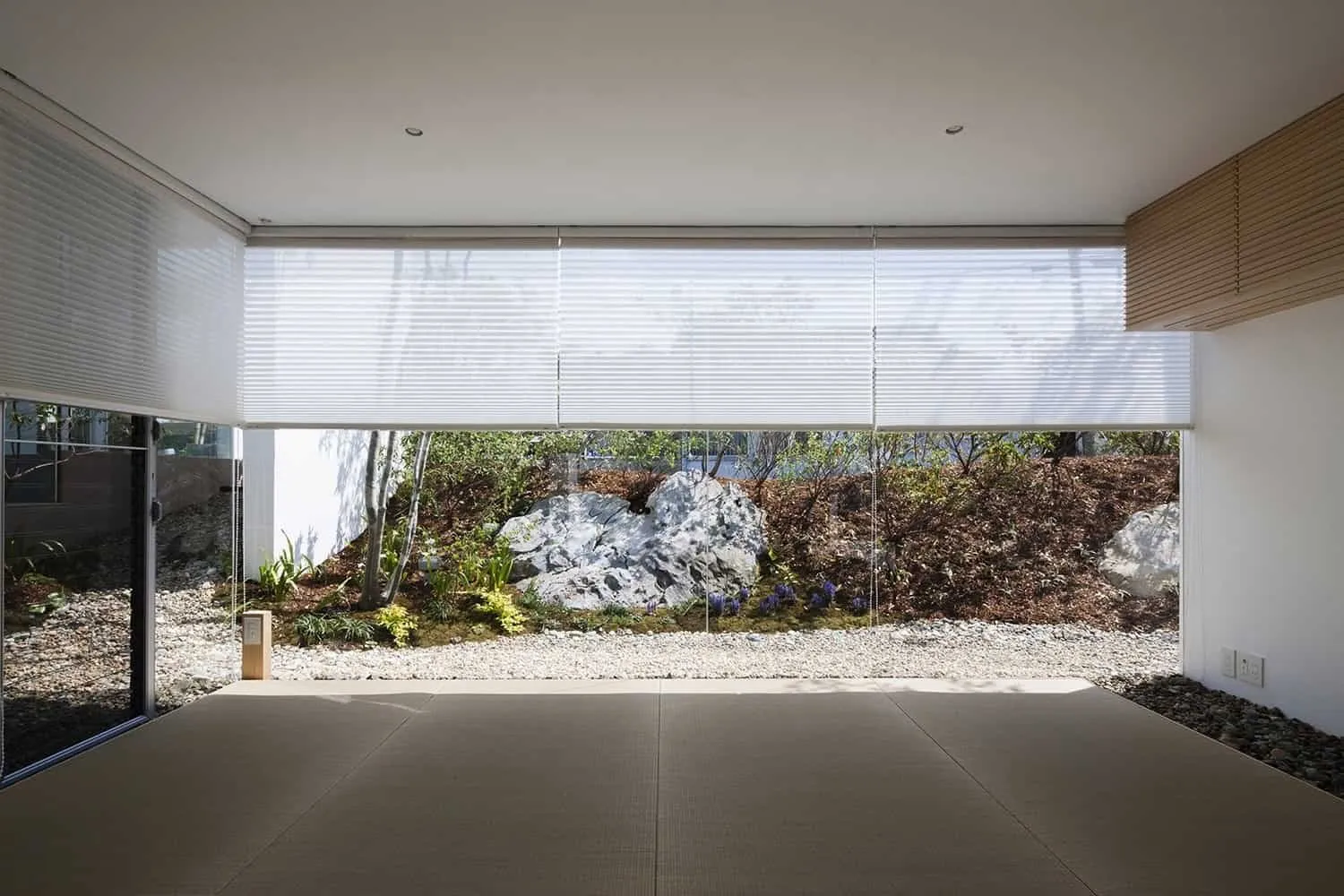
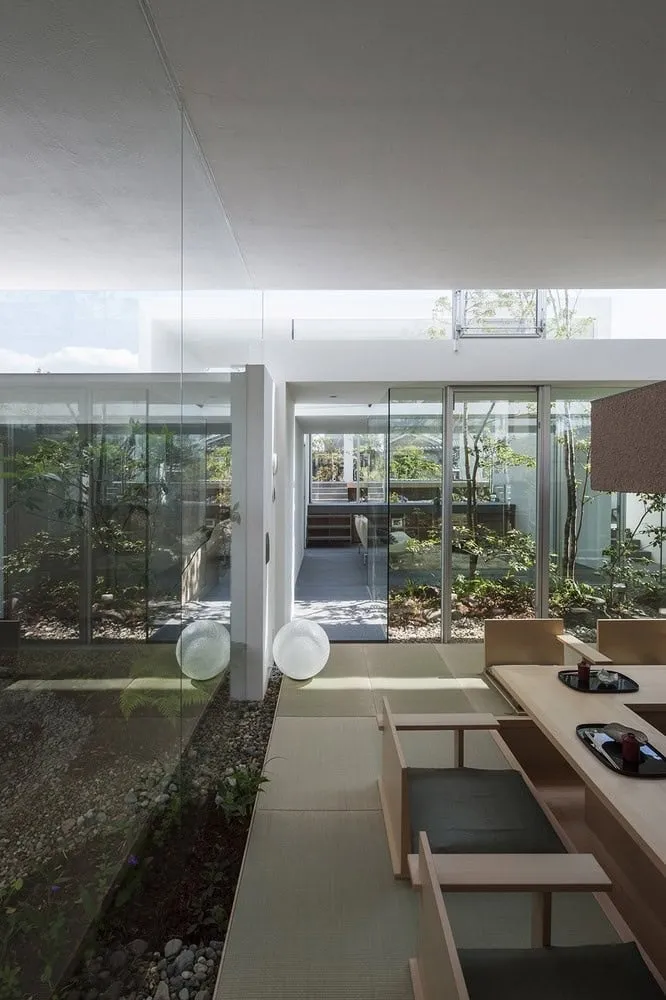
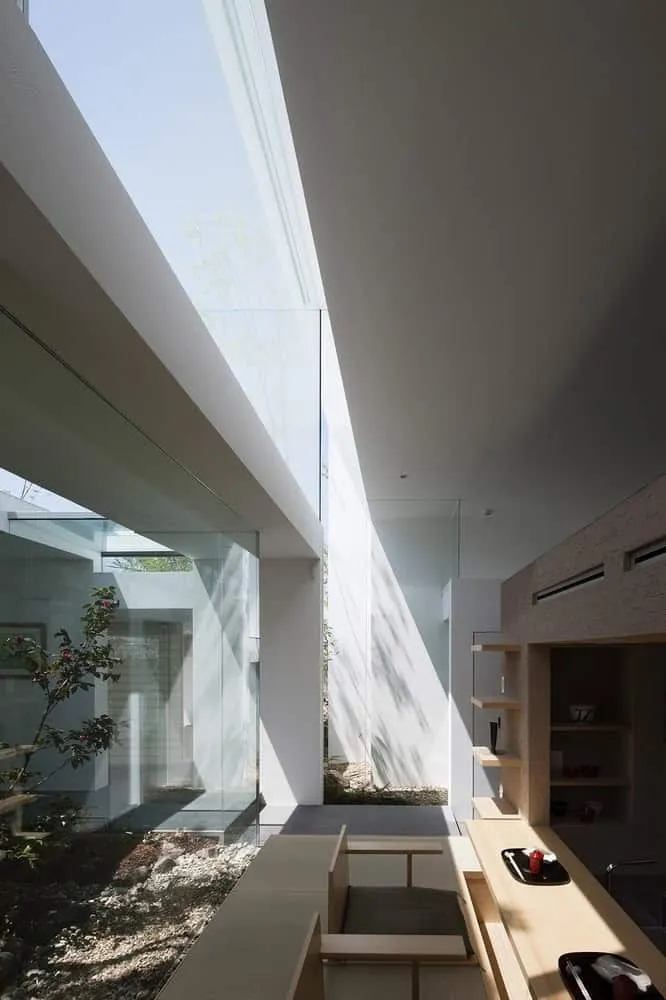
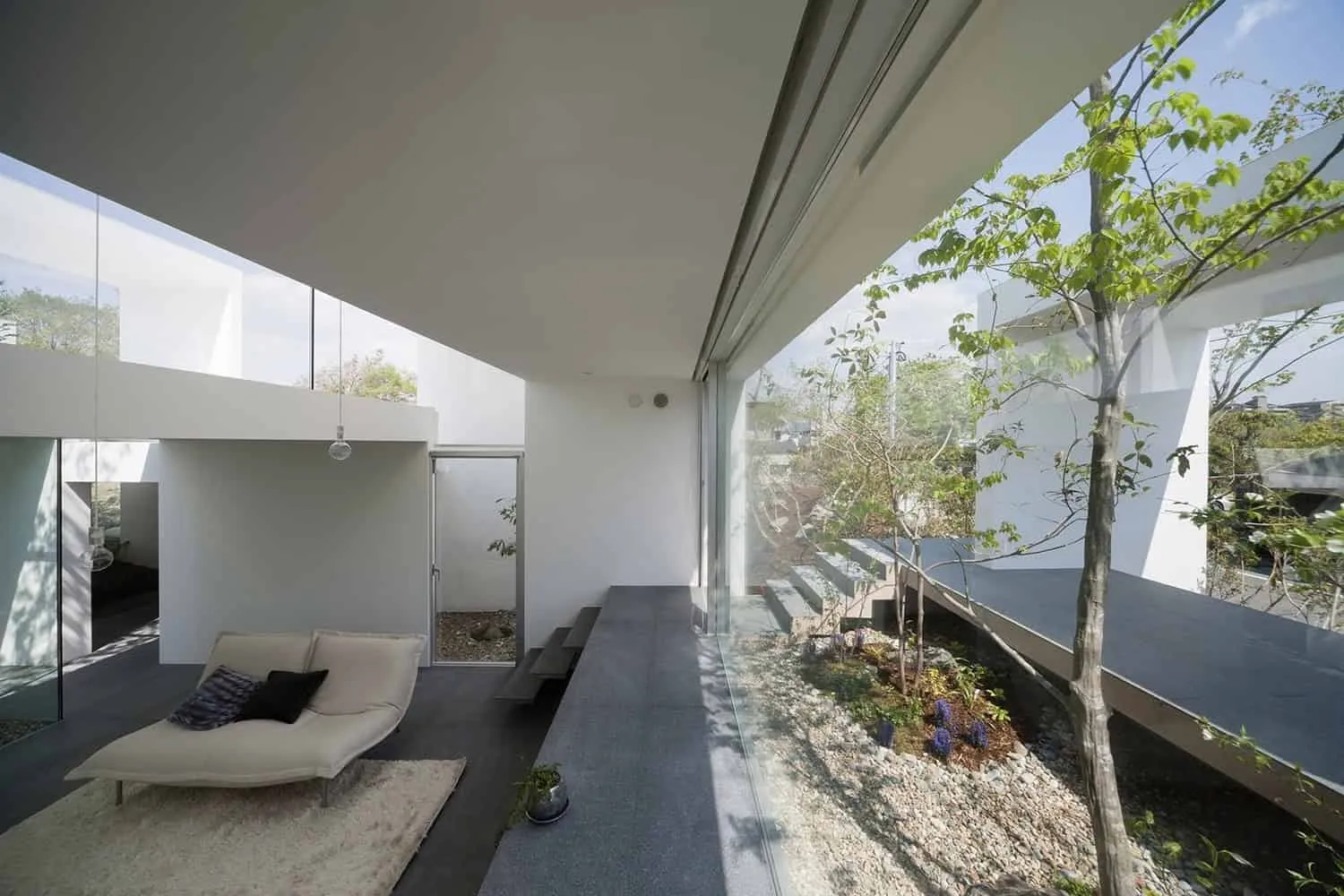
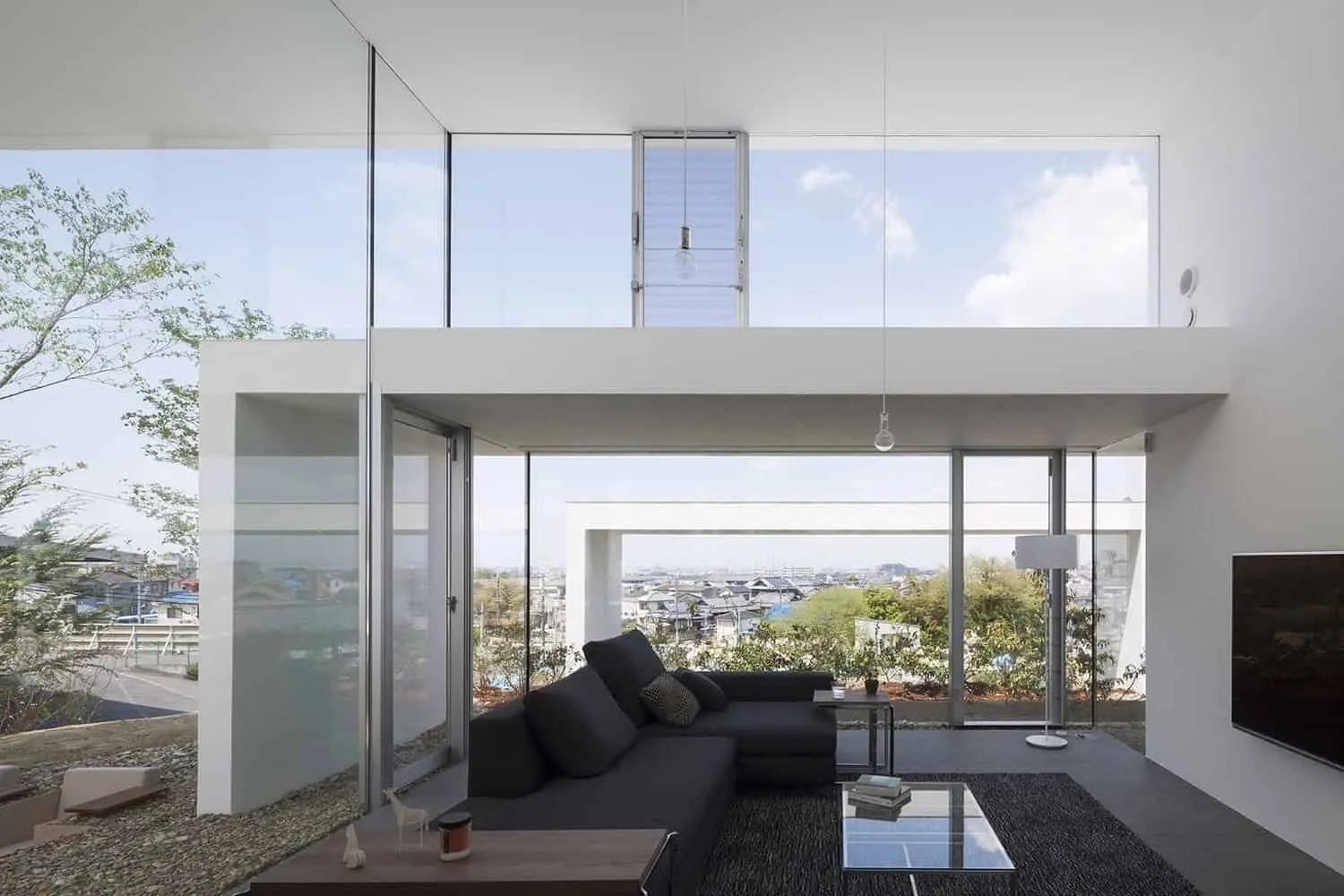
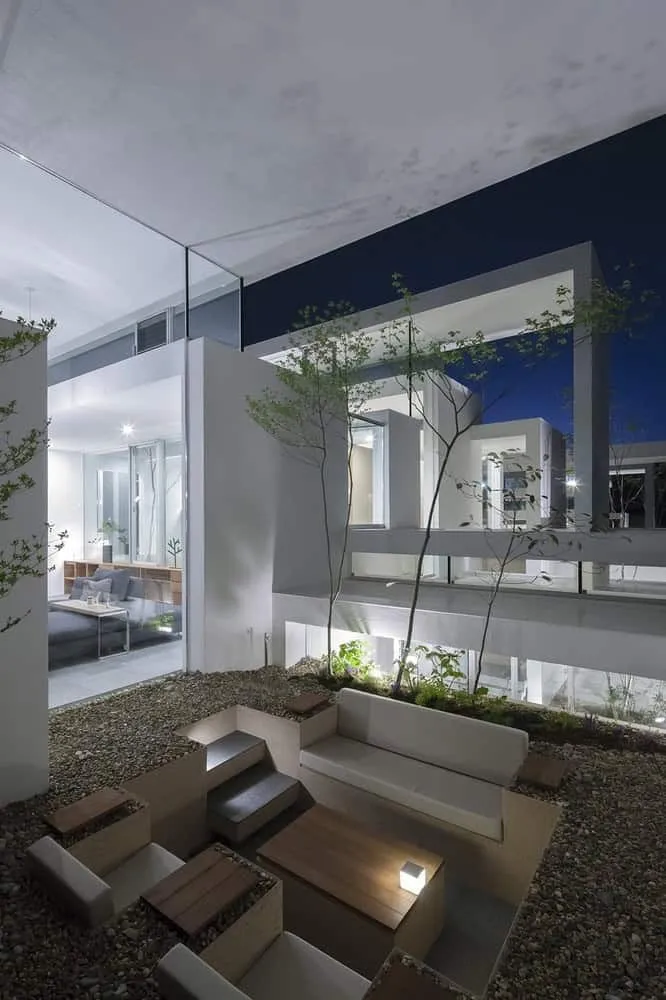
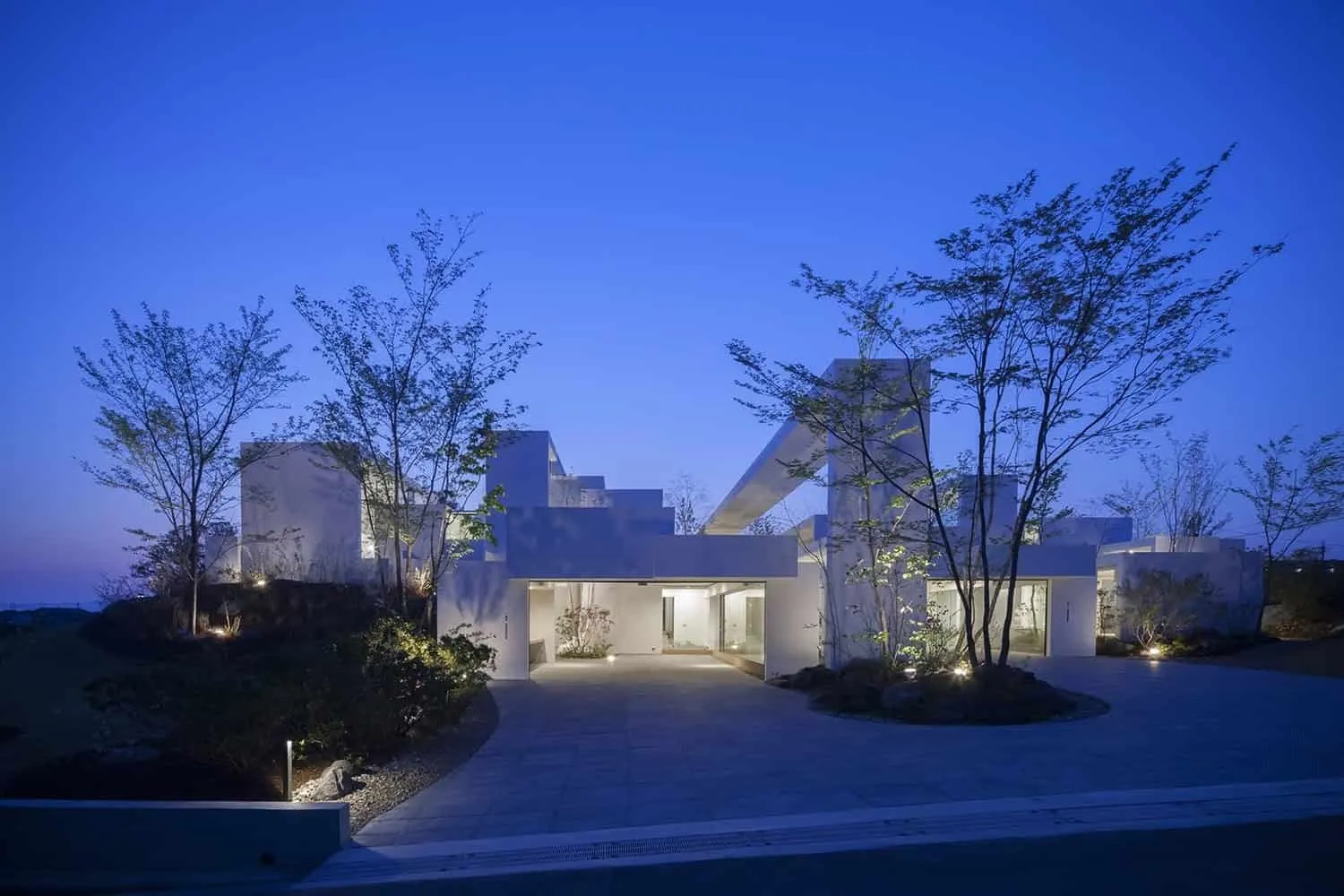
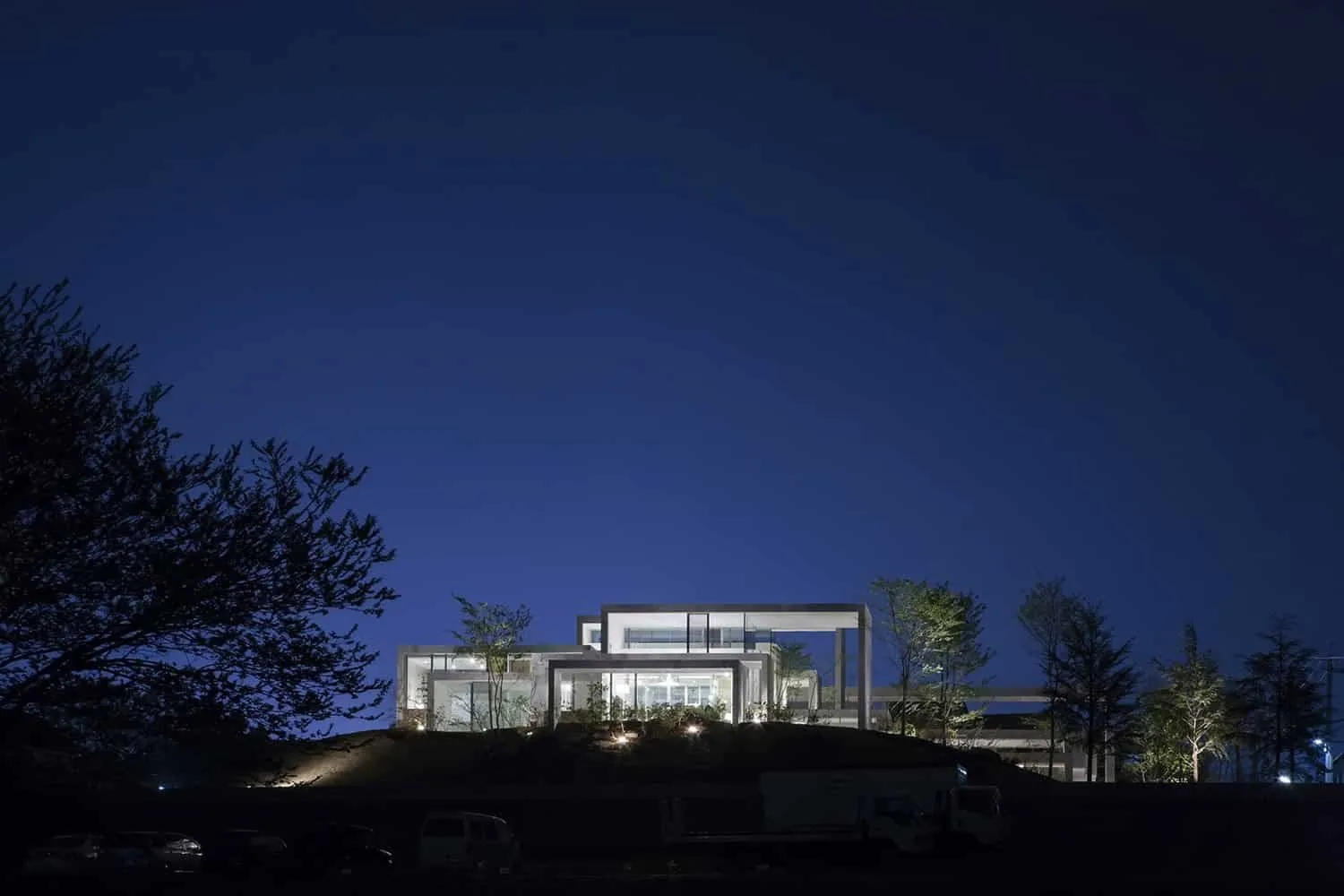
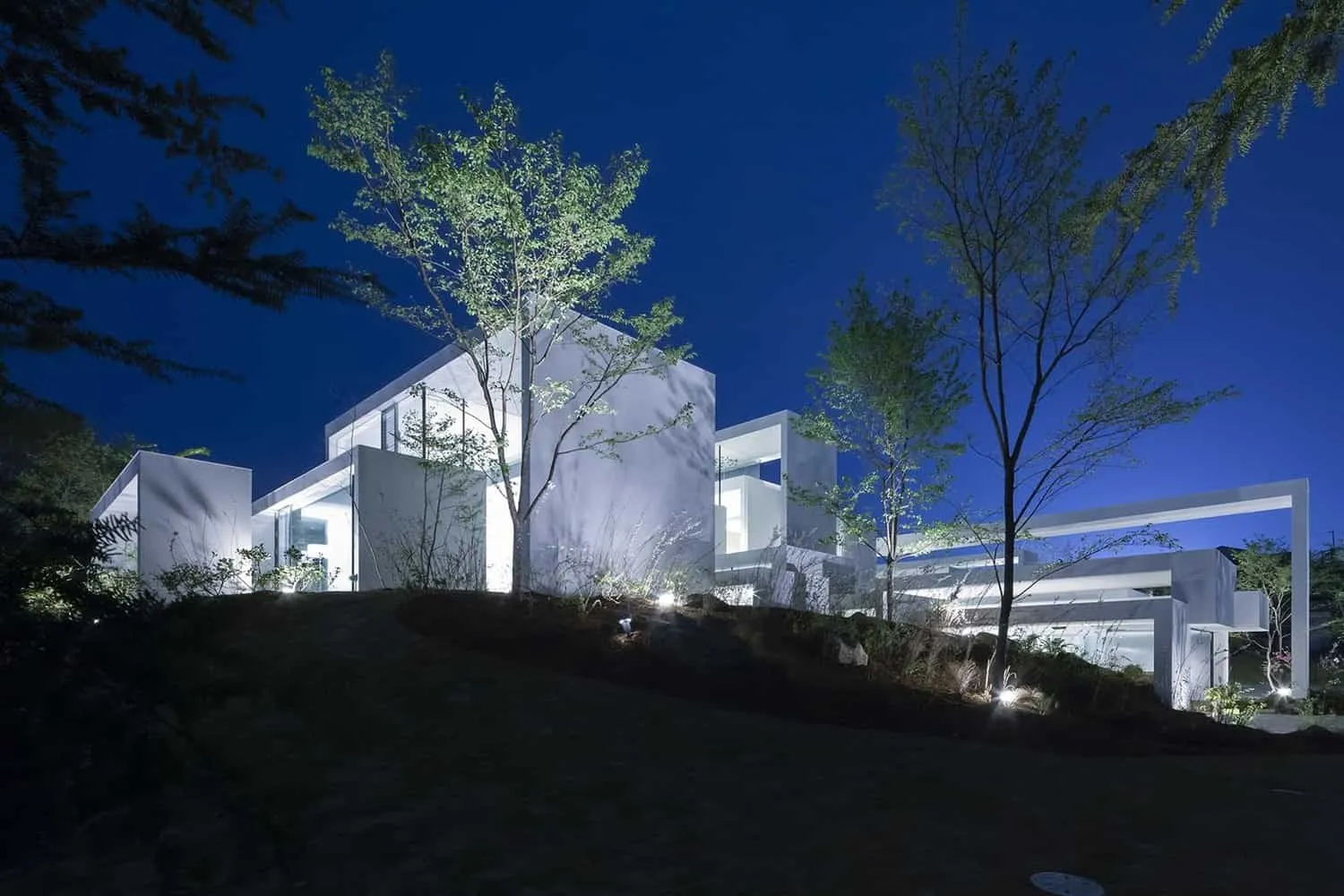
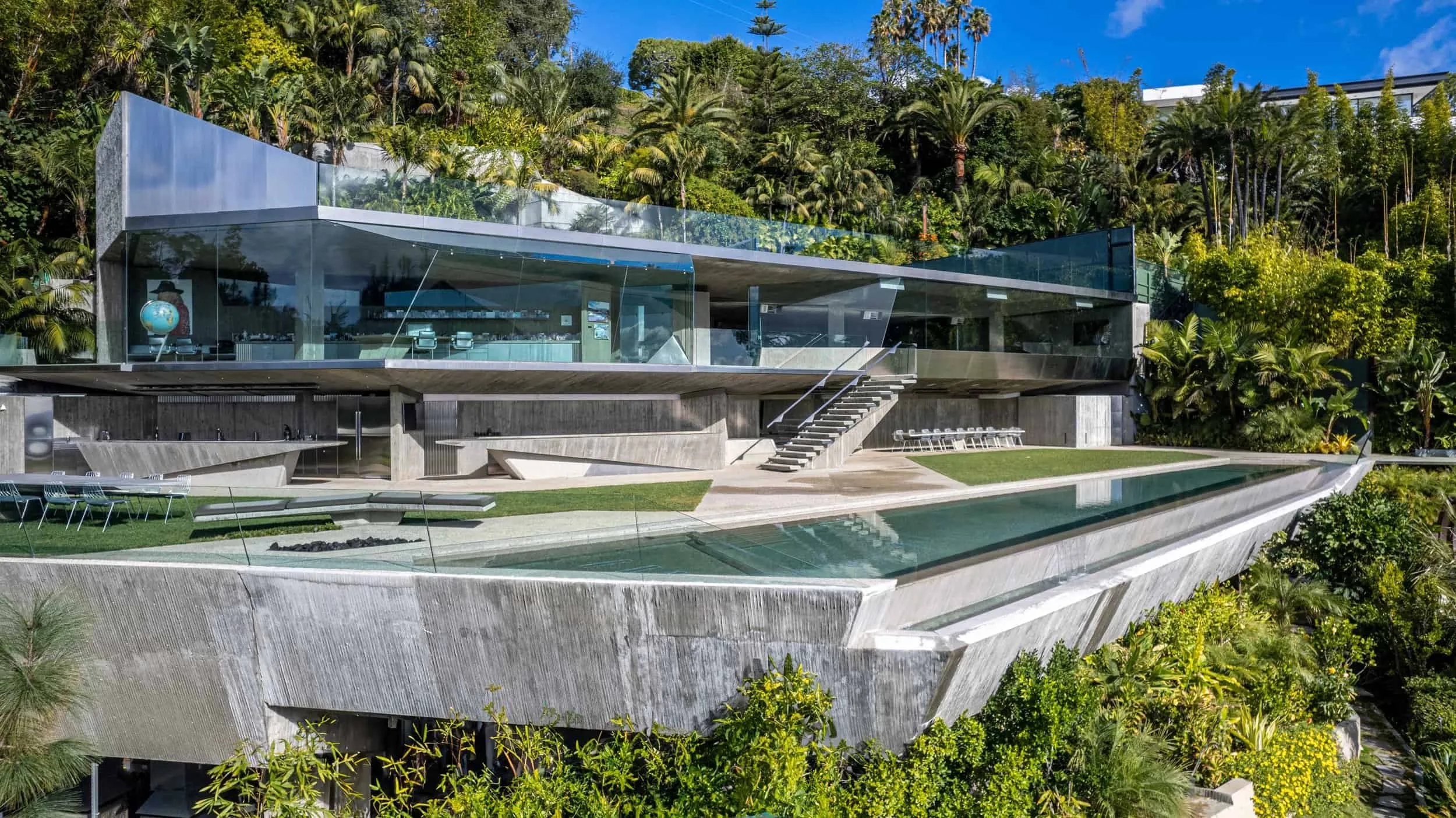
The Space project, developed by UID in Japan, explores the concept of housing as an interactive ecological environment connecting people, living beings, and the constantly changing natural landscape. Emphasizing the relationship between the site and its natural surroundings, the project creates a space that smoothly transitions from the slope of the hill. Instead of limiting spaces with traditional walls and roof, the design uses cloud-like screens that protect from solar and lunar light, forming an expansive and boundless space without boundaries.
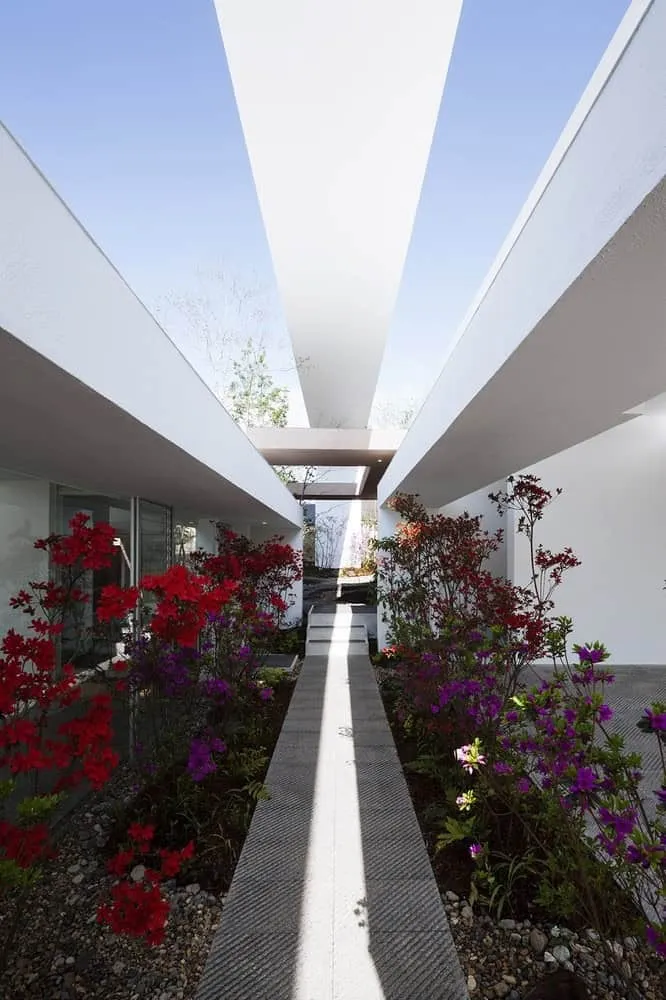
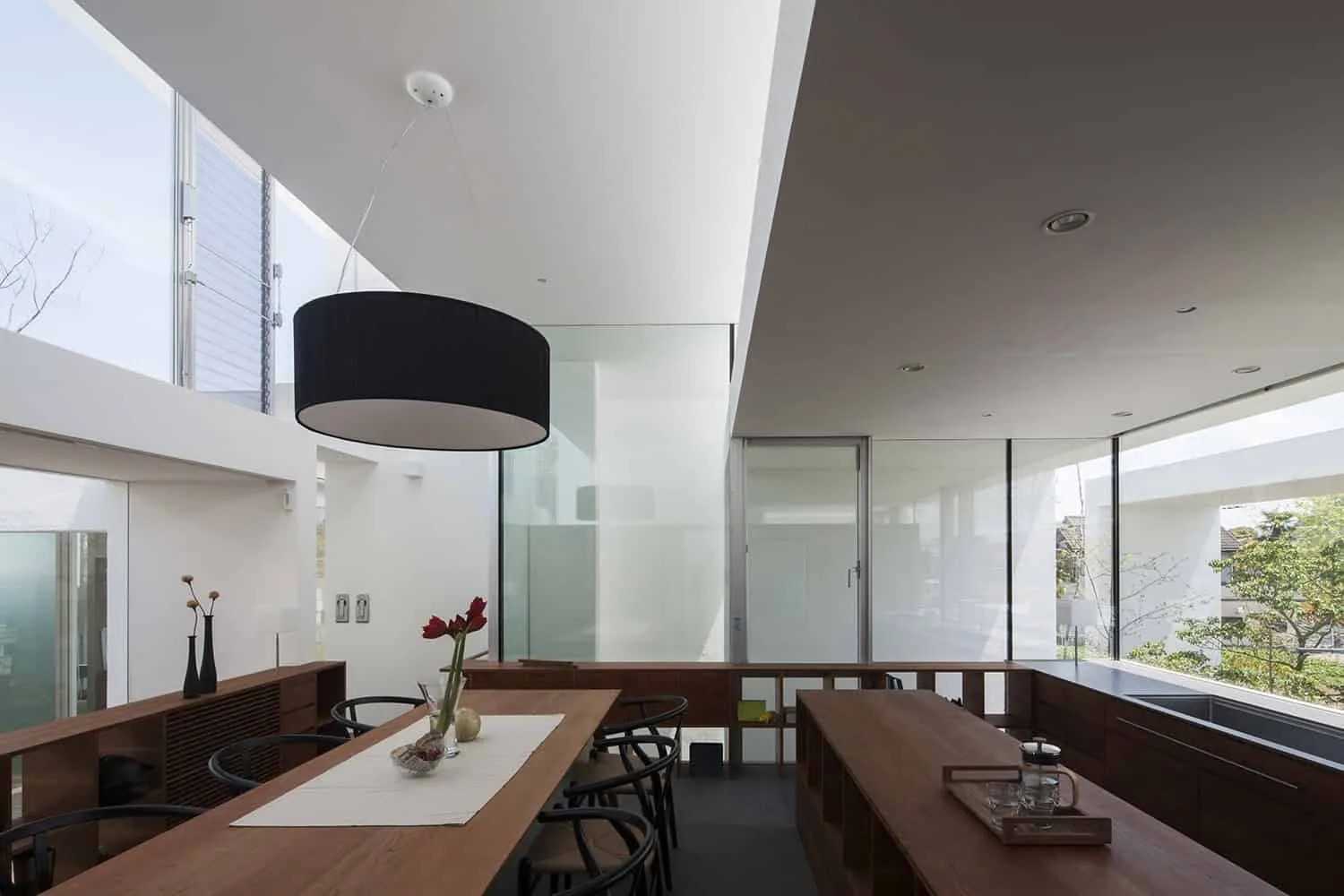
These screens stretching from east to west not only provide shade in summer but also interact with lighting, wind, atmospheric conditions, and sensory perceptions of nature throughout the seasons. The resulting spaces become a dynamic reflection of the surrounding topography, offering various spatial zones rather than specialized functional areas. Architecture is freed from traditional boundaries, resembling a village integrating with the natural environment and mountain range with multi-layered peaks. Continuously changing, it harmoniously blends with the landscape, blurring the boundaries between built and natural.
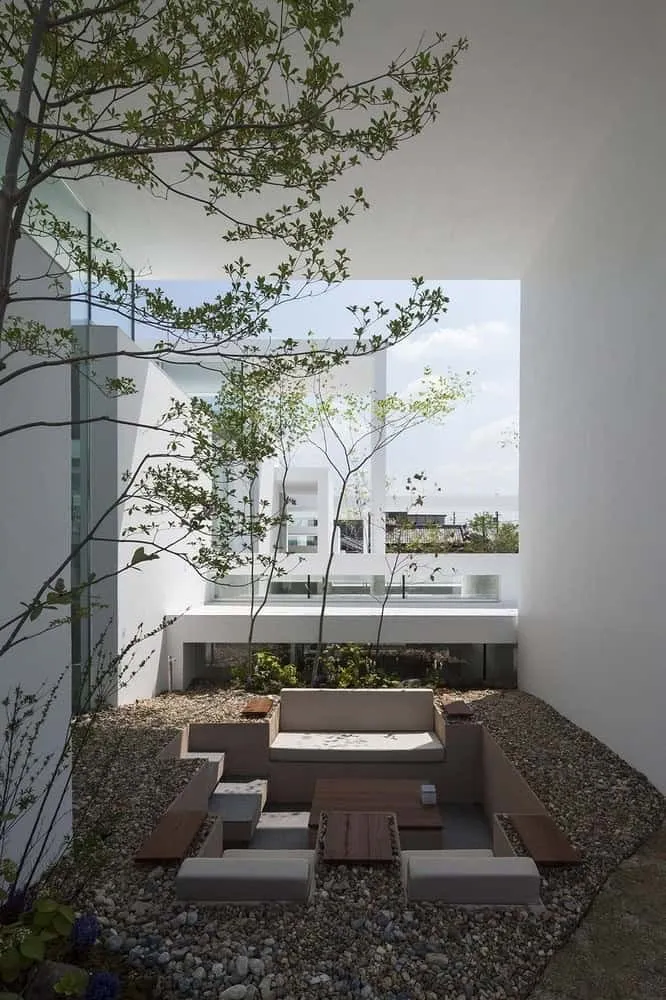
Housing is when a person exists within an interactive ecological environment surrounding them and other living beings. In this area, various actions necessary for survival occur. Expanding such an environment will lead us to perceive the entire surrounding environment as a place of residence, since it is continuous from city to forest and sea, then from earth into space. Constantly changing ways of life, such as those of people and plants, landscape or climate conditions remind us that nothing in our world remains the same forever. My interest lies in a rich spatial field where one can see changes in nature in daily life — these are the true heartbeats of Earth.
In this project, emphasis is placed on interactions between boundaries arising from the relationship with the natural environment surrounding the site on the hill. Instead of collecting spaces in topography or climate using walls/roof, here an area is formed by cloud-like screens protecting from solar and lunar light. In other words, this infinitely extended community without boundaries is based on architectural principles creating a specific area within topographical and climatic conditions. While the layers of clouds overlap, illumination and depth of light penetrating through mountain peaks into the valley define atmospheric space as a living area.
These screens flowing from east to west work not only as eaves protecting from direct sunlight in summer but also serve as components together with tones of light, swaying in the wind, atmospheric conditions, sounds and scents of nature, as well as physical perception of distance, highlighting the diversity of spatial domains through seasons. The state of place shaped by screens becomes a living space that reinterprets topography through various actions rather than a space with special functions. Architecture resembles a village since it is freed from boundaries defined by natural connection and also like a mountain range with its layers of peaks. With constantly changing contours, it continues to blend with the landscape.
– UID