Installation of Blinds. Installation Instructions
Installation Instructions for Blinds
Practicality and ease of use of blinds become apparent already at the first stage — the stage of choosing the mounting option.
You can close a window using blinds in several ways:
Install blinds directly in the window opening (this option is only possible if the window of this room is recessed into the wall)In such a case, blinds are selected slightly narrower than the window opening (on average by 3-4 cm from the total width of the opening). The difference is needed to place mounting elements on both sides of the window. The height of the blinds is chosen arbitrarily. To ensure that nothing interferes with free use of the window when the blinds are raised, measure the blind system in the raised state and leave the same distance from the top of the opening to the ceiling.
Install blinds above the window opening (this option is possible if the window is also slightly recessed into the wall)Choosing this installation method, you can cover not only the window but also part of the wall near the window opening, thereby darkening the room even more. The width of the blinds is chosen arbitrarily, but the minimum clearance for coverage should be at least 10 cm (5 cm on each side of the window). The height of the blinds is important: it should equal the height of the window opening plus at least 10 cm. During installation, attention is also paid to the possibility of opening the window when the blinds are fully raised.
Install blinds in window sashesFor this option, you need two systems instead of one. Blinds are installed on the window sashes so that each element can be used separately. With this installation method, for example, you can leave one section of the window open for ventilation without raising the blinds on the second section or light up the room "by portions".
The width of the blinds for this installation method should not exceed the glass width in the sashes, with an additional 3 cm of total system width added for mounting elements located on each vertical side of the window frame.
IMPORTANT! With this installation method, the blind system should not cover the window handle.
Install blinds above the window opening if the window is mounted flush with the house wallsSince in this installation method the window handle protrudes into the room, blinds must be mounted on special brackets that provide the necessary gap from the wall. In this case, the width of the blinds should not be less than the width of the window.
IMPORTANT! Since a gap forms between the wall and the blinds, more light enters the room. Therefore, to ensure greater shading of the room, add 10 cm in width on each side of the window. The height of the blinds should exceed the height of the window by 10 cm.
Types of Blinds by Materials Used
Also, we determine the type of blinds. They can be vertical, horizontal, pleated, for arches and bay windows, roller, dormer, between-frame, multi-faceted, photo blinds, "Roman blinds", blinds with electric drive, and protective blinds (roller shutters).
By materials used, blinds can be:
- fabric;
The most popular are louvers made from polyester — a durable material that does not fade in sunlight and is easily cleaned.
- cotton;
Eco-style becomes increasingly popular each year. Though, such models may cost more. Usually cotton blinds get dirty quickly and do not tolerate moisture well, so when using them in a room, you must be extremely careful.
- wooden;
Installing wooden blinds is not cheap, but the price is well justified. They are made from light yet strong wood species. These blinds require frequent cleaning (often they are vacuumed once a week).
- bamboo;
A fashionable trend is installing bamboo blinds. They are usually found only in the horizontal variant. Thanks to the flexibility of the raw material, they can be painted in colors from light wood tones to deep red, while retaining their natural properties.
- made from glass fabric;
Blinds made from this material are ideal for the kitchen, as glass fabric meets higher fire safety standards required for kitchen room equipment.
- plastic;
Installing plastic blinds is a good way to save money, but such types of blinds are rarely used in apartments due to their appearance. More common is the use of such blinds on office window frames.
- aluminum.
To give aluminum blinds a proper appearance, they are often coated with colored paint.
Installation instructions for most models made from different materials will look standard for horizontal and vertical blinds.
When choosing blinds, the brand of the manufacturer is also an important factor. Here are just a few brands whose products you should not doubt: Casa Valentina (Italy), Coulissa (Italy) and Anwis (Poland).
Installing Horizontal Blinds
Installation of horizontal blinds by yourself will be considered through a photo instruction.
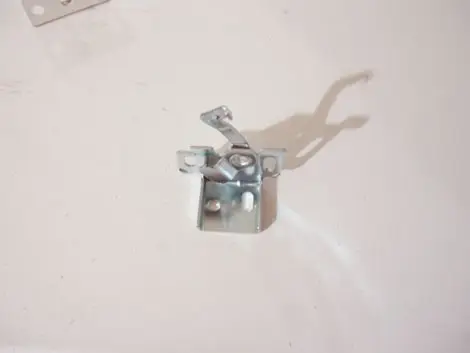
Photo 1 — After marking, place mounting on the wall
IMPORTANT! Before installing blinds, check the horizontal alignment of wall marks with a level.
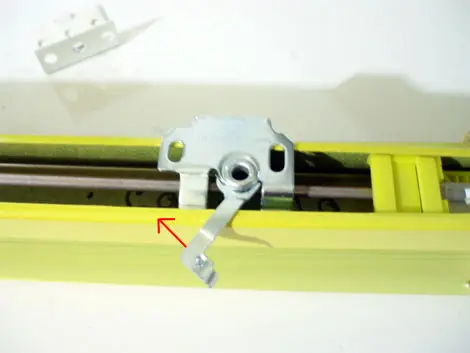
Photo 2 — Mount the blind bracket on the wall
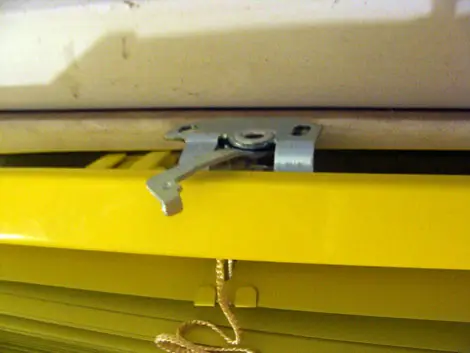
Photo 3 — Attach the track to the mounting, lower the blinds fully (use the adjustment cord), align with the level and mark the attachment points on the blinds
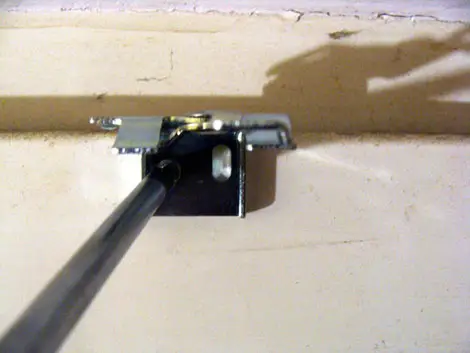
Photo 4 — Mount the fasteners to the wall using screws
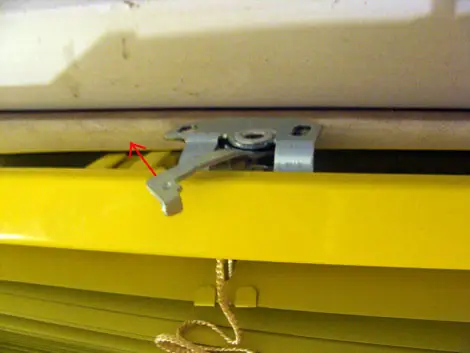
Photo 5 — Insert the track into the prepared mounting points and close them
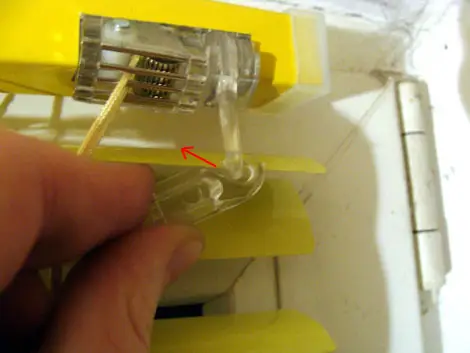
Photo 6 — Place the hook in the control mechanism
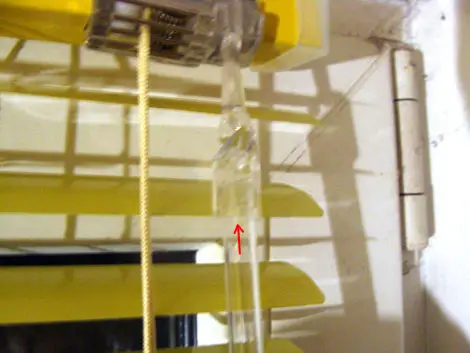
Photo 7 — Place the rod in the installed hook
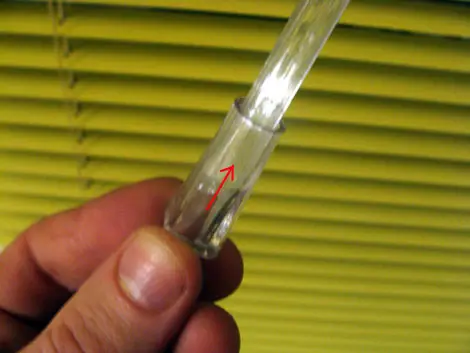
Photo 8 — Slip the end cap onto the installed rod
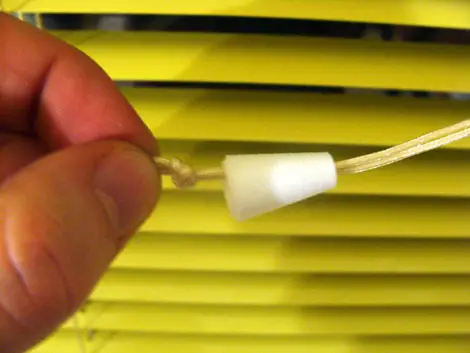
Photo 9 — Thread the adjustment cord through the plastic bell and secure it to the knot
If the selected model comes with bottom mounting elements, install them as well:
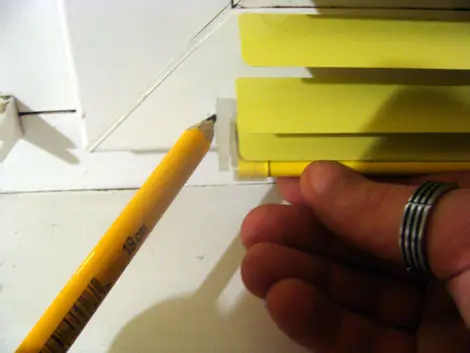
Photo 10 — Lower the blinds to the desired length and mount the bottom fixing element
The installation scheme should be included with each item, so you shouldn't encounter problems during installation.
Installing blinds by yourself won't take much time. The main thing is to hang the blinds evenly and plan where the adjustment cord will be placed (to the left or right of the window). To complete all installation work yourself, you will need no more than an hour.
Installing Horizontal Blinds. VIDEO
Installing Vertical Blinds. VIDEO
Installation of vertical blinds differs from installing horizontal systems by a greater number of components. However, their assembly is also extremely simple.
Installing Fabric Roller Shutters. VIDEO
Installing Protective Roller Shutters. VIDEO
Installing Cassetted Blinds. VIDEO
$ Installing Blinds: Price Question
If you are unable to assemble the blinds on your own and neither the scheme nor the instructions help (perhaps the ceilings are high or you lack the necessary tools), you may wonder how much it costs to call a master to your home. We answer: if we're talking about installing fabric roller shutters or blinds in a room, it's relatively inexpensive:
- Kiev — from 35 to 140 UAH.
- Moscow — from 200 to 500 rubles.
If protective roller shutters need to be installed, the cost is usually 10% of the product's price (on average, protective roller shutters cost around $120).