Armstrong Ceiling: Types and Technical Specifications
Learn more about this system.
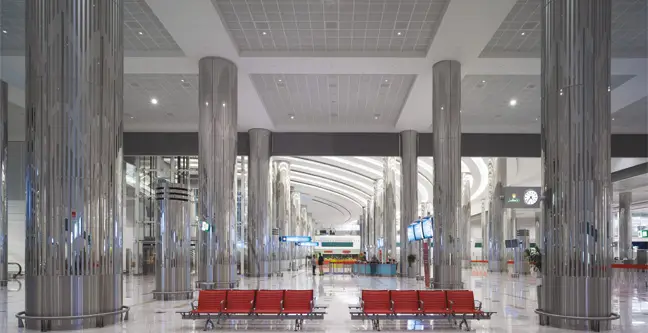
Photo 1 - Armstrong ceiling with metal panels. International airport in Dubai
Suspended ceilings, based on their construction, can be divided into modular and solid. The plane of the first consists of modular elements - this is a combination of tracks, cassette and panels secured to a frame. By the way, there are two options for organizing the frame: it can be hidden behind the outer cladding or protrude on the front surface of the ceiling.
Suspended Ceilings: Types
- ceilings made of mineral fiber - Armstrong-type ceilings;
- gypsum ceilings;
- plastic;
- metallic ceilings (reef, cassette and mesh Armstrong "Grillatto" ceilings are distinguished);
- wooden;
- designer ceilings (they are divided into mirror and glass).
IMPORTANT! It is impossible to distinguish a suspended ceiling and a covered ceiling by appearance. The difference is hidden from the eye: it lies in the principle of fixing the frame of the structure. If the guide rails of a suspended ceiling must be suspended from the base ceiling, then for a covered ceiling, the frame must be attached to the walls and ceiling with a smaller gap.
Thus, for those who care about preserving ceiling height, it is better to choose covered systems (installation is possible only with slight curvature of the ceiling).
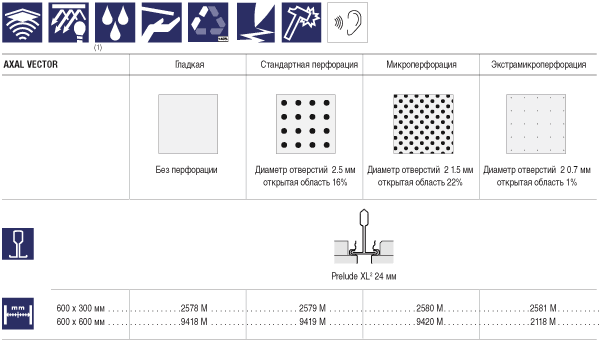
Figure 1 - Orcal ceiling panel. Characteristics
Advantages of modular suspended ceilings:- practicality;
- low cost;
- aesthetics;
- simplicity of installation, any type of repair or replacement of components;
- good sanitary and hygienic indicators;
- the ability to hide engineering communications behind the ceiling coating;
- possibility of installing embedded lighting.
Mineral Modular Armstrong Ceiling
A modern office interior is practically impossible without Armstrong ceilings for several reasons: it improves the acoustic properties of the room, ensures sound insulation, regulates lighting levels, and allows masking any engineering communications. Light fixtures can be mounted in the frame of such a ceiling, as well as ventilation grilles.
The composition of the mineral suspended ceiling system includes a suspension system and ceiling panels.
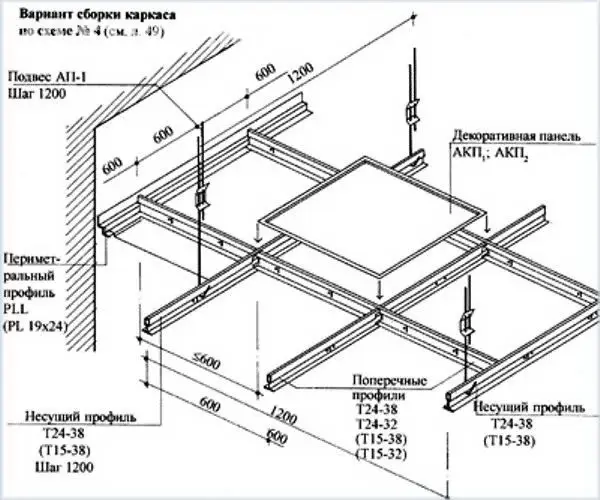
Diagram 1 - Armstrong ceiling mounting nodes
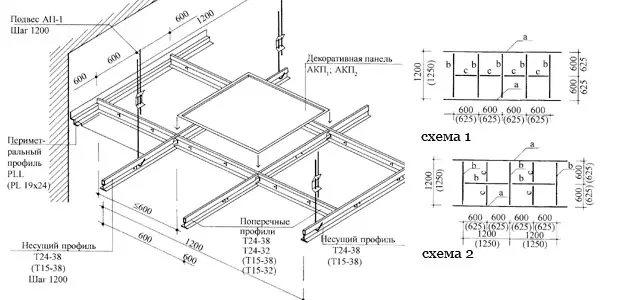
Diagram 2 - Armstrong ceiling mounting scheme. Drawing No. 2
Armstrong Ceiling Tiles: Types
Armstrong ceilings are considered an "economy class" suspension system for office and public spaces, as well as shopping mall halls.
Types of economy-class ceilings:
"BAJKAL", "TATRA", "CORTEGA", "OASIS", "OASIS PLUS".
These are functional suspended ceilings designed for installation in specialized rooms with high hygiene, moisture resistance, impact strength, acoustic and durability requirements.
Prima-type ceilings:
Following the "economy" class come Armstrong Prima suspended ceilings. These include "PRIMA DUNA PLUS", "PRIMA PLAIN", "PRIMA CIRRUS", "PRIMA CASA", "PRIMA ADRIA" and "PRIMA FINE FISSURED". They are characterized by fire resistance, high moisture resistance, improved acoustic characteristics, decorative textures and durability against damage.
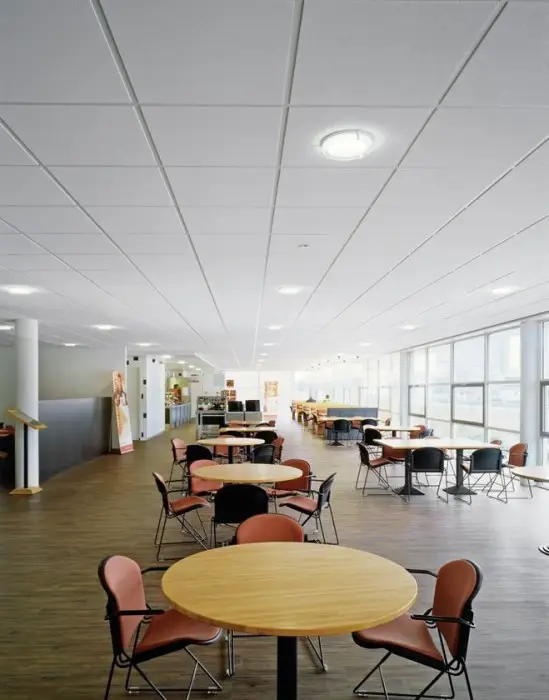
Photo 2 - ARMSTRONG ECOPHON ALBES Ceilings
Types of moisture-resistant ceilings:
Armstrong (moisture-resistant) can also be used for finishing rooms with frequent temperature changes or high humidity. These include swimming pools, saunas, hospitals, laundries, warehouses, technical zones and terraces.
"NEWTONE Residence" and "MYLAR".
Types of acoustic ceilings:
Armstrong (acoustic) is recommended for finishing rooms with high sound absorption levels. These include auditoriums, restaurants, hotels, offices, schools, swimming pools and hospitals. A special type of modular suspended ceiling has been created for the latter - the Armstrong medical ceiling.
"FREQUENCE" and "NEEVA".
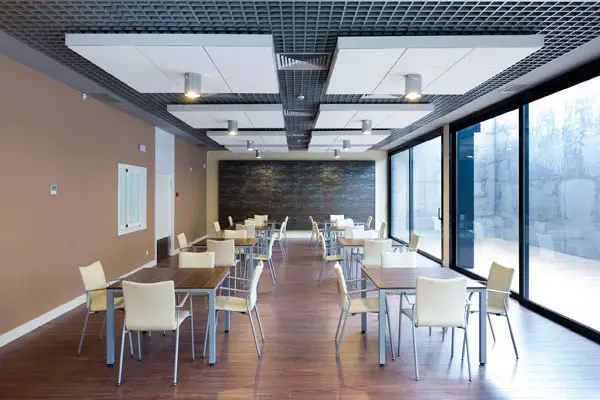
Photo 3 - Modular mineral ceilings in restaurant interior
Types of hygienic ceilings: "BIOGUARD"
By the way, hygienic modular ceilings (BioGuard) are not only made for medical institutions. These ceiling coverings, created in accordance with all modern standards of GOST, hygiene and safety, can be installed in food industry and healthcare premises.
Types of designer ceilings:
Armstrong designer ceilings differ from classic office models. These modular ceilings can create a unique pattern on the ceiling surface. Decorative ceilings can be installed in office premises, retail halls, cottages, bars and discotheques.
"CIRRUS DORIC", "CIRRUS IMAGE", "GRAPHIS CUADROS", "GRAPHIS DIAGONAL", "GRAPHIS LINEAR", "CELLIO" "VISUAL V49".
IMPORTANT! The listed types of ceilings may have the same composition but different texture, thickness or installation technology.
The names of ceiling types are provided for familiarity and to simplify searching for suspended ceilings of a particular type in manufacturers' catalogs.
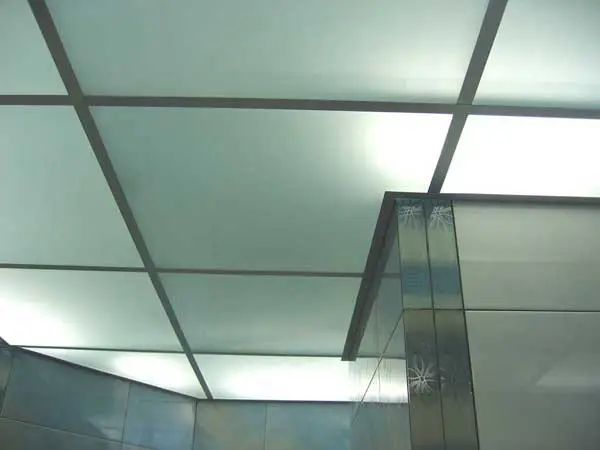
Photo 4 - Armstrong ceiling, insert material - glass
Armstrong Ceiling: Technical Specifications of Some Types
Suspended ceilings Bajkal:
Composition: mineral fiber.
- Panel size (mm): 600x600x12.
- Alpha w (H): 0.55.
- Sound absorption NRC: 0.55.
- Sound reduction Dncw (dB): 34.
- Light reflectance (%): 80.
- Moisture resistance (%RH): 70.
- Thermal conductivity (W/m°C): 0.0562
Suspended ceilings Oasis:
Composition: mineral fiber with rough surface.
- Panel size (mm): 600x600x15.
- Alpha w (H): 0.55.
- Sound absorption NRC: 0.50.
- Sound reduction Dncw (dB): 34.
- Light reflectance (%): 83.
- Moisture resistance (%RH): 70.
- Thermal conductivity (W/m°C): 0.052-0.057
Advantages of Armstrong Suspension Systems
- panels made of mineral fiber - a non-combustible material with high acoustic characteristics (high sound absorption);
- using MP systems helps improve thermal balance and comfort in any room;
- using Armstrong ceilings can significantly reduce the volume of heated space;
- modularity of structures allows installing lamps and other ceiling lights in the ceiling, thereby defining functional zones of the room and creating central lighting;
- the weight of the assembled structure is small, so such ceilings can be used to cover large areas without organizing additional partitions or supports.
Disadvantages of Armstrong Suspended Ceilings
If not taking into account moisture-resistant types of material and washable suspended ceilings, then the rest of the material is afraid of moisture.
Armstrong Ceiling Installation
The main features of installing such a ceiling include maximum simplicity and speed of mounting.
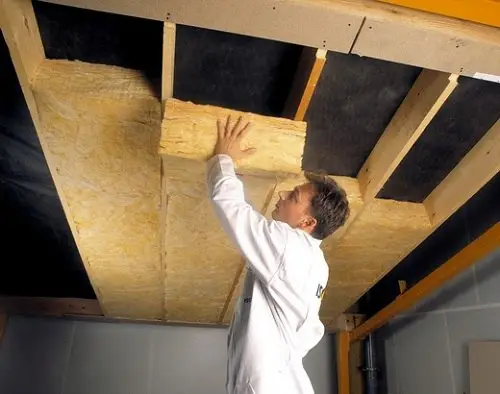
Photo 5 - An essential stage of installation - ceiling insulation
Types of panel edge:
- Board, SQ - panel with straight edges installed in a suspension system width of 24 mm;
- Tegular, SLT - panel edge with wide step installed in a suspension system width of 24 mm;
- Microlook, FL - panel edge with narrow step installed in a suspension system width of 15 mm.
It is important to know the type of panel edge you have chosen. This determines the type of suspension system used: T-24 and T-15 respectively.
The suspension system in turn is the structural basis of suspended ceilings.
The standard look of systems is white color. However, you can decorate your office with colored finishes (including black), chrome or gold finishes and so on.
Calculating Armstrong Ceiling
You can find out the approximate material consumption for setting up a mineral suspended ceiling by using the free "online calculator" application. Knowing the perimeter and ceiling area, you can calculate the panels needed, buy the required accessories (buy suspension, aluminum guides, screws and more).
Here is an example of calculation:
Assuming that we need to assemble a perforated cassette ceiling in a small office room with a ceiling area of 12 m² and a perimeter of 14 m.
Entering the data into the appropriate fields, we get:

Figure 2 - Armstrong ceiling DIY. Calculation results of required materials for work
To make other calculations, you can use the table below:

Figure 3 - Formula for calculating suspended ceiling