Natural Wallpapers in Interior Design. Features
Propaganda campaigns, conducted not so explicitly in the last 60 years, finally made themselves known. In the 20th century, with the appearance of vinyl and flocked wallpapers, as well as their relative cheapness compared to previously used textile coverings, and due to the stickiness of paper wallpapers, humanity practically abandoned using wallpapers made from natural components for room finishing. And about 5-7 years ago, there was a boom on «eco-friendliness» of everything in the world:
Features of natural wallpapers
Propaganda campaigns, conducted not so explicitly in the last 60 years, finally made themselves known. In the 20th century, with the appearance of vinyl and flocked wallpapers, as well as their relative cheapness compared to previously used textile coverings, and due to the stickiness of paper wallpapers, humanity practically abandoned using wallpapers made from natural components for room finishing. And about 5-7 years ago, there was a boom on «eco-friendliness» of everything in the world: from garbage bags to electric cars, which, as if by prediction of a great science fiction writer, slowly start filling the roads of megacities. The trend toward «naturalness» in room finishing is no exception.
Unfortunately, most consumers get only a distorted version of the sensible philosophy behind natural wallpapers — an idea in the form of another «trendy fashion». Well, let's hope it takes root in the mass consciousness just as jeans or leather jackets did in the fashion industry.
For decorating natural wallpapers and adding them characteristic texture, fibers of various plant origin are used: this may include wood, bark particles, leaves, cork crumbs, crystal, mineral or textile inclusions. The base of such wallpapers remains unchanged: unbleached paper or flocked material.
A distinctive feature of natural wallpaper production is that most of the manufacturing process is done by hand.
Natural Wallpapers in Interior Design
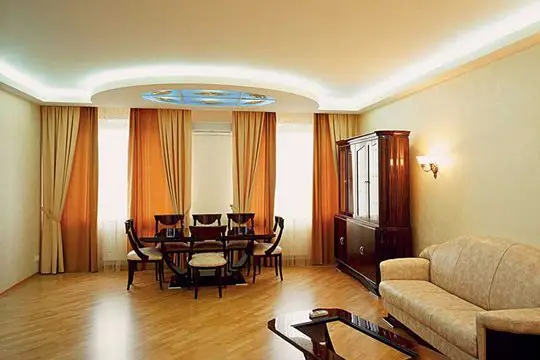
There are countless options for applying natural wallpapers, just like the design itself. These wallpapers harmoniously look in interiors done in classical style and also in high-tech interiors, bringing a light breath of the East to the room.
Bamboo, jute, cork in a room create a warm and cozy atmosphere capable of inspiring creativity at the right time and relaxing during moments of overexertion.
Natural Wallpapers — Natural Materials
One of the most popular types of wallpapers is bamboo wallpaper. Such a coating looks quite exotic, especially when combined with more traditional wallpapers or other shades of bamboo wallpapers. And, by the way, there can be several of them: they naturally come in sand-like to richly green colors, and also dark brown or light beige shades.
Bamboo wallpaper selection is not limited to color: the width of lamellas can also vary.
Cork wallpapers — an ideal material for creative experiments with interior design and wall finishing. These are wallpapers with different textures, in various colors (solid and with colored inclusions) and formats (panels, canvases, rolls).
Moreover, cork withstands moisture, temperature fluctuations and, what is important — usually lasts longer than any other natural covering.
Wood veneer. These wallpapers consist of lightweight wooden strips, preserving the pattern of fibers. Such wall coverings have a rich palette of shades — for production, timber species typical for our latitudes and sandalwood, zambezi and Japanese lacquer wood are used.
Natural wallpapers for walls may also contain textile or be made from fabric (from linen or viscose fibers, for example).
Among the advantages of natural wallpapers are excellent sound-absorbing and thermal insulation properties, as well as providing air exchange due to the use of plant fibers. Wallpapers with natural components, thanks to special impregnation, do not attract dust.
Such coverings are often low-maintenance, easy to care for, and simple to clean: a vacuum cleaner with a soft-bristled attachment or cleaning with a damp sponge is sufficient.
Buying Wallpapers: Natural or Eco-friendly?
Let's be brief. As you can see, there is a huge difference between «natural» wallpapers and merely «eco-friendly» ones, i.e., paper or paper on flocked backing. When ordering finishing materials, be precise in definitions: this will help avoid misunderstandings with the manager or consultant of a specialized store.
How to Apply Natural Wallpapers
Natural finishing materials are mainly used as wall coverings and less often as ceiling coverings.
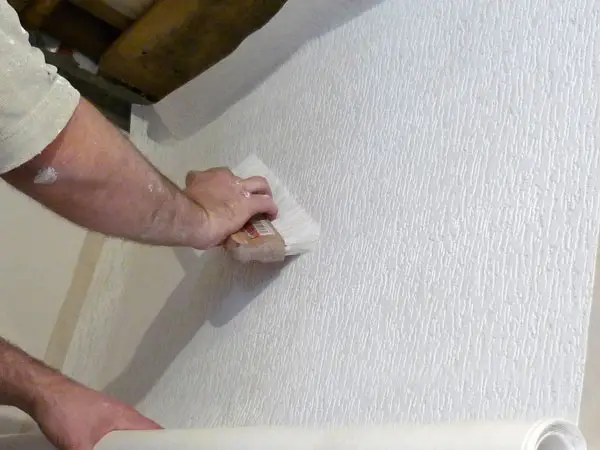
The technique of applying natural wallpapers to walls is similar to attaching paper rolls. The only difference is that natural wallpapers do not tolerate bending, so be extremely careful when gluing the material at corners and at wall/ceiling and wall/floor joints.
Manufacturers and Prices
Natural wallpaper production is mainly done by non-European manufacturers (Bamboo (Southeast Asia), Pan-el (Philippines), Design Tropics (China), Best (China), Sangetsu (Japan, photo)) — these are companies that often produce only natural wall coverings:
- rotan canvas — from $16 to $35;
- babu wallpaper — from $84 to $123;
- reed wallpaper — from $56.
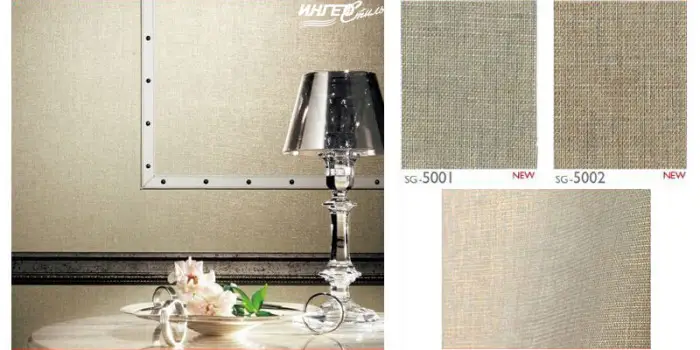
Photo 1 — Natural wallpapers Sangetsu (Japan), Xselect collection
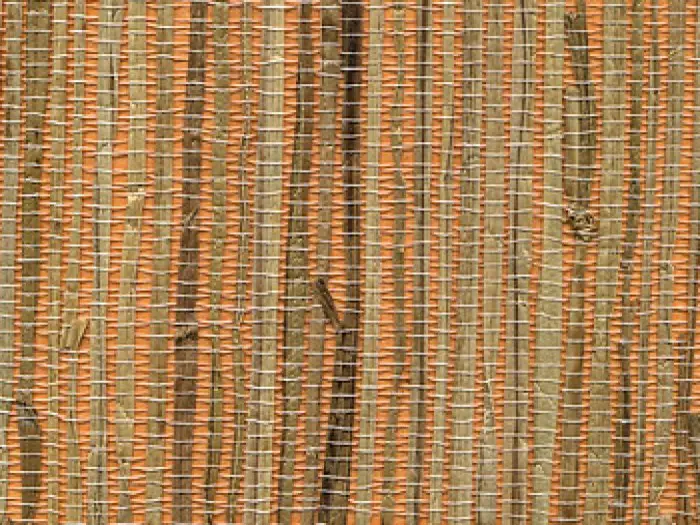
Photo 2 — Natural wallpapers Pan-el (Philippines)
Among European brands, one can highlight the Corsa (handwoven natural wallpapers), Lincrusta (England, Ultimate Wallcovering collection), Omexco (Belgium, Foja collection), Rodeka (Netherlands) Rasch Textil (Germany, Vista collection), Cosca (Italy).
For example, let's look at the last brand.
Cosca — natural Italian wallpapers, produced in Comfort, Standard, Premium, Luxury and Exclusive series. Roll length — either 5.5 m or 10 m, width — 0.915 m, and 0.97 m for Exclusive series.
The basis of wallpapers is unbleached paper (some item numbers use flocked material). On the front side of the rolls, natural fibers are fixed on a glue base, interwoven with prepared plant materials, wood veneer, leaves, fabric.
Wallpapers from this collection can be used for room zoning or full wall covering of the room perimeter (e.g., Cosca Papyrus Picasso wallpaper, Standard series).
For the kitchen, such wallpapers, like any natural wall covering, should be chosen carefully due to active use of the space and high levels of contamination/need for frequent cleaning.
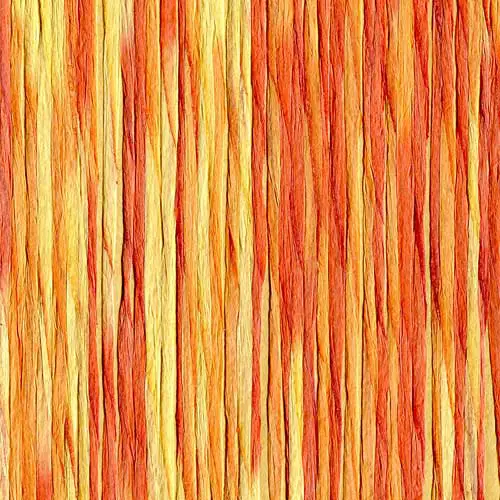
Photo 3 — Cosca Papyrus Picasso wallpaper (Italy), Standard series
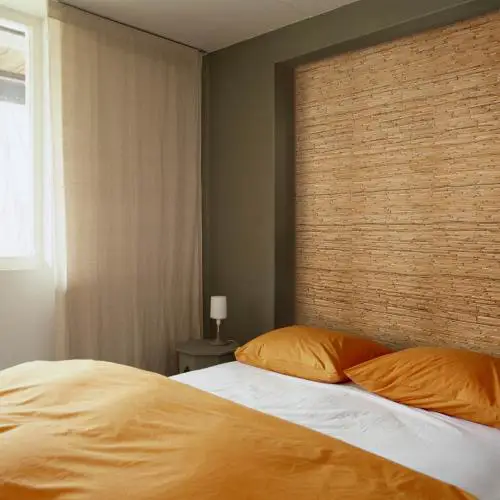
Photo 4 — Cosca wallpapers (Italy), Comfort series
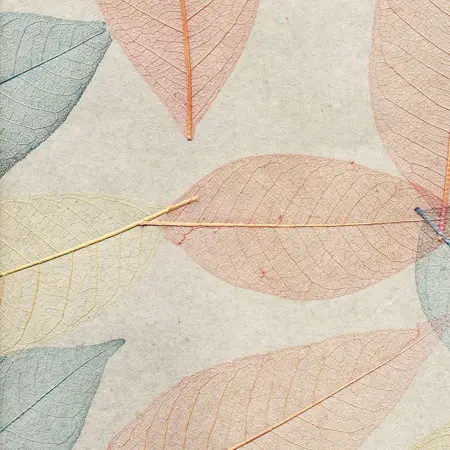
Photo 5 — Cosca wallpapers (Italy), Luxury series, 'Primavera Azul' leaf model
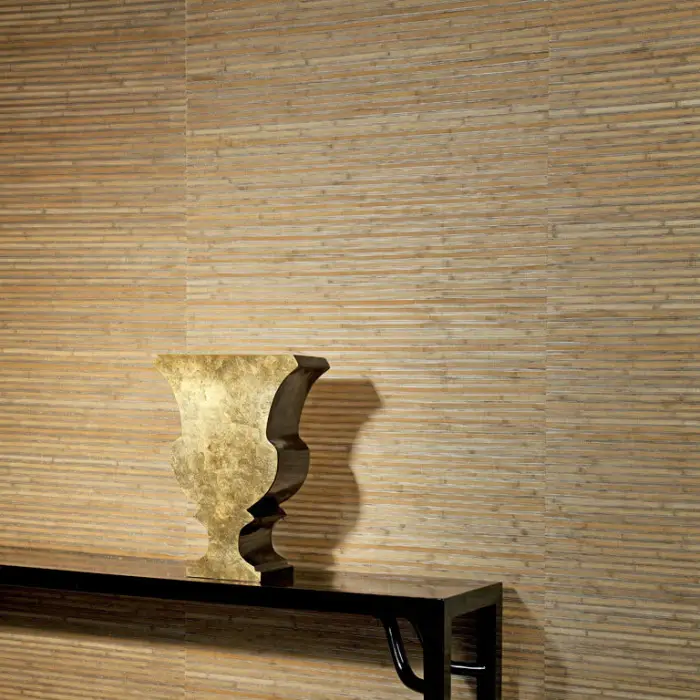
Photo 6 — Omexco wallpapers (Belgium), Orion collection
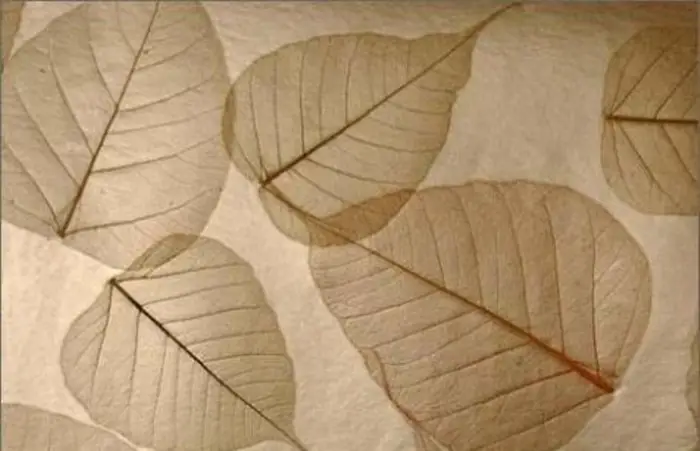
Photo 7 — Rasch Textil wallpapers (Germany), Vista collection
Prices for European manufacturers' products generally range from $81 for natural wallpapers in the «comfort» class to over $230 for «luxury» class wallpapers.
Not sure whether it's worth buying natural wallpapers, or you just want to know more about this covering? There are several specialized online stores offering not only full information on specific products, various manufacturers and types of natural wallpapers in general, but also helping you purchase the desired item «from the counter» (TropicShop, BambooShop and similar).
Price of Natural Wallpapers
- Kyiv — from 435 UAH;
- Moscow — from 1,640 RUB