Ceiling in Bathroom: Choosing the Finishing Method
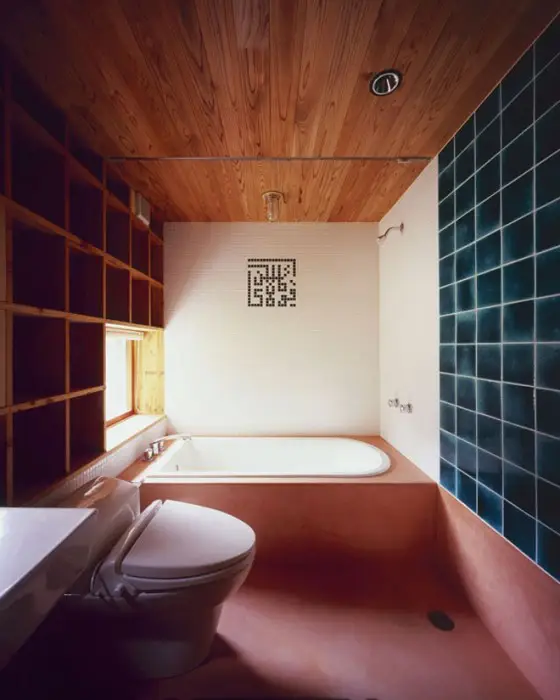
Photo 1 — Plastic panels "wood grain" look much better and more stylish than plain white color
For those who haven't yet familiarized themselves with the article "What Are the Best Ceilings for a Bathroom: Material and Solution Overview," we can say that for humid environments, suspended and covered ceilings (the difference between types lies in the method of attaching the frame to the base ceiling and walls) can be used, as well as tensioned ceilings, painting with water-resistant paint, and traditional plastering.
Plastic Ceilings
Probably, the fastest way to finish a ceiling is using plastic or polystyrene panels in a bathroom.
These can be mounted with adhesive without prior surface leveling (if the height difference or ceiling curvature does not exceed 2 cm). Due to the relief texture, panels can hide minor ceiling irregularities. If your bathroom has low ceilings (as in a Khrushchyovka apartment) and it's important that fresh finishing doesn't consume more than 5 cm of height, this is what you need.
In terms of work speed and acceptable appearance, cost-effectiveness can also be added: one square meter of material costs from $1.70. This renovation, however, is unlikely to compete with luxury. Plastic panels often look, to put it mildly, dull. To breathe life and creativity into such a ceiling, more effort is needed.
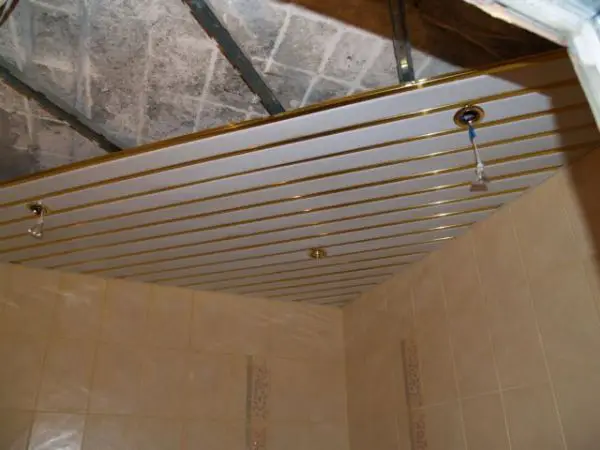
Photo 2 — Recessed ceiling installation with metal inserts in silver or gold tones can make a plastic ceiling more interesting
Advantages of such finishing:
- cheap but with a harsh look;
- installation is fast;
- ceiling height remains almost unchanged (up to 5 cm of mounting space with a frameless method);
- such a ceiling can be installed in a bathroom by yourself.
Disadvantages:
- rather typical appearance (cassette ceilings cannot be considered a modern finishing technique, and for those who care about how their apartment looks, this option should be filtered out from the start);
- panel ceilings made of siding (or even more so, from plywood) are unsuitable for a bathroom in a private house at the edge of light — the repair should justify itself, but such a ceiling risks deteriorating from moisture, mold, or mildew within just a few months.
An acceptable way to finish a ceiling in a bathroom without major costs is an Armstrong-type ceiling or PVC panels without cheap glossy shine, which should be replaced with a natural texture or print, such as "wood grain".
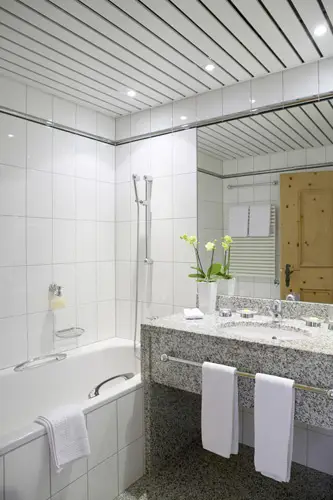
Photo 3 — Metal ribbed ceiling in a bathroom with plastic inserts
Ceilings from Gypsum Board
Based on material and labor costs, one of the leaders is also gypsum board. One sheet of moisture-resistant gypsum board (GKLV) can completely cover the surface of a basic ceiling in a small bathroom (assuming the room has a proper rectangular shape).
The cost of such a sheet is from $8.30. Including installation work, ceiling finishing will cost around $30. However, additional finishing work is required — spackling and painting. Therefore, you can safely add another $30-$45 to the total. If you want to run electrical wiring and install recessed lights, the cost will increase by about 10-15%.
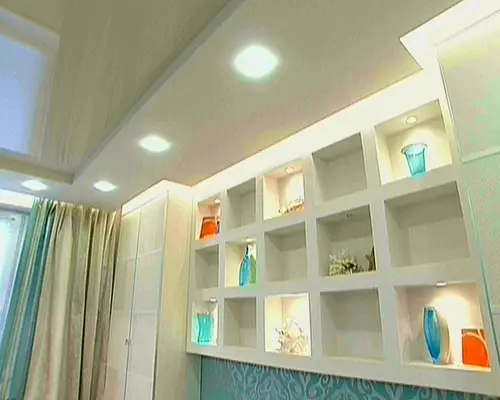
Photo 4 — Interesting types of gypsum board ceiling — combined ceilings. Tensioned ceiling helps maintain the required height, while gypsum board structures located along the room perimeter can include recessed lighting
Advantages of a gypsum board ceiling:
- you get a perfectly flat surface where mold does not form;
- it's possible to hide engineering utilities behind the gypsum board sheet;
- recessed lights can be installed;
- gypsum board does not burn, only the cardboard outer layer chars in case of fire;
- if all installation norms are followed, the coating will last more than a decade in humid environments;
- relatively low cost of labor;
- installing a single-layer structure takes no more than one day.
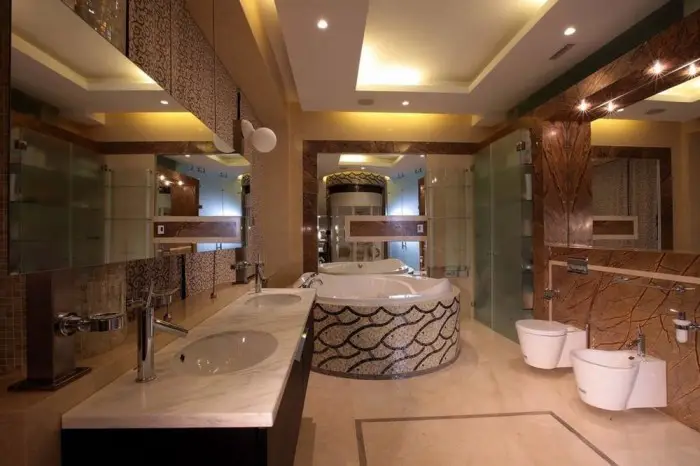
Photo 5 — Multi-level gypsum board ceiling structure — a luxury only affordable in spacious bathroom rooms
Disadvantages of this method:
- pathological fear of moisture in gypsum board: choose only high-quality and moisture-resistant sheets;
- gypsum board is not a particularly strong material.
A bathroom is not a garage or a child's room: to damage the surface of a sheet mechanically, one needs to try hard. Therefore, if you don't plan to throw a hammer above your head in the bathroom, there's nothing threatening to gypsum board.
- consider that frameless gypsum board installations are rare, and the frame itself takes up 7 cm of ceiling height (for ceilings with installed lights, the loss is around 12-15 cm, and two-level ceilings take up at least that much) — installing such in a small bathroom is not cost-effective;
- to mount a gypsum board ceiling without a frame, hydro-isolation is required in the form of a final moisture-proof coating (as an option — painting), and you must also spackle the joints between sheets.
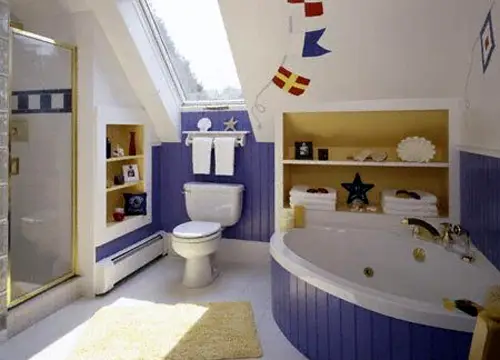
Photo 6 — Gypsum board can not only level the ceiling surface but also insulate the room
When Ceiling Height Matters
If the task is to repair a ceiling with significant curvature, the option of plastering and painting should not be considered. Painting won't fix curvature, and repairing a height difference of 3-4 cm using plastering will take too much time and money on materials for such work.
Such problems are better solved with suspended, covered, and tensioned ceilings. You can narrow down the choice based on how much ceiling height you're willing to sacrifice. Suspended and covered ceilings look identical, differing only in the method of mounting the frame for the finishing.
Suspended systems consume at least 7-8 cm, while covered systems use 5-7 cm. If lighting is installed, add at least 5-9 cm to the indicated ceiling height.
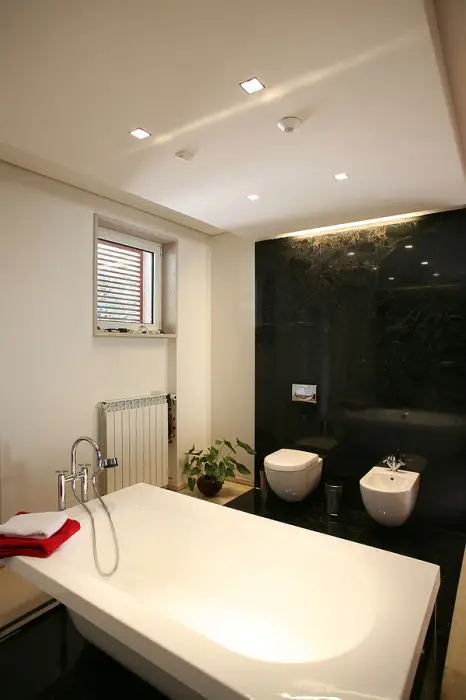
Photo 7 — Classic tensioned ceiling for a bathroom
A tensioned ceiling is considered more aesthetically appealing than other finishing options for ceilings with significant curvature. For a small bathroom, a glossy tensioned ceiling can expand the space by reflecting and refracting light. If you don't plan to install recessed lighting, just 3-5 cm of ceiling height is sufficient for mounting.
For suspended ceilings, you'll typically pay around $11/m² on average.
A tensioned ceiling, including installation and accessories, costs at least $14/m².
Non-standard Solution
If you decide to install a modular suspended ceiling, regular panels can be replaced with inserts made from acrylic glass. This ceiling element is moisture-resistant, lightweight, and durable. If desired, and with a slightly larger budget, the ceiling in a bathroom can be made as a stained glass with backlighting.
How much do such options cost? Acrylic ceiling with acrylic glass inserts costs about $12 per cell (standard size of each cell is 600x600 mm). A stained glass ceiling costs more — from $15/m².
You can decorate a bathroom ceiling in any of these ways. The key is that you like the idea, the purchase fits your budget, and the installation work doesn't take too long.
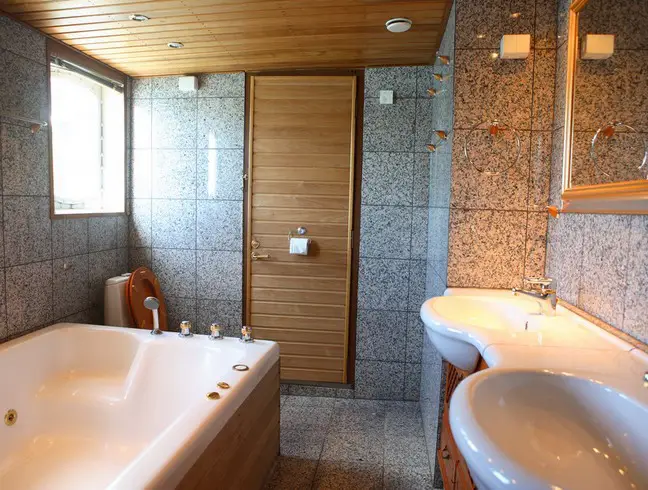
Photo 8 — Wooden ceiling in a bathroom needs not only moisture protection but also treatment with pest control agents that can literally "eat" your ceiling during a season