Mosaic Laying Technology
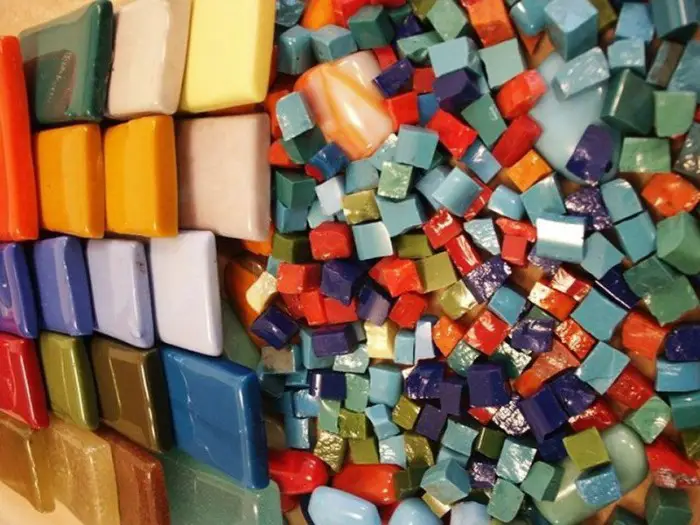
Photo 1 – Types and colors of mosaics are very diverse
Each material has its own advantages, but the methods of laying in a bathroom, pool, wall or floor also depend on many nuances, one of which is the composition of the design. Of course, modern technologies make life easier for craftsmen, and now individual tile laying is no longer produced – mosaic "chips" on mesh or paper base are used instead.
To get an idea of professional and high-quality mosaic, it is worth familiarizing yourself with the catalogs of such brands as BISAZZA, GIARETTA, MUTINA, TREND, SICIS, PETRA, MOZAICO DE LUX.
Mosaic Laying Technology
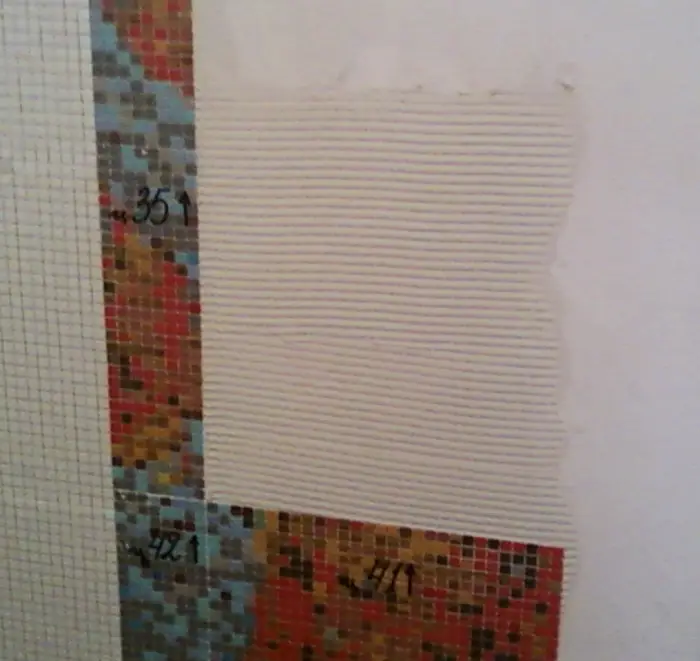
Photo 2 – Sequential Mosaic Laying
Generally, mosaic laying on mesh is used when coating walls. For both walls and floors, it is essential to have a clean and perfectly smooth surface. Only in this case will the mosaic laying be strong and durable. In most cases, the technique of mosaic laying is identical regardless of the material and consists of the following steps:
Surface Preparation: leveling and sanding with common tools, surface degreasing and priming for dust and rust binding may be done if necessary. At the same stage, drawings for mosaic tile laying are prepared – either on paper or directly on the surface to be covered.
Applying Adhesive: The adhesive must suit the surface you are working with. For example, white adhesive should be used for white mosaic tiles as it does not add any color tones. Before applying the adhesive, ensure it has the right consistency, and surface coverage should be done in batches of up to 9 sections at a time. A notched trowel is essential for stable and even distribution of the material, with a layer thickness no more than 3–4 mm.
Laying Mosaic Sheets: The mosaic sheet is laid with its backside towards the mesh or another surface. Immediately after laying, a rubber squeegee is passed over the sheet to ensure better fit and even distribution of adhesive underneath. It is important that the distance between sheets matches the spacing between mosaic elements to preserve the overall design and prevent visible traces from sheet laying. Let the adhesive dry for approximately one day.
Grouting Joints: It is better to follow the manufacturer's advice and use the recommended materials. Before grouting, clean joints of any remaining adhesive and then grout them with a rubber trowel. It is recommended to process areas up to 2 m² at once to avoid material waste. Any excess can be removed using a rubber squeegee with diagonal movements. For faster drying, some specialists sprinkle joints with dry grout or use sawdust, which is also effective for cleaning the mosaic surface.
Cleaning Mosaic: Cleaning should be done with a damp rubber sponge, without applying force or making sharp movements to avoid removing grout from joints. Cleaning agents based on acid can be used, but the surface must be rinsed with water to neutralize any residual substances.
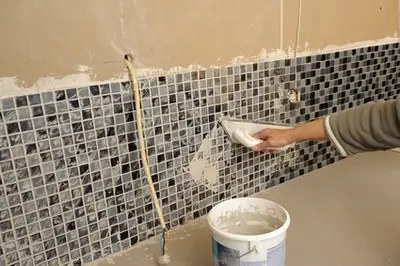
Photo 3 – Joint Grouting
The mosaic laying scheme can be arbitrary and depends on artistic taste and the craftsman’s capabilities. Probably, the most common scheme is a mosaic carpet. If the carpet is made in one color, it’s impossible to fully appreciate all the possibilities of mosaic; however, when several dozens of shades are used—like in smalti mosaics with the possibility to achieve dozens of thousands of shades—the surface, even with a uniform pattern, becomes a true work of art. When purchasing branded mosaics, manufacturers usually provide sketches that can be used.
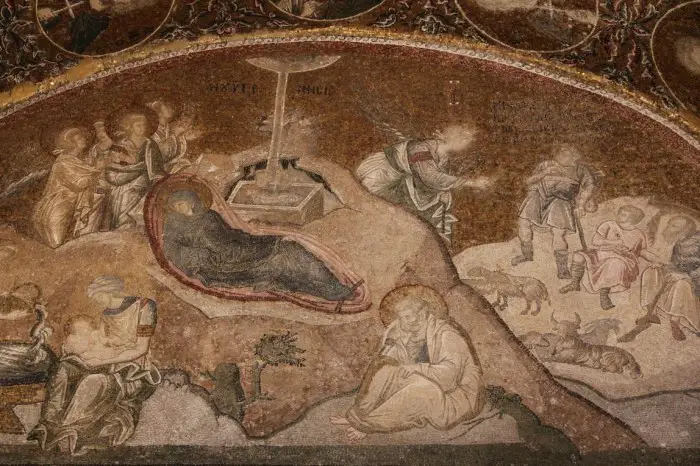
Photo 4 – Mosaic in Medieval Style
Mosaic Laying: Prices for Services in Kyiv and Moscow
Prices for mosaic laying services in the two capitals differ significantly, which reflects differences on this specific market:
- Moscow – from 1400 rubles per 1 m²
- Kyiv – from 70 hryvnia per 1 m²
However, it should be noted that in this case the discussion concerns standard mosaic sheets.
Mosaic Laying: Video Guide
This video presents details of the entire process of working with mosaic on a small fragment of ordinary material, as well as some completed works.