Ceiling from Polystyrene Foam – Three in One
A ceiling made of polystyrene foam, hidden behind finish decoration, serves as insulation. Covering the ceiling with polystyrene tiles can achieve a beautiful flat surface, and penoplastic moldings and imitation cornices can decorate the ceiling and complete its design.
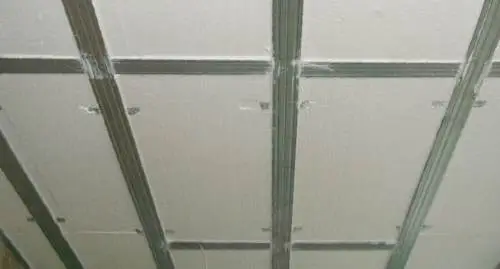
Photo 1 — Insulating the Ceiling with Polystyrene Panels
How to Insulate the Ceiling with Polystyrene Foam
A ceiling made of polystyrene panels is a good insulation and soundproofing.
However, like any other material, polystyrene has its drawbacks. It is not breathable – it does not allow air to pass through, costs more than some materials, is fire hazardous, and can release styrene into the room, which is why it was not used inside buildings in the past.
In addition, when insulating any space, it is recommended to do so from the outside of the building rather than from inside to avoid possible side effects and moisture accumulation in the insulation.
However, on the other hand, a room loses a significant portion of heat through the ceiling, as warm air rises. Therefore, insulating the ceiling is necessary, for example, in a private house. Polystyrene panels are one of the most convenient ways to do this.
Insulation of a ceiling in a private house is done in the floor slab from the attic side: a film is laid on the ceiling, with its ends secured to the beams. Then sheets of polystyrene are laid tightly between the beams, and gaps between them are filled with mounting foam. The polystyrene is covered with a second layer of film, on which a layer of mineral wool is placed.
In an apartment, insulating the ceiling with polystyrene foam is possible only inside the room under the floor slabs, which raises questions about harmful substances. In this case, polystyrene has more eco-friendly alternatives – mineral insulators.
However, if you still choose polystyrene, insulation is usually done by gluing the polystyrene to the ceiling or installing polystyrene panels in a suspended ceiling frame. In both cases, joints between polystyrene sheets need to be filled with foam.
When gluing, the ceiling is later spackled using reinforcing mesh. When installing a suspended system, the insulation is hidden behind decorative cladding.
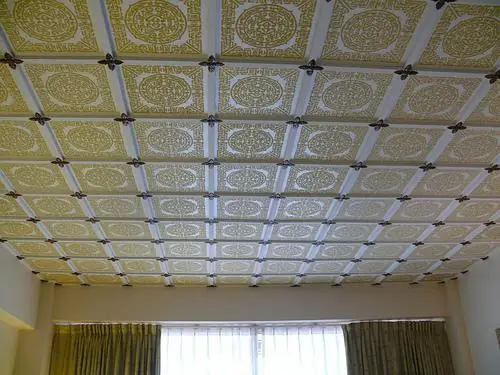
Photo 2 — Original Ceiling Design Created with Polystyrene Tiles
Polystyrene for Decoration
To tidy up the ceiling on your own, you can use polystyrene tiles. Unlike polystyrene insulation, decorative polystyrene tiles are cheaper than their "colleagues".
Decorative polystyrene tiles are small flat or relief squares that are easy to glue. Special attention should be paid to the edges of the tiles – it is important that they fit tightly, and joints must be well glued. In this regard, it is easier to work with seamless polystyrene tiles: they have a shaped edge, which makes tile joints less visible.
Some polystyrene tiles are produced in rolls with a back adhesive side, such as mirror tiles.
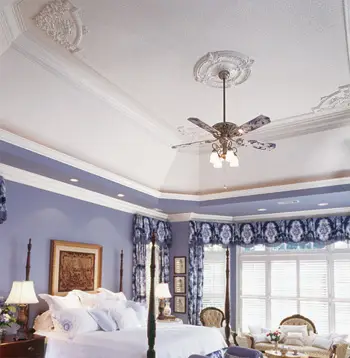
Photo 3 — Ceiling Decoration with Polystyrene Cornices
Polystyrene Decor
A finished coating made of polystyrene tiles, gypsum board or simply plastered and painted ceiling can be decorated with polystyrene cornices.
A ceiling with a decorative molding attached along its perimeter will look neat and finished. Using moldings, the ceiling can be decorated with decorative frames, imitate coffered ceilings, and lipped rose patterns above light fixtures will create an elegant accent in the ceiling design.
From lipped sheets, flowers, curls, and figures, you can create an intricate pattern across the ceiling, which can be accentuated with gold, silver, or bronze paint.
Polystyrene decor is attached using special adhesive or liquid nails.
Polystyrene for Ceiling – Price
Polystyrene panels for insulation or ceiling leveling cost from 1000 rubles per cubic meter, polystyrene tiles will cost about 150 rubles per square meter, and the price of one meter of ceiling molding starts at an average of 100 rubles.