Liquid Wallpaper — Pros and Cons
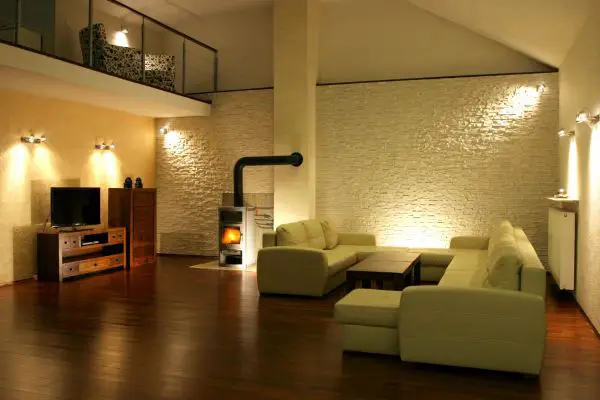
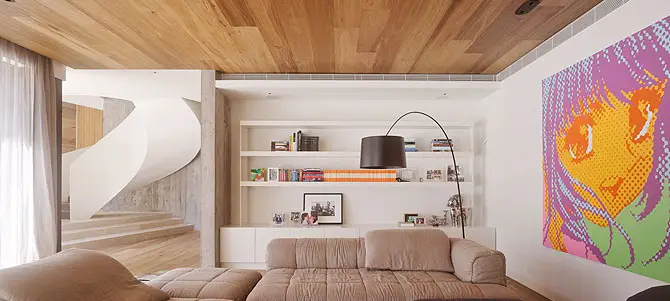
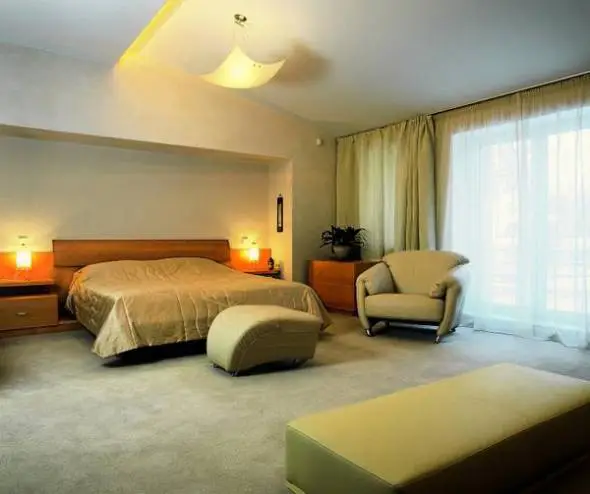
Photo 1 — Liquid wallpaper in interior design
Liquid wallpaper — pros and cons
Online reviews are mostly positive, just like the feelings of coziness and comfort they bring. When comparing advantages and disadvantages of liquid wallpaper, there are more pros than cons.
- made from environmentally friendly materials, so the question "are liquid wallpapers harmful?" is mostly rhetorical;
- very wide color range — you can use tinting to achieve the desired color, shade, etc.;
- applicable to nearly all known materials; liquid wallpaper properties allow application on walls and ceilings, but good adhesion to the surface is required and the surface must be neutral;
- possible to cover complex surfaces;
- provides seamless finishes on any area;
- may have increased resistance to moisture;
- easily removed, restored, and repaired — most liquid wallpapers are washable;
- increased flexibility — maintain integrity even with minor damage to the underlying surface;
- some types of liquid wallpaper can be applied automatically (spray gun);
- in dry form, liquid wallpapers have almost no shelf life when stored properly;
- serve as an excellent sound and thermal insulator.
Liquid wallpaper: plaster or wallpaper?
Liquid wallpaper’s appearance is hard to define while dry, which is why it’s sometimes called decorative plaster — primarily a protective coating, secondarily a decorative element. In contrast, traditional wallpapers have only decorative properties. The choice between these two mainly depends on their application. However, it should be noted that traditional wallpapers can only be applied by hand.
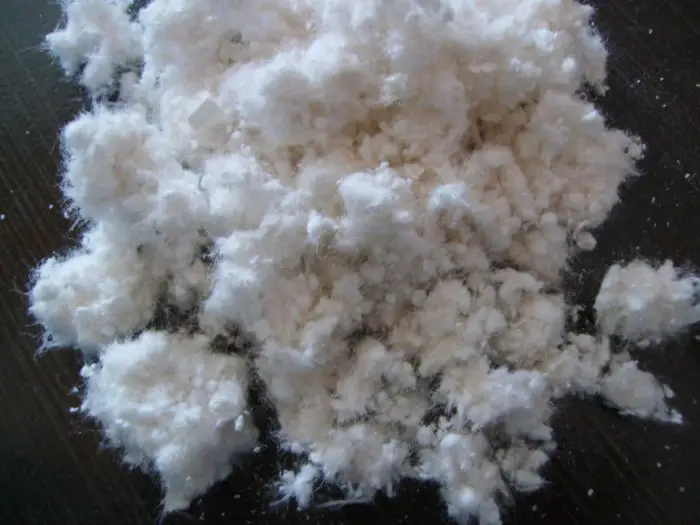
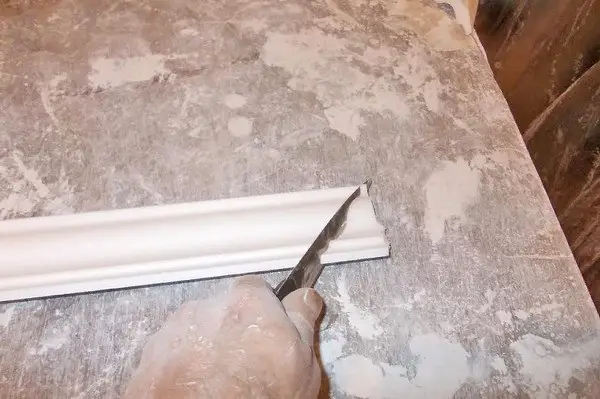
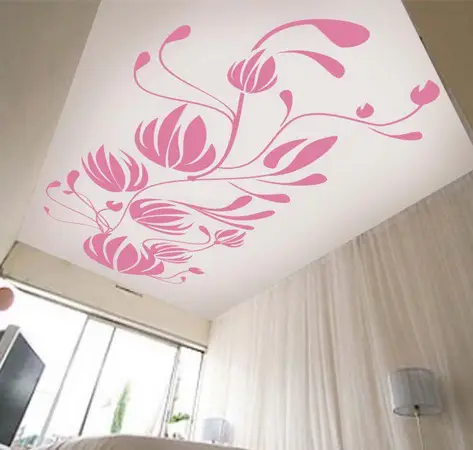
Photo 2 — Liquid wallpaper in dry form
The very appearance of liquid wallpaper shows that it allows for endless creative possibilities, and its potential as a coating is nearly limitless.
Instructions for using liquid wallpaper (any type) recommend adding water, allowing the mixture to absorb and expand (time varies — from 15 minutes to several hours). Another key feature: liquid wallpaper must be prepared in full package units only. All components are contained in one package at the correct concentration, so dividing the package is not allowed.
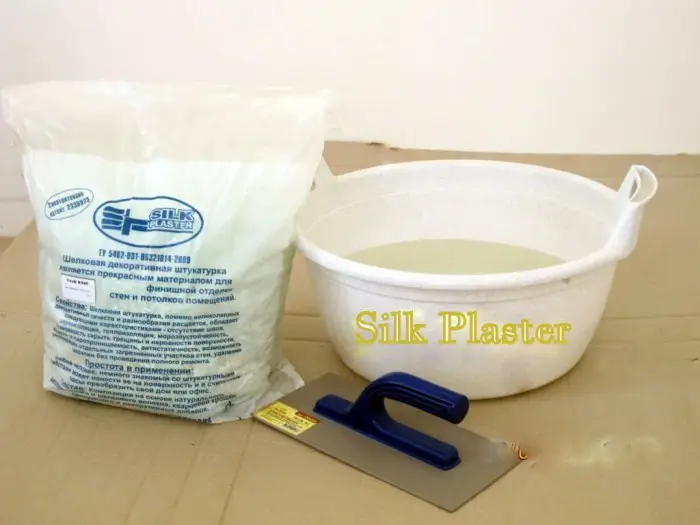
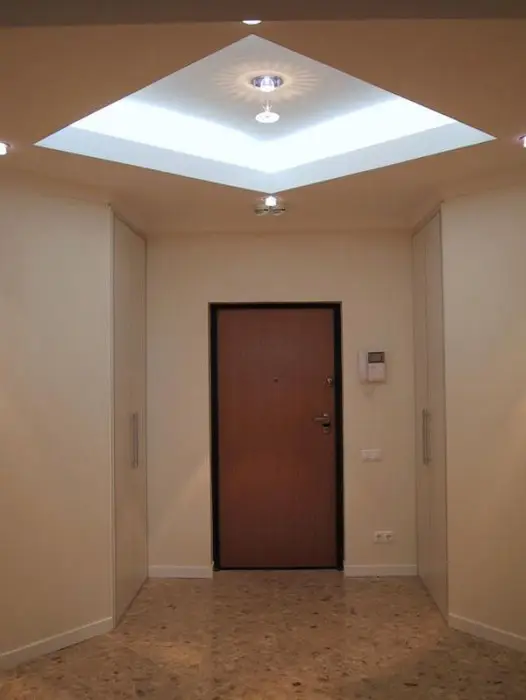
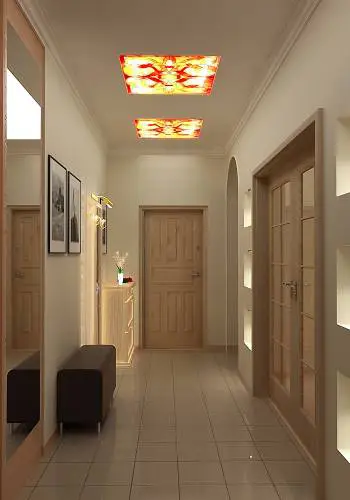
Photo 3 — Materials for liquid wallpaper application
Another technical limitation is the mandatory use of primers. Without them, staining and structural changes may occur.
Primers are recommended for surfaces with uneven water absorption, for example: gaps between gypsum board panels are filled with plaster. Plaster and gypsum board absorb water differently, which may result in visible differences on the liquid wallpaper surface.
As previously mentioned, liquid wallpaper usage must be strictly measured. Coverage is typically given per square meter, or for how many square meters one package is intended.
In practice, this helps calculate how many packages are needed to cover a single wall or an entire room — walls and possibly the ceiling. The choice between calculating separately per wall or for the whole room affects seamlessness and texture consistency. In general, the rule is: the coating must fully cover one surface to achieve a seamless, uniform finish.
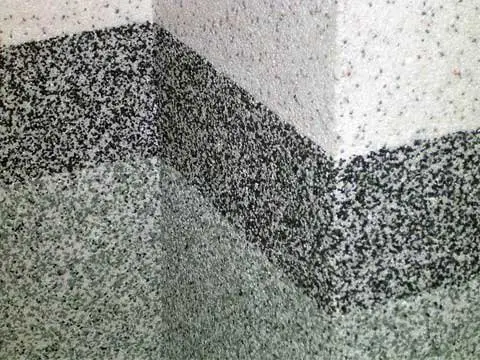
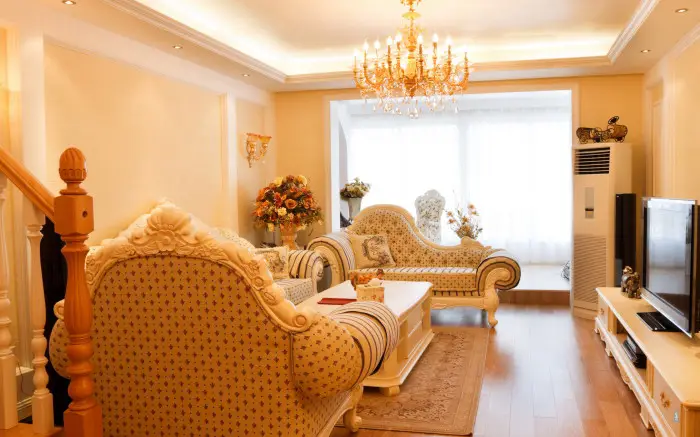
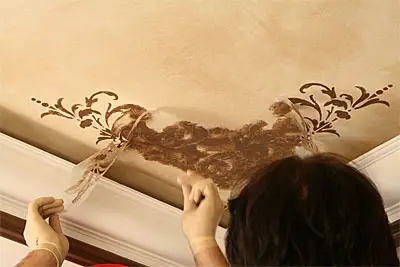
Photo 4 — Example of liquid wallpaper
Liquid wallpaper, unlike others, can also be protected. For this purpose, a special lacquer for liquid wallpaper can be applied to dried sheets. Additionally, the lacquer can be chosen to repel water. Although many liquid wallpapers allow both dry (e.g., vacuuming) and wet cleaning (using cleaning agents), additional protection won’t hurt.
A short video presentation from a standard company selling and installing liquid wallpaper.
Liquid wallpaper: photos, price, brands
There are now countless options to buy liquid wallpaper at any budget.
Where to buy depends on convenience — online store or a traditional hardware superstore — most places offer direct manufacturer pricing. Partly, this is because there are many established brands: COTEX, BIOPLAST, SILCOAT, SILK PLASTER, BAYRAMIX, LIMIL, and partly because information and materials are becoming increasingly accessible every day.
Moreover, price lists often show very similar pricing for bulk and retail purchases of the same brand.
Regarding labor costs, the situation is even more consistent — pricing is nearly independent of material cost. This is due to high market competition, and because liquid wallpaper application (which reduces overall cost by a factor) can be done independently. To get a clear estimate of wallpaper and installation costs, compare prices per square meter in Kyiv and Moscow (in UAH and RUB respectively):
- Kyiv: wallpaper — from 15, installation — from 20;
- Moscow: wallpaper — from 30, installation — from 100.
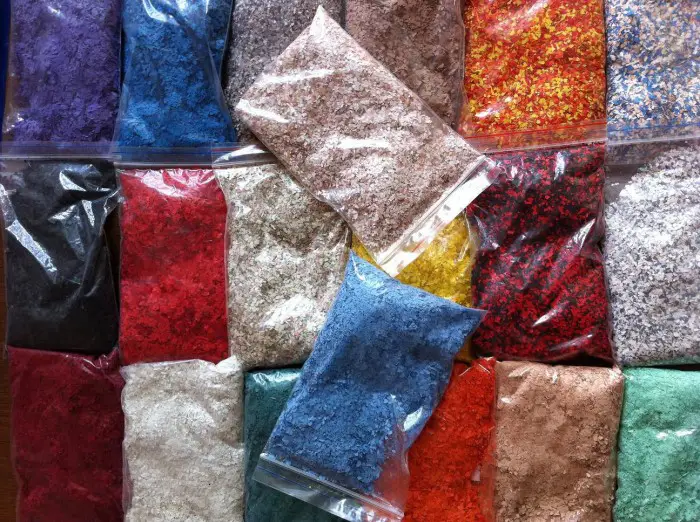
Photo 5 — Variety of liquid wallpaper