Paint for Plaster
Can you plaster over painted walls? The answer depends on the type of paint and plaster used.
Paint under plaster
Can you plaster over painted walls? The answer depends on the type of paint and plaster used.
Not recommended
According to standard practice, plaster should be applied only on clean, flat surfaces. Even if the paint adheres well, plastering over painted walls often means wasting money. Before starting plastering work, walls must be fully cleaned of old finishes, including paint. Some contractors still experiment with plastering over old paint, using various primers. However, such finishes are less durable than proper plastering and risk peeling, detaching, and requiring costly repairs.
Recommended and beneficial!
Using special primer paint under decorative plaster is very useful. This type of paint is specifically designed to prepare the surface for decorative plaster application. It improves adhesion and adds an extra layer of strength and durability to the final finish.
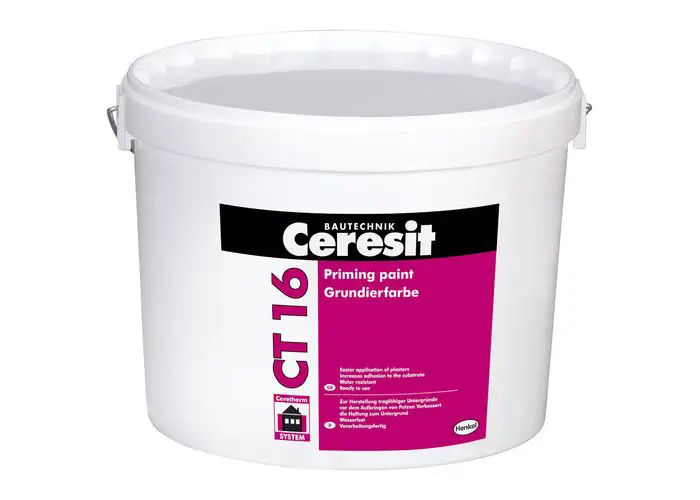
Photo 1 — Ceresit CT 16 primer paint for thin-layer decorative plaster
Plaster for painting
Painting with paints on plasterWishing to decorate your home with a real fresco – artistic painting on wet plaster – you should know that this process is very labor-intensive and expensive. Fresco plaster is quite thick. The first coarse layer may be 2 to 5 cm thick to level out unevenness. In the lime plaster mix, fine brick dust, chopped straw, and coarse sand are added. Subsequent layers are gradually thinned. The final layer, worked on by the artist, is up to 3 mm thick and consists of lime and very fine sand. The final coat is suitable for painting only for a few hours, so it is applied in small sections, on which the artist sketches the outlines, then carefully applies paint with brush strokes.
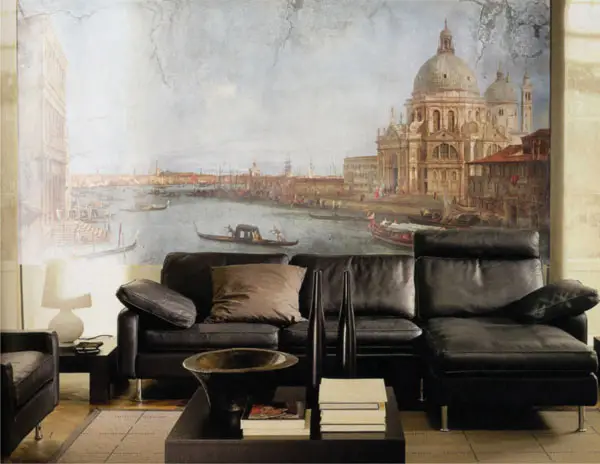
Photo 2 — Example of a real fresco
Painting on wet plaster follows a strict sequence and has specific rules. An alternative to fresco is dry painting. This also requires a special plaster mix, but the final layer can be applied all at once. Painting on dry plaster is slightly simpler than fresco.
Painting decorative plasterDecorative paints and plasters offer an excellent solution for creating unique interior finishes. Structural plaster for painting is usually white and can be tinted to any desired shade. Decorative wall plaster and its painting allow for creating textured surfaces that play with color. Questions often arise about which plaster to use under paint, what paint to use, how to apply it, and the cost. Decorative plaster for painting varies widely. The cost depends on the complexity of the design and time required. Plastering walls for painting in Kyiv starts from 70 UAH per square meter. In Moscow, the cost starts from 400–600 RUB per square meter, excluding materials.
Plastering walls for painting in Moscow – from 400–600 RUB per m², not including materials.
Paint choice depends on the plaster base material, whether it's interior or exterior, and the color palette.
Caparol Malerit paint for plaster – price in Moscow from 225 RUB per liter, in Kyiv from 62 UAH per liter. Pigments are sold separately.
Colored plaster can be lacquered. Colorful decorative plaster in interior applications is often coated with varnishes and lacquers, enhanced with gold, silver, or bronze finishes. For exterior use, facade paints are used. A detailed guide on how to paint decorative plaster is available in video tutorials.