Types of Exhaust-Intake Ventilation Systems
An exhaust-intake unit, such as the VENTUS VS from the VTS brand, is an apparatus that ensures air renewal in a room by removing stale air and supplying fresh air. Fresh air can be filtered, heated/cooled, and distributed throughout the space via this system.
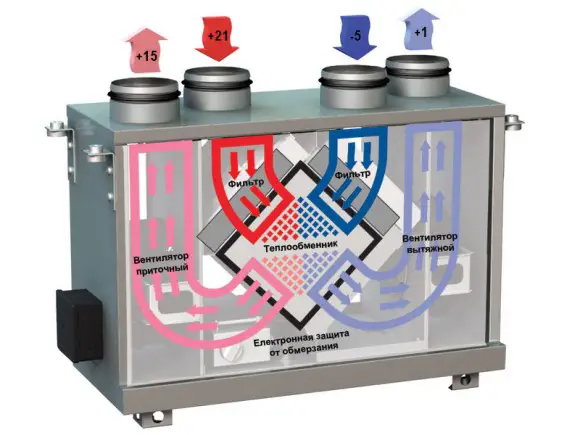
Figure 1 — Structure of exhaust-intake units
Types of Exhaust-Intake Ventilation Systems
There are several types of exhaust-intake ventilation systems.
Exhaust-intake units with heat recovery.
Ventilation not only helps maintain cleanliness and hygiene in industrial facilities, homes, swimming pools, laboratories, warehouses, and other spaces, but also reduces heating costs.
Heat recovery units help save energy. A heat exchanger is a device that recovers heat. In cold weather, incoming air is preheated using heat from exhausted indoor air. During hot periods, the exhausted air cools incoming hot air.
Types of heat exchangers:
- rotary heat exchanger;
- plate heat exchanger;
- heat exchanger with intermediate heat transfer fluid.
Exhaust-intake units with rotary heat exchangers are the most efficient. For example, unlike cheaper plate models, they operate effectively below -15°C.
Rotary heat exchangers are highly efficient and reliable, but less common due to higher cost. However, even the most expensive heat recovery systems pay for themselves: heating costs are halved when used. These units can retain up to half of indoor heat or cold, reducing energy use for gas and electricity, and minimizing the need for high-capacity air conditioners or heaters.
Systems that recover heat include VENTUS MIKRA 60, KORF, and ALASKA.
Exhaust-intake units with air recirculation.
The principle of operation for recirculation systems is that part of the indoor air extracted by the system is mixed with cold outdoor air. The warmed air is then released into the room.
Advantages of this system include energy savings, but disadvantages include:
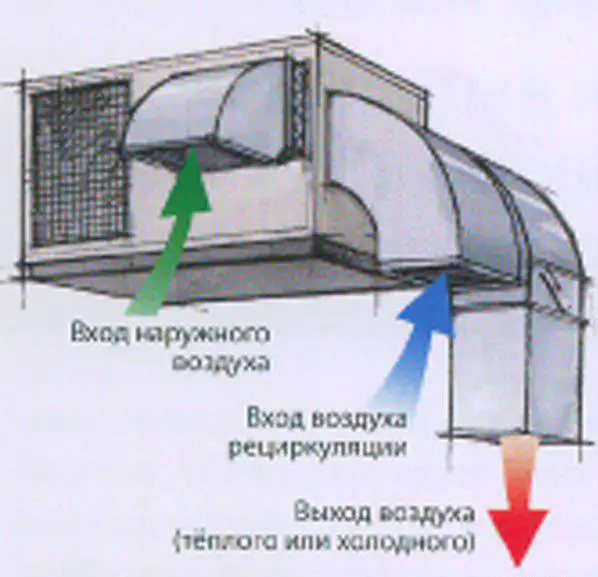
Figure 2 — Working principle of recirculation systems
Exhaust-intake units with cooling.
These systems are ideal for rooms where cooling is required for storing goods or materials. They are used in refrigerated rooms, production facilities with low-temperature processes, and public spaces during summer.
Exhaust-intake units with air conditioning.
Perhaps the most distinct category of ventilation equipment is the "Climate" exhaust-intake unit. This device combines ventilation, heat pump technology, and multiple filters, all compactly housed in an insulated casing.
Integrated automation systems include numerous sensors to monitor heating, cooling, and dehumidification. This system is especially beneficial for high-humidity environments, such as swimming pools.
Both large industrial and small residential exhaust-intake ventilation systems are offered by many manufacturers.
- DAIKIN − a global leader in air conditioning. All DAIKIN air conditioning systems are built using cutting-edge technologies. Premium residential air conditioners like VAM DAIKIN meet even the most demanding customer needs.
- MITSUBISHI ELECTRIC – a globally recognized company specializing in air conditioning systems. The company has developed advanced solutions for all industries, operating reliably in any climate. MITSUBISHI products are known for high energy efficiency, low noise levels, and safety for people and the environment. The LOSSEY wall-mounted unit exemplifies these features.
- SYSTEMAIR – a Swedish group of companies and Europe’s largest producer of ventilation equipment. Products are sold under the SYSTEMAIR brand and others. For example, heating systems are sold under the FRICO brand.
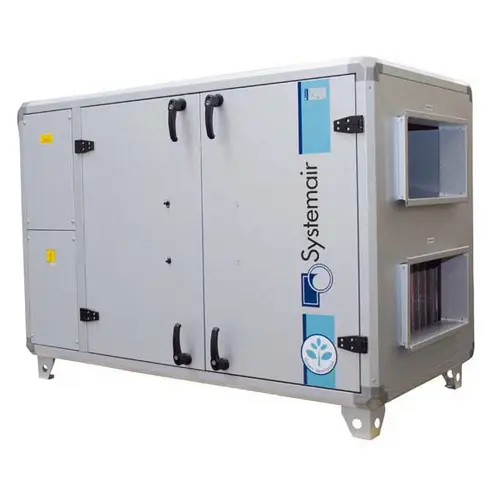
Photo 1 — SYSTEMAIR exhaust-intake unit
- Electrolux produces high-quality compact exhaust-intake units. One example is the ELECTROLUX STAR system.
- SWEGON offers a full range of GOLD units. These are ideal for public facilities such as schools, kindergartens, hospitals, banks, and offices. The Swedish GOLD units are highly efficient.
- NEOCLIMA – ventilation equipment for administrative buildings and offices. VTS and WOLF are also well-known in this sector.
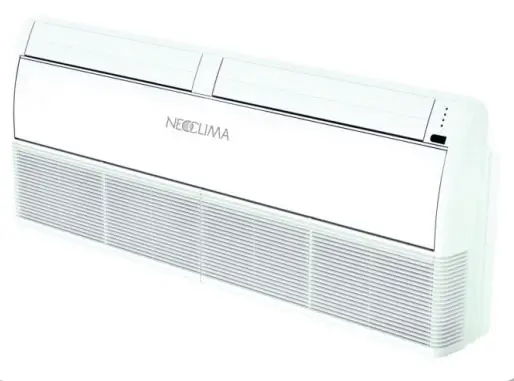
Photo 2 — NEOCLIMA – ventilation equipment for administrative buildings and offices
- NED produces premium climate control equipment. Russian-made units match foreign counterparts in quality.
An exhaust-intake unit, priced from $400 and above, becomes an effective and economical solution protecting health in residential, public, and industrial spaces.
$ Exhaust-Intake Units: Pricing Overview
- In Kyiv − from 3,000 UAH to 160,000 UAH and higher;
- In Moscow − from 18,000 RUB to 630,000 RUB and higher.