Decorative Stone for Interior with Photos
Stone cladding in interior is now accessible to everyone. Decorative stone looks stylish
It is practical and replaces many elements of finishing. Let's take a closer look at the ways of using this popular material.
Features of Using Decorative Stone
It is extremely difficult to distinguish decorative stone elements from natural stone by appearance: color, shape - everything is identical. They include: decorative brick, granite, malachite, marble. The feature of the stone is that it is produced according to special parameters. Artificial stone weighs twice as little as natural analog. This is a significant advantage, during renovation work the load on floors, walls, arches decreases. The price range is much lower. There are many forms on the market. Wall panels, shapes for cladding building facades. The composition can vary - sand, plaster, glass.
Ways of Finishing with Decorative Stone
Stone finishing is done in various ways. Designers recommend carefully considering where and how the material will be used. You can finish completely or partially walls, floor, arch, inter-room openings. Not counting external building finishing. It should also be noted that different materials are used for interior and exterior decoration.
Types of Stone for Interior Finishing
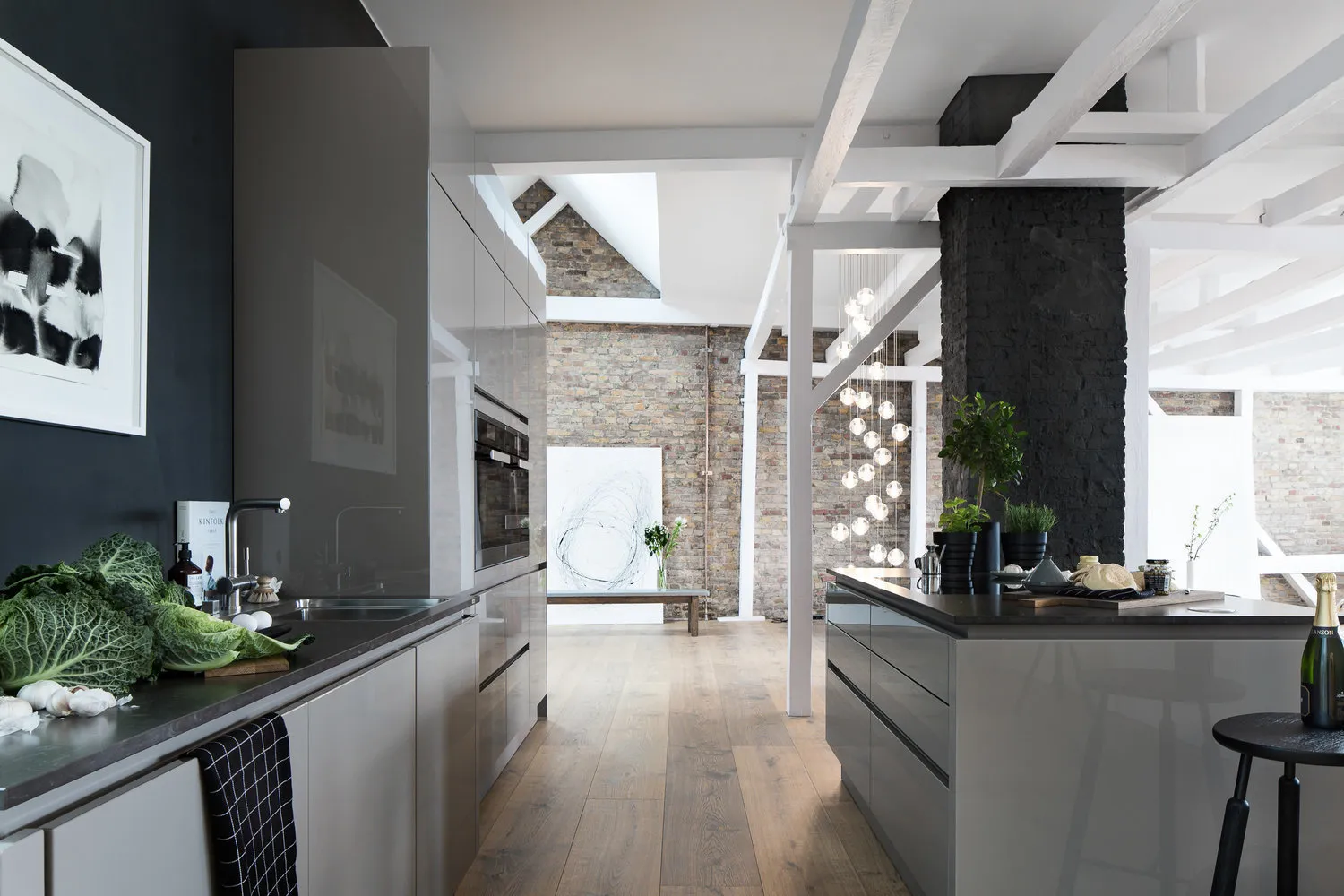
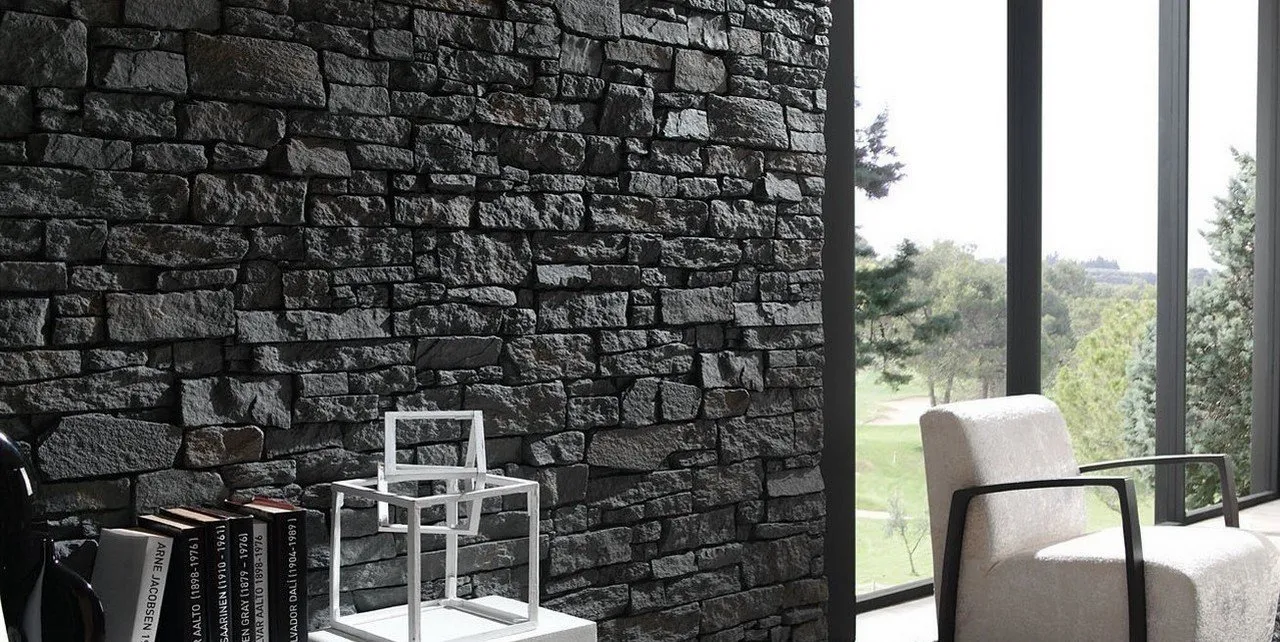
Slate is the choice of many designers today. This is an absolutely safe and reliable stone. Its design - patterns and veins between layers will suit the finishing of many elements. Slate is eternal, heat-conductive material. The palette includes the following colors: gray, green, burgundy, black. It is rightly considered a stylish decoration for any room.
Sandstone
Sandstone is a mountain rock, the basis of which consists of tiny sand particles. They are bound together by mineral material, most often quartz. It can be safely used to finish floors, walls, fireplace, and pool. It suits any style. Non-slip surface, low cost, high durability make sandstone in demand on the market.
Cobblestone
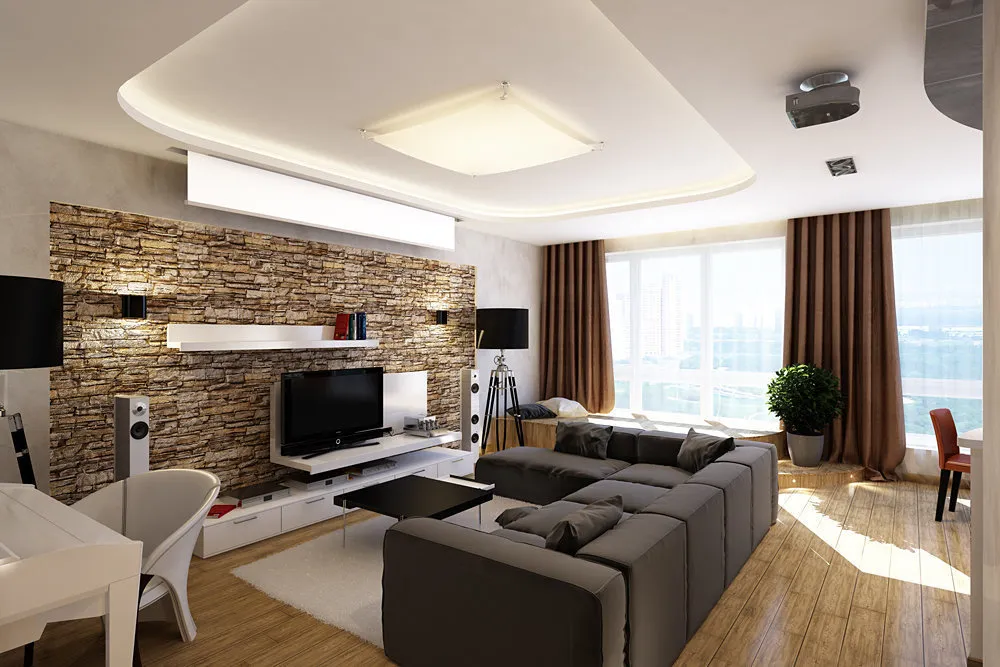
Natural strength, good possibility of processing, low cost compared to other materials - all these properties have made mineral cobblestone indispensable in design and finishing. Designers like this material because it is quite resistant to external changes, it retains its shape and appearance throughout the service life.
Oolitic Limestone
Limestone consisting of calcium, with a yellowish tint - is the purest natural material. This stone 'breathes', so moisture evaporates through it, and mold does not appear at all. The rough surface is well-suited for finishing stairs, steps. Durable oolitic limestone is convenient in laying.
Granite
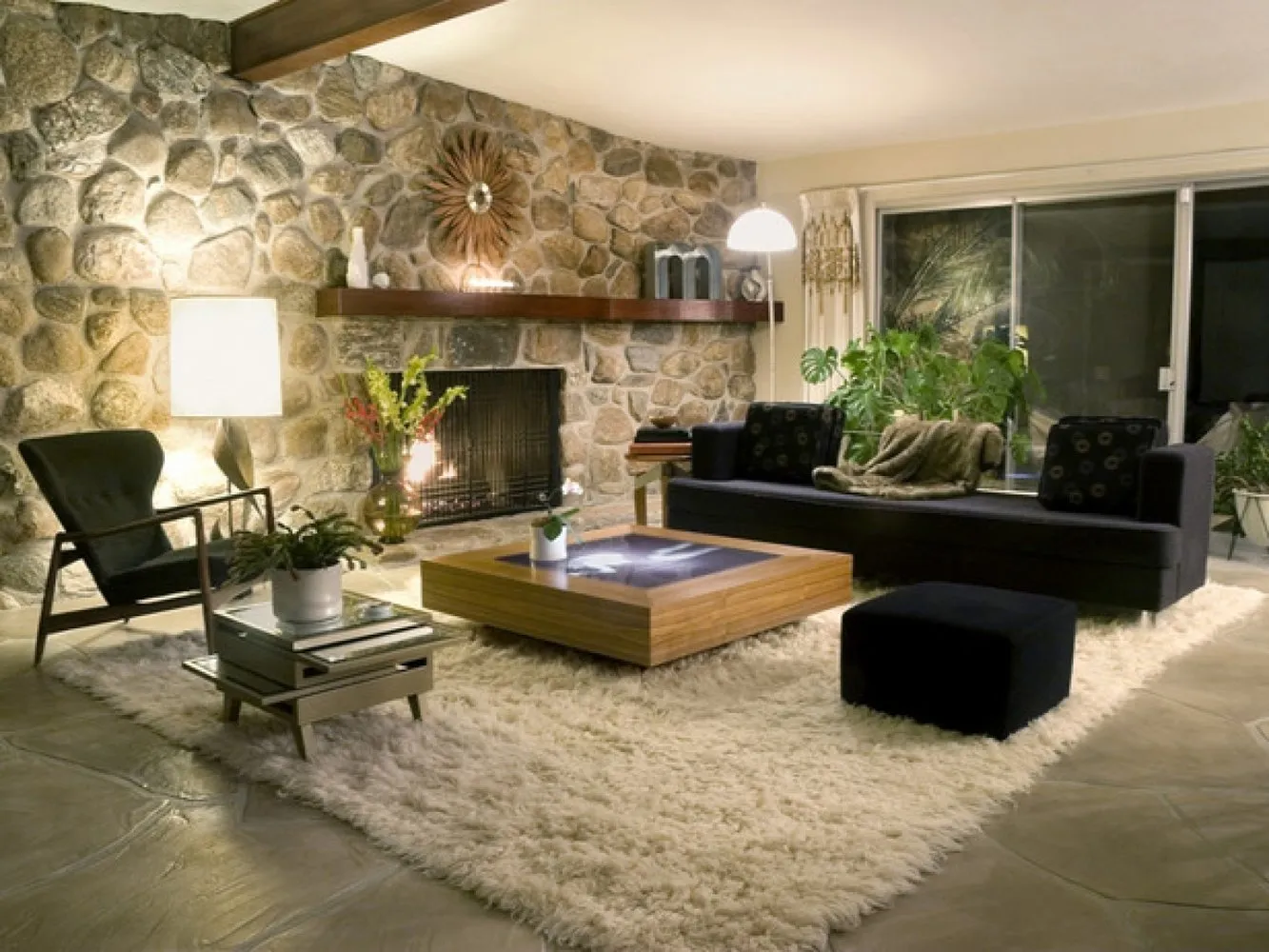
Granite is a fairly durable material. It does not fear the effects of external environment. Granite consists of more than ten minerals. It cannot be compressed, so its service life is long. There are various colors, mostly gray, sometimes orange or red. Internal finishing is durable. It is often used in the kitchen. It does not react with chemical substances. Designers note that it is very dense and heavy. The cost is far from democratic, as extraction and processing take a certain amount of time.
Marble
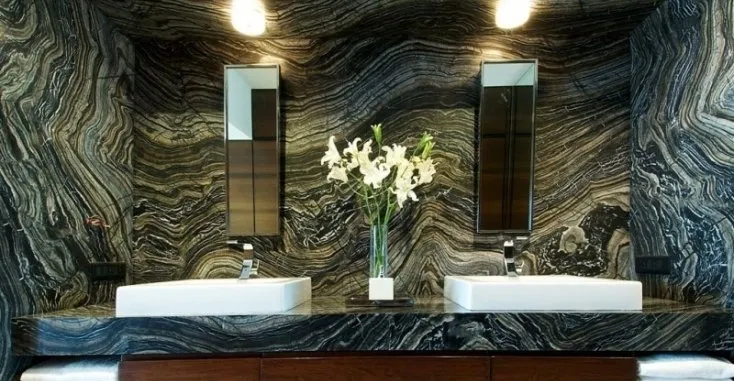
Marble has its varieties: it can be fine-grained and coarse-grained. The richest color palette, many shades, patterns on slices - marble is captivating in aesthetic appeal and elusive tones. Natural marble is ecologically clean. Minerals included in its composition make it quite heavy. Porosity characterizes it as 'breathing'. It is more pliable and will not crack if hit. More durable are fine-grained varieties. This material does not fear mold, it is frost-resistant and withstands high temperatures. It begins to oxidize when reacting with various acids. It is not the most practical on the kitchen.
Gypsum Stone
Gypsum stone is a sedimentary rock. It is 100% a natural material. It also varies in structure: dense granular material, plastic and gypsum consisting of fibrous crystals. It is absolutely harmless, has a wide variety of shades. Suitable for finishing internal and external elements.
Rough Stone
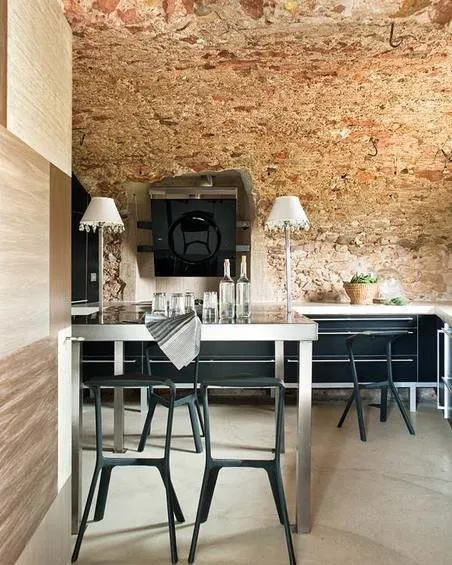
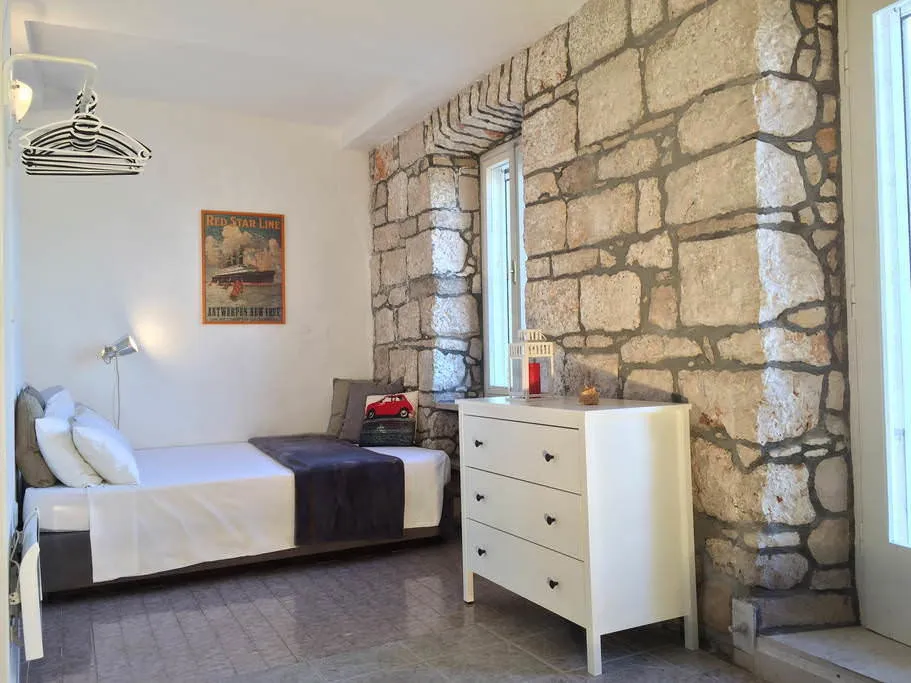
The outer surface of this rough stone has a rough texture and looks unprocessed. The reverse side is quite smooth. This property greatly facilitates laying. Blocks are not polished. Sizes are deliberately chosen with different parameters. Interior or external facade looks like a castle or a stone cottage. Very stylish is the masonry together with light wooden materials in the interior. A durable, low-maintenance material is liked by many homeowners today.
Rules for Selecting Stone for Finishing
Decorative stone has many advantages, among which:
- Fire resistance;
- Safety in terms of health for household members;
- Wear resistance;
- Simplicity in care and cleaning;
- Large choice of forms, palette and texture.
To correctly combine all positive properties and the external appearance of the material, it is necessary to plan in advance what exactly will be decorated with this material. It is important to consider the following factors:
- Price characteristic. Based on the available budget, the main points start;
- Weight. For certain walls and arches only light forms are required;
- Appearance. For every person, a particular texture, shape, color palette is important;
- Durability. For the kitchen area, moisture resistance is also required, no one will change the cladding every week.
Recommendations from Alexander Belov
Decorating Room Surfaces
- Walls
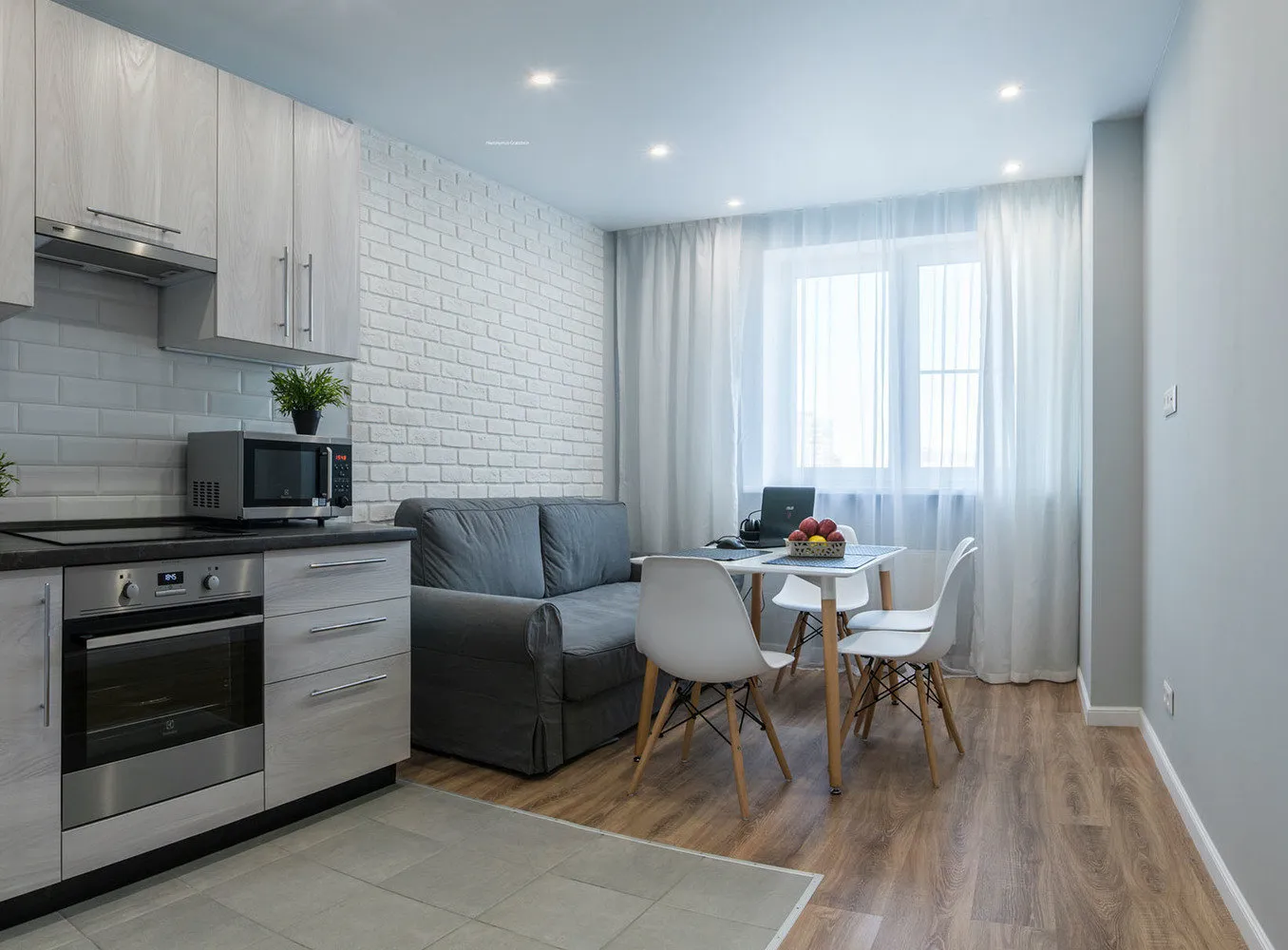
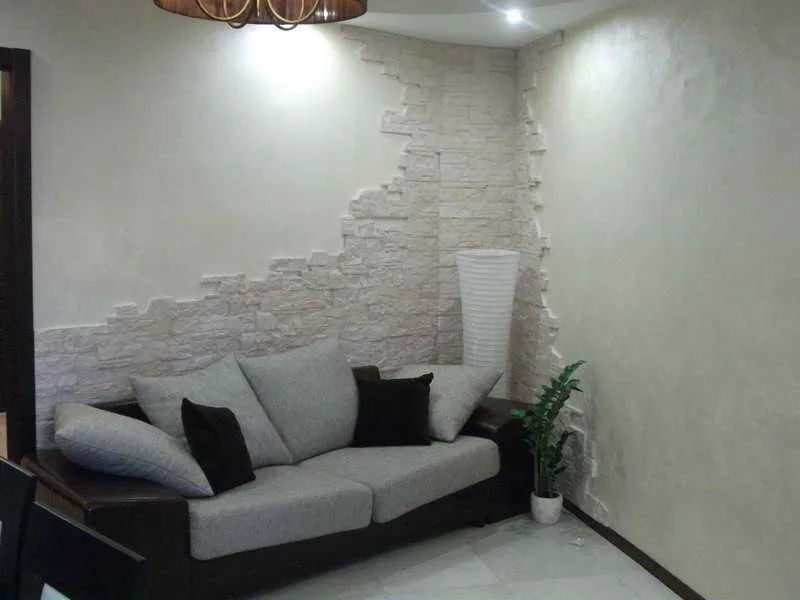
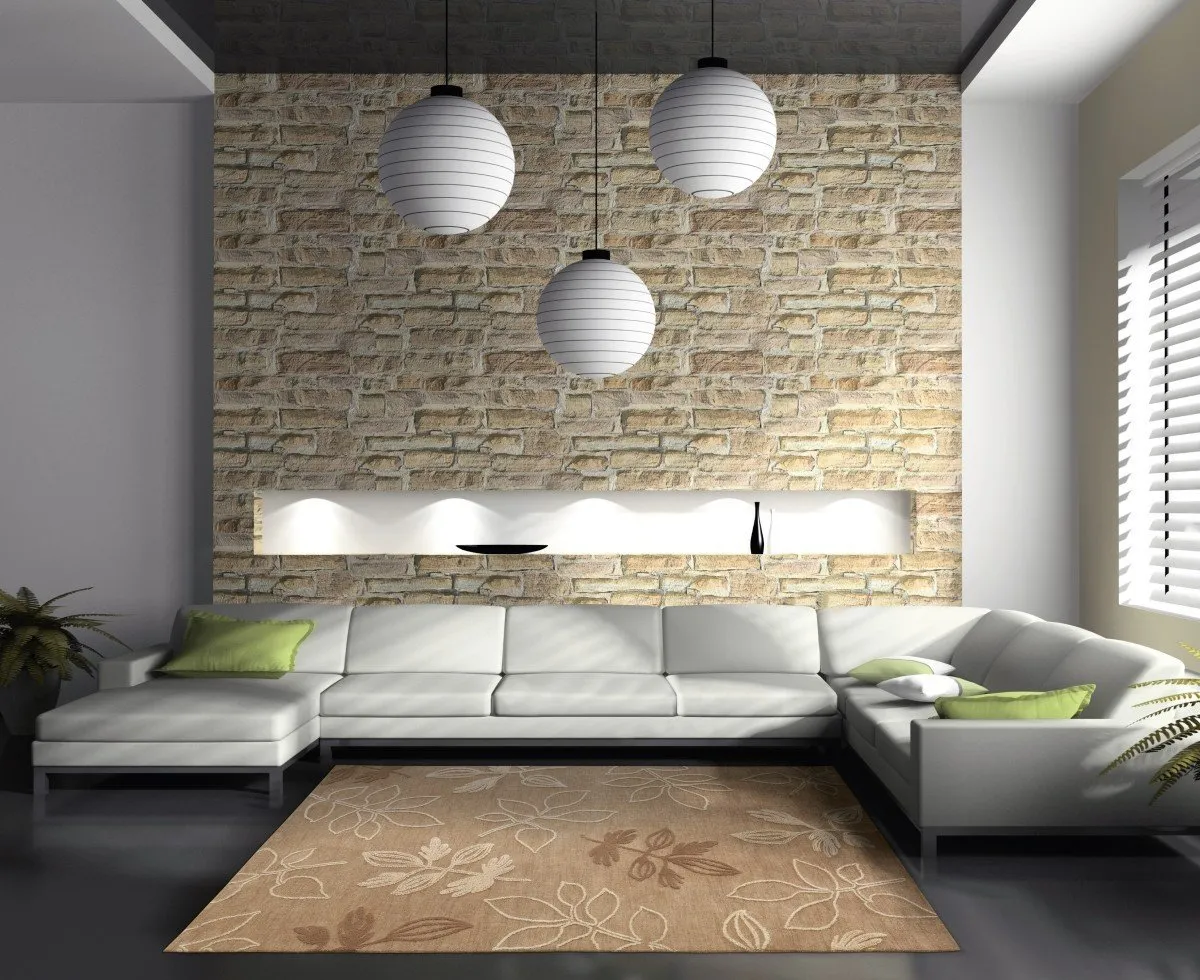
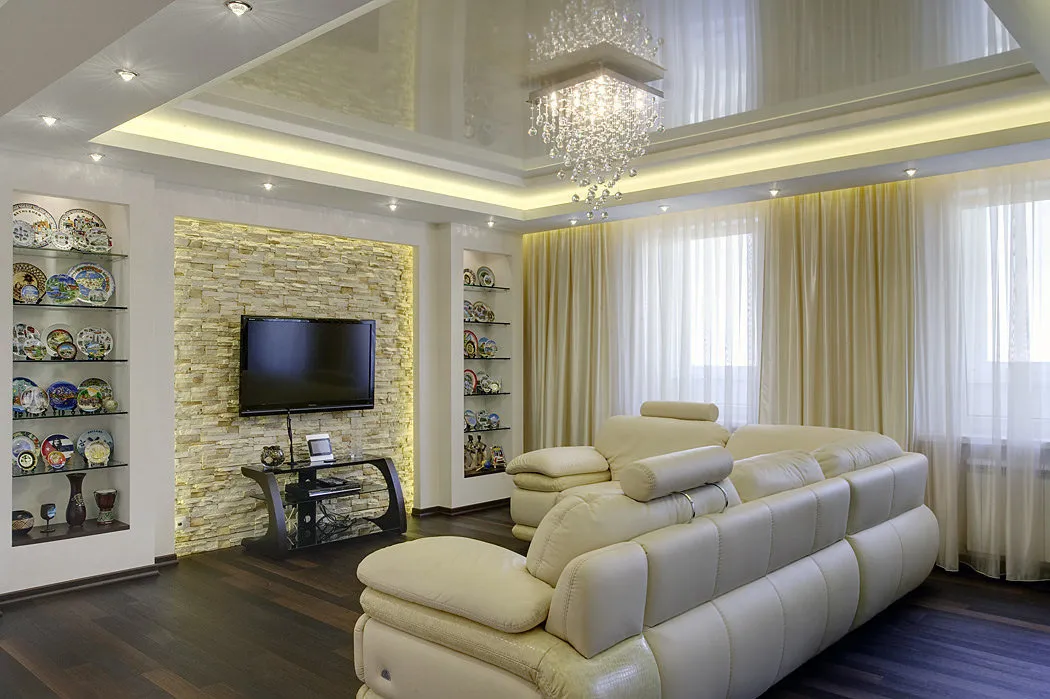
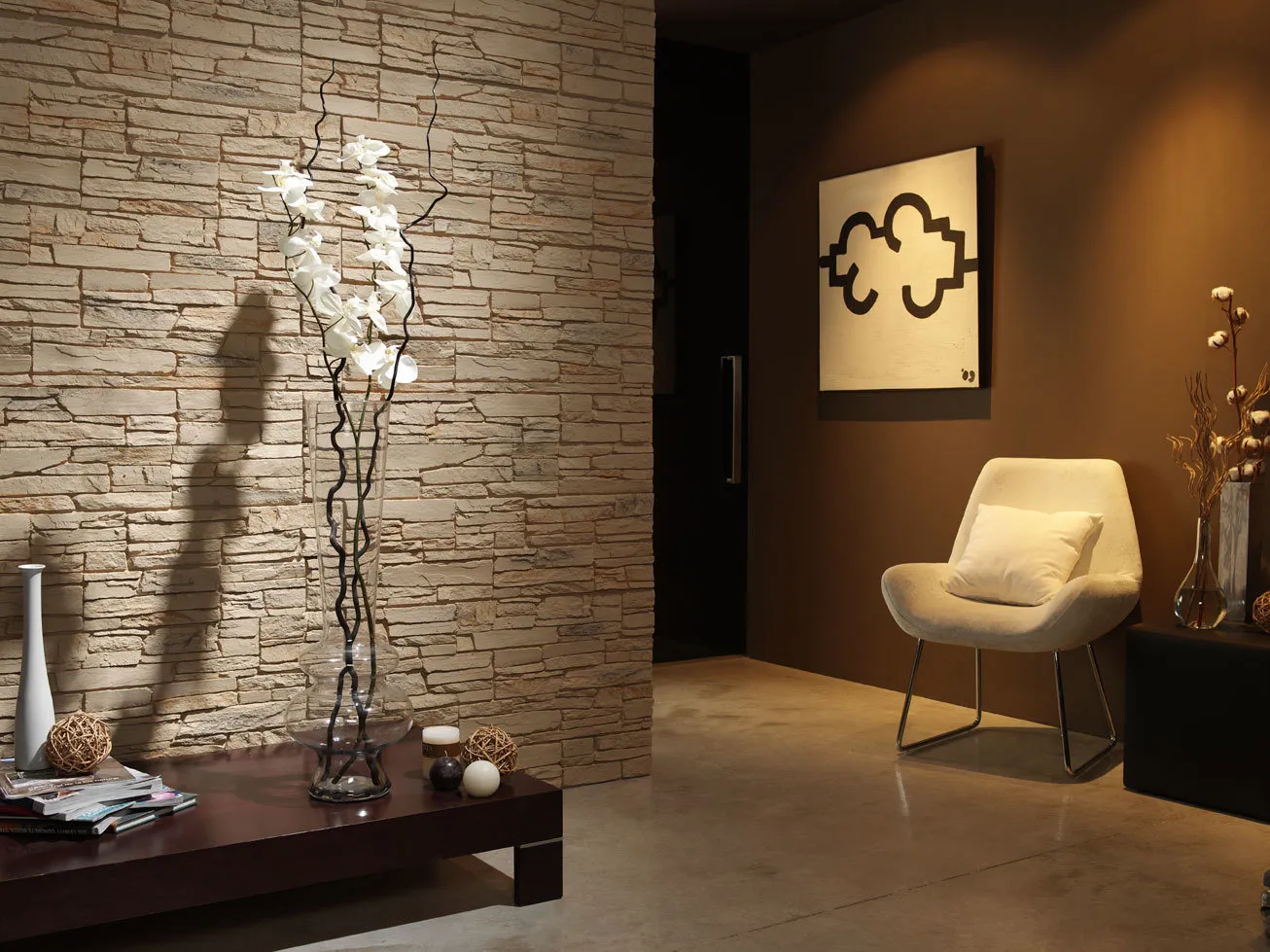
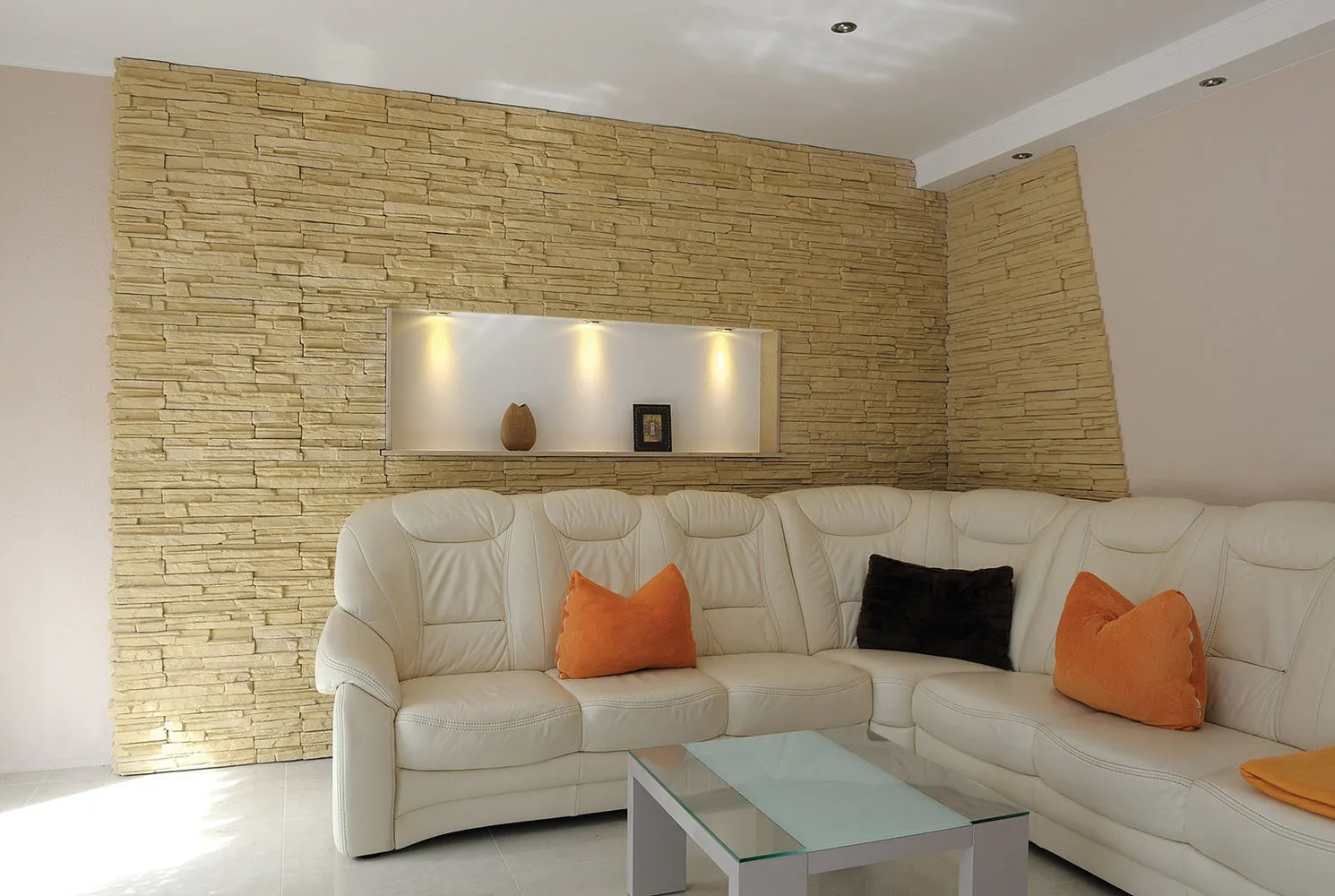
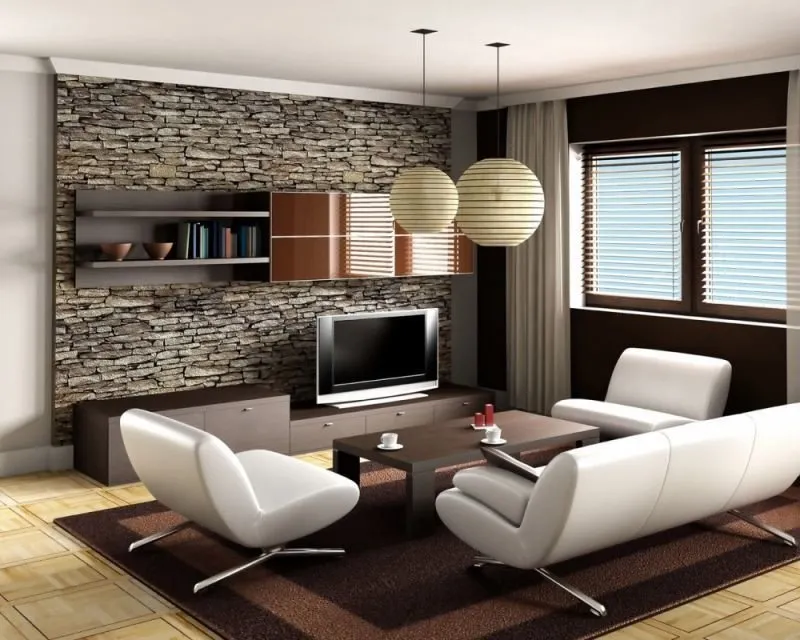
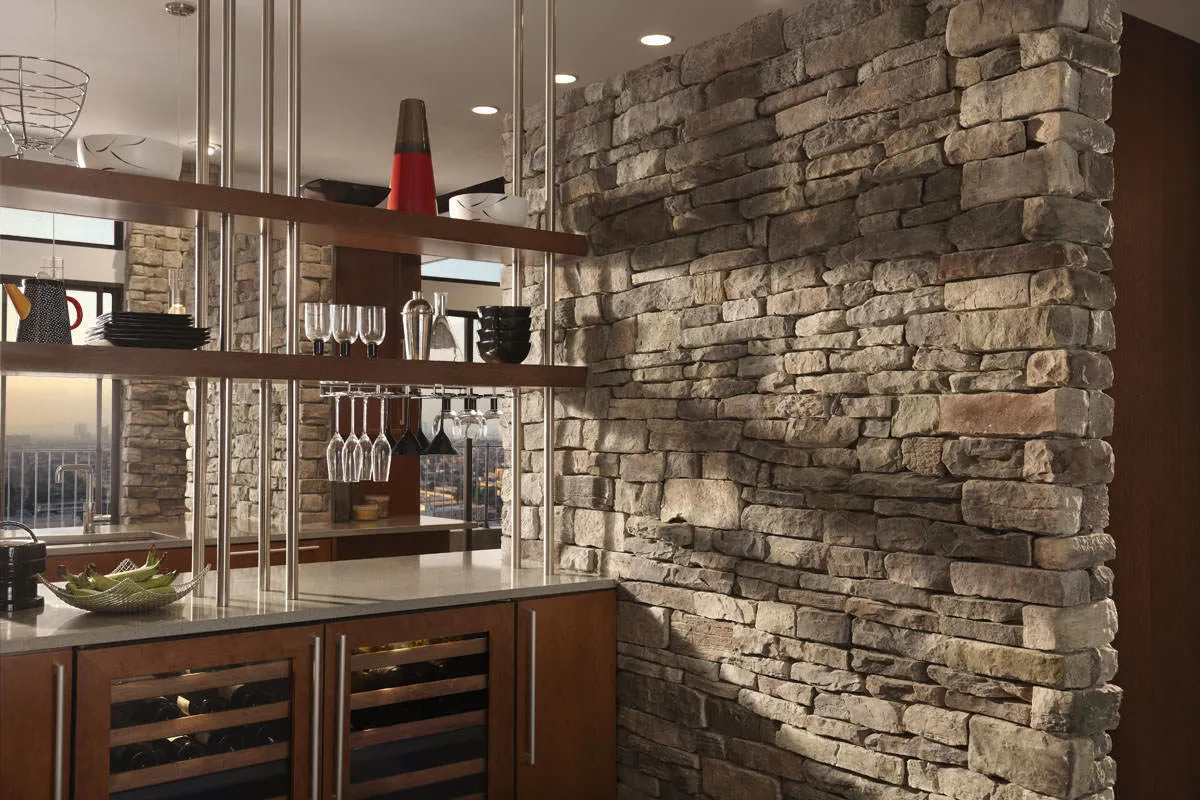
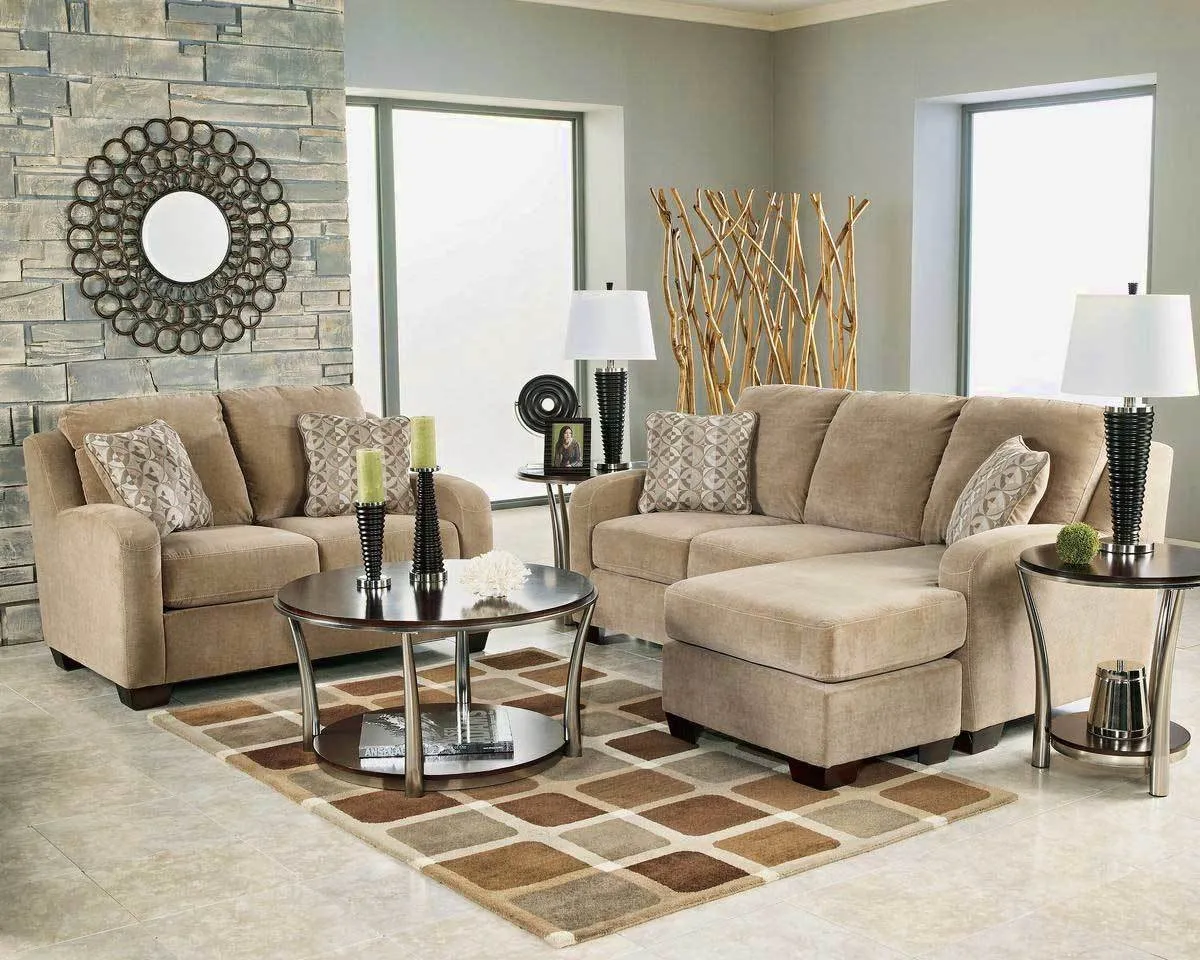
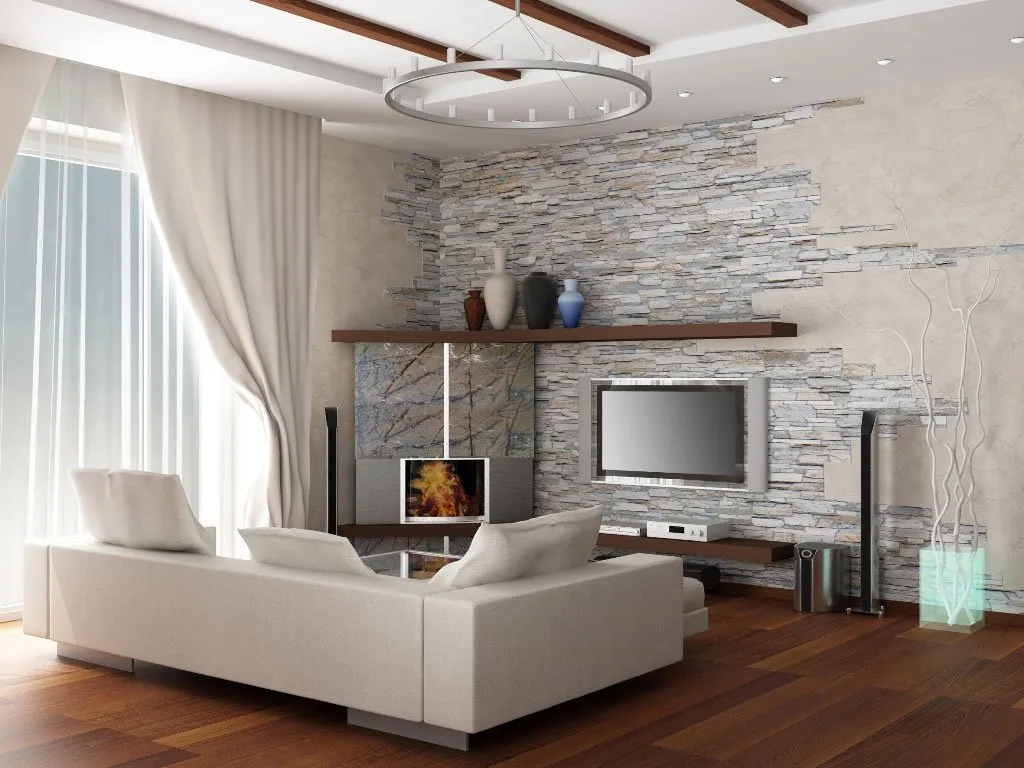
Walls with stone masonry are stylish and even strict. Who would have thought that stone can bring warmth, comfort and a completed look to the entire space. First of all, you need to choose the material itself: brick, cobblestone, river stone. You also need to decide on size: whole slabs or small elements, what exactly will be displayed on the wall. There are many advantages to such decoration: walls decorated with stone elements create additional insulation. This is important, especially in the case of typical apartments. Such a wall seems to arise from nature or a fairy tale, brightening the modern interior. It is necessary to plan proper lighting.
- Floor
A stone floor has already become popular for a long time. There is a wide range of options for finishing. But there are also limitations: some types of material are quite fragile and can easily be damaged by something sharp or careless movement. Walking on it will also be unsafe. An interesting option will result if you use pebbles in the shower, bathroom or corridor. On a kitchen floor, such a covering will be quite convenient.
- Fireplace
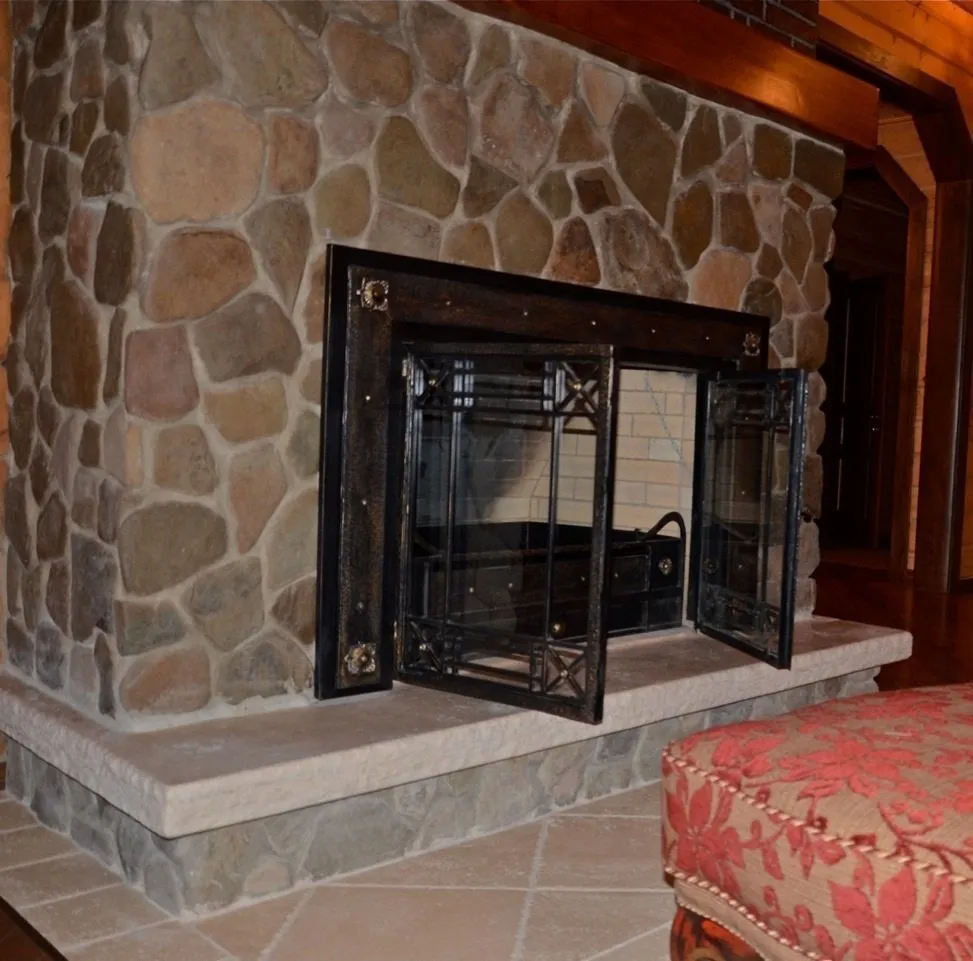
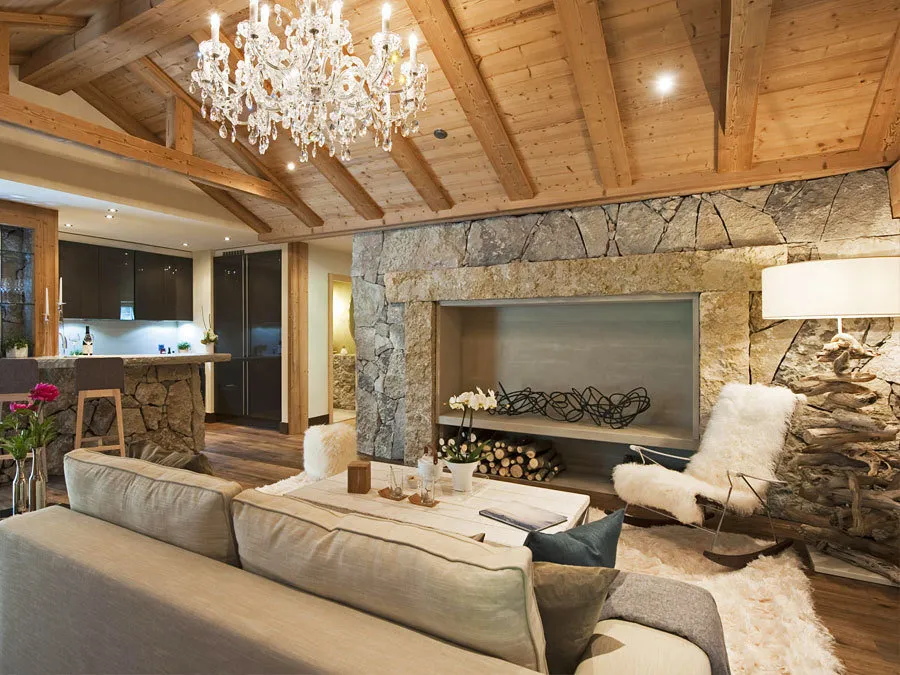
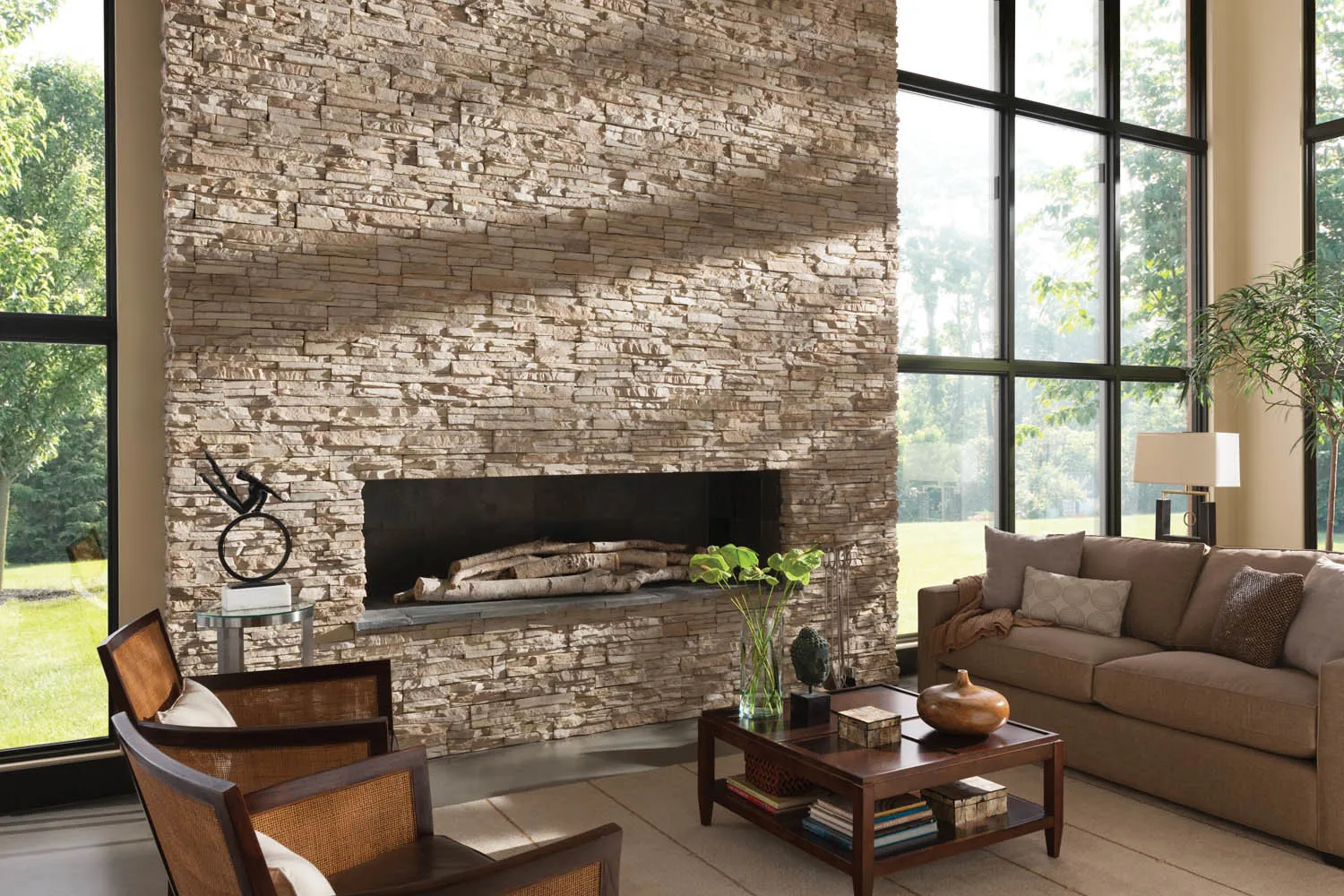
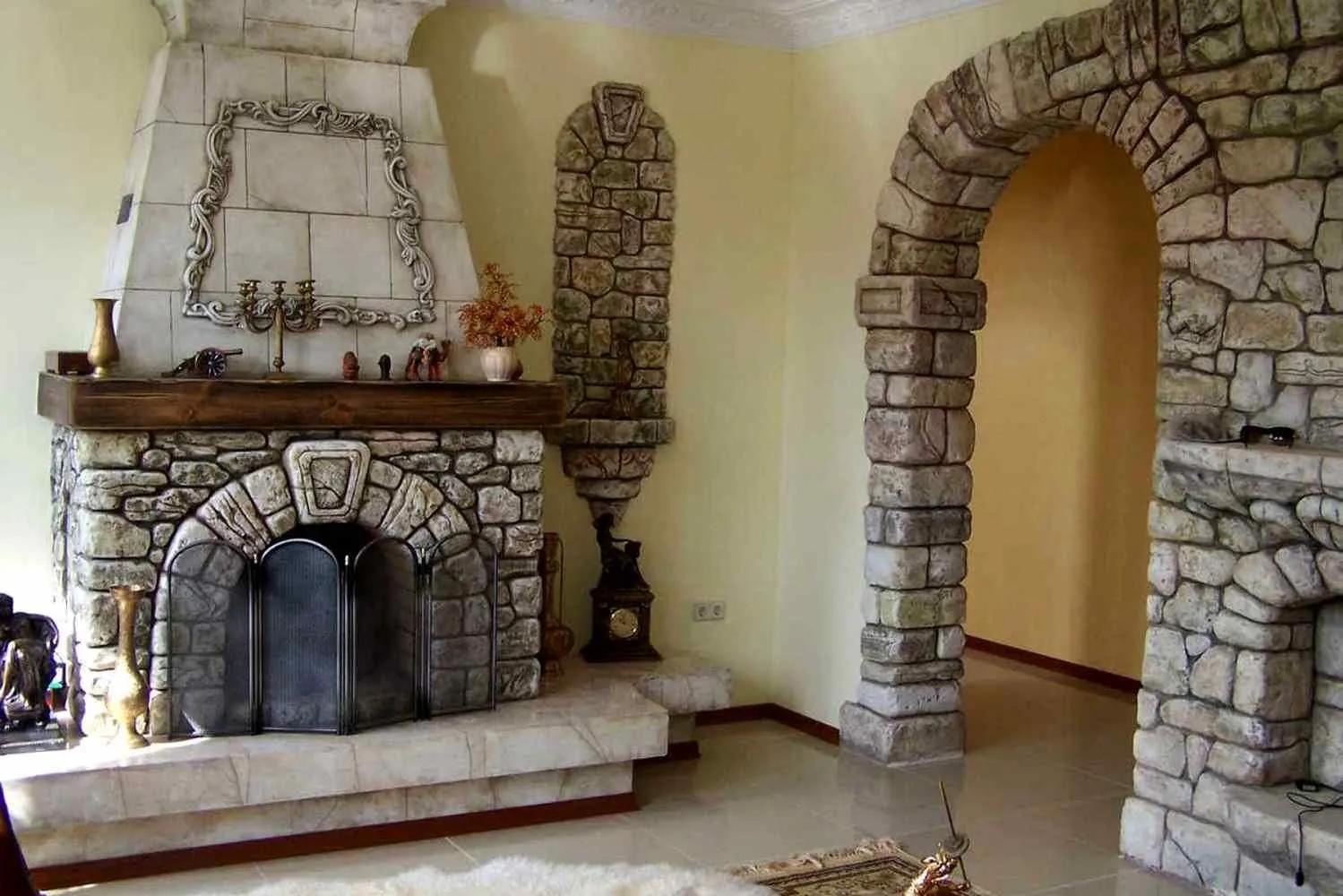
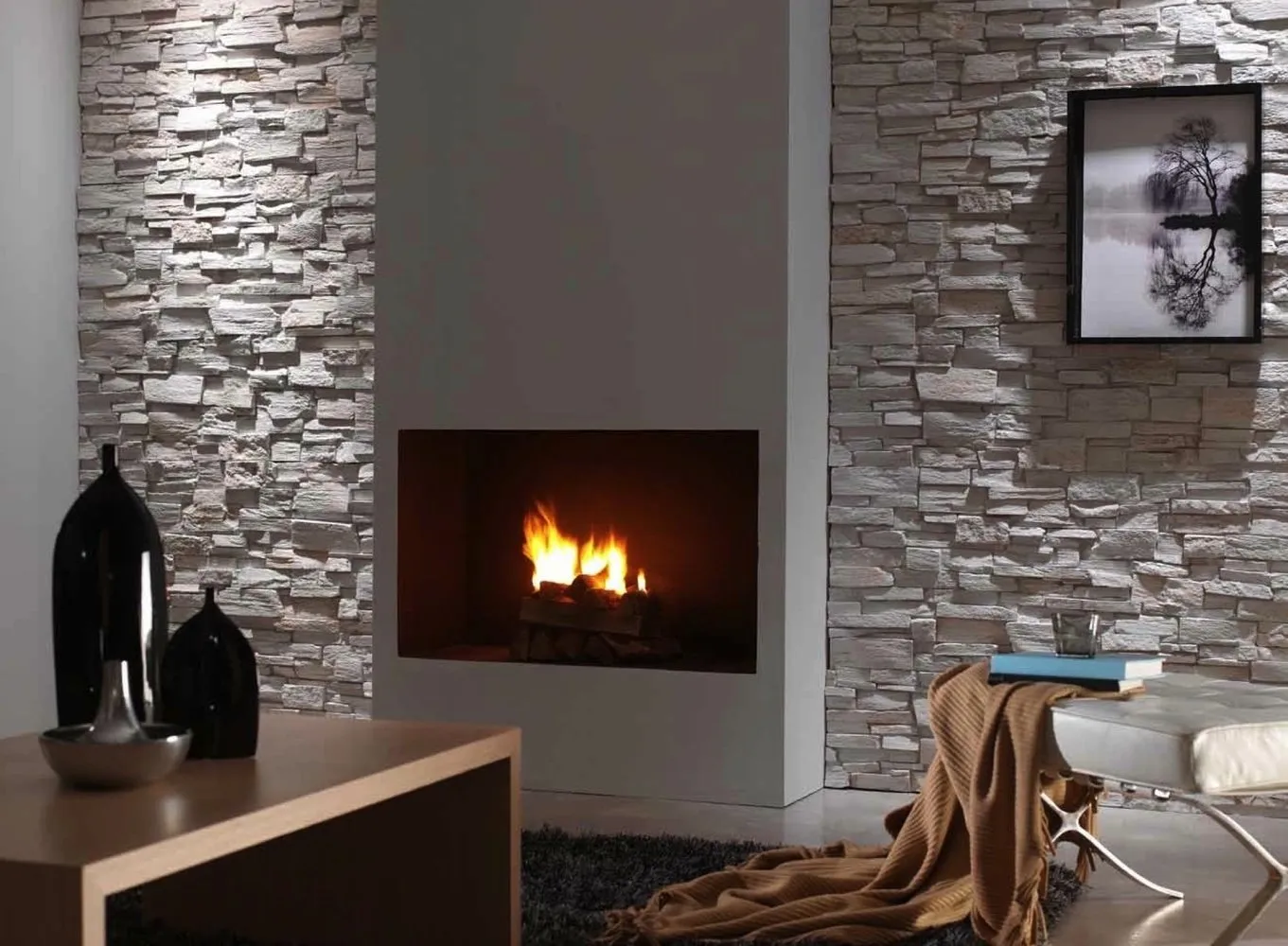
A fireplace finished with stone looks magnificent and refined. The fireplace will create warmth and a fairy-tale atmosphere where friends and family want to gather. For many centuries, finishing was done with brick. Its fire resistance ensured popularity. Today, other materials are used, their properties are similar to the thermal properties of brick: tiles made from fired clay, ceramic granite, natural or artificial stone. All these finishing materials withstand high temperatures, protect against moisture and soot penetration.
- Stairs
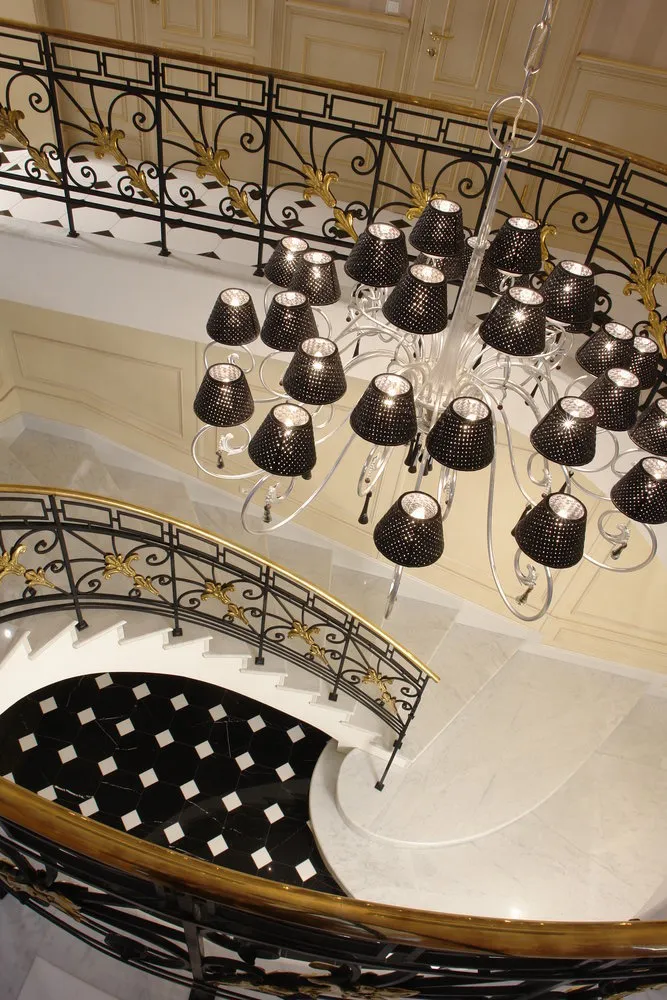
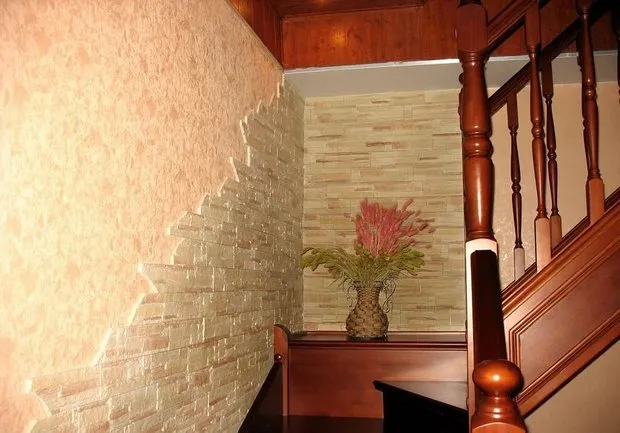
Another option that designers borrowed from the Middle Ages. Stone steps look as close to nature as possible. They are durable and will serve for many years. Such finishing is used mainly in large houses and cottages. There is an option to use partial masonry, overlaying stone masonry on wooden steps. You can also use artificial stone. This will reduce costs.
- Doors, Arches, Niches
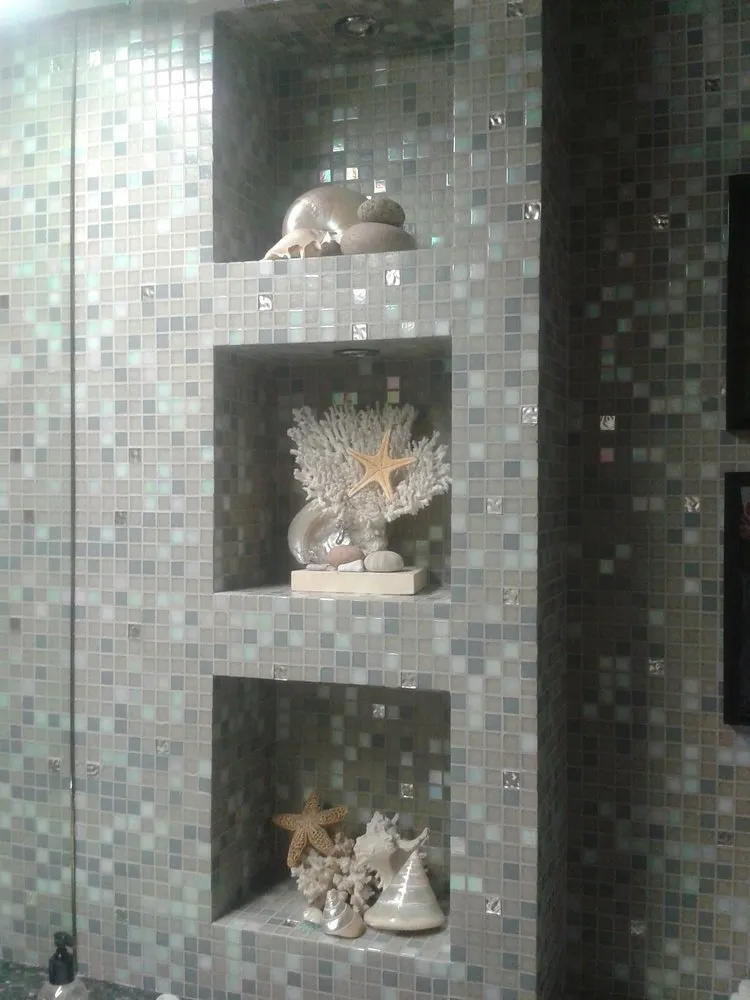
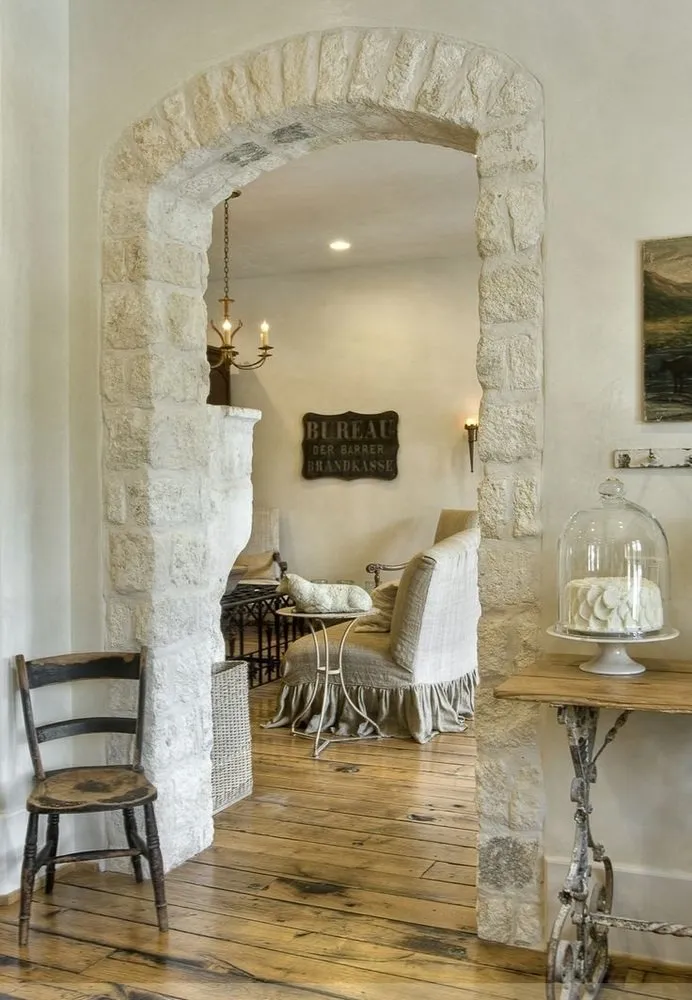
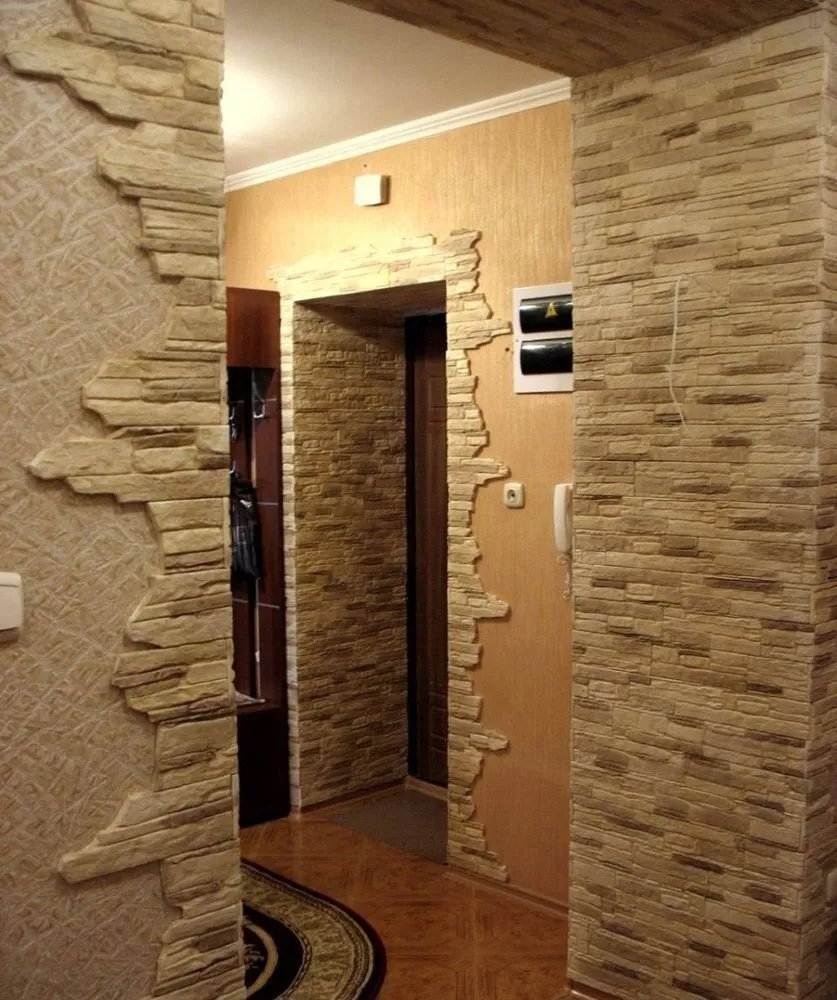
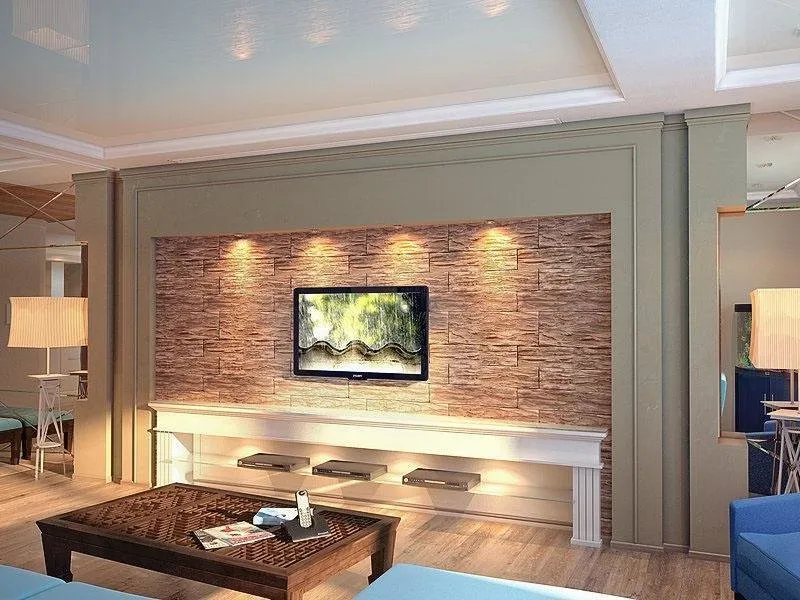
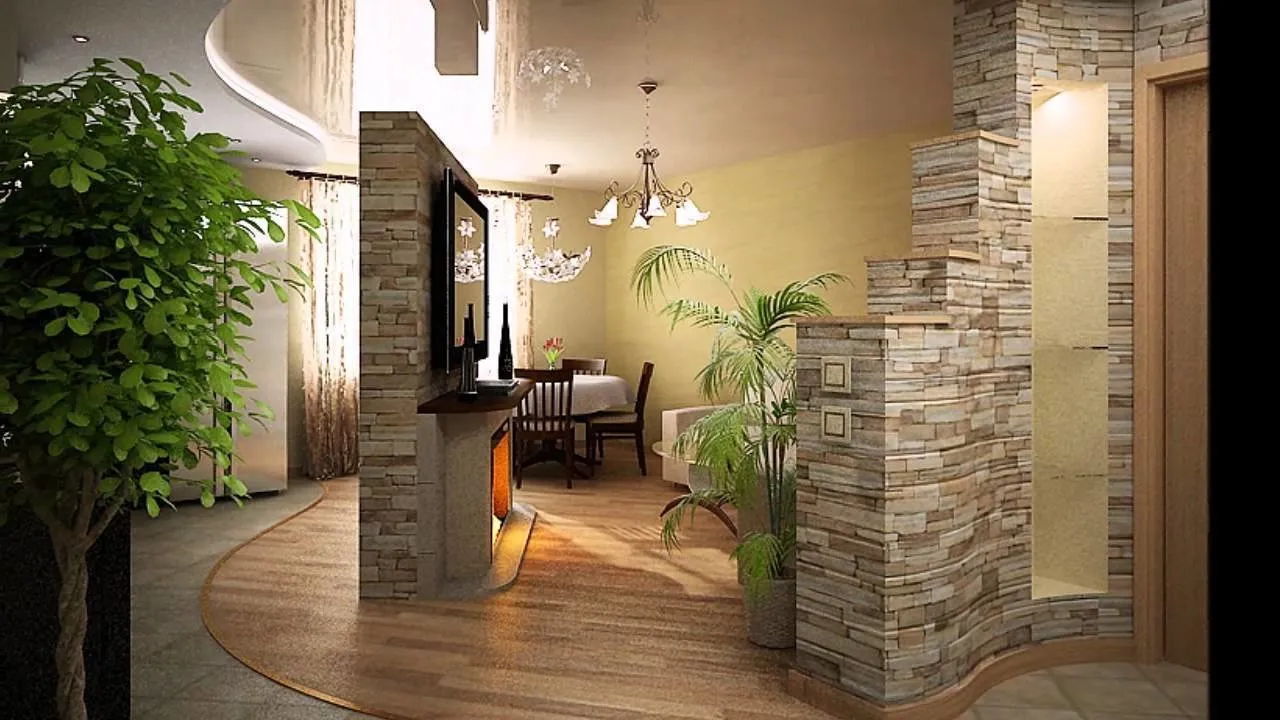
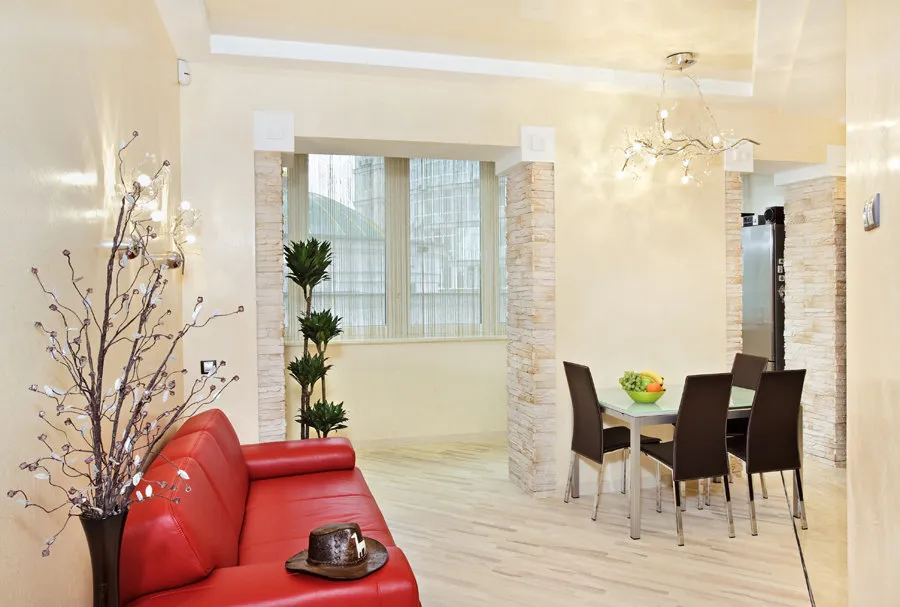
Many elements of interior can be decorated with stone masonry. Stone on both sides of the door will accentuate an informal atmosphere and style of the room, as well as draw attention to the door itself. Arches are often decorated with stone. In a regular interior, such an arch will attract attention and add special charm to the room. A niche covered with stone can also serve as a decoration element. On its background, you can place flowers, panels, pictures, TV. And all this will fit well into any interior style.
Color Palette
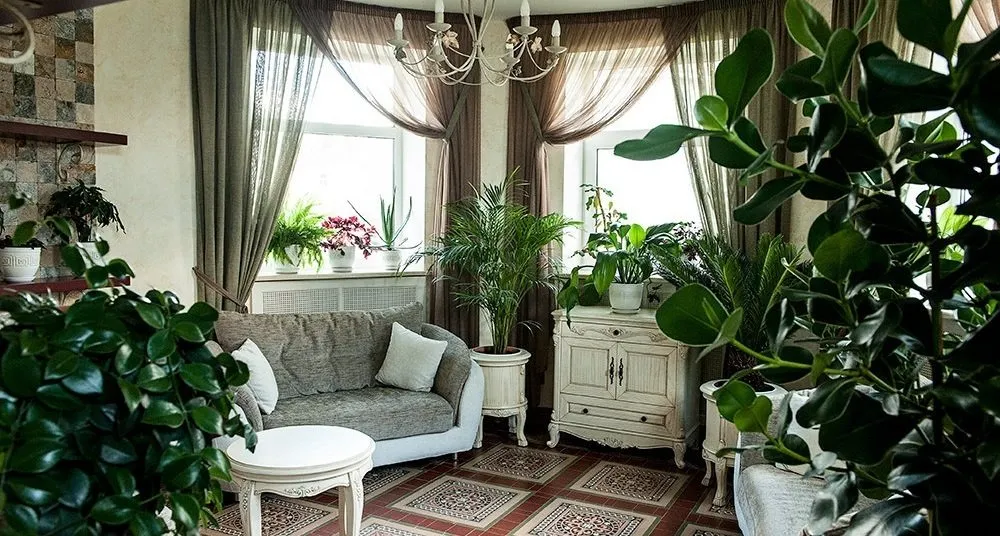
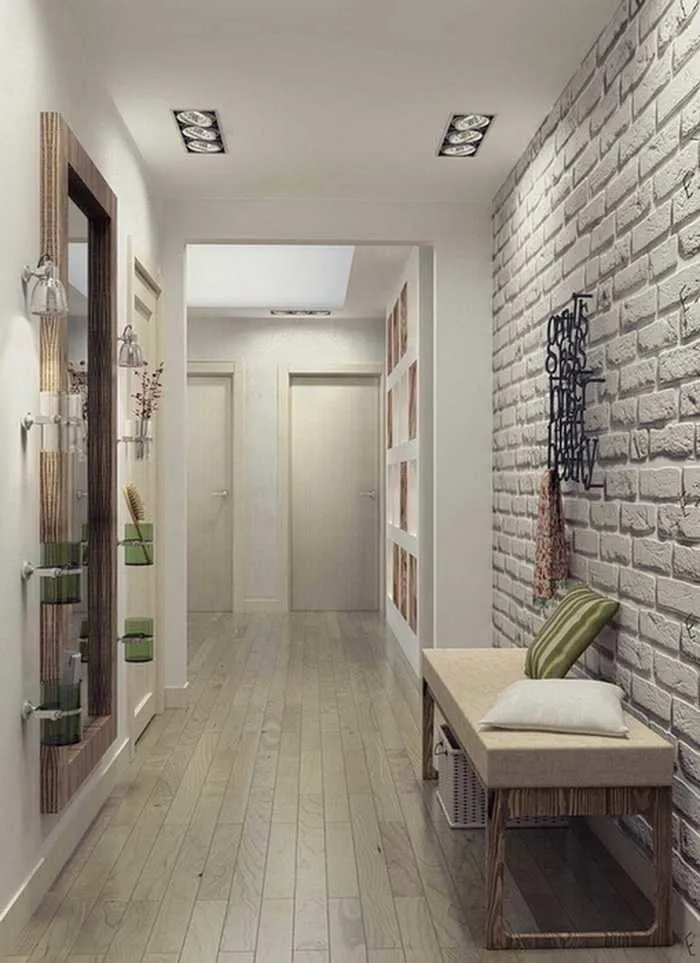
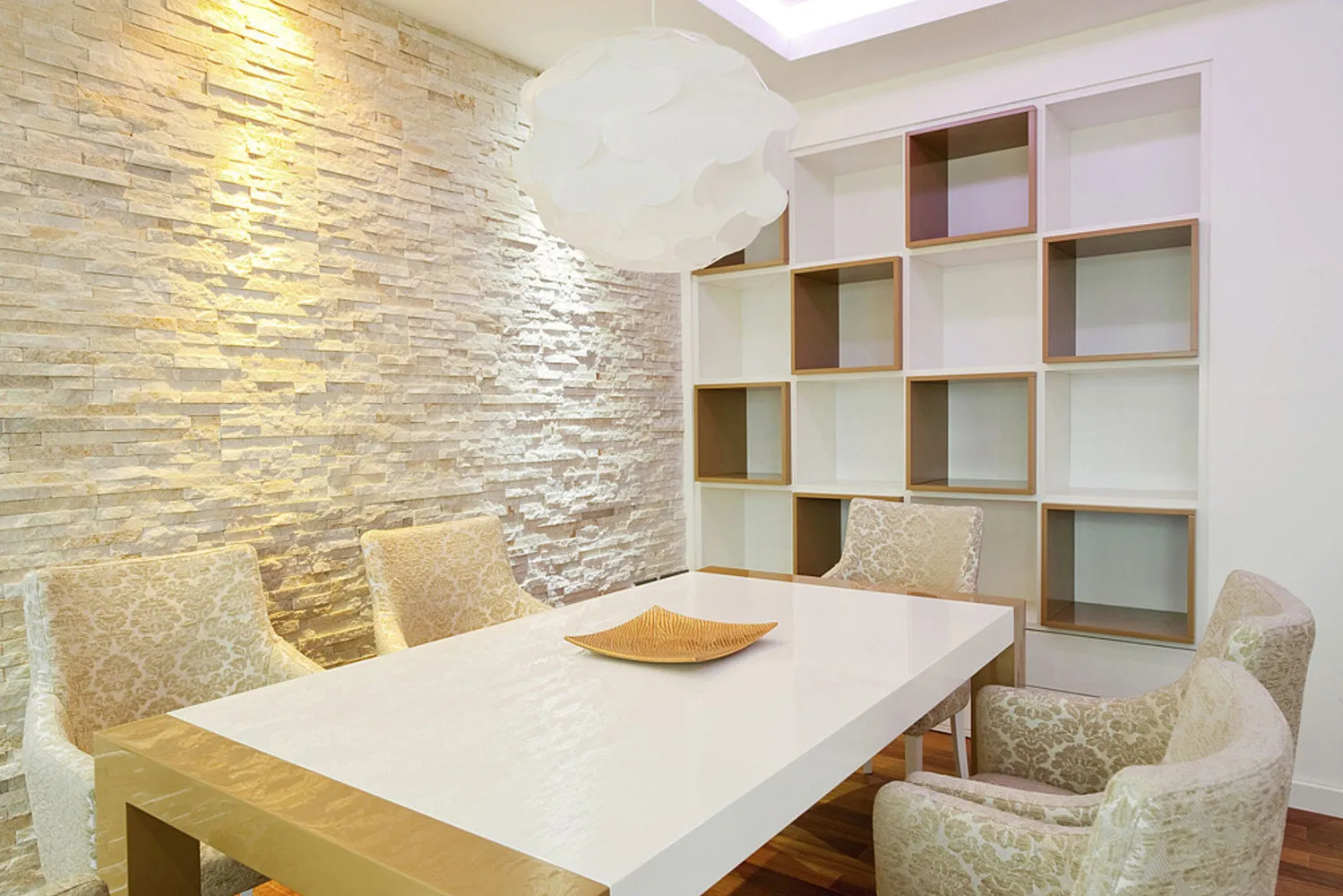
There is a large number of color palettes for decorative stone masonry. Specialists advise applying a particular color in the conditions of room parameters: area, presence of lighting, interior clutter. White is the leader in use in narrow, small corridors, halls, bathrooms. It creates a visual increase in space. Warm shades and gray color combine well in more spacious rooms together with wooden materials.
Interior
- Bedroom
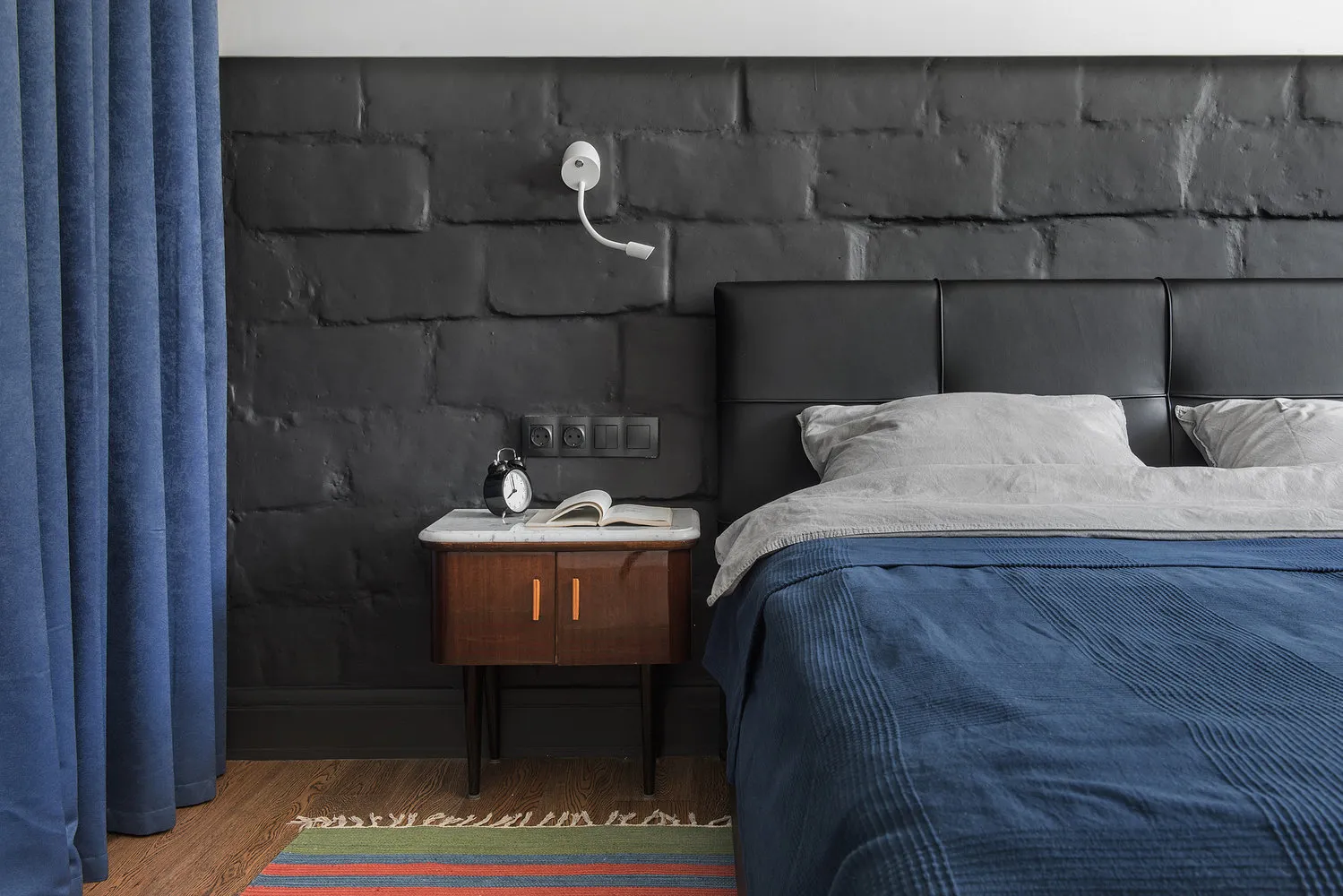
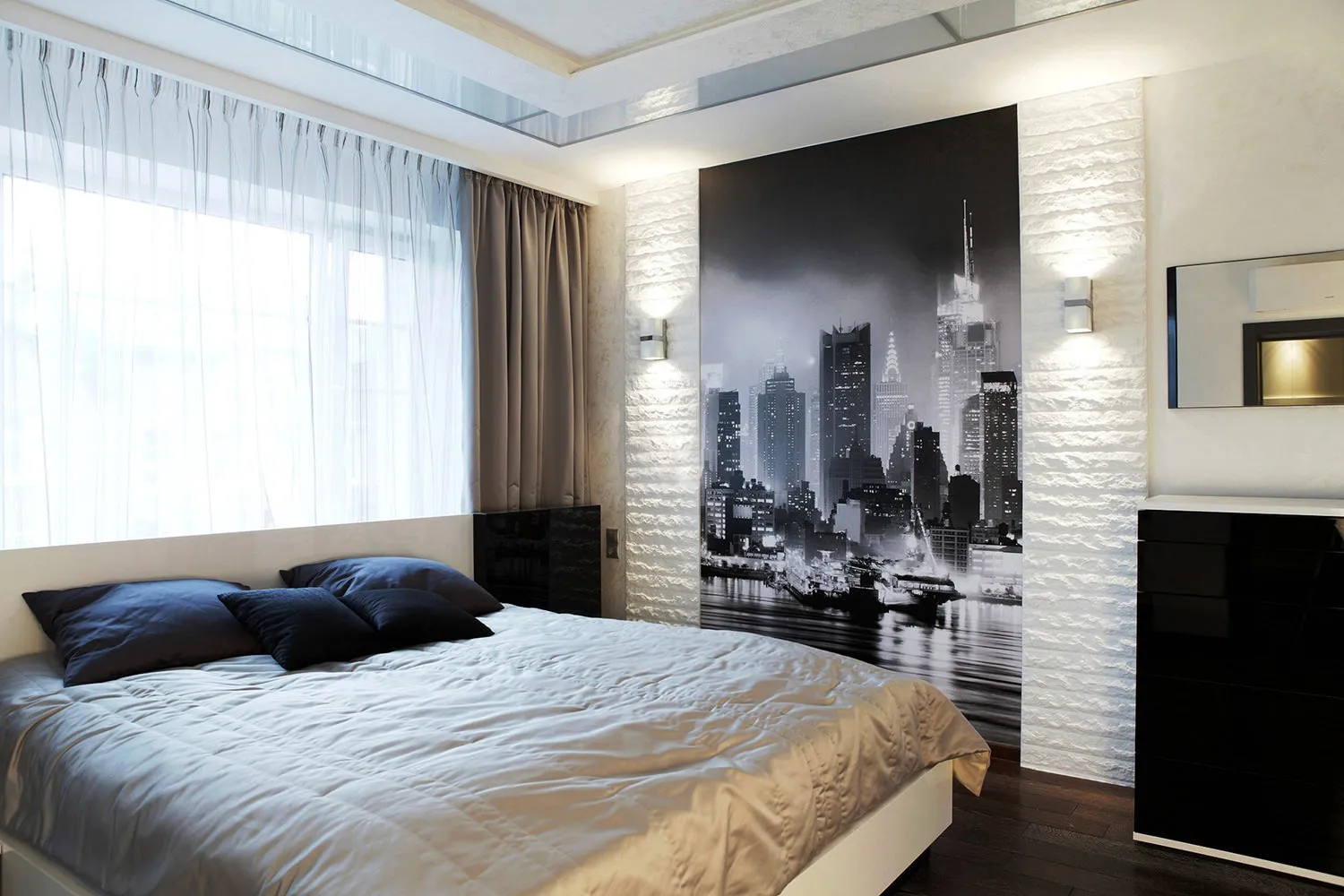
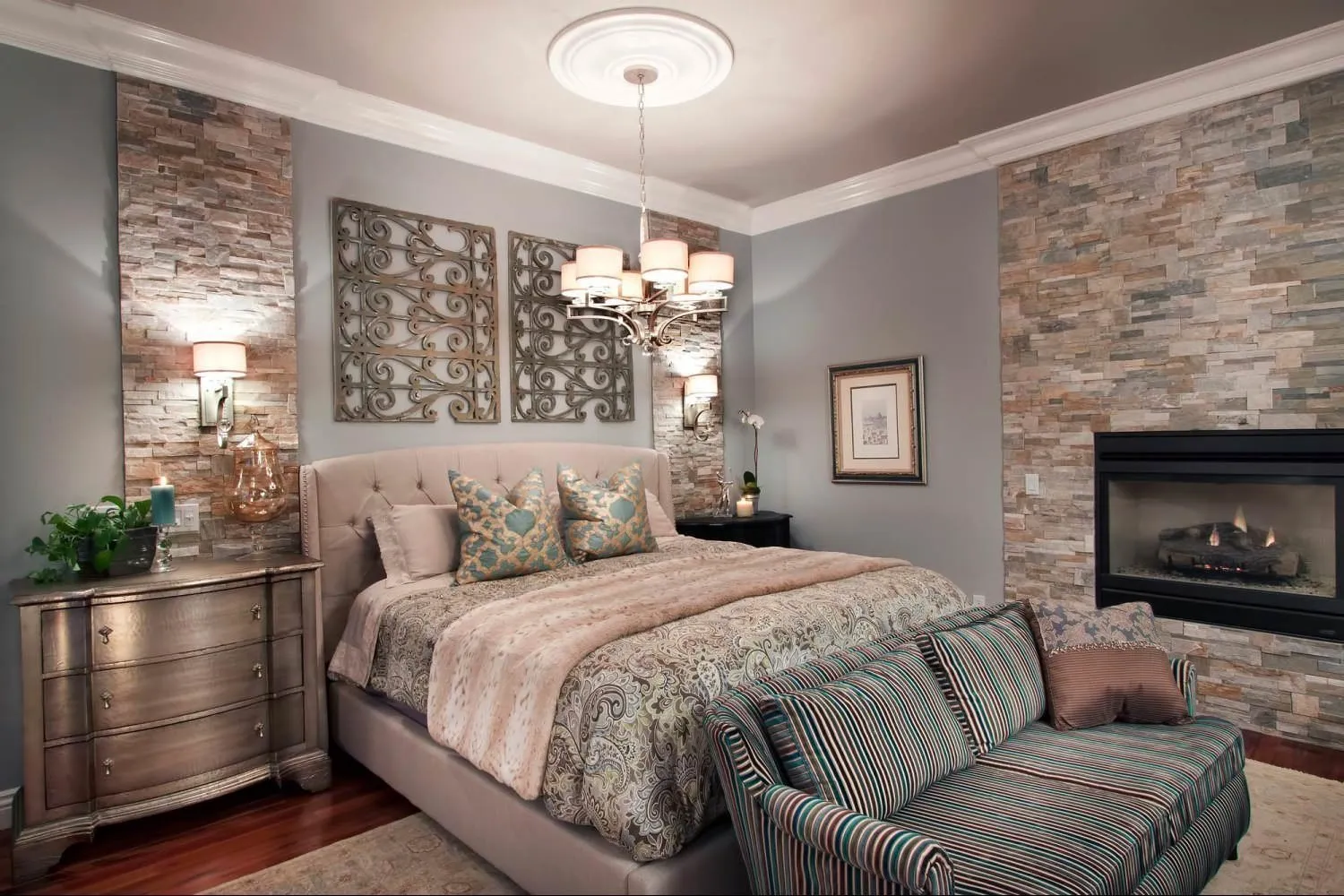
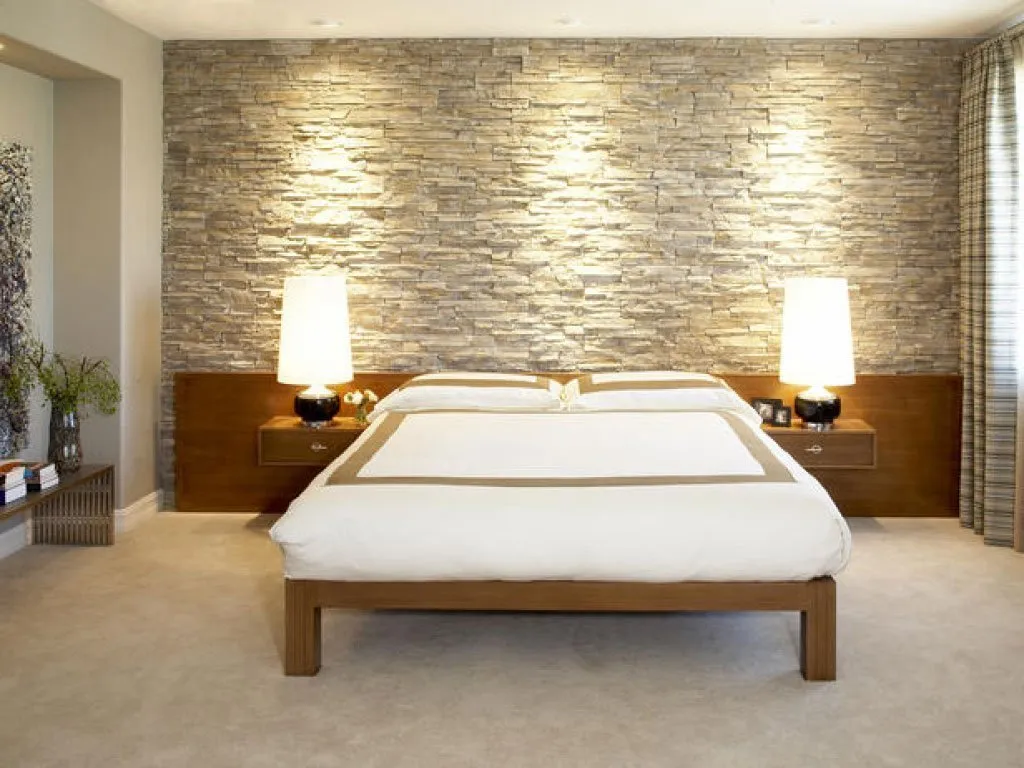
In a bedroom, comfort and peace are important. Specialists recommend choosing warm shades of decorative stone. White color will suit the room, leaving enough free space for rest. You can accentuate the headboard of the bed, highlighting part of the wall or finishing the entire wall.
- Living Room
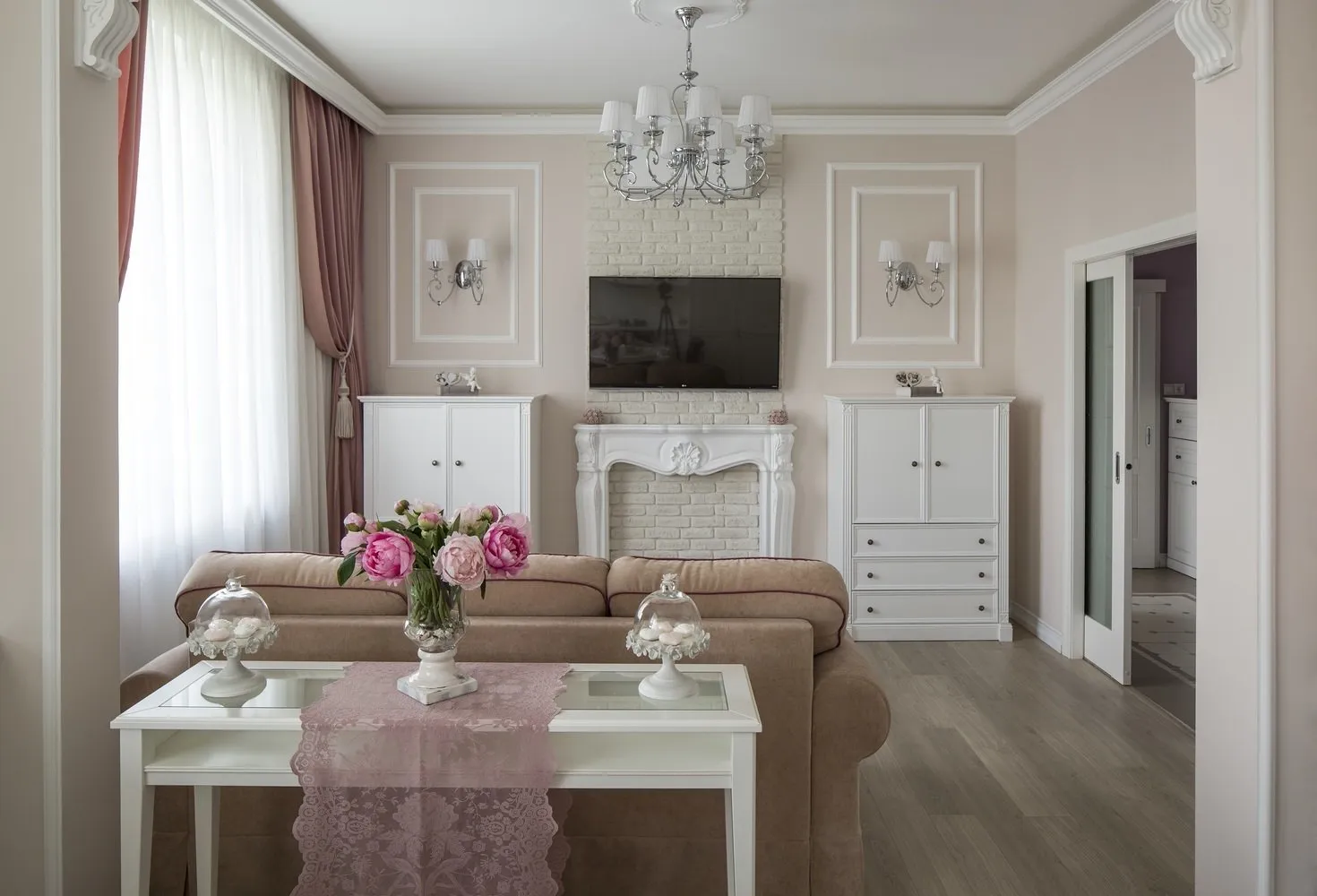
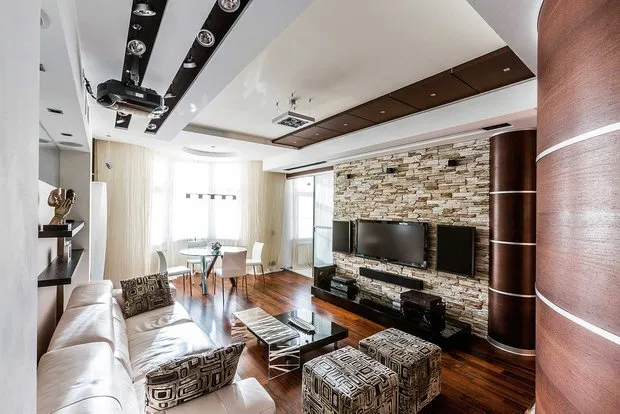
Here you can highlight several zones: dining area with a table, fireplace, TV and shelves, bar counter, sofa with armchairs. There is a lot of space for imagination. You can also use the material to smoothly transition from one zone to another.
Design: Svetlana Yurkova
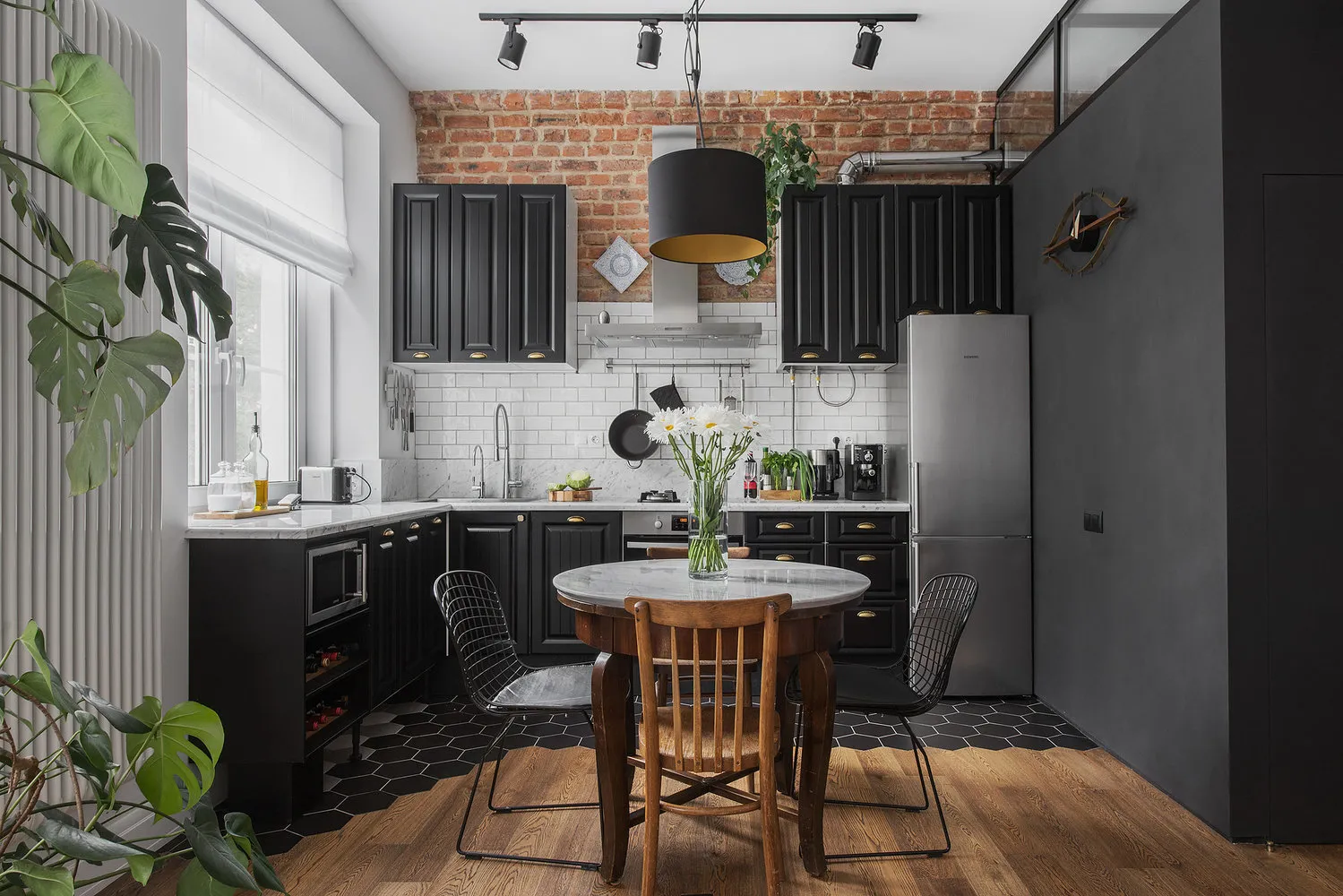
- Kitchen
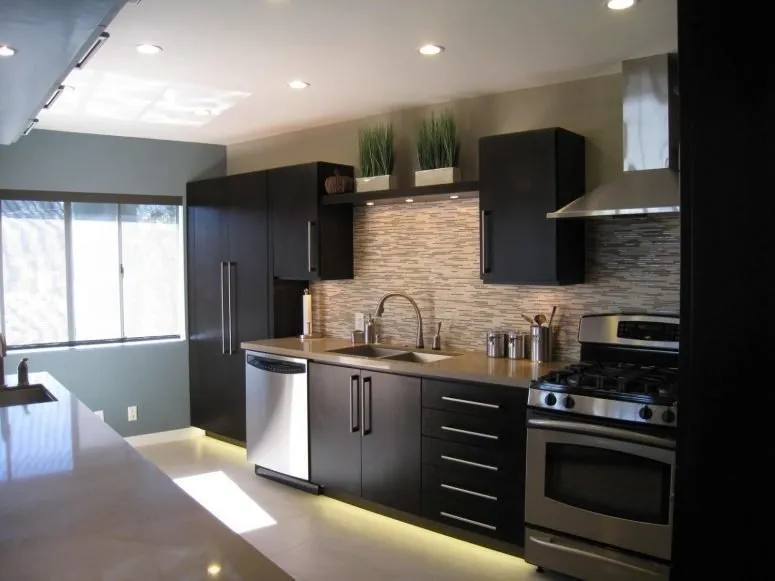
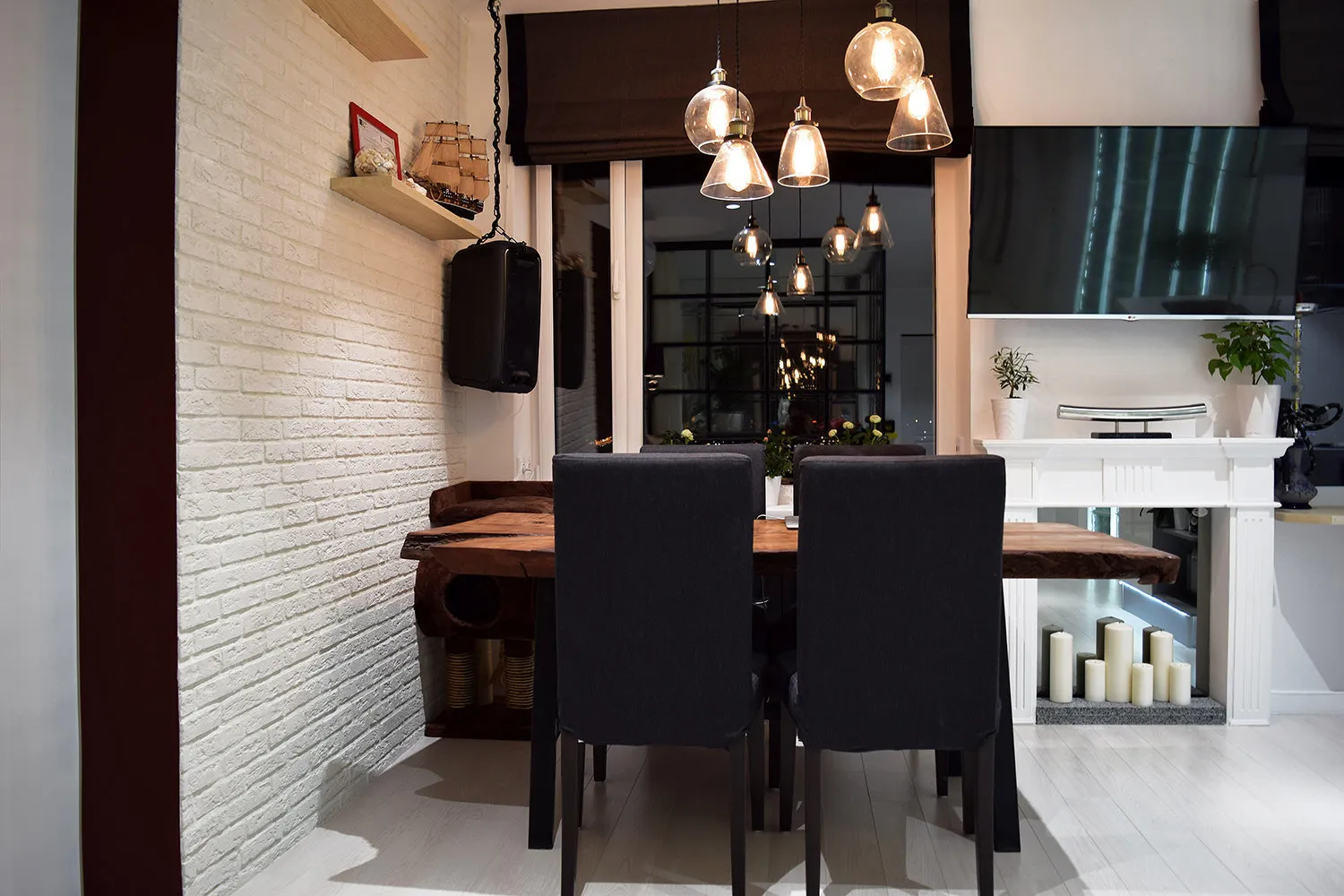
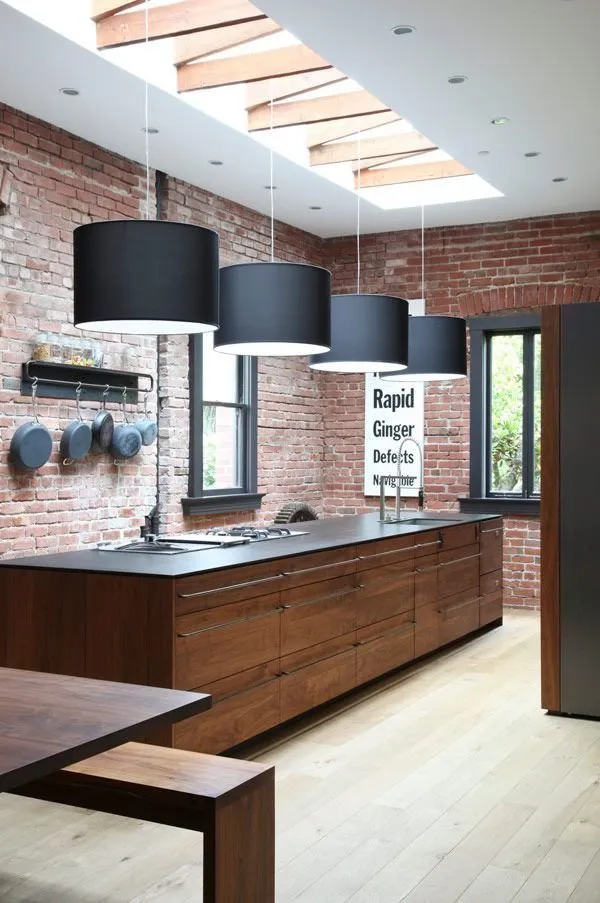
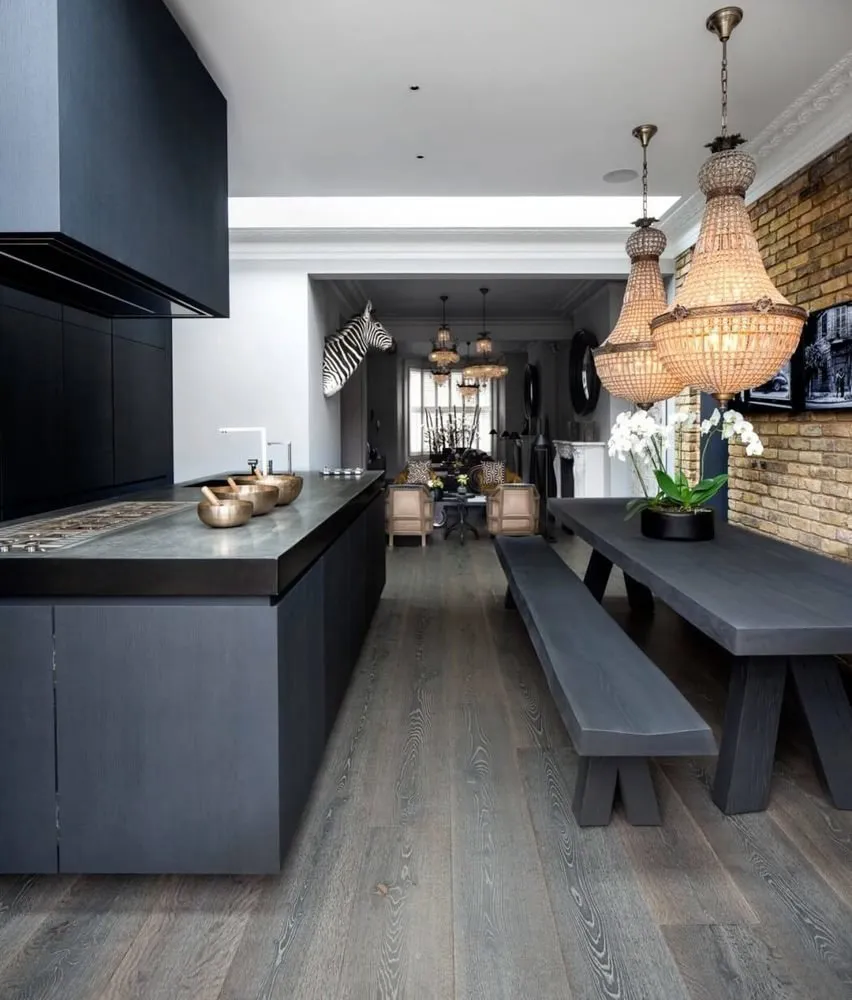
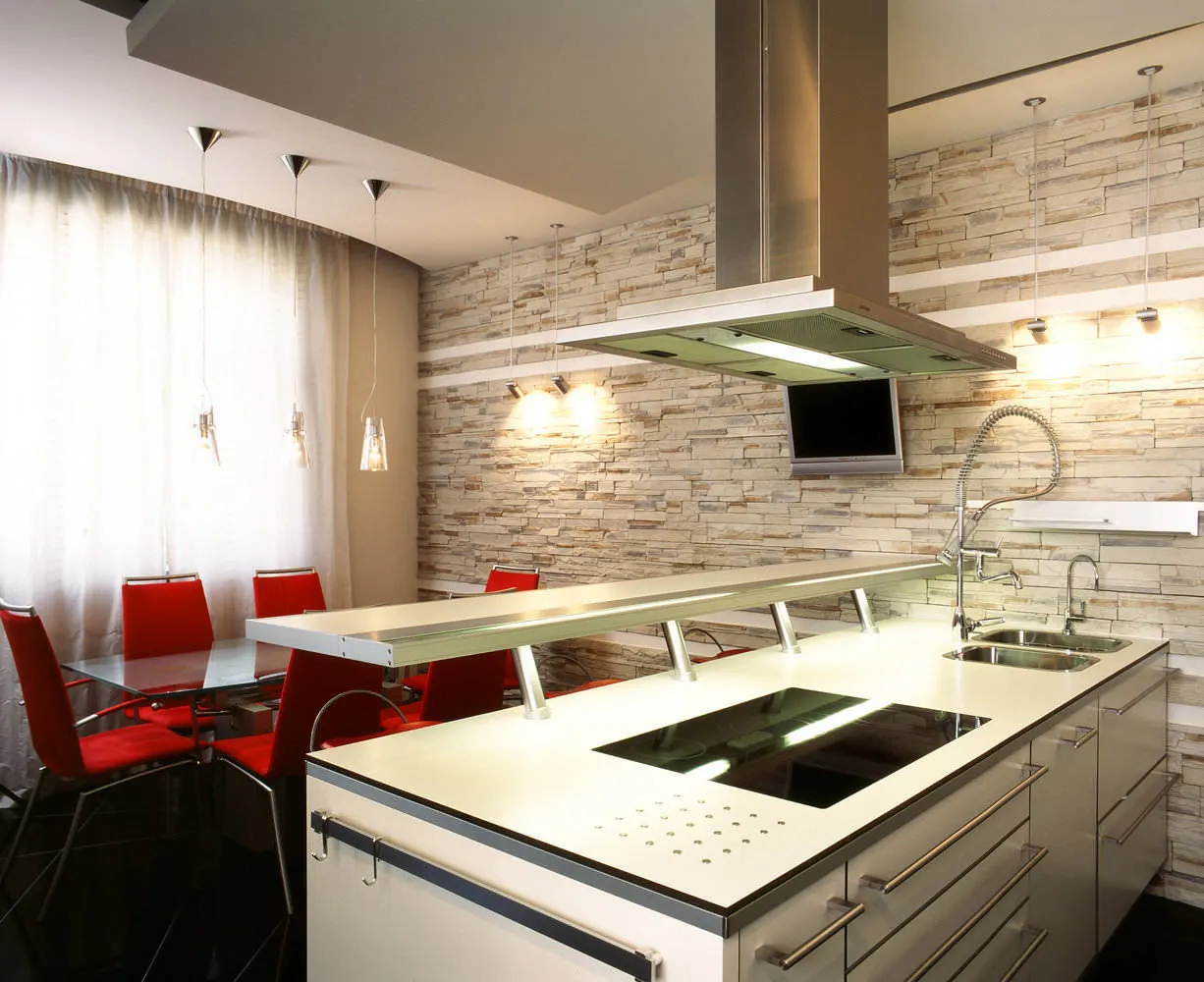
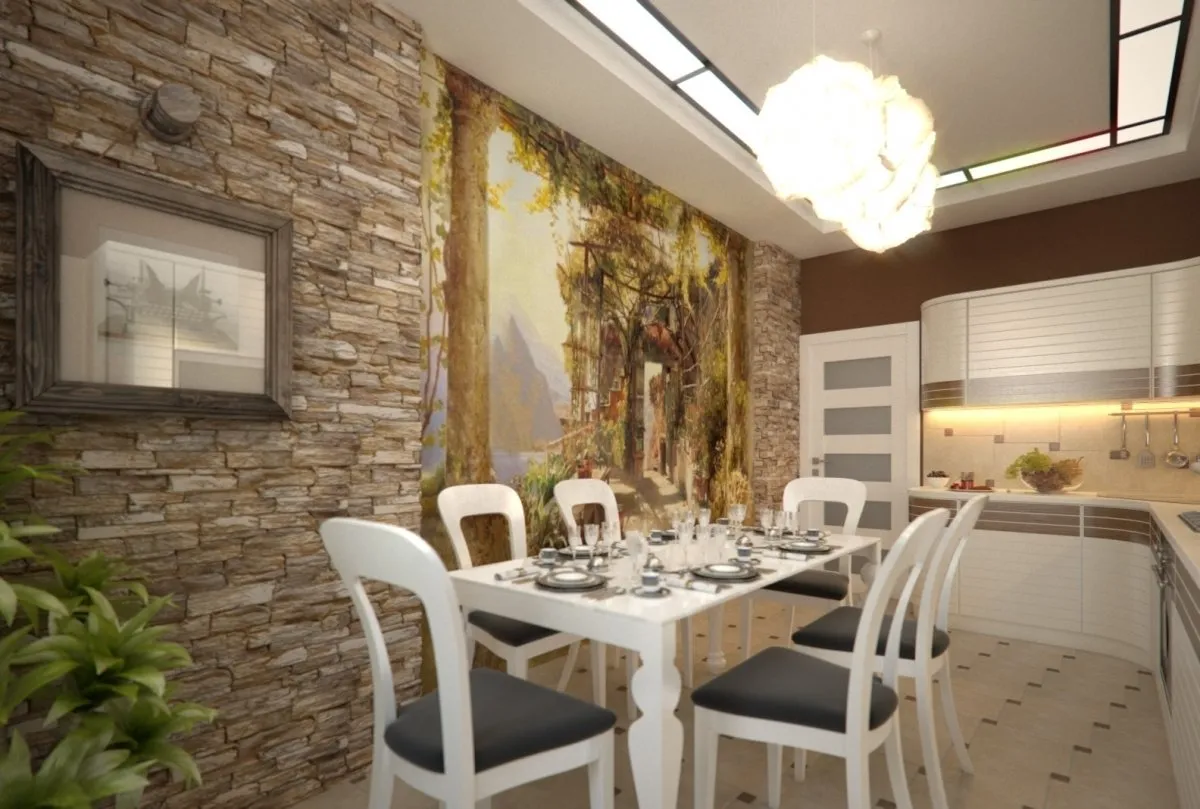
Using stone on the kitchen is practical, easy to maintain and clean. It is moisture-resistant and withstands high temperatures. The working area decorated with stone will be relevant in any kitchen. It is important to take into account the overall style and color of the kitchen cabinet. Everything should look harmonious, otherwise there is no point in doing renovation work.
Design: Natalia Liventsova
- Child's Room
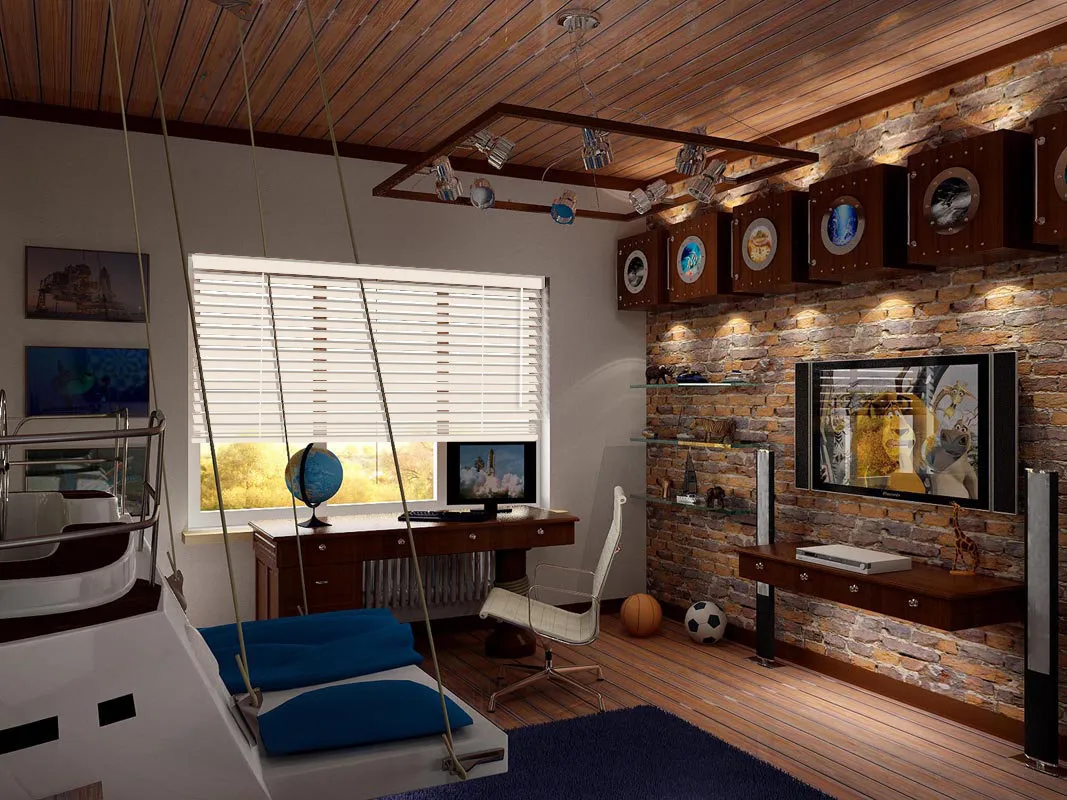
For a child's room, stone can find various applications. Children will have fun and interest in being in a modern castle or cave. You can also together come up with mosaic elements, pictures, hang illustrations on the background of masonry.
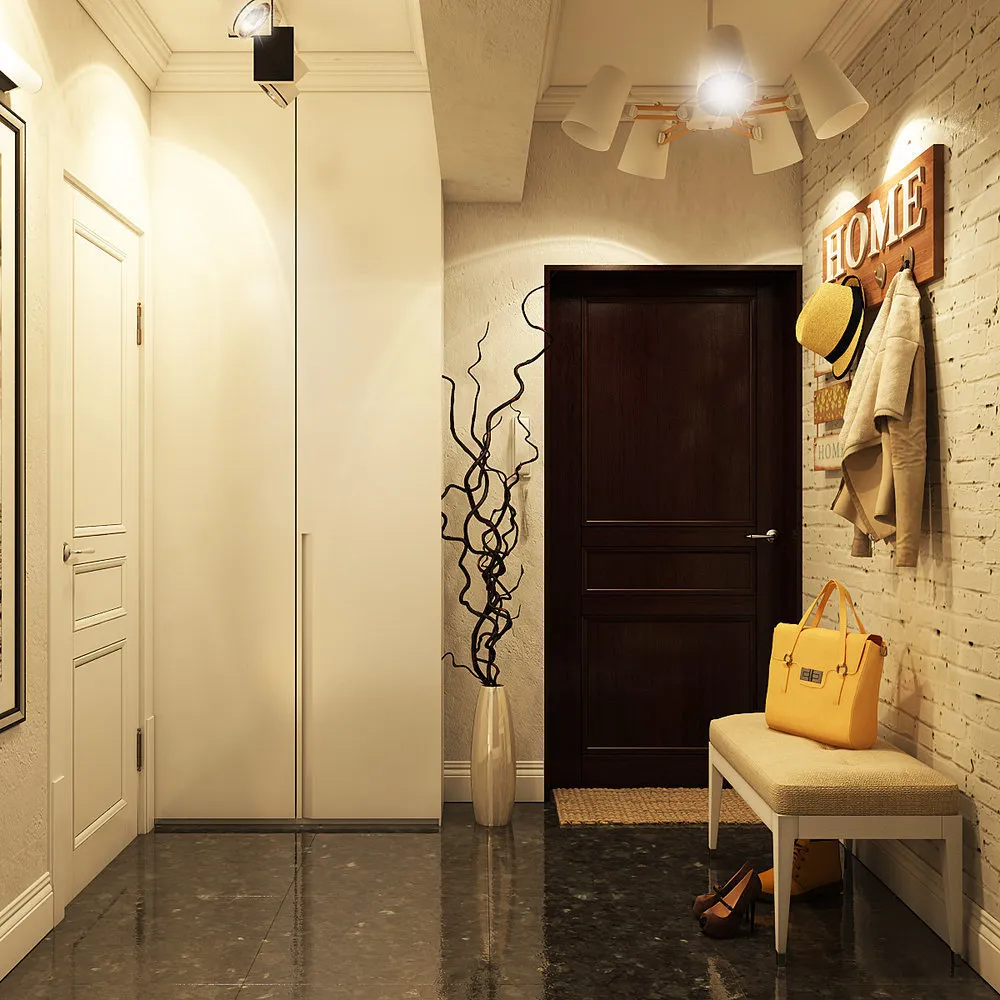
- Entry Hall
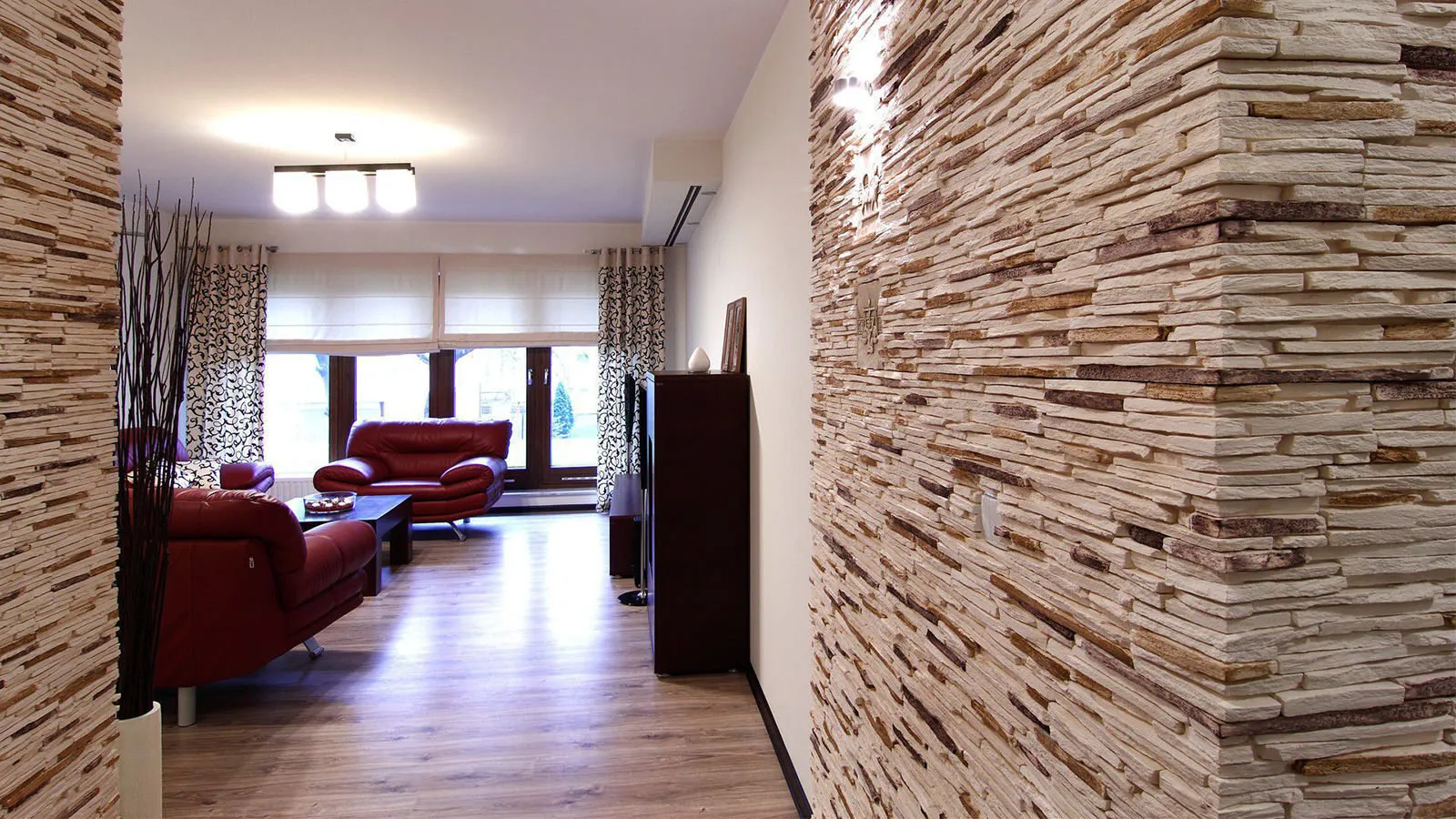
The entry hall is the first place where every person steps in from the threshold. It is important to make it as spacious, cozy and home-like as possible. Decorative masonry plus spot lighting will handle this task.
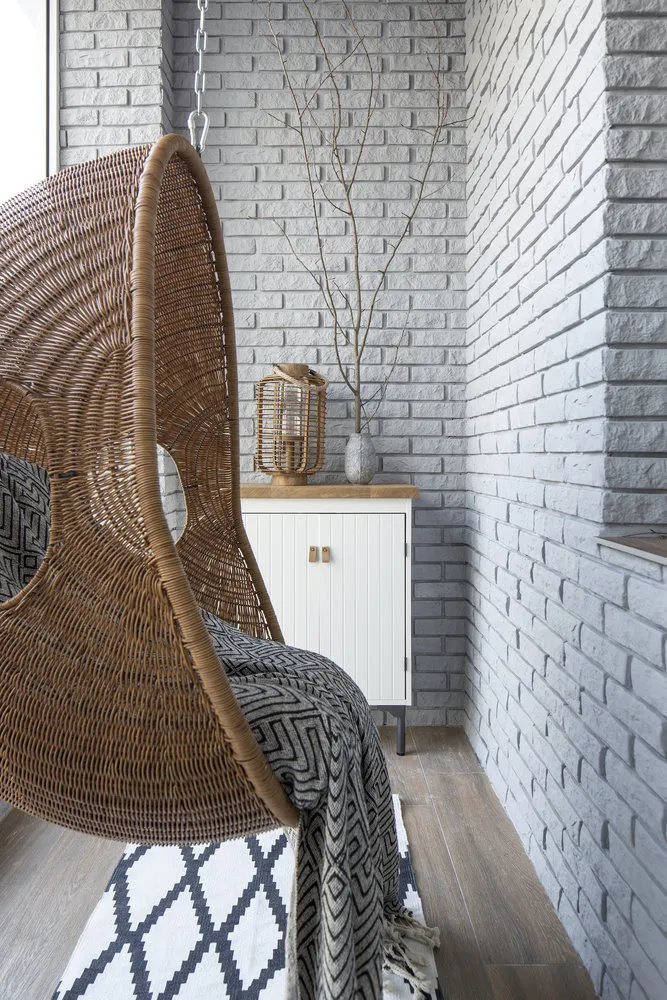
- Loggia and Balcony
The features of decorating a loggia consist in choosing elements: you can partially or fully cover the walls, or the floor. Placing a rocking chair and a small table will allow you to create a cozy nest for reading and coffee.
Designer Kateryna Sizova
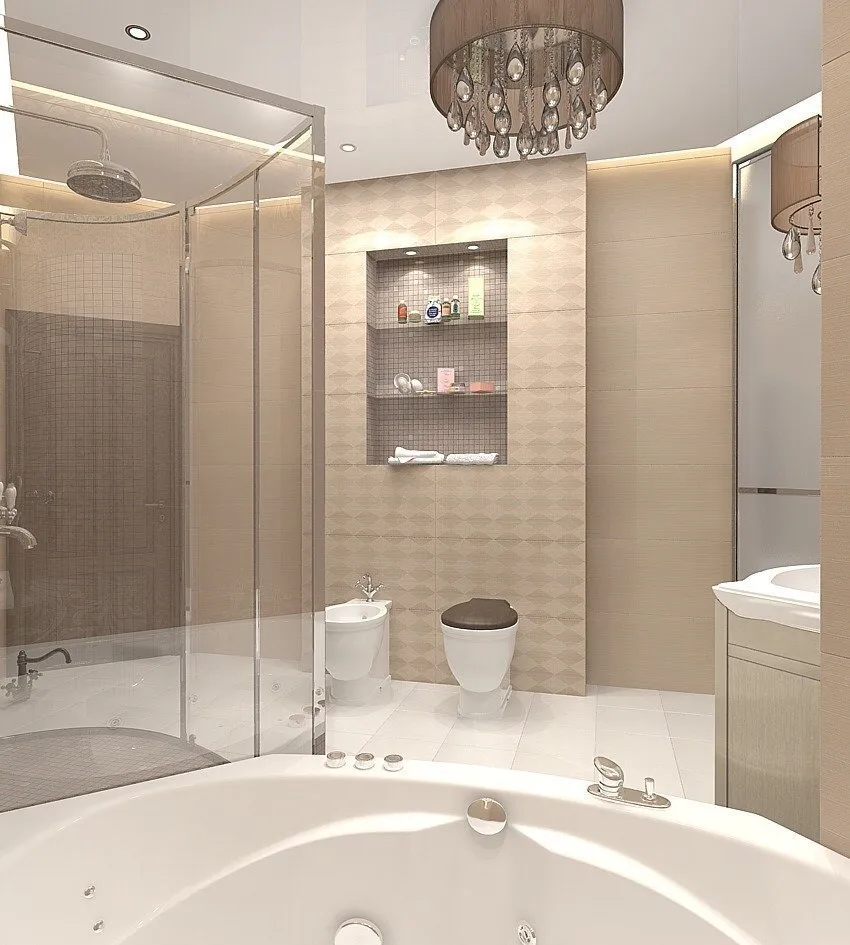
- Bathroom
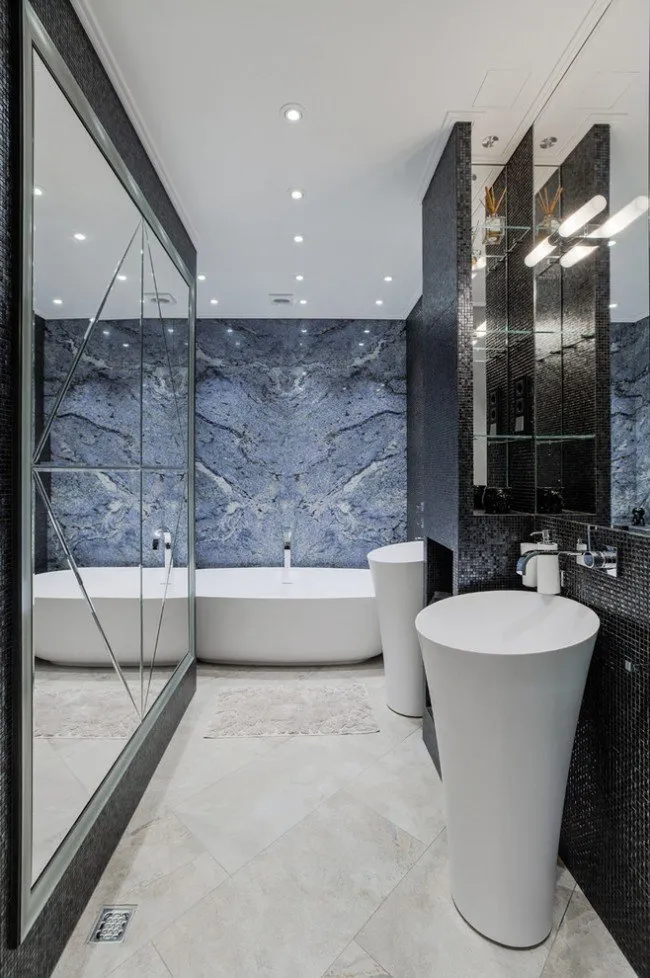
Strength, reliability and moisture resistance - these are the main arguments for using stone in the bathroom. There is a wide variety of choice on the market. Walls, floor, the bathtub or sink - you can choose any element and finish it with stone.
Stone as a finishing material can often be found in many living spaces today. Homeowners and designers prefer it due to many advantages and almost no negative sides.
Tips for Using Decorative Stone in Home Interior